Reviewed · BUDAPEST TOURS
Budapest: Aeropark Admission Ticket
Aviation museums are usually about glass cases, not stairs. Here you get a real open-air look at Hungarian aviation across 60 years, plus the fun part, climbing up into aircraft cockpits. I love that it focuses on the big ideas, technology and science, not just dates and names. I also like the hands-on feeling of pretending you are the pilot while looking out across an imaginary globe.
One thing to consider is that the flight simulator is not included, and it only runs on weekends (Saturday and Sunday). If simulator time matters to you, plan your visit accordingly.
In This Review
- Key Takeaways Before You Go
- Why This Aeropark Feels Like Aviation History You Can Touch
- The 60 Years of Hungarian Aviation: Not Just a Timeline
- Walking the Open-Air Aeropark: What to Watch For
- The Cockpit Moment: Why Sitting in the Pilot Seat Hits Different
- Malév and Tupolevs: How the Museum Makes Cold War Aviation Understandable
- What the Interactive Exhibits Actually Do for Your Understanding
- Guided Tour With a Pilot: The Best Way to Hear the Real Stories
- Price and Value: Is $9 a Smart Spend?
- Getting There From Budapest Airport Area: Bus 200E to Repülőmúzeum
- Who Should Book This Aeropark Ticket
- Should You Book the Budapest Aeropark Admission Ticket
- FAQ
- What is included in the Budapest Aeropark admission ticket?
- How long should I plan to spend at Aeropark?
- Is there a guided tour option with a pilot?
- When is the flight simulator available, and how much does it cost?
- Where is the meeting point?
- How do I get there by public transportation?
- Is hotel pickup or drop-off included?
- Is the experience wheelchair accessible?
- Can I cancel for free?
Key Takeaways Before You Go
- Open-air museum walking route so you get up close with aircraft instead of only reading panels
- Cockpit access that turns aviation history into something you can physically feel
- Malév and Cold War-era planes with standout examples like Tupolevs (and a focus on the communist era scale)
- Science and tech explanations that connect how planes work to Hungarian aviation over time
- Guided tour with a pilot option for real flight anecdotes from an experienced aviator
- Weekend-only simulator if you want the extra pay option for Saturday or Sunday
Why This Aeropark Feels Like Aviation History You Can Touch
Budapest has plenty of museums, but this one has the rare advantage of being outdoors, among actual aircraft. The Aeropark in Vecsés is set up so you can move through aviation milestones in a natural flow, from what planes are made to do, to what flying felt like when it was still a luxury.
What I especially enjoy is the way the place teaches without getting preachy. You are not just looking at metal. You are learning how aviation developed in Hungary, how technology changed over time, and why flight was such a big deal.
At about $9 per person for roughly 1.5 hours, it is also a strong value play. You spend less time in transit than you might expect, and you leave with that clear, satisfying feeling of having done something physical, not only watched a video.
A few more Budapest outings worth comparing
- Budapest: Széchenyi Spa Day Ticket with Optional Upgrades
★ 4.3 · 23,911 reviews - Budapest: Parliament Building Entry Ticket and Audio Guide
★ 4.5 · 3,844 reviews - Budapest: Cinema Mystica Entry Ticket
★ 4.3 · 3,103 reviews
The 60 Years of Hungarian Aviation: Not Just a Timeline
The core theme is Hungary’s aviation story over six decades, and the museum is arranged to make that feel intuitive. You start with the big picture, then you move from era to era through interactive displays and real aircraft.
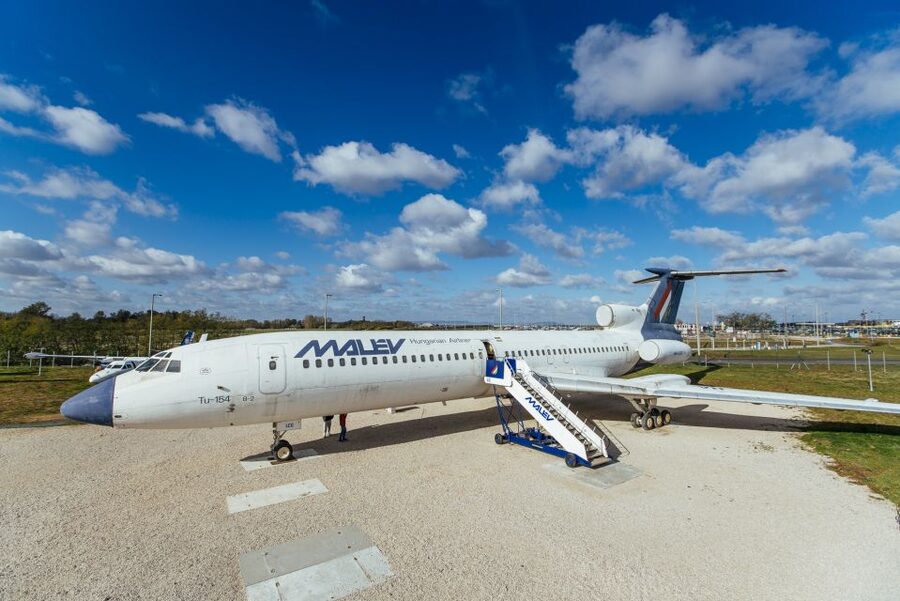
You will see planes connected to Malév, the former national air fleet, including Tupolevs. Even if you already know the general history of Cold War aviation, the Aeropark perspective helps you understand the practical reality: what kinds of machines were used, what scale they had, and how pilots and passengers experienced flying at the time.
This matters because aviation history can become a blur of aviation terms. Here, the focus stays on what changed and why. Technology and science show up as explanations you can connect to what you are looking at outside.
Walking the Open-Air Aeropark: What to Watch For
This is an open-air airplane museum, so your visit is mostly a guided walk through the displays in the fresh air. That layout is part of the appeal. Instead of being trapped indoors for the whole session, you get breaks of space and light, and you naturally slow down when you get to the larger planes.
As you move through, keep your eyes on three things:
1) Scale. The museum highlights some of the largest airplanes of the communist era, and standing near those shapes changes your sense of what these aircraft actually looked like when they were in regular service.
2) Context. The exhibits aim to connect the aircraft to Hungarian aviation evolution, so you are not only seeing a specific plane, you are understanding where it fits.
3) Interactive prompts. There are interactive exhibits meant to explain how aviation works, not only to label things. It is the difference between reading a placard and actually making sense of the mechanics.
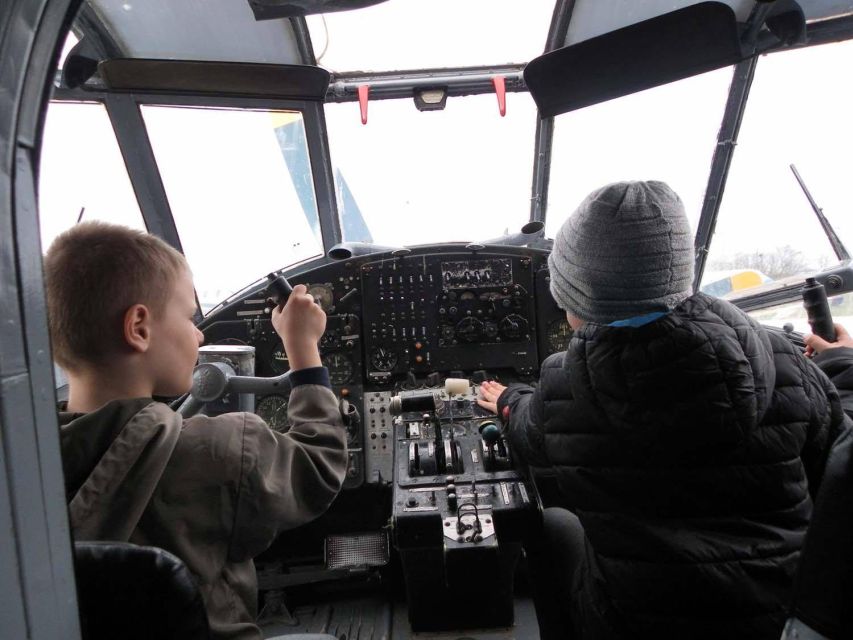
If you are traveling with kids, this layout also works well. They tend to get excited by the sheer visibility of airplanes and the chance to climb and sit. Even adults usually find themselves lingering longer once the cockpit doors and stairways are involved.
The Cockpit Moment: Why Sitting in the Pilot Seat Hits Different
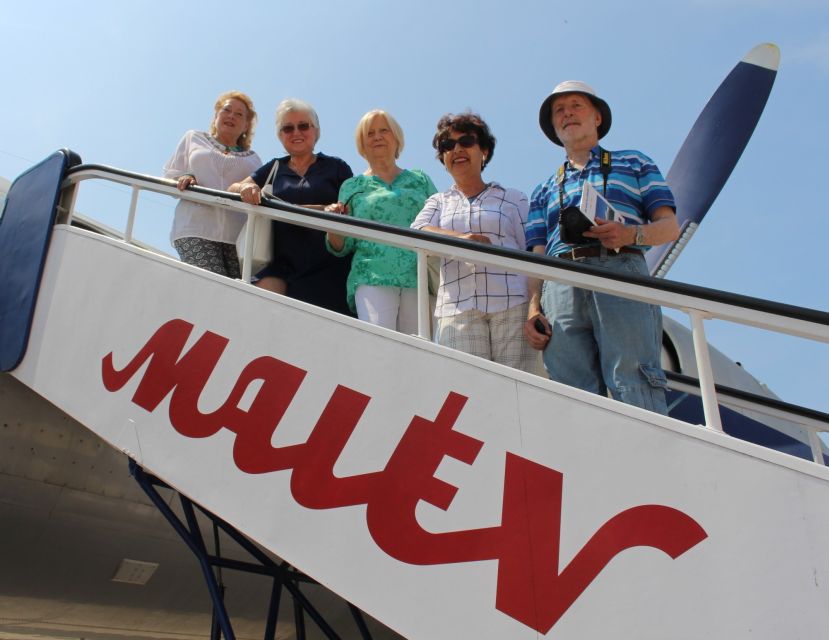
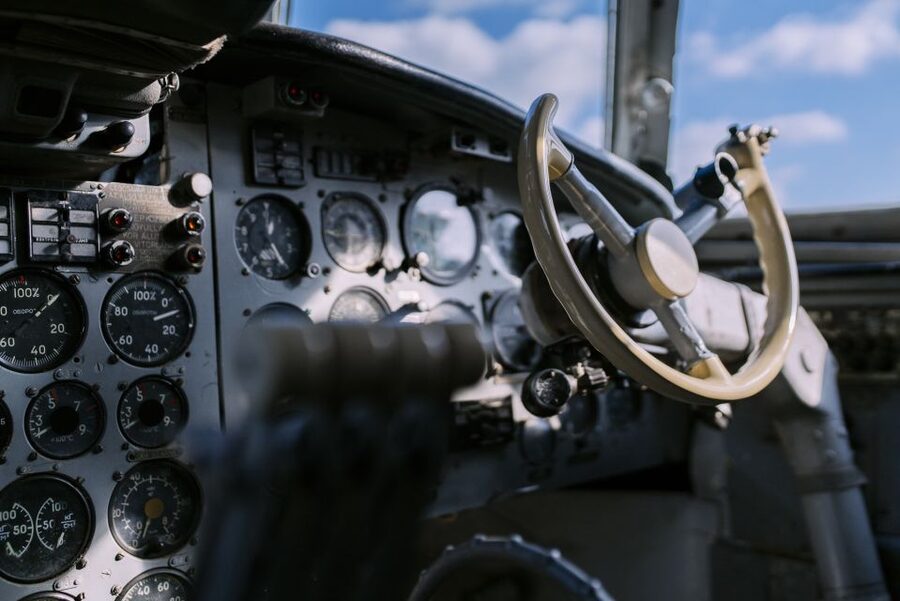
The best part for many people is the cockpit experience. The museum encourages you to climb up the stairs and take a seat in the cockpit area. It is a playful moment, but it also teaches, because it puts you in the place where decisions happen.
You also get a chance to pretend you are flying across the imaginary globe. That small piece of storytelling turns a static aircraft into something with motion and purpose. You start thinking about instruments, visibility, and the physical workload of piloting.
Even if you do not know aviation terms, you can still get a lot out of it. Sit, look around, and let your brain translate the feeling of being in a command seat into what the museum is telling you about flying challenges in earlier years.
One practical tip: wear shoes you can comfortably stand in for a while. You will be moving outdoors and climbing up and down at least a few times, and that comfort matters more than you would think.
A different sort of day out in Hungary:
- Budapest: City Highlights Sightseeing Cruise
★ 4.6 · 43,981 reviews - Budapest: Unlimited Prosecco, Beer and Aperol Spritz Cruise
★ 4.8 · 37,304 reviews - Budapest: Nighttime or Daytime Sightseeing Cruise
★ 4.2 · 21,062 reviews - Budapest: By Night Sightseeing Cruise with Welcome Drink
★ 4.3 · 15,533 reviews
Malév and Tupolevs: How the Museum Makes Cold War Aviation Understandable
A major highlight is seeing Malév aircraft and the Tupolevs tied to Hungarian aviation history. The museum frames them in a way that feels grounded, not academic. You are guided to appreciate the evolution of aircraft and the reality of operating them.
The Tupolevs point is especially interesting because it connects history to something still current. The museum notes that these Tupolevs still fly today, which helps you avoid the common trap of thinking aviation history is fully in the past. It becomes a living thread, where old machines and modern flight culture meet.
The museum also emphasizes how challenging flying once was. The story is not only about aircraft design. It is about the conditions and expectations around air travel when it was a luxury for many.
That angle makes the visit feel more human. You start imagining not just the hardware, but the experience of passengers and crew who had fewer comforts and fewer assumptions than we do now.
What the Interactive Exhibits Actually Do for Your Understanding
The Aeropark is built around interactive exhibits focused on aviation, science, and technology. This is not only entertainment. It is a learning bridge.
Instead of throwing facts at you, the exhibits help you build a mental model. You learn what makes aviation work and why aviation evolution happened. Then you walk outside and see how that idea connects to aircraft you can physically approach.
If you enjoy museums where the learning feels earned through active participation, you will probably like this. If you prefer strictly passive museum viewing, you may still enjoy the aircraft themselves, but plan to spend more time on the cockpit areas and the open-air aircraft rather than counting on every exhibit being a deep dive.
Guided Tour With a Pilot: The Best Way to Hear the Real Stories
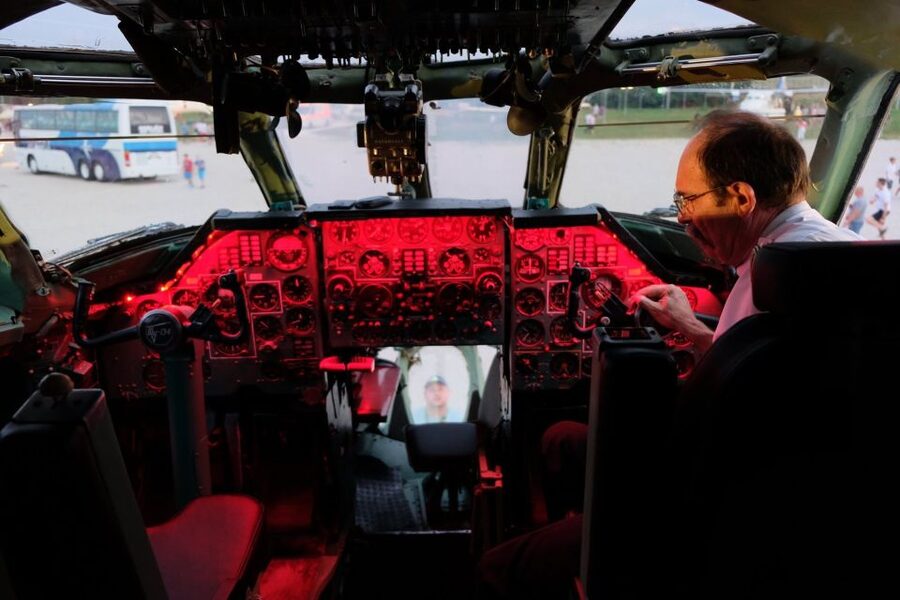
If you can choose the option that includes a pilot, do it. A guided tour with a pilot means you are not only getting museum explanations. You are hearing anecdotes from an experienced aviator who has flown planes on display.
That kind of information adds texture. It turns the exhibits from educational content into lived experience. You tend to ask different questions when someone is standing there who has actually flown those machines or worked in that environment.
This is also the best route if you care about the “why” behind what you see. You will likely get extra context about how operations felt, and how the aircraft and era shaped flight.
I would consider this pilot option especially if you are visiting as a couple or in a small group, because it often changes the pace. You slow down, listen longer, and you remember specific stories rather than only recalling photos.
Price and Value: Is $9 a Smart Spend?
At about $9 per person, the ticket price is hard to argue with, especially for an experience that lasts about 1.5 hours and includes access to the open-air aircraft and the core interactive parts.
For me, the value comes from variety. You get aircraft outside, cockpit time, and learning-style exhibits inside and around the displays. Many attractions with a similar time window focus on one thing. Here you get multiple “modes” in a short visit.
The only add-on that can affect your budget is the simulator. The flight simulator is only in service on weekends and costs an additional €2. If your goal is a full package experience with the simulator, check your dates first so you do not arrive expecting it to be running.
Getting There From Budapest Airport Area: Bus 200E to Repülőmúzeum
This is not a central Budapest walking stop. You want to plan around the route, and the good news is the public transport direction is straightforward.
If you are coming by public transportation, take bus 200E all the way to the terminus, Budapest Airport Terminal 2B. Stay on the bus, then get off at the first stop after the terminus. The name of the stop is Repülőmúzeum.
This matters because it reduces uncertainty. You are not trying to figure out last-mile transfers once you are already near the right area. It also keeps your trip simple if you are starting your day around the airport side rather than downtown.
Who Should Book This Aeropark Ticket
This works best if you want an aviation experience that is physical and memorable. You will probably enjoy it if you like airplanes and you want history tied to real machines.
It is also a strong choice for families. The cockpit element is the kind of moment kids tend to love, and the open-air museum format keeps energy levels up compared with a museum where everything is behind glass.
Consider the pilot-guided option if you want more story and context. It is also a good fit if you have already seen other museum attractions and you want something different in Budapest’s lineup.
And if you are short on time, this is a manageable stop. 1.5 hours is enough for the main experience without turning the day into a marathon.
Should You Book the Budapest Aeropark Admission Ticket
Yes, I would book it if you want a low-cost, hands-on aviation museum with genuine airplane access and a story that focuses on Hungarian aviation evolution. The combination of open-air aircraft, cockpit time, and science-and-tech exhibits makes it more than a simple photo stop.
Book with extra attention to timing if you care about the simulator, since it runs on weekends and costs €2. If you are visiting on a weekday, you can still have a complete experience, but you should expect the simulator to be unavailable.
If you want a simple plan that feels different from typical city museums, this is one of the easiest “worth it” ticket choices around Budapest.
FAQ
What is included in the Budapest Aeropark admission ticket?
Your admission ticket is included. The flight simulator is not included.
How long should I plan to spend at Aeropark?
The visit duration is listed as 1.5 hours.
Is there a guided tour option with a pilot?
Yes. You can choose the guided tour with a pilot option, and the pilot can share anecdotes from their days in the air.
When is the flight simulator available, and how much does it cost?
The flight simulator only runs on weekends, Saturday and Sunday. It is an additional charge of €2.
Where is the meeting point?
The meeting point is Vecsés, Repülőmúzeum, 2220 Hungary.
How do I get there by public transportation?
Use bus 200E all the way to the terminus at Budapest Airport Terminal 2B. Stay on the bus, then get off at the first stop after the terminus, called Repülőmúzeum.
Is hotel pickup or drop-off included?
No. Hotel pickup or drop-off is not included.
Is the experience wheelchair accessible?
Yes, it is listed as wheelchair accessible.
Can I cancel for free?
Yes. You can cancel up to 24 hours in advance for a full refund.
Latest to land in Budapest
- Visegrád Hike & Castle Tour with Ferry from Budapest★ 4.6 · 3 reviews
- Budapest: Vacation Photographer to collect great memories★ 5.0 · 49 reviews
- Trash Art Museum: Hungary’s First Scrap Metal Exhibition★ 4.3 · 72 reviews
- True Crime Walking Tour in the Buda Castle district★ 5.0 · 26 reviews
- Budapest: 3-Hour Trabant Sightseeing Tour★ 4.7 · 28 reviews
- Audio visual multi-sensory chefs journey dinner experience★ 5.0 · 3 reviews
- Private Szentendre and Vac Tour from Budapest with Transport★ 5.0 · 3 reviews
- Wine Tasting in the Countryside from Budapest★ 5.0 · 14 reviews
Budapest Tours, compared.


Unlimited Prosecco, Beer and Aperol Spritz Cruise
Read our review →
Széchenyi Spa Day Ticket with Optional Upgrades
Read our review →

By Night Sightseeing Cruise with Welcome Drink
Read our review →