
Reviewed · WINE TOURS
Budapest: Essentials of Hungarian Wine Tasting Class
Hungarian wine is easier than you think. In Budapest, I like this two hour class because it is sommelier led and it delivers eight wines in one tight flight, turning an unfamiliar wine world into something you can actually picture later.
I also love the way the tasting is paired with real Hungarian flavors, so you taste with your brain and your taste buds. One drawback to keep in mind is the session can feel a bit talk heavy at times, and a few people wished they swapped glasses between whites and reds for an even cleaner taste.
In This Review
- Key highlights you will feel quickly
- Why this tasting is the easiest way to get Hungary into focus
- Finding Taste Hungary near the National Museum is simple
- The evening flow, aperitif to Tokaj aszú
- The aperitif: set the baseline
- Whites: learning through contrasts
- Reds: terroir and style in plain language
- The sweet finale: botrytised Tokaj aszú
- Eight wines chosen to tell a Hungarian story
- Food pairings that feel like part of the lesson
- The hosts make it feel personal, not performative
- Price and value: what $65 really covers
- Practical tips so you enjoy the pouring
- Who should book this class, and who might not
- Should you book the Budapest Essentials of Hungarian Wine Tasting Class?
- FAQ
- How long is the Budapest Hungarian wine tasting class?
- How many wines do you taste during the session?
- Is food included in the tasting?
- Where do I meet for the class?
- What language is the class taught in?
- What is the minimum age to participate?
- Is free cancellation available?
Key highlights you will feel quickly
• Eight wines in a smart sequence that moves from aperitif to whites and reds, ending with sweet Tokaj aszú
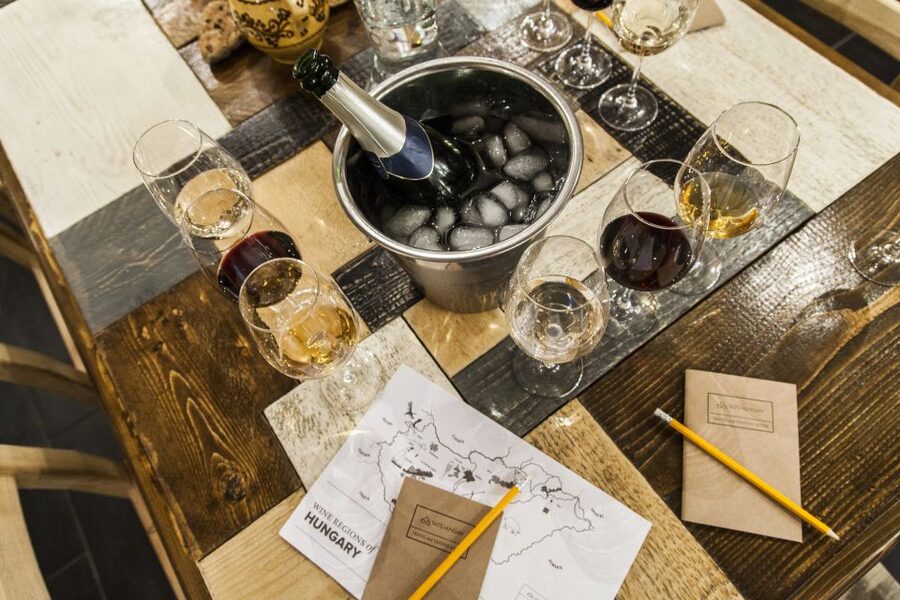
• Tasting sheets plus a map of Hungarian wine regions, so your notes have context
• Direct-from-producer buying is part of the concept, so the wines are meant to explain the story, not just impress
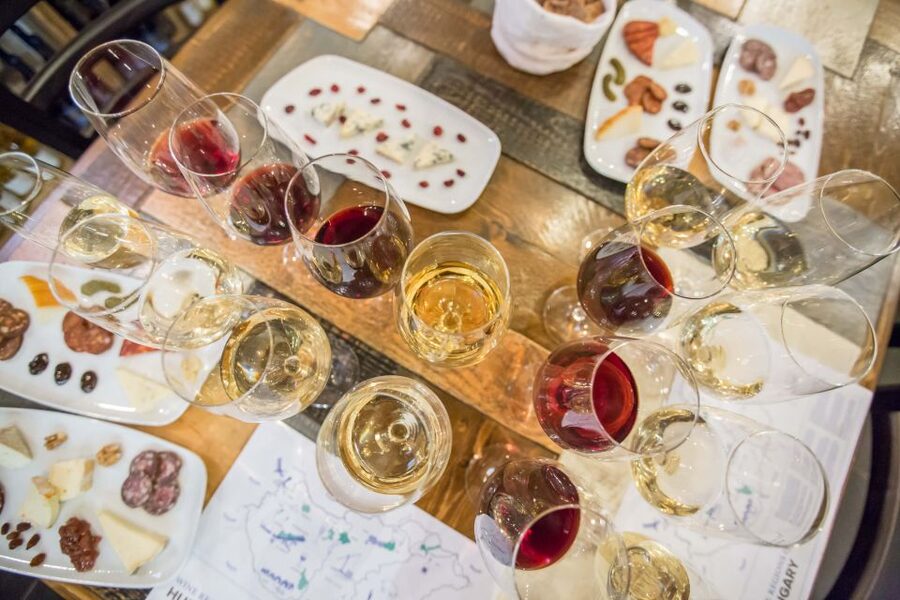
• Food pairings that are Hungarian, with cheese and charcuterie style boards built for the pour
• A friendly small-group vibe, where questions and conversation usually fit between tastings
• Hosts with real range have included Somali, Tomas, Sam, Christian, Sebastian, Nikki, Carlos, and John
Why this tasting is the easiest way to get Hungary into focus
Budapest already has enough distractions. So I appreciate that this experience stays focused on one goal: help you understand Hungarian wine in a way that feels practical.
You get a true guided tasting, not a random sampling where you only remember the label. You will taste eight wines and learn how they connect to history, regions, grapes, and style. That is the big value here. If Hungarian wine feels mysterious right now, you will leave with a mental map, not just a buzz.
The structure also helps. The evening starts with an aperitif, then works through whites and reds, with the tasting ending at the sweet end of the spectrum. The finale is botrytised Tokaj aszú, which is exactly the kind of wine that makes people sit up and pay attention.
More Food Tours in Budapest:
- Budapest: Unlimited Prosecco, Beer and Aperol Spritz Cruise
★ 4.8 · 37,304 reviews - Budapest: Unlimited Prosecco, Beer & Aperol Spritz Cruise
★ 4.5 · 3,371 reviews - Budapest Food Walking Tour: Eat, Sip & Explore Like a Local
★ 4.8 · 1,027 reviews
Finding Taste Hungary near the National Museum is simple
Meeting point is at Taste Hungary, Bródy Sándor utca 9, District VIII (1088 Budapest). It is about a five minute walk from Astoria (M2) and Kálvin tér (M3), and it sits roughly 150 meters from the National Museum.
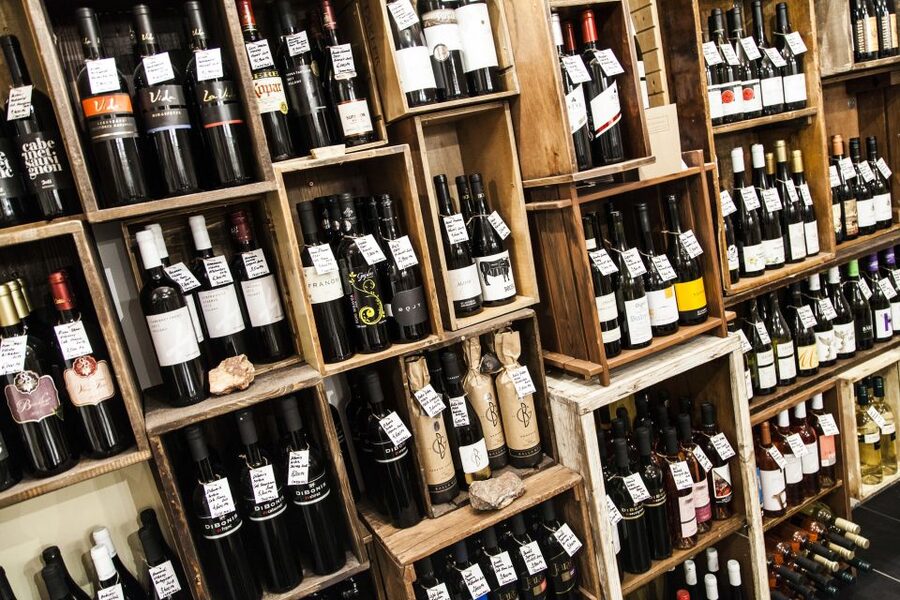
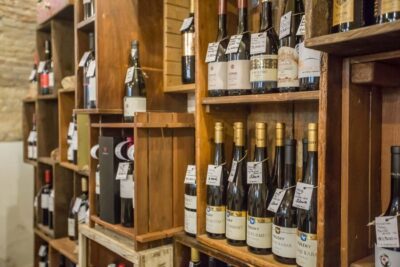
The venue itself matters more than you might expect. Reviews mention a charming shop setting and even a brick arched wine cellar feel, which turns a classroom into a wine tavern mood. That matters because you will be tasting for two hours. A comfortable room keeps the evening from feeling stiff.
You will also be around other English-speaking wine fans. One review even notes the group size around ten people, and that format makes it easier to chat without losing the class flow.
The evening flow, aperitif to Tokaj aszú
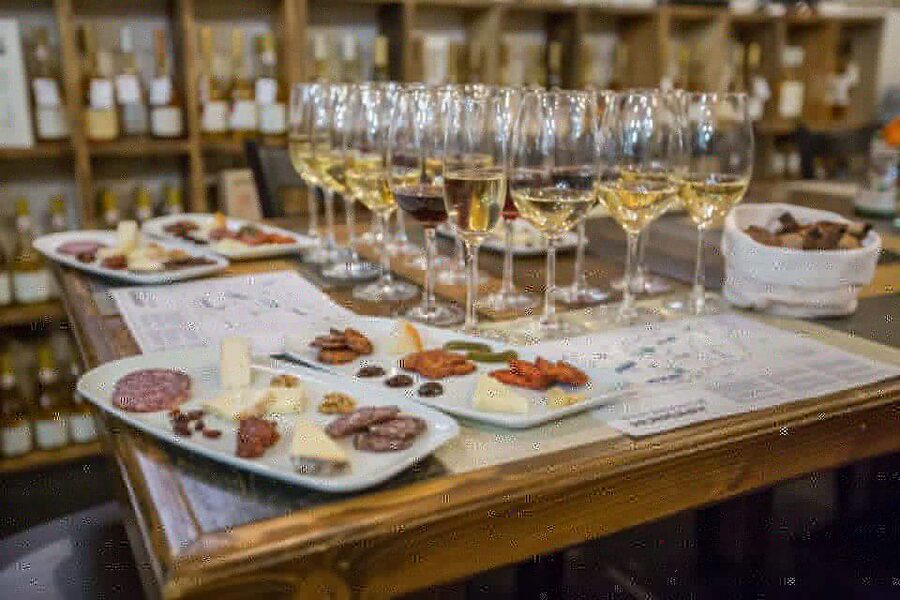
This is the part you will plan around, because the tasting is built like a flight.
The aperitif: set the baseline
You start with a welcome pour that is meant to reset your palate and get everyone on the same page. It also gives the sommelier a quick chance to explain the evening’s rhythm.
Even if you are not a wine geek, this opener helps you pay attention to structure. You learn what to look for next, not just what you are tasting right now.
More Wine Tours in Budapest:
- Countryside Half-day Gastro-Wine Tour from Budapest Meal & pickup
★ 5.0 · 1,450 reviews - From Budapest: Half-Day Countryside Wine Tour with Meal
★ 4.8 · 657 reviews - Budapest: Wine, Cheese, and Charcuterie Tasting
★ 4.9 · 647 reviews - Budapest Cooking Class & Market Tour with Local Guide & Wines
★ 5.0 · 553 reviews
Whites: learning through contrasts
After the aperitif, the session moves through whites. You will taste multiple white wines that are chosen to show differences in regional style and grape personality.
This is where the tasting sheets become very useful. They let you track what changes from glass to glass, so your notes turn into a reference you can use when you are back home.
Some people suggested a refinement: changing glasses between whites and reds could make the transitions even cleaner. So if you are sensitive to flavor overlap, keep that in mind, and just expect a little mixing in the middle of the flight.
Reds: terroir and style in plain language
Next comes reds, and that is where you usually learn the most about Hungary as a wine country. The goal is not to memorise jargon. The goal is to understand why a wine tastes the way it does.
You will get explanations of Hungarian wine regions, plus how soil and climate influence the character. Several hosts have been praised for making this feel like storytelling, not a lecture.
The sweet finale: botrytised Tokaj aszú
The evening ends with sweet botrytised Tokaj aszú. This is a big closing act. It is also a smart design choice, because it gives you a clear contrast to the drier wines you tasted earlier.
Tokaj aszú is often considered a signature of Hungary, and tasting it at the end helps you appreciate it as a style, not just a dessert wine you took one sip of.
Eight wines chosen to tell a Hungarian story
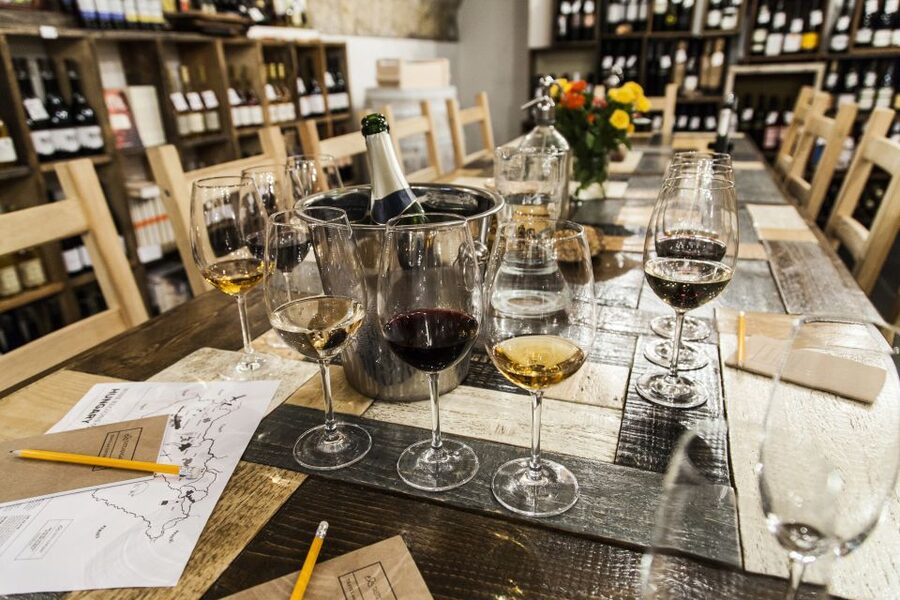
You are tasting eight wines, and the whole point is that each one has a reason. The tasting is designed as a crash course, so it tries to shrink a big country into something understandable.
A key detail: the approach emphasizes wines that the guides have developed relationships with over time and that are often obtained directly from producers. That tends to mean you taste wines that the host can explain well, because they are familiar with where they come from and why they are made that way.
In practice, this means you do not just get eight random pours. You get a guided narrative through Hungarian wine regions and styles, with varietals and characteristics explained as you go.
One review also mentions tasting unfamiliar grapes and highlights a Cabernet Franc example. If you are hoping for an intro to grapes you do not see every day in Europe, that is exactly the kind of surprise this class is set up to deliver.
Food pairings that feel like part of the lesson
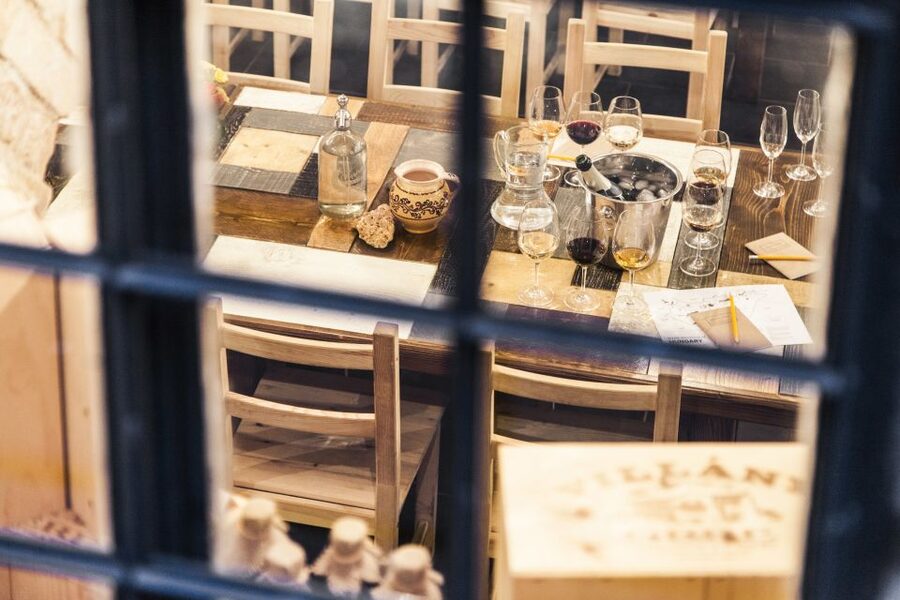
A tasting like this works or fails based on food. Too often, food is just there to be polite. Here, the food pairings are part of the tasting plan.
You will have food pairings made with local Hungarian flavors, including cheese and charcuterie boards. Several reviews call out generous boards, and at least one mentions extra items like bread and pumpkin seed oil alongside cheeses.
That pairing approach is practical. Hungarian cheeses and cured meats can handle a wide range of wine styles, so you learn what happens when fat, salt, and spice meet acidity, tannin, or sweetness.
Also, because it is set up like a wine tavern evening, the food helps the group loosen up. You are more likely to ask questions, trade notes, or compare what you taste when you have something to eat between pours.
If you feel snack hungry, bring that expectation. One review asked for more munchies with the wines, so if you like a fuller dinner feel, plan to have a real meal after.
The hosts make it feel personal, not performative
The single most praised part is the hosting. You will hear a mix of wine expertise and Hungarian context, delivered in English.
Multiple hosts are named in feedback: Somali, Tomas, Sam, Christian, Sebastian, Nikki, Carlos, and John. The common theme is the same. The sommelier stays engaging and friendly, and the explanations connect history and regional character to what is in your glass.
I like this kind of teaching because it gives you two benefits. First, you learn. Second, you learn how to think about wine without needing a degree.
Some sessions sound especially social, with time to meet others and talk after each set rather than constant lecturing. One person even mentioned the host staying after others left for extra conversation, which is a sign the team actually likes the work.
Price and value: what $65 really covers
At $65 per person for two hours, you are not just paying for wine. You are paying for a full guided structure: eight wines, mineral water, food pairings, and tasting sheets with a map.
That combination is the value. If you tried to recreate it on your own, you would likely spend similar money on wine alone and then you would still be missing the regional context and the food pairing logic.
Also, if you end up loving a bottle, the experience can feed directly into shopping. One review mentions a discount at the shop on wines tasted, which makes this class function as both an education and a tasting menu for future purchases.
One more practical value point: the format is designed for both newbies and wine-minded people. If you are brand new, you get the basics. If you already like wine, you still get enough structure to compare regions and styles in a way that feels organized.
Practical tips so you enjoy the pouring
This is an adult evening. The legal drinking age in Hungary is 18, so participation is for adults 18 and up.
You should also plan your night with the reality that you will be tasting eight wines. Reviews mention generous pours, and one person joked about getting very tipsy. That is not a reason to avoid the class. It is a reason to pace yourself.
Here are a few tips that keep it fun:
- Use the tasting sheets immediately, not later. You will remember more if you write while the facts are fresh.
- Eat the food, especially at the start. It smooths the experience and helps you taste more clearly.
- If you are sensitive to strong flavors, take small sips and step through each explanation at your own pace.
- If you want more quiet learning time, choose the earlier part of the room and focus on your notes. The group energy can get lively.
Who should book this class, and who might not
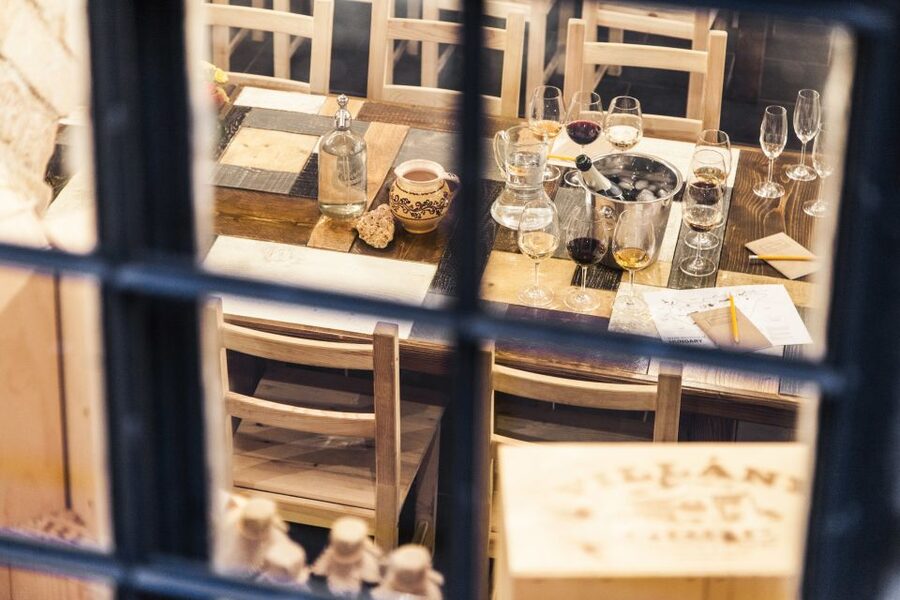
You should book this if:
- You want a Budapest wine tasting that explains Hungarian wine in plain terms
- You like the idea of tasting eight wines plus Hungarian food in one evening
- You want a guided plan instead of wandering into a bar and guessing what to order
You might think twice if:
- You hate any kind of structured lecturing, because the host does talk while guiding tastings
- You want only the lightest snack experience, since the food is paired but some people wish for more food volume
If you are traveling solo, this can still work well because the group format supports conversation. One review specifically praised that setup for solo travelers finding a good group.
Should you book the Budapest Essentials of Hungarian Wine Tasting Class?
I think it is a strong choice if your goal is to leave Budapest with a real sense of Hungarian wine, not just a couple of bottles in your bag.
At $65 for eight wines, plus food and a region map you can take home, the value is clear. The hosting is consistently praised by name, and the flight ending with Tokaj aszú gives the evening a memorable finale.
If you are the type who learns best by tasting while someone explains what you are tasting, book it. If you prefer self-guided wandering with no instruction, you may want a different kind of wine evening. For most people who want a fun, structured start to Hungarian wine, this one makes the case quickly.
FAQ
How long is the Budapest Hungarian wine tasting class?
It lasts two hours.
How many wines do you taste during the session?
You taste eight Hungarian wines, starting with an aperitif, moving through whites and reds (and perhaps rosé), and ending with a sweet botrytised Tokaj aszú.
Is food included in the tasting?
Yes. You get food pairings with local Hungarian flavors, along with mineral water.
Where do I meet for the class?
Meet at The Tasting Table Budapest, Bródy Sándor utca 9, 1088 Budapest (District VIII), about 150 meters from the National Museum. It is a short walk from Astoria (M2) and Kálvin tér (M3).
What language is the class taught in?
The class is offered in English.
What is the minimum age to participate?
The legal drinking age in Hungary is 18, so participants must be 18 or older.
Is free cancellation available?
Yes. You can cancel up to 24 hours in advance for a full refund.
Latest to land in Budapest
- Visegrád Hike & Castle Tour with Ferry from Budapest★ 4.6 · 3 reviews
- Budapest: Vacation Photographer to collect great memories★ 5.0 · 49 reviews
- Trash Art Museum: Hungary’s First Scrap Metal Exhibition★ 4.3 · 72 reviews
- True Crime Walking Tour in the Buda Castle district★ 5.0 · 26 reviews
- Budapest: 3-Hour Trabant Sightseeing Tour★ 4.7 · 28 reviews
- Audio visual multi-sensory chefs journey dinner experience★ 5.0 · 3 reviews
- Private Szentendre and Vac Tour from Budapest with Transport★ 5.0 · 3 reviews
- Wine Tasting in the Countryside from Budapest★ 5.0 · 14 reviews
Wine Tours, compared.
Countryside Half-day Gastro-Wine Tour from Budapest Meal & pickup
Read our review →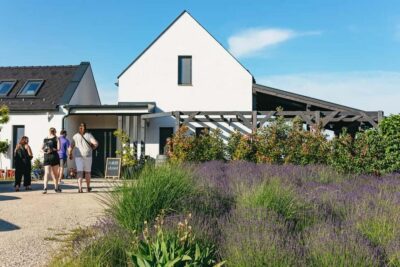
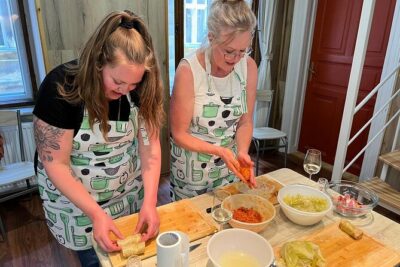
Budapest Cooking Class & Market Tour with Local Guide & Wines
Read our review →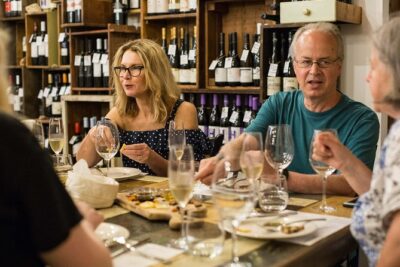
Hungarian Wine Tasting (with Cheese and Charcuterie) in Budapest
Read our review →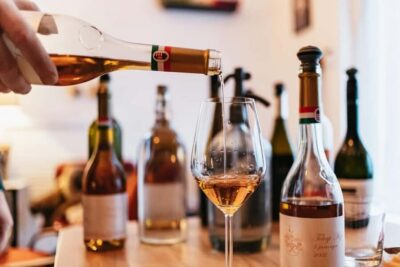
Budapest Food Tour: Market to Tavern with 14+ Tasters & Wines
Read our review →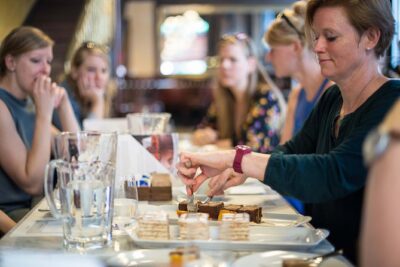
Browse the lists this tour appears in