
Reviewed · COOKING CLASSES
Hungarian Cooking and optional Local Market Tour
Three Hungarian dishes. One afternoon.
I love how this class mixes hands-on cooking with real cultural storytelling, plus a little sipping like palinka. You start at Central Market Hall, and the food you make feels far closer to home cooking than a restaurant meal. The main thing to consider is that the optional market time can feel short if you want to shop slowly or compare lots of stalls.
It runs about 4 hours with a max group size of 15, so you usually get more attention than the big, loud classes. The other watch-out: tell them about allergies or religious needs up front, because options can be limited.
In This Review
- Key highlights I’d plan around
- Meeting at Central Market Hall, and why the start matters
- Chefparade Cooking School: where you go from watching to doing
- The three-course Hungarian menu, built from scratch
- Starter: goulash soup that tastes like it simmered forever
- Main course: chicken paprikash and nokedli, plus a mushroom option
- Dessert: apple strudel, thin pastry and warm cinnamon filling
- If you add the market tour: how to shop like a local
- Wines, palinka, and why the drinks are part of the lesson
- Group size, timing, and what it means for you
- Vegetarian needs and allergy rules, plan ahead
- What you take home: recipes, confidence, and pantry upgrades
- Price and value for a Budapest cooking class around $126
- Who should book this, and who might want a different option
- Should you book this Budapest Hungarian cooking and market tour?
- FAQ
- What is the duration of the Hungarian cooking class in Budapest?
- How much does it cost per person?
- Is the class in English?
- How big is the group?
- What dishes do you cook?
- Is a vegetarian menu available?
- Do I need to share dietary requirements in advance?
- Where does the experience meet and end?
Key highlights I’d plan around
- Central Market Hall start gives you the right food context before you cook
- Three-course Hungarian menu you make from scratch, then eat together
- Small group size (up to 15) for clearer help while you chop, stir, and bake
- Optional market tour that focuses on how locals shop and snack, not just where to walk
- In-class wines and a palinka tasting so you learn the food and the drinks side by side
- Recipe copies to take home, so your Hungarian cooking doesn’t end with the last bite
Meeting at Central Market Hall, and why the start matters
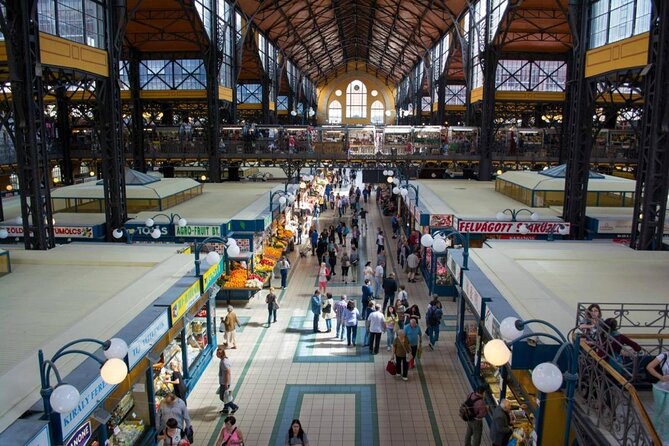
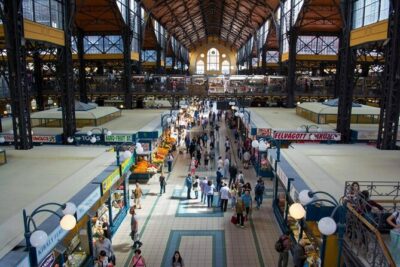
The experience begins at Central Market Hall, in Budapest. That choice is smart, because you are not learning Hungarian food in a vacuum. Before you touch a stove, you see the ingredients that drive the flavors: paprika, peppers, hearty meats, dairy, pastries, and all the little snacks people grab while walking.
If you add the optional local market tour, you also get a guided walk through the rhythm of the place. This is not only about buying souvenirs. It’s about learning what Hungarians actually look for when they are doing a real grocery-style run, including the quick tasting culture you see at market stalls.
Practical note: the market setting is active. Wear comfortable shoes and expect a little standing and walking. If you hate crowds, go in with the mindset that this is a short, focused burst, not a long, wandering shopping day.
More Cooking Classes in Budapest:
- Budapest Cooking Class & Market Tour with Local Guide & Wines
★ 5.0 · 553 reviews - Premium Hungarian Home Cooking Experience with Chef Marti
★ 5.0 · 169 reviews - Budapest: Small-Group Cooking Class & Market Tour with Local
★ 5.0 · 138 reviews
Chefparade Cooking School: where you go from watching to doing
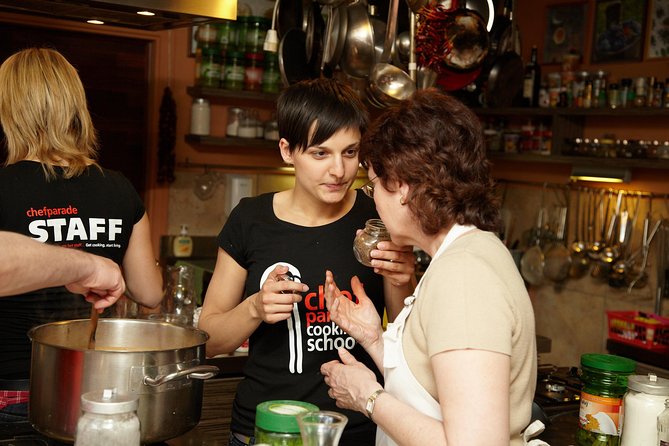
After the market portion, you head to the Chefparade Cooking School, in either Buda (Bécsi street 27) or Pest (Páva street 13). The class ends back at the starting area, so you are not stuck solving transportation on your own at the end.
What makes this feel worth it is the structure: you cook, bake, and then eat what you made, in about 3 to 4 hours total. That time is tight enough to feel like a real workshop, but long enough for you to get actual hands-on practice, especially with the classic techniques behind Hungarian comfort food.
A lot of the positive feedback in the experience centers on how instructors keep things organized. Names that come up again and again include Vesna, Brigitte, Bernadette, and Adrienne, with guests praising patience and clear instruction. If you want a class that slows down just when you need it, this is the right style.
The three-course Hungarian menu, built from scratch
You’ll work on a full three-course Hungarian menu, made from the start. The exact plates can vary by group and timing, but the core favorites are very consistent.
Starter: goulash soup that tastes like it simmered forever
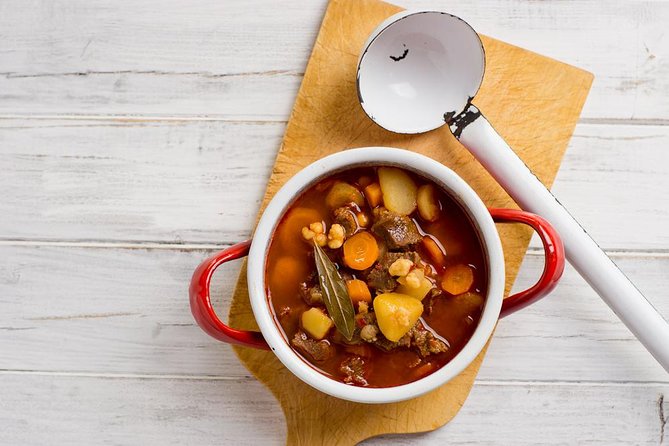
The starter is typically goulash soup, a beef-and-vegetable style bowl that is thick, warming, and intensely paprika-forward. Goulash in Hungary is not about light flavors. It’s about depth, and you can feel the logic as you cook it: build the base, let the vegetables soften, and treat paprika like the main ingredient, not a garnish.
This starter matters because it sets the flavor template for the rest of the meal. When you taste it, you understand why Hungarian sauces are so comforting.
More Market Tours in Budapest:
- Budapest Food Tour: Market to Tavern with 14+ Tasters & Wines
★ 5.0 · 434 reviews - Budapest: Food Tour Market to Tavern: 14+ Tasters & Wines
★ 4.9 · 375 reviews - German tour: Central Market Hall of Budapest with tastings
★ 4.9 · 164 reviews - German tour in the Market Hall of Budapest with tastings
★ 4.9 · 84 reviews
Main course: chicken paprikash and nokedli, plus a mushroom option
For the main, you’ll typically make chicken paprikash paired with nokedli (the dumpling side), and some departures include spatzle-style dumplings made fresh. Paprikash is creamy and gently spiced, with that signature Hungarian taste that comes from paprika cooked into the sauce.
There is also a mushroom paprikash option, a creamy stew approach that keeps the same paprika-sauce comfort vibe but swaps the protein. This is a good choice if you want something vegetarian-friendly from the menu without making you rethink the whole concept of the dish.
Either way, the dumpling component is where you will feel the technique. You are not just following steps. You are learning how dough or batter should behave so it turns out tender, not tough, and not undercooked.
Dessert: apple strudel, thin pastry and warm cinnamon filling
Dessert is apple strudel, with thin phyllo-style pastry and apple-cinnamon filling. Even if you have made desserts before, strudel is one of those recipes that rewards hands-on teaching. You learn the small moves that keep the pastry from turning stiff or soggy.
Several guests also mentioned being able to take extra strudel home. That makes the class feel like more than just a meal, because you get something practical for later.
If you add the market tour: how to shop like a local
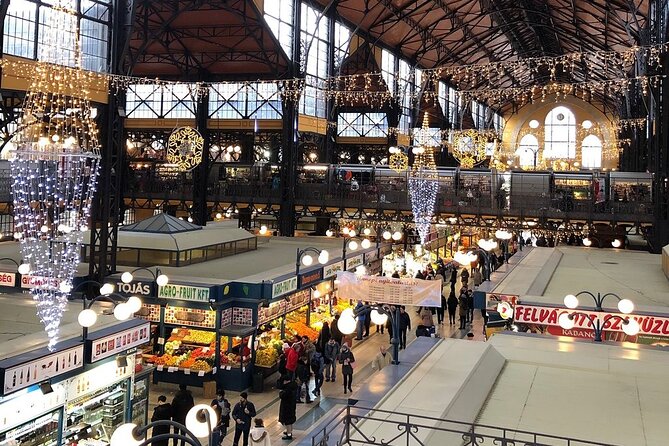
The optional Central Market Hall market tour is designed to show you the market-walking atmosphere. That means you are not only looking at shelves. You are learning what people actually stop for, what they taste, and how they make quick decisions when there are many similar-looking options.
You get guided sampling of very Hungarian flavors, and it often includes tastings that help you understand quality differences. One detail that stood out from instructor-led market conversations is the way peppers and paprika flavors can differ from what you might find back home. It’s the kind of knowledge that makes your cooking results better later.
Here’s the consideration: market time can be rushed. If you want to buy spices, smoked paprika, or specific brands, plan to move fast once you spot something you really want. And if shopping is a major priority, come early in the day so you are not relying only on the guided window.
Wines, palinka, and why the drinks are part of the lesson
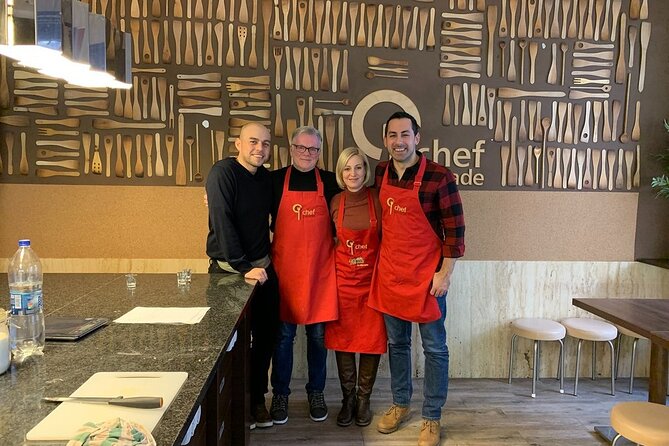
This class pairs cooking with Hungarian wines during the meal prep and tasting, plus a little palinka tasting. That matters because Hungarian food is often sauce-driven, paprika-driven, and comforting. Drinks help you understand balance, and they also make the afternoon feel like a true sit-down Hungarian lunch, not a cooking demo.
You’ll notice the pattern in how meals are served: you cook, then eat everything together, and the drinks keep you in the same rhythm as the food. People who care about gastronomy usually love this part because it connects flavors to what Hungarians drink with them.
Group size, timing, and what it means for you
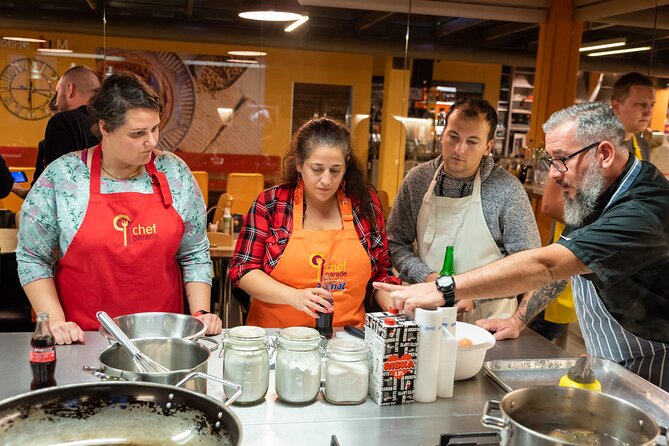
The experience caps at 15 travelers, which is a key value point. In a small group, the instructor can correct technique without repeating the same explanation over and over. It also means the class can feel more relaxed, even though you are cooking multiple dishes in a short window.
Timing runs about 4 hours total. The market portion, if you choose it, wraps before you get into full cooking mode. That’s why you should treat the class like a half-day mission: arrive ready to cook, and don’t treat it like an open-ended shopping spree.
One more timing reality: you will likely share the work for the class menu, so everyone gets active moments rather than just watching one person cook one dish. That hands-on approach is a major reason so many people recommend it.
Vegetarian needs and allergy rules, plan ahead
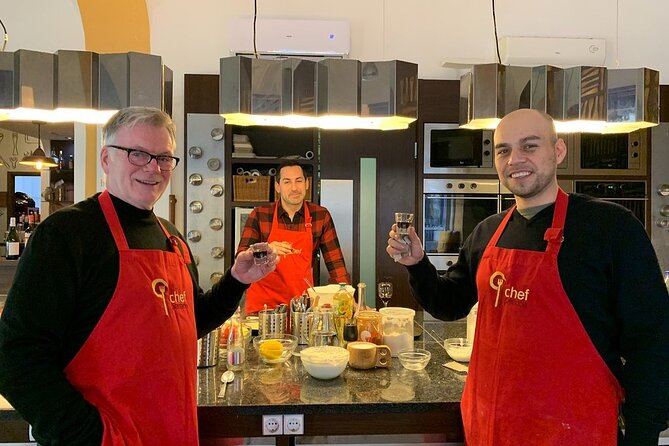
There is a vegetarian menu available upon request, but allergies and religious dietary restrictions may have limited options. The best move is simple: specify your needs at booking.
If you have a serious allergy, it is worth being extra clear about what to avoid and how strict the kitchen can be. With recipes that include specific ingredients, you want accurate adjustments, not guesswork on the day.
What you take home: recipes, confidence, and pantry upgrades
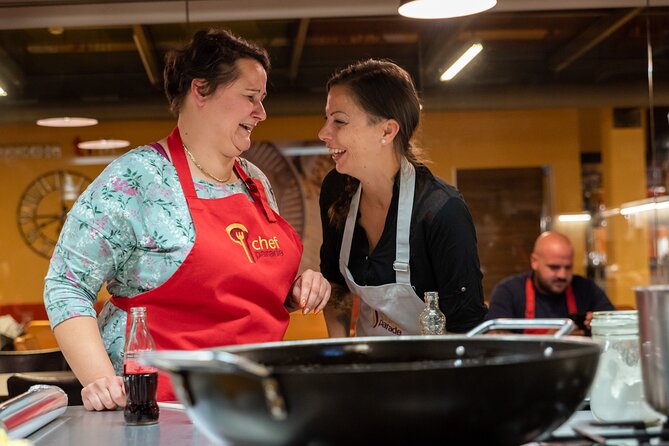
You do not just leave full. You leave with recipes you can repeat at home. Multiple instructors have been praised for explanations that focus on technique, not just memorizing steps. That is what helps you recreate chicken paprikash sauce texture and strudel pastry results, even if your kitchen setup is different.
People also mention buying Hungarian ingredients on site, like paprika and condiments, so you can recreate the flavor profile later. If you go this route, treat the market portion like your chance to stock the “make it taste Hungarian” items, not just generic groceries.
Price and value for a Budapest cooking class around $126
At $126.98 per person for about 4 hours, the value depends on what you want from Budapest.
If you want a real skill lesson plus a full meal, this price is easier to justify. You are getting:
- a three-course menu made from scratch
- hands-on instruction in a small group
- wines and palinka tasting as part of the meal flow
- recipe material to use later
If you only care about eating, you can find cheaper options in Budapest. But if you want something you can recreate, this is closer to a food workshop than a restaurant ticket.
One caution on value: make sure you understand what your booking includes regarding any extras, like transport back to a specific starting point, an apron, or a cookbook. Some bookings appear to offer different add-ons, and it can affect how smooth your day feels.
Who should book this, and who might want a different option
This cooking and optional market experience is best for you if:
- you want Hungarian comfort food done the real way, not simplified
- you like learning by cooking, with clear steps and a patient instructor
- you enjoy markets, even if only for a short, guided burst
- you want a memorable food-focused activity before or during sightseeing
It may be less ideal if:
- you hate guided tours and want total freedom to shop at your own pace
- you have strict allergies and cannot be flexible with substitutions
- you expect a slow, leisurely market day rather than a timed workshop
Should you book this Budapest Hungarian cooking and market tour?
I’d book it if your goal is to leave Budapest with actual cooking confidence and flavors you can recreate. The strongest reasons are the consistent focus on hands-on work, instructors who stay patient and clear, and a menu that hits Hungary’s best hits: goulash soup, chicken paprikash (with nokedli/dumplings), and apple strudel.
The one decision you need to make is whether the optional market tour time matches your shopping style. If you want to browse and buy carefully, plan to be decisive once you see what you want. If you mainly want context and a food-focused walk, the guided market portion is a great match.
FAQ
What is the duration of the Hungarian cooking class in Budapest?
The experience runs about 4 hours on average.
How much does it cost per person?
The price is $126.98 per person.
Is the class in English?
Yes, it is offered in English.
How big is the group?
The group size has a maximum of 15 travelers.
What dishes do you cook?
You prepare a three-course Hungarian menu that includes goulash soup, chicken paprikash with nokedli (and fresh spatzle-style dumplings), and apple strudel. Mushroom paprikash is also listed as an option.
Is a vegetarian menu available?
Yes, a vegetarian menu is available upon request.
Do I need to share dietary requirements in advance?
Yes. You should specify dietary requirements at the time of booking, and options for allergies or religious dietary restrictions may be limited.
Where does the experience meet and end?
You meet at Central Market Hall, Budapest 1093 Hungary, and the activity ends back at the meeting point. The cooking school is at either Bécsi street 27 (Buda) or Páva street 13 (Pest).
More Shopping Tours in Budapest
- Easy Cooking Class Budapest – with Market Walk (local wine & pálinka included)
★ 5.0 · 62 reviews - Budapest Great Market Hall Chef‑Led Private Tasting Tour
★ 5.0 · 61 reviews - Budapest Market Tour & Home Cooking Class with local Chef & Guide
★ 5.0 · 23 reviews - Budapest Grand Market Tasting Tour – Small Group & Local Guide
★ 5.0 · 23 reviews
Latest to land in Budapest
- Visegrád Hike & Castle Tour with Ferry from Budapest★ 4.6 · 3 reviews
- Budapest: Vacation Photographer to collect great memories★ 5.0 · 49 reviews
- Trash Art Museum: Hungary’s First Scrap Metal Exhibition★ 4.3 · 72 reviews
- True Crime Walking Tour in the Buda Castle district★ 5.0 · 26 reviews
- Budapest: 3-Hour Trabant Sightseeing Tour★ 4.7 · 28 reviews
- Audio visual multi-sensory chefs journey dinner experience★ 5.0 · 3 reviews
- Private Szentendre and Vac Tour from Budapest with Transport★ 5.0 · 3 reviews
- Wine Tasting in the Countryside from Budapest★ 5.0 · 14 reviews
Cooking Classes, compared.
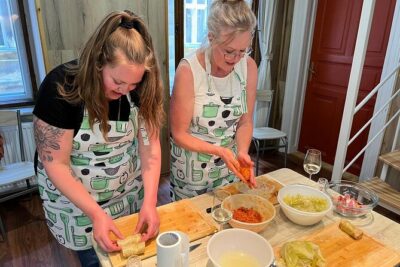
Budapest Cooking Class & Market Tour with Local Guide & Wines
Read our review →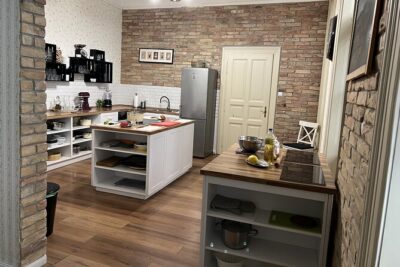
Premium Hungarian Home Cooking Experience with Chef Marti
Read our review →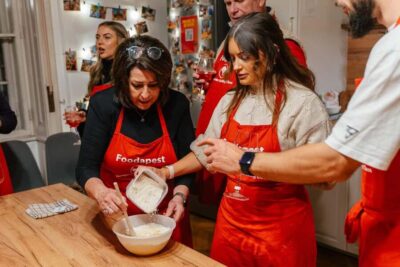
Small-Group Cooking Class & Market Tour with Local
Read our review →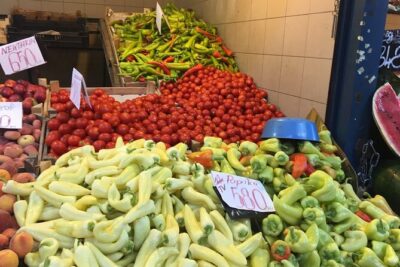
Easy Cooking Class Budapest – with Market Walk (local wine & pálinka included)
Read our review →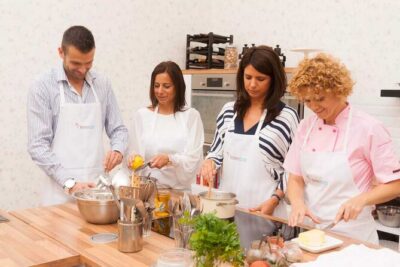
Budapest Market Tour & Home Cooking Class with local Chef & Guide
Read our review →
Premium Hungarian Home Cooking Class with Chef Marti
Read our review →Browse the lists this tour appears in