Reviewed · BUDAPEST TOURS
Private Café Wandering: Excursion through Budapest’s Belle Epoque
Five cafés, one Budapest mood.
This private café wandering tour brings you straight into the Belle Epoque vibe of 19th and early-20th century Budapest, with stops tied to writers, poets, artists, and thinkers. I love the way the cafe interiors are more than backdrops, they’re treated like cultural evidence of how the city once socialized. You start at Vörösmarty tér, then glide through classic rooms with a guide who connects architecture, design, and ideas.
Two things I really like: first, the storytelling comes from a 3-hour private art historian style guide, not a generic script. Second, the route feels smart and varied, with both a tram ride and easy walking between landmark cafés, so you’re not just standing in lines and ticking boxes. One thing to plan for is that refreshments are not included, so your coffee and cake budget will matter.
In This Review
- Key Highlights You’ll Notice Fast
- Belle Epoque Budapest, one cafe at a time
- Your private art historian guide, and why it matters
- Starting at Vörösmarty tér and Café Gerbeaud’s grand welcome
- Tram along the Danube to Central Café’s dignified room
- Museum Café since 1885, tiles by Zsolnay and a guest book you can feel
- Urania Café on Rakoczi street and the link between ideas and seating
- Blaha Lujza tér to New York Café, and why this one gets attention
- Ending at Muvesz Café near the Opera House, coffee and cake with a real sense of place
- Price and value for a private group up to 10
- What to expect from timing, walking, and the pace
- Who should book this Budapest café wandering experience
- Should you book Private Café Wandering in Budapest?
- FAQ
- How long is the private Budapest café wandering tour?
- What is the group size and price?
- Is pickup available?
- Where does the tour start?
- What language is the tour offered in?
- What’s included, and what do I pay for separately?
Key Highlights You’ll Notice Fast
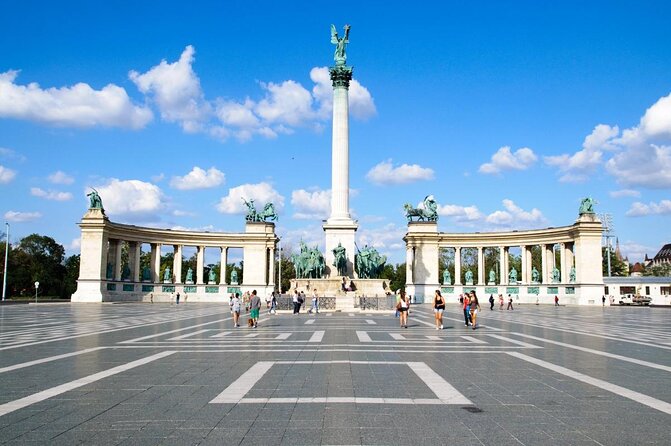
- Private guide with art-historian commentary that ties each café to the people and power of Imperial Budapest
- Five classic cafés in one outing, including Gerbeaud, Central Café, Museum Café, Urania Café, and New York Café
- A tram segment along the Danube, so the tour has motion and changing views
- Museum Café’s guest book tradition and the visual detail of Zsolnay porcelain tile work
- A final sit-down at Muvesz Café near the Opera House, ideal for a sweet landing
Belle Epoque Budapest, one cafe at a time
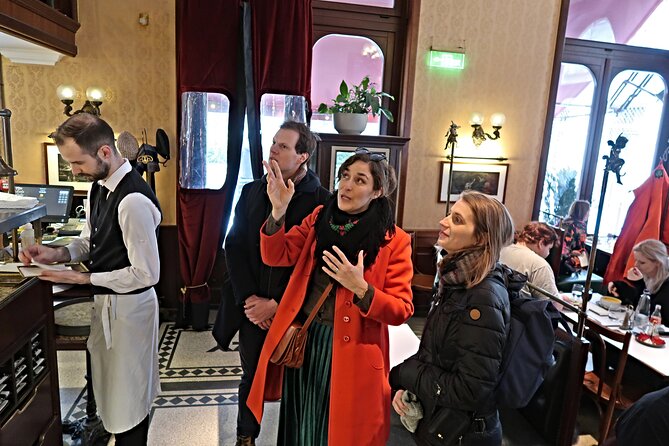
Budapest has a way of making old glamour feel practical. And this tour leans into that idea. You’re not doing a museum marathon. You’re doing something more social: you’re walking into the spaces where people once met, debated, flirted, planned, and created culture.
The heart of the experience is a guided café crawl focused on the city’s golden-age social scene. You’ll see five iconic cafés, each with its own mood, layout, and claim to fame. The best part is that the guide does not treat them like pretty rooms. Instead, you get the cultural context for why these cafés became the city’s meeting points for creative and intellectual life.
A few more Budapest outings worth comparing
- Private Budapest TukTuk Tour: Custom Route, Hotel Pickup
★ 5.0 · 1,307 reviews - Budapest Essentials Private Tour Highlights and Hidden Gems
★ 5.0 · 861 reviews - Budapest Private Tuk Tuk Half-Day Tour
★ 5.0 · 606 reviews
Your private art historian guide, and why it matters
This is a private tour, meaning it’s just you, your group, and your guide. That changes the whole rhythm. You can ask questions, and the commentary can stay personal instead of being rushed through for a crowd.
The tour is designed around an art-historian approach, which shows up in how you notice details. You’re not just told that a place is famous. You’re guided to look at things like interior design choices and decorative materials, then connect them to what was going on in Budapest at the time.
If your guide brings that same energy as Kata did in one of the most highly praised groups, you’ll likely feel the difference right away: informative, generous with time, and able to connect the café to broader city life without making it feel like a lecture.
Starting at Vörösmarty tér and Café Gerbeaud’s grand welcome
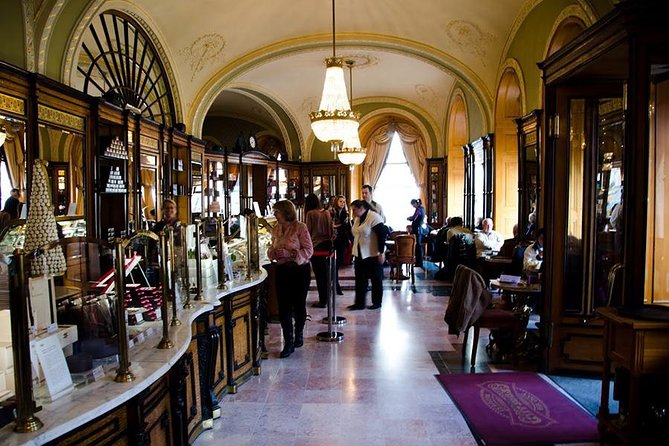
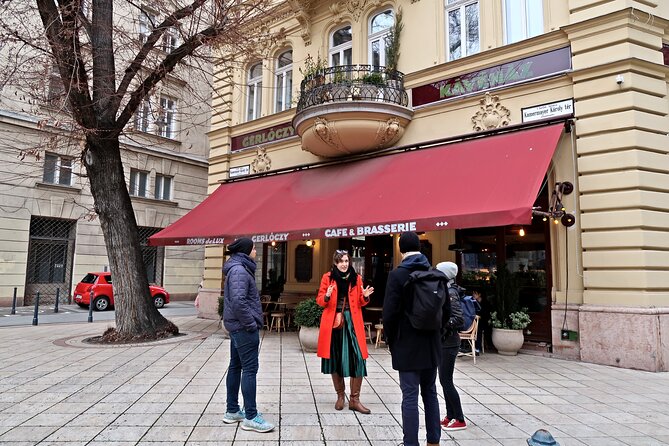
You begin at Vörösmarty tér, right in the city’s center, and the first stop is Café Gerbeaud at Vörösmarty tér 7-8. It’s a fitting start. The café is known for its exquisite interior and for being more than a place to grab something sweet. It functioned as a central social hub in late-19th century Budapest for both locals and visitors.
What I like about leading with Gerbeaud is that it sets the tone fast. You get an early sense of what Belle Epoque café culture was aiming for: status, comfort, and a room that makes meeting feel important. Then your guide builds from there, using the café as a starting point for the tour’s bigger theme, how public spaces became stages for culture.
Practical note: the meet-up is timed so you’re not rushing. Unless you arrange hotel pickup, you meet your guide 15 minutes before the start time at Café Gerbeaud, so you can settle in.
Tram along the Danube to Central Café’s dignified room
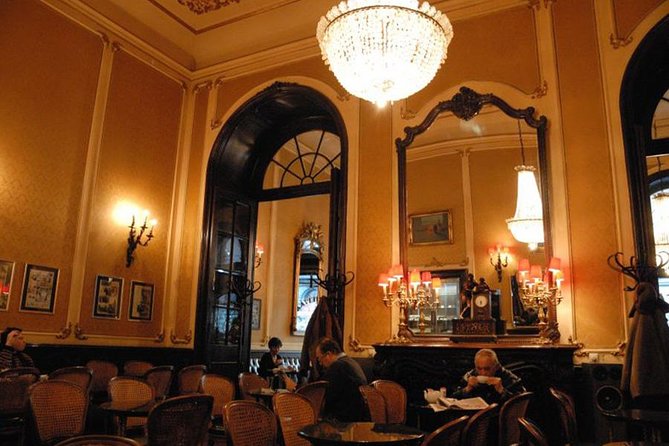
From Gerbeaud, the tour takes you by tram, by the Danube, to the Central Café. This is one of those moments where the tour stops feeling like a list and starts feeling like a city stroll. You get a sense of how these cafés relate to the wider geography of Budapest, with the river acting like a moving backdrop.
Central Café is described as dignified, and you’ll understand what that means when you step inside. This is the kind of space that was meant to signal importance. It epitomizes the café house culture at the pinnacle of the Habsburg Empire’s economic and cultural power.
This segment is also a good reminder that café culture is not only about coffee. It’s about the whole ritual: the decor, the pace, the way meals and desserts fit into social life. Expect plenty of commentary on the room’s atmosphere and how it supported the kind of gatherings that shaped public thought.
A different sort of day out in Hungary:
- Budapest: City Highlights Sightseeing Cruise
★ 4.6 · 43,981 reviews - Budapest: Unlimited Prosecco, Beer and Aperol Spritz Cruise
★ 4.8 · 37,304 reviews - Budapest: Széchenyi Spa Day Ticket with Optional Upgrades
★ 4.3 · 23,911 reviews - Budapest: Nighttime or Daytime Sightseeing Cruise
★ 4.2 · 21,062 reviews
Museum Café since 1885, tiles by Zsolnay and a guest book you can feel
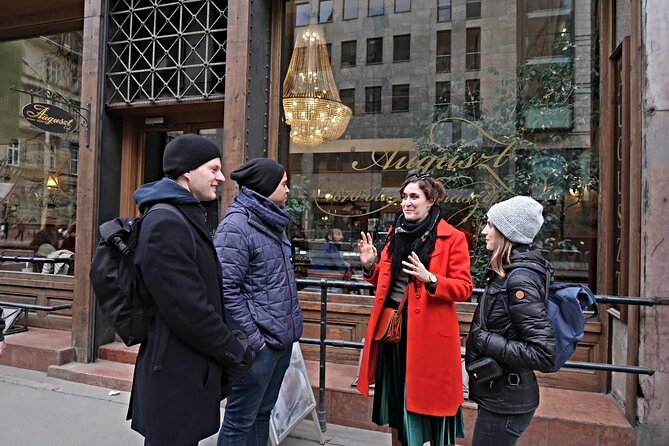
Next comes Museum Café, in operation since 1885. That date alone helps you picture the place as a long-running witness to changing Budapest. But the details make it stand out.
You’ll learn about the guest book tradition, which has names recorded as a historical document. The list includes Members of Parliament, distinguished writers, and famous Hungarian actors. It’s a tangible way to see who showed up when the city had that Imperial-era confidence.
The look of the café is part of the story. The walls are covered in tiles from the world-famous Zsolnay porcelain works. If you like visual history, this is where your guide’s art-historian lens becomes useful. You’re not just seeing decoration. You’re seeing a clue about what materials and design trends signaled quality and culture.
Another standout feature is the grand Venetian mirror from the 19th century. Mirrors in these cafés weren’t random. They were meant to create depth, light, and that feeling of a room expanding beyond its walls. It’s the kind of detail that makes you understand why people treated these cafés like social stages.
Urania Café on Rakoczi street and the link between ideas and seating
After Museum Café, you move on within walking distance to Urania Café on Rakoczi street. Urania has a special angle: it houses the oldest Film Theatre in the city. That makes the café feel like a bridge between older café culture and later public entertainment.
Urania is also famous for lectures by prominent intellectuals before large audiences of Budapest cosmopolitans. So this stop isn’t only about art or design. It’s about how cafés could function as public forums for ideas, with food and drink sitting right alongside conversation and learning.
If you’re the type of traveler who likes understanding how people used their leisure time, this is a great moment. It reframes the café from a passive hangout into a structured cultural venue.
Blaha Lujza tér to New York Café, and why this one gets attention
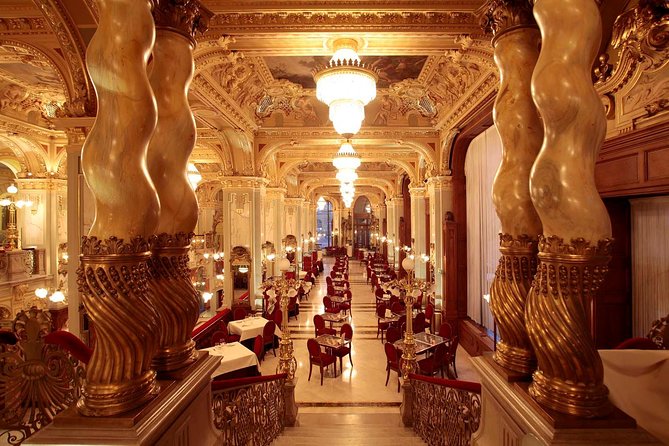
From Rakoczi street, you walk toward Blaha Lujza tér on a big boulevard, then reach your next highlight, New York Café. This is one of those places that tends to get name recognition for a reason. It’s described as one of the most beautiful café houses in the world.
When you enter, pay attention to the sense of spectacle. The building style and interior character communicate money, confidence, and a city that wanted to compare itself to the best in Europe. Even if you’ve never studied Hungarian design, your eyes will pick up what the space is saying.
Your guide’s commentary should help you connect the beauty to purpose. In the Belle Epoque era, cafés were where people went not only to eat, but to be seen, and to participate in the public culture of the time.
Ending at Muvesz Café near the Opera House, coffee and cake with a real sense of place
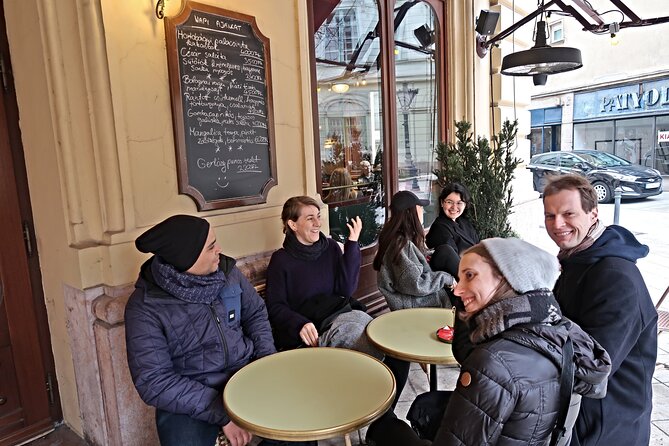
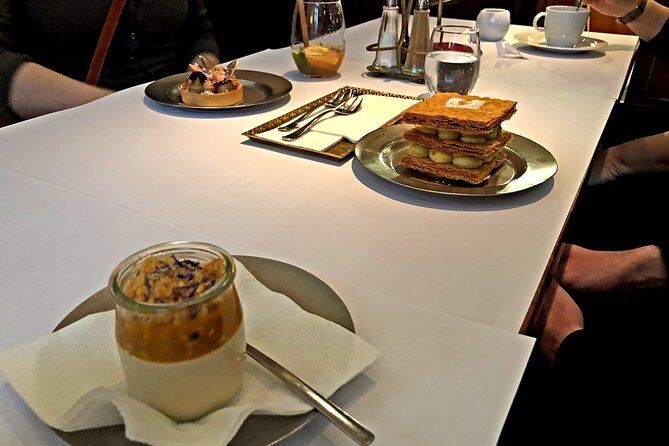
The tour finishes sitting down for coffee and cake at Muvesz Café on Andrassy Boulevard, near the Opera House. This is a smart ending because it slows the whole outing down. After the walking and window-shopping through history, you get to rest and absorb it.
Muvesz Café is known for its connection to performers. It’s near enough to the opera scene that celebrity actors and actresses have been known to patronize the venue during rehearsal breaks from nearby Budapest Broadway.
Even if you don’t spot a famous face, the location helps. Andrassy Boulevard has that grand, ceremonial feel, and Muvesz Café gives you a cozy pocket inside it. It’s a satisfying way to close a tour about social rituals, because you’re literally doing the ritual now, coffee and cake, in a room shaped by the same kind of culture.
Price and value for a private group up to 10
The price is $449.51 per group for up to 10 people, for about 3 hours. That means your per-person cost depends entirely on how many friends you bring.
What makes it feel like good value is that the included portion is not just a walking route. You’re paying for a private guide who provides 3 hours of commentary described as art historian focused. If you split the group cost among a few people, it becomes competitive with other guided cultural experiences, especially because you get five major café stops instead of only one or two.
Two costs to keep in mind:
- Refreshments are not included, so your coffee and cake at the end is on you.
- You’re likely to want to purchase something at more than one stop, since these places are part of the experience.
If you want this to stay budget-friendly, decide ahead of time what you’ll buy. For me, the best strategy is to treat Museum Café and the final Muvesz Café sit-down as your priority, then keep your other purchases light unless something really calls to you.
What to expect from timing, walking, and the pace
This is a 3-hour walk with a mix of walking and a tram ride. The route is built to be doable for most travelers, and it’s designed so you’re not doing long gaps between stops.
Still, it’s a walking tour. Wear comfortable shoes. You’ll be stopping often, but you’ll still cover ground, especially as you move from Rakoczi street toward Blaha Lujza tér and then continue to Muvesz Café near the Opera House.
The other pacing tip is mental. Don’t try to memorize every detail. Let the guide’s narrative give you the pattern. If you take one or two key facts from each café, you’ll end the tour feeling like you understood the theme, not just visited famous names.
Who should book this Budapest café wandering experience
This tour is a great fit if you like:
- Budapest’s Belle Epoque atmosphere and want it explained through real locations
- Art and design, including how materials and interiors reflect status
- A private format where your guide can keep attention on your questions
- Café culture as social history, not just sightseeing
It’s especially good for couples, small friend groups, and travelers who enjoy guided storytelling that brings buildings and rooms to life. If you’re the kind of visitor who wants quick photo stops only, you might feel the time spent listening. But if you enjoy learning while you walk, this tour is made for you.
Should you book Private Café Wandering in Budapest?
I’d book it if you want a structured, high-impact way to experience Budapest’s classic café world. Five iconic cafés in about three hours, a private guide with art-focused commentary, and an ending coffee break near the Opera House is a strong mix.
You should skip or reconsider if you hate paying extra on top of the tour price, since refreshments are not included and you will probably want to order something at least at the end. Also, if you prefer self-guided wandering, you may find the commentary takes over your freedom.
If you enjoy history you can see, smell, and sit in, this is one of the easiest “why didn’t I do this sooner?” experiences in Budapest.
FAQ
How long is the private Budapest café wandering tour?
It lasts about 3 hours.
What is the group size and price?
The tour costs $449.51 per group and is for up to 10 people.
Is pickup available?
Pickup is offered. If hotel pickup has not been arranged, you meet your guide 15 minutes before the start time at the default meeting point, Café Gerbeaud, Vörösmarty tér 7-8.
Where does the tour start?
The start is at Budapest, Vörösmarty tér 7, 1051 Hungary.
What language is the tour offered in?
The tour is offered in English.
What’s included, and what do I pay for separately?
Included is a 3-hour private walk with an art historian through Budapest’s iconic 19th century and early 20th century café houses. Refreshments, cakes, and coffees you select at the cafés are not included.
Latest to land in Budapest
- Visegrád Hike & Castle Tour with Ferry from Budapest★ 4.6 · 3 reviews
- Budapest: Vacation Photographer to collect great memories★ 5.0 · 49 reviews
- Trash Art Museum: Hungary’s First Scrap Metal Exhibition★ 4.3 · 72 reviews
- True Crime Walking Tour in the Buda Castle district★ 5.0 · 26 reviews
- Budapest: 3-Hour Trabant Sightseeing Tour★ 4.7 · 28 reviews
- Audio visual multi-sensory chefs journey dinner experience★ 5.0 · 3 reviews
- Private Szentendre and Vac Tour from Budapest with Transport★ 5.0 · 3 reviews
- Wine Tasting in the Countryside from Budapest★ 5.0 · 14 reviews
Budapest Tours, compared.
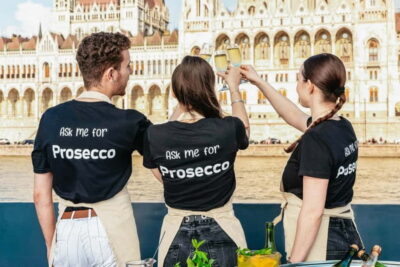
Unlimited Prosecco, Beer and Aperol Spritz Cruise
Read our review →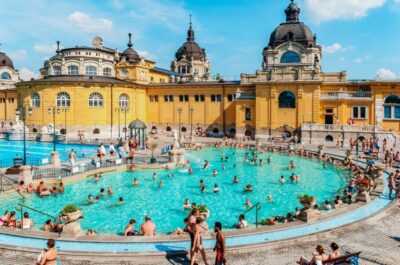
Széchenyi Spa Day Ticket with Optional Upgrades
Read our review →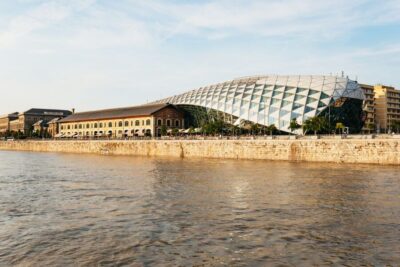

By Night Sightseeing Cruise with Welcome Drink
Read our review →