
Reviewed · BUDA CASTLE DISTRICT TOURS
Buda Castle Walking Tour: A Kingdom of Many Nations
Castle Hill tells stories in layers. This 3-hour walk connects Hungary’s royal eras to today’s skyline, with small-group pacing and nonstop architectural clues. You’ll trace the UNESCO-protected Castle Hill area, from palace façades to Danube lookouts.
I really like the way this route is structured: you get major landmarks without feeling rushed, and your guide keeps the history tied to what you can see. A good part of the fun is the mix of periods, including Mongol-era fortification roots, Renaissance court glamour, Ottoman rule, and later Habsburg influence. One thing to plan for, though: tickets for Matthias Church and Fisherman’s Bastion cost extra, so factor that into your budget.
In This Review
- Key highlights you should care about
- Why Castle Hill feels like a kingdom of many nations
- Price and value: what $126.15 buys you
- Meeting near Hungary’s Parliament, ending at Vienna Gate
- Stop 1 and the first big lesson: Buda Castle District
- Stop 2: the palace as a history timeline, from Mongols to WWII rebuilding
- A quick palate cleanser: discussing how the building’s role changed
- Stop 3: Sándor Palace and what it means that leaders live here
- Stop 4: Matthias Church, the ticket choice you should plan for
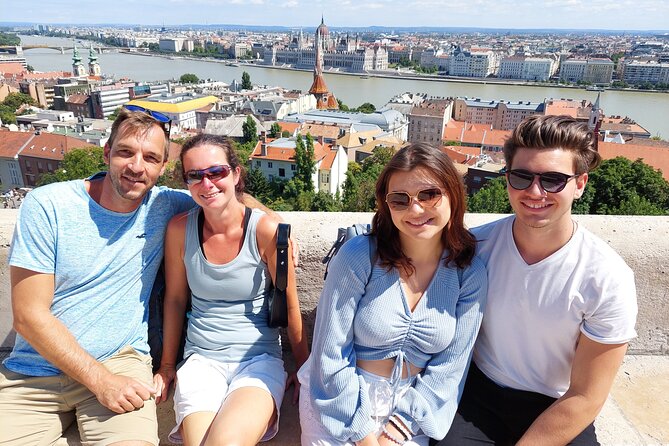
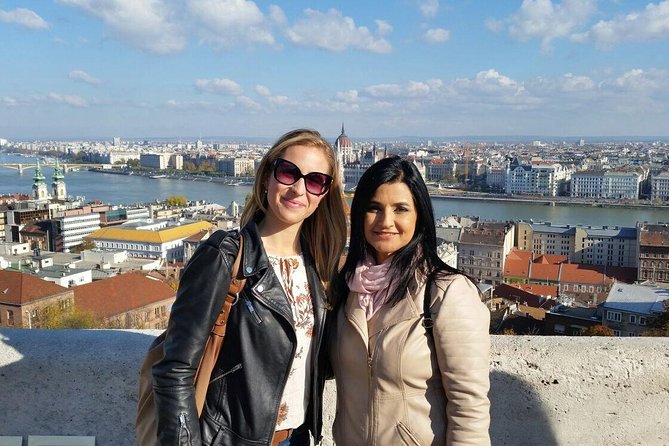
- Stop 5: Fisherman’s Bastion and the Danube panorama that ends arguments
- Stop 6: Vienna Gate, Obuda, and the Roman city of Aquincum
- The guides make or break it, and the names show the pattern
- Who should book, and who might want a different plan
- Should you book the Buda Castle Walking Tour?
- FAQ
- How long is the Buda Castle walking tour?
- How much does the tour cost?
- What group size is this tour?
- What languages are offered?
- What is included in the price?
- Is hotel pickup and drop-off included?
- Are Buda Castle, Matthias Church, and Fisherman’s Bastion tickets included?
- Where do you meet and where does the tour end?
- Does the tour run in the morning or afternoon?
- Can I cancel for a full refund?
Key highlights you should care about

- Max 6 people per booking, so questions get answered and pace stays human.
- UNESCO Castle Hill walk, where you can read history on streets and building styles.
- Matthias Church exterior first, then choose ticketed time for the interior.
- Fisherman’s Bastion viewpoints with Danube views over Pest and Gellért Hill.
- President’s residence stop at Sándor Palace, a real living-government landmark.
- Finish at Vienna Gate, with a sightline toward Obuda and Roman Aquincum.
Why Castle Hill feels like a kingdom of many nations
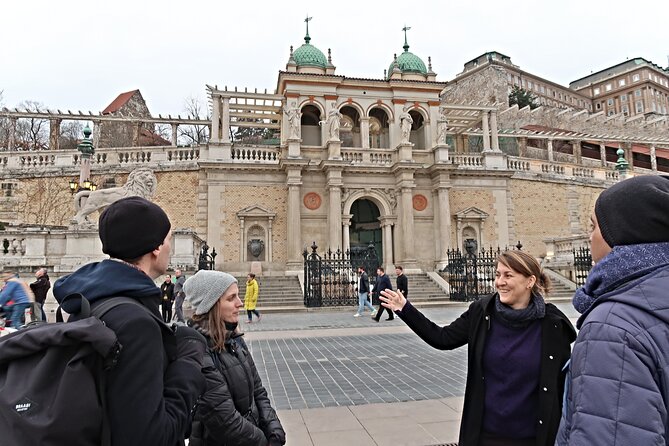
Budapest’s Castle Hill is the kind of place where the stones do the talking. One minute you’re staring at Gothic and Baroque-looking façades, the next you’re hearing how rulers changed the building’s purpose over centuries. The whole district feels like a layered map of who controlled this corner of Europe, and why it mattered.
That’s why the tour works so well for first-timers. You’re not just ticking off sites. You’re learning how one location kept reinventing itself. The castle complex started as royal power, then it shifted roles when empires took over, and it kept getting rebuilt after major damage. When you walk the hill with a guide, those changes stop being abstract and start showing up in the buildings’ styles, materials, and layout.
And you’ll also get practical value: Castle District streets are narrow and cobbled, and the hill involves some walking up and around. A focused route helps you avoid spending your best energy wandering in circles.
More Buda Castle district walks:
- Budapest: Buda Castle Cave Tour
★ 4.7 · 5,677 reviews - Budapest: Buda Castle District Vampires and Myths Night Tour
★ 4.6 · 3,830 reviews - Budapest: Buda Castle Walk with Saint Stephen’s Hall
★ 4.5 · 3,012 reviews
Price and value: what $126.15 buys you
At $126.15 per person for about three hours, you’re paying for two main things: a guided walk plus access to a route that hits the district’s core story points. You are not paying for every paid entry in advance. In fact, some of the most famous spots are there for you to see and then decide about ticketed time.
Here’s the value math that matters:
- Included: the 3-hour guided walk and a professional guide.
- Not included: Buda Castle, Matthias Church, and Fisherman’s Bastion tickets (and the tour specifically notes entrances are at your own expense).
So if your goal is to get the big picture plus the best views, this is a strong deal. If you want full, long interior time in multiple places, you’ll need to budget extra for admissions.
Another plus for planning: the tour offers a mobile ticket, and it’s designed as a small-group experience (maximum six per booking). That usually means fewer distractions and more time spent understanding what you’re looking at.
Meeting near Hungary’s Parliament, ending at Vienna Gate
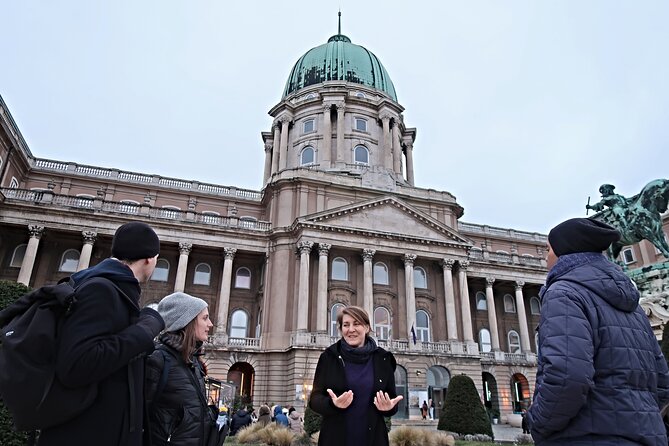
This tour starts at Budapest, Országház u. 31 (1014), near the Hungarian Parliament area. That’s convenient because you can usually reach it by public transport without needing a car or a complicated transfer.
There’s no hotel pickup or drop-off, so show up on your feet. Also, the tour ends in the Castle District area at Vienna Gate. That matters, because you’re not pushed to retrace your steps the whole way back down. It’s a nice way to keep your time efficient.
Timing is also something to plan around. Departures can be morning or afternoon depending on the day, so if you’re the type who wants the best light for photos, check your departure time when you book. If you’re flexible, you’ll be fine.
Stop 1 and the first big lesson: Buda Castle District
You’ll begin in the Castle Hill zone where the district’s oldest quarter vibe is obvious. Expect narrow streets and cobbled paths, and a mix of façade styles that show how the area kept changing hands.
The first landmark is the castle area itself, where two “you can’t miss it” visuals frame your first walking lesson:
- The massive palace on the southern tip of the hill, which carries the heavy presence of royal power.
- The colorful roof of Matthias Church, with a pointed steeple that acts like a visual landmark guiding you through the district.
The key value of this opening stop is that your guide helps you connect appearance to purpose. This is not a random stroll. You’ll learn what the buildings signaled to their rulers and visitors, and why different eras chose different architectural languages.
More Walking Tours in Budapest:
- Big Bus Budapest Hop-On Hop-Off Bus and Walking Tour
★ 3.5 · 2,206 reviews - Budapest: Buda Castle District Walking Tour
★ 4.6 · 2,108 reviews - Budapest City Landmarks Walking Tour in 2 Hours
★ 5.0 · 2,048 reviews - 3-Hour Orientation Walking Tour of Buda and Pest
★ 4.8 · 1,834 reviews
Stop 2: the palace as a history timeline, from Mongols to WWII rebuilding
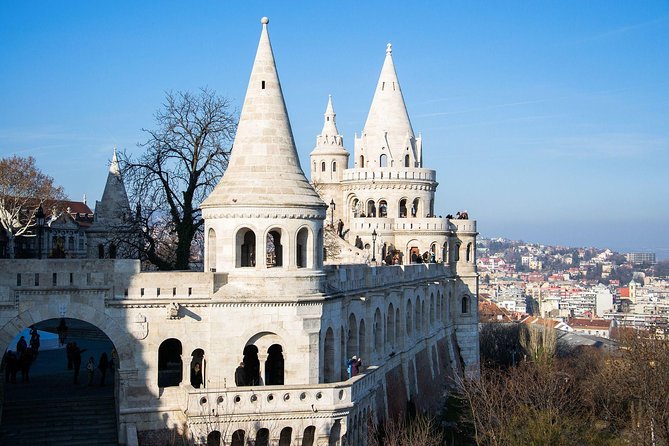
Right after the initial look around the hill, the tour shifts into a clearer story mode. You start at the palace, and the big takeaway is that this place has been rebuilt again and again.
You’ll hear the main historical arc:
- The first major builder on the hill was King Béla IV, who erected a fortress around 1250 after the devastating Mongol invasion.
- In the Renaissance period, King Matthias turned the site into one of Europe’s most famous courts in the late 15th century.
- Then came Ottoman rule, when Turkish pashas controlled Hungary for over 150 years.
- After that, Habsburg emperors followed.
One detail I think you’ll appreciate is how much the palace has been shaped by damage and recovery. The complex was rebuilt, extended, altered, burned down, and rebuilt again. Its current eclectic look is tied to what happened after World War II. When you walk with that in mind, you start seeing “why this looks like that” instead of treating it like one giant, confusing monument.
Practical note: this stop is short compared with the rest of the tour, so if you love architecture, bring your curiosity. Your guide can point out what to look for quickly so you don’t miss the patterns.
A quick palate cleanser: discussing how the building’s role changed

Midway through, there’s a moment built into the route for a focused discussion on the changing function of the buildings over time. That’s not filler. It’s what helps you understand the district’s real theme.
A fortress becomes a palace. A palace becomes something else under new rulers. After wars and rebuilding, the same ground gets reinterpreted again and again. That kind of functional history is what makes Castle Hill feel less like a postcard and more like a working timeline.
This is also where a good guide makes the difference. The tour format leaves room for questions, and guides often adapt to your pace and interests.
Stop 3: Sándor Palace and what it means that leaders live here

Next up is Sándor Palace, the official residence of the President of Hungary and also the seat of the Office of the President since 2003.
A bonus here is that the stop isn’t just political. It also brings you back to architectural context:
- The original palace dates to 1806.
- It was commissioned by Count Vincent Sándor, described as an aristocrat and philosopher in the Austro-Hungarian Empire.
This short stop is valuable because it shows a different layer of “power” than kings and empires. You’re seeing how authority still uses the hill as a symbolic center. Plus, it breaks up the walk so your brain can switch from medieval timelines to present-day relevance.
Stop 4: Matthias Church, the ticket choice you should plan for

Matthias Church is one of the emotional centers of the tour. Externally, it’s all about the decorative roof and the striking silhouette, including the rank steeple pointing skyward. Your guide will connect what you see to the church’s style and reconstruction.
The interior is where the tour’s ticket decision becomes real. Matthias Church is a finely executed Neogothic reconstruction from the end of the 19th century. The tour schedule notes the church is a highlight, and it also notes that the entrance fee is not included.
So how do you decide?
- If you want the roof and exterior views, you can still get a lot without spending more time inside.
- If you care about interiors and want the full “amazing interior” experience the tour promises, budget the additional ticket.
Either way, give yourself a little patience. Churches are quieter spaces, and you’ll likely feel more comfortable if you’re dressed appropriately and keep your questions concise while you’re inside.
Stop 5: Fisherman’s Bastion and the Danube panorama that ends arguments
Then you reach Fisherman’s Bastion, and this is where your eyes get rewarded.
This lookout is an architectural fantasy built between 1895 and 1902, mixing neo-Gothic and neo-Romanesque styles. The seven towers represent the seven Magyar tribes that settled in the Carpathian Basin at the end of the 9th century. That symbolism is worth knowing because it turns the viewpoint into a story, not just a photo stop.
From the terrace, you get a famous panorama:
- The Danube
- Margaret Island
- Pest
- Gellért Hill
Tickets here are also not included, so you’re paying according to your priorities. If you simply want the views and don’t need additional interior access, you can still make the most of the terrace time.
Practical tip: bring your camera habits into the real world. There will be other people. The trick is to pick your angle, shoot a few good frames, then spend a few minutes just looking. That’s when the skyline starts to feel like it has depth instead of just color.
Stop 6: Vienna Gate, Obuda, and the Roman city of Aquincum
The tour ends at Vienna Gate, and the payoff is the long sightline back toward Obuda (Old Buda). This is where the story stretches further than medieval kings.
You’ll learn that the Romans founded the city here, originally called Aquincum. In other words, you finish the tour by zooming out, from recent centuries back to the deep roots of settlement in the area.
This ending works because it doesn’t trap you in one era. It leaves you with a bigger sense of Budapest as a series of layers. You don’t leave thinking only about Matthias or the church. You leave thinking about the hill as a reused platform for civilizations.
The guides make or break it, and the names show the pattern
One of the most consistent strengths of this style of tour is guide quality and pacing. In the tour’s guide lineup, names like Peter, Judith, Gergely (Gregory), Kata, Veronica, Marianna, and Runa come up as examples of guides who do two things well:
- They match the pace to your interests, including slowing down for questions.
- They bring the district’s history to life with clear explanations and patient answers.
Even when you’re not inside a museum, you’ll get more from your time when someone can point at details on the buildings and explain why those details matter. That’s what you want from this tour, because much of the experience happens outdoors, in streets and façades where the story can feel invisible if you’re walking alone.
Who should book, and who might want a different plan
This tour is a great fit if you:
- Want a focused introduction to Castle Hill without getting lost.
- Like architecture that has a story, not just a skyline photo.
- Prefer a small group so your questions actually land.
- Want a single route that covers multiple eras: Béla IV, Matthias, Ottoman rule, Habsburg influence, and the later rebuilding after major conflicts.
You might consider a different tour if you:
- Want lots of time inside multiple interiors and galleries. The tour highlights the exterior and viewpoints, and ticketed admissions are at your own expense.
- Are hoping for a bus-style deep museum day. This is a walking and looking tour, with short stops that keep momentum.
Should you book the Buda Castle Walking Tour?
If your priority is to understand Budapest’s Castle Hill fast and well, I think this tour is an easy yes. The price feels fair for what you get: a guided, small-group route through the district’s key landmarks, with enough time to connect buildings to history without dragging you into a long, exhausting day.
Just plan your budget for Matthias Church and Fisherman’s Bastion tickets if you want the full experience there. And wear shoes you trust on cobbles and hill paths.
FAQ
How long is the Buda Castle walking tour?
It’s about 3 hours.
How much does the tour cost?
The price is $126.15 per person.
What group size is this tour?
It’s a small-group experience, with a maximum of six people per booking, and up to 8 travelers for the activity.
What languages are offered?
The tour is offered in English.
What is included in the price?
You get a 3-hour guided walk with a professional guide.
Is hotel pickup and drop-off included?
No, there is no hotel pickup or drop-off.
Are Buda Castle, Matthias Church, and Fisherman’s Bastion tickets included?
No. Tickets for those sites are not included, and entrance fees are at your own expense.
Where do you meet and where does the tour end?
You start at Budapest, Országház u. 31, 1014 Hungary, and end in Budapest at Vienna Gate.
Does the tour run in the morning or afternoon?
Departure is either morning or afternoon depending on the day.
Can I cancel for a full refund?
Yes, you can cancel up to 24 hours in advance for a full refund.
Latest to land in Budapest
- Visegrád Hike & Castle Tour with Ferry from Budapest★ 4.6 · 3 reviews
- Budapest: Vacation Photographer to collect great memories★ 5.0 · 49 reviews
- Trash Art Museum: Hungary’s First Scrap Metal Exhibition★ 4.3 · 72 reviews
- True Crime Walking Tour in the Buda Castle district★ 5.0 · 26 reviews
- Budapest: 3-Hour Trabant Sightseeing Tour★ 4.7 · 28 reviews
- Audio visual multi-sensory chefs journey dinner experience★ 5.0 · 3 reviews
- Private Szentendre and Vac Tour from Budapest with Transport★ 5.0 · 3 reviews
- Wine Tasting in the Countryside from Budapest★ 5.0 · 14 reviews
Buda Castle District Tours, compared.
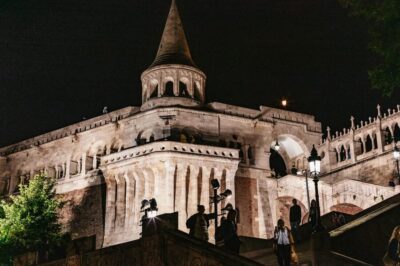
Buda Castle District Vampires and Myths Night Tour
Read our review →
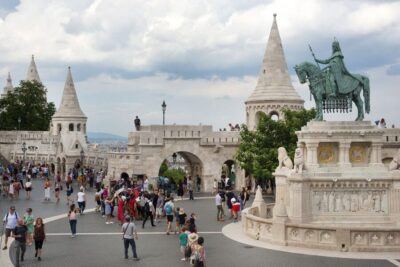

Buda Castle District Dark History, Legends and Vampire Night Tour
Read our review →
Buda Castle District Walking Tour with a Historian
Read our review →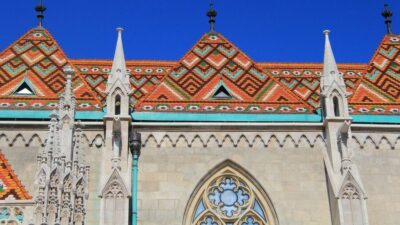

Browse the lists this tour appears in