
Reviewed · DANUBE BEND TOURS
Hungary: Szentendre Retro Design Center Entry Ticket
Szentendre turns time travel into a walk. At the Retro Design Center, you get a warm greeting from a 70s hippie girl, then you’re surrounded by everyday life from Eastern Europe in the 1970s. I really liked that the welcome sets the tone fast, like someone handed you a ticket to a different decade the moment you arrive.
Two things I especially liked were the photo-friendly set of vintage vehicles (yes, you can sit in some) and the way the displays mix big headline items, like the famous Ikarus bus, with smaller objects that make the whole era feel real. One possible drawback: if you’re hoping for a guided tour, the guided part is only in the morning, even though the museum itself stays open later.
In This Review
- Key Highlights You Should Not Rush
- Szentendre’s Retro Design Center: 1 Hour in the 1970s
- The Hippie Greeting, Then You Set Your Mood
- Vintage East Block Vehicles: Where the Photos Really Happen
- Don’t Miss the Polish Market Diorama and Camping Scene
- Communist-Era Toys and Appliances: Small Objects, Big Memory Triggers
- The 70s Apartment Rooms: Living Room and Kitchen
- How to Use the Written Text Without Spending Your Whole Hour Reading
- Timing Tip: The Guided Tour Is Morning-Only
- Who This Works Best For (And Who Might Want Something Else)
- Price and Value: Why $11 Can Feel Like a Bargain
- Should You Book This Ticket?
- FAQ
- Where is the Retro Design Center located?
- How long should I plan for the visit?
- How much does the entry ticket cost?
- What is included with the ticket?
- Is parking included in the price?
- Is there a guide or host during the visit?
- What languages are available for the written guides?
- Can I take photos in front of or inside vehicles?
- Is there a guided tour?
- Is cancellation allowed if plans change?
Key Highlights You Should Not Rush
- The hippie greeting at arrival sets a fun, friendly mood before you even see the exhibits
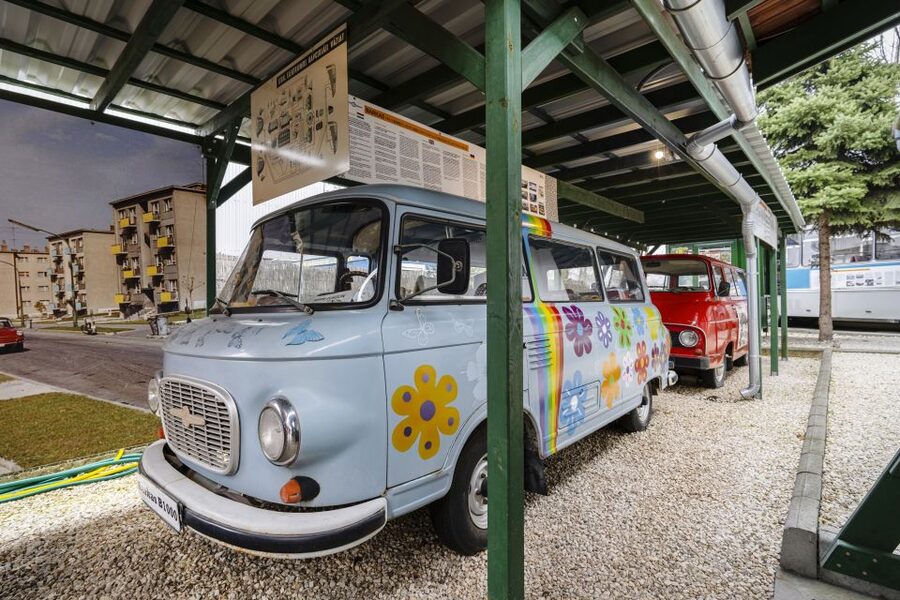
- Sit in retro cars like a Trabant, and a pink Cabriolet Wartburg, plus the stars like the Ikarus bus
- Polish Market Diorama gives you a mini world to study, not just stand in front of
- Communist-era household scenes with toys, TVs, radios, and appliances that feel surprisingly personal
- A 70s furnished apartment where living room and kitchen help you connect the dots quickly
Szentendre’s Retro Design Center: 1 Hour in the 1970s
This is the kind of museum that works best when you let it be what it is: a time capsule you can move through at your own speed. You’re looking at almost 1,000 square meters of exhibits, and the experience is designed for short attention spans too. In about 1 hour, you can see the main rooms and still have enough time to sit in a vehicle, read a few text panels, and take photos.
The location is Central Hungary, and it’s in a smaller town outside Budapest. That matters because you should plan this as a day-trip stop, not an afterthought you fit between appointments.
The price is around $11 per person, which is a fair deal for what you get: a big indoor collection of vehicles, household life objects, and themed scenes. You’re not paying for a single artifact. You’re paying for a whole “feel” of the era.
More Danube Bend trips:
- From Budapest: Full or Half Day Danube Bend Cruises
★ 4.4 · 1,313 reviews - From Budapest: Danube Bend & Szentendre Tour with Lunch
★ 4.1 · 824 reviews - From Budapest: Danube Bend Day Trip in English
★ 4.2 · 499 reviews
The Hippie Greeting, Then You Set Your Mood
The first moment you walk in, you’re greeted by a hippie girl in true 70s style. It’s playful, but it also does something practical. It lowers the barrier of entry. Instead of approaching the museum like a checklist, you start scanning the rooms like you’re meeting the decade halfway.
From there, the museum guides you with clear display layouts and written interpretive text. The text is available in English, German, and Russian, so you can choose what works for you. Even if you only read a few signs, the overall presentation is easy to follow.
If you like museums where the atmosphere helps you understand the objects, you’ll probably enjoy this more than a sterile walkthrough.
Vintage East Block Vehicles: Where the Photos Really Happen
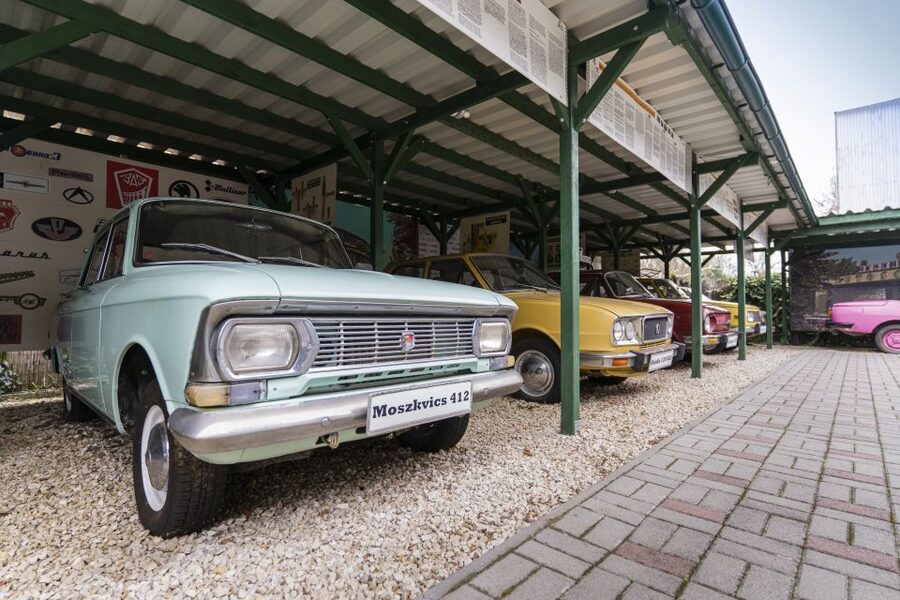
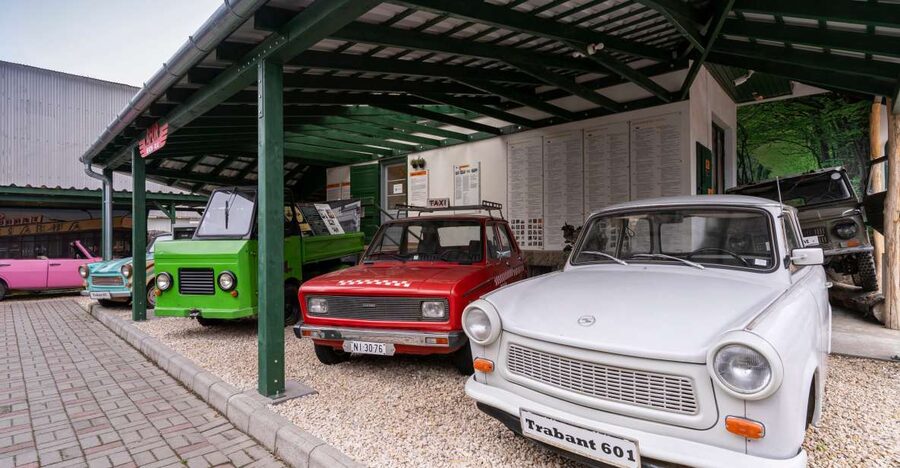
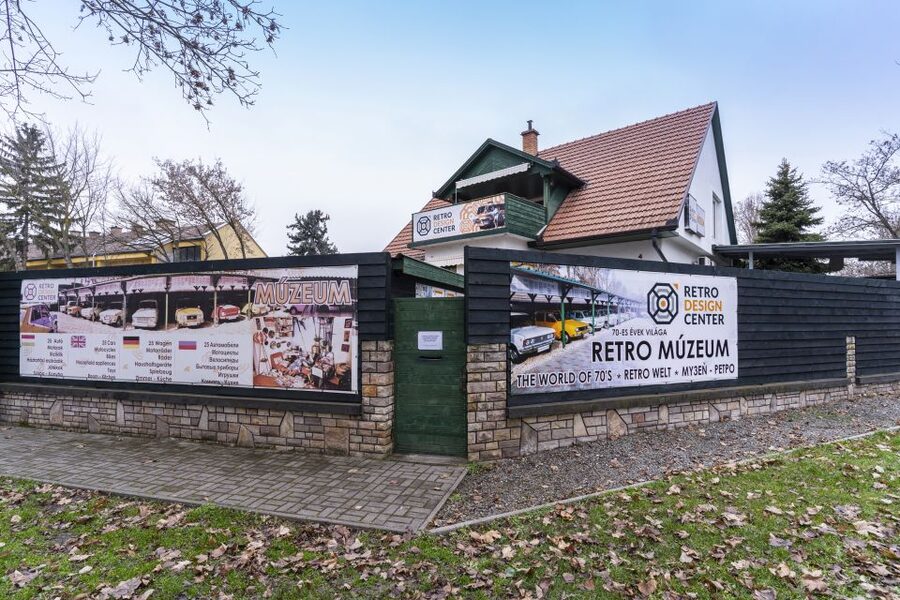
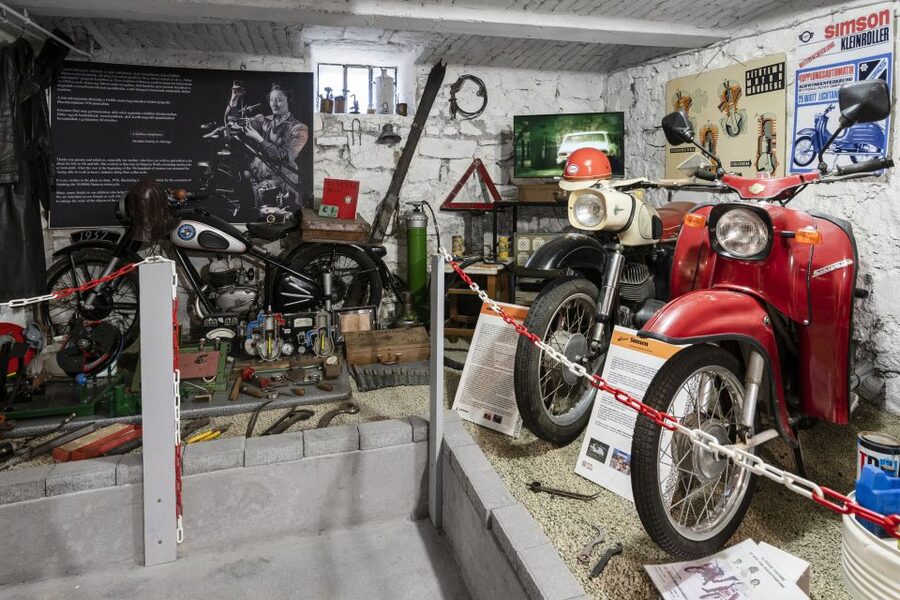
The vehicle collection is the main reason many people come, and it’s also the part that’s easiest to appreciate quickly. There are around 30 vintage cars on display, including models you likely recognize from old stories and movies from the region, such as Trabant and Moskvitch. There are also other notable names in the mix, including Zhighuli and Moskvitch again in different parts of the collection.
What makes this section better than a typical “look but don’t touch” setup is that you can take photos sitting in vehicles. You’ll see standouts like an Ikarus bus, plus a pink Cabriolet Wartburg, and other cars including Trabant and additional East Block vehicles.
Practical tip: give yourself a few minutes to linger near one vehicle at a time. The museum has a lot to look at, and it’s tempting to sprint. But the vehicles are the best place to slow down because the photo opportunities and the recognizable shapes help you remember what you saw later.
One more detail that helps the whole car collection feel grounded is the way the museum places vehicles next to everyday-life objects and scenes. It avoids turning them into mere props.
Don’t Miss the Polish Market Diorama and Camping Scene
If the vehicles are the headline, the themed scenes are what make the collection feel lived-in. The standout is the Polish Market Diorama. It’s the kind of display that rewards you for looking closely. You can walk around it, study the little arrangements, and get a sense of what a market environment could feel like in the period.
There’s also a camping scene. That might sound simple, but scenes like this help you go beyond cars and into everyday routines. You start thinking about leisure, space, and what people imagined “a day out” could look like.
This is a great stop if you want something calmer than the cars. It’s also helpful if you’re traveling with someone who doesn’t care about car models. They can still enjoy the diorama as a story.
A few more Hungary outings worth comparing
- Budapest: Széchenyi Spa Day Ticket with Optional Upgrades
★ 4.3 · 23,911 reviews - Budapest: Parliament Building Entry Ticket and Audio Guide
★ 4.5 · 3,844 reviews - Budapest: Cinema Mystica Entry Ticket
★ 4.3 · 3,103 reviews - Budapest: Cat Museum Budapest Entry Ticket
★ 4.4 · 2,210 reviews
Communist-Era Toys and Appliances: Small Objects, Big Memory Triggers
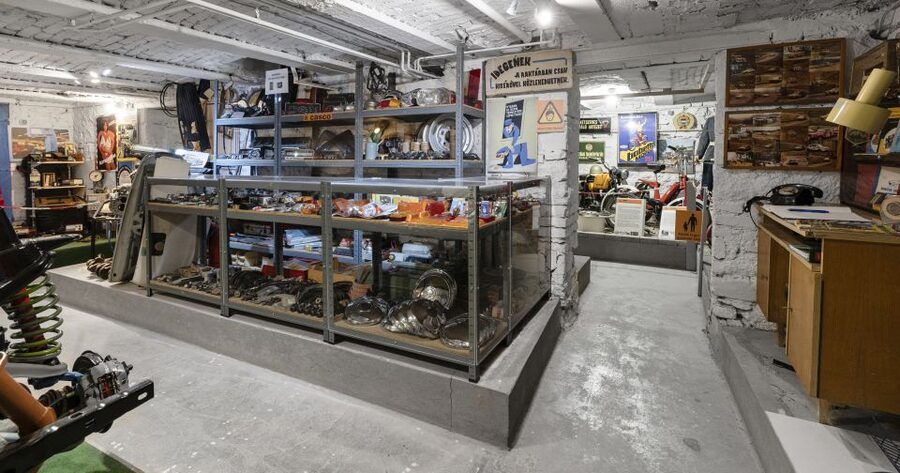
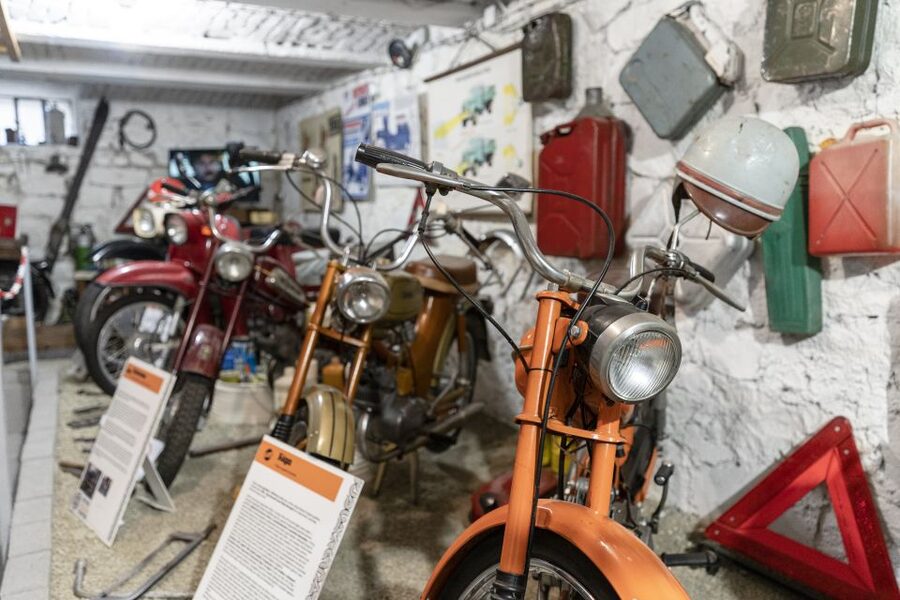
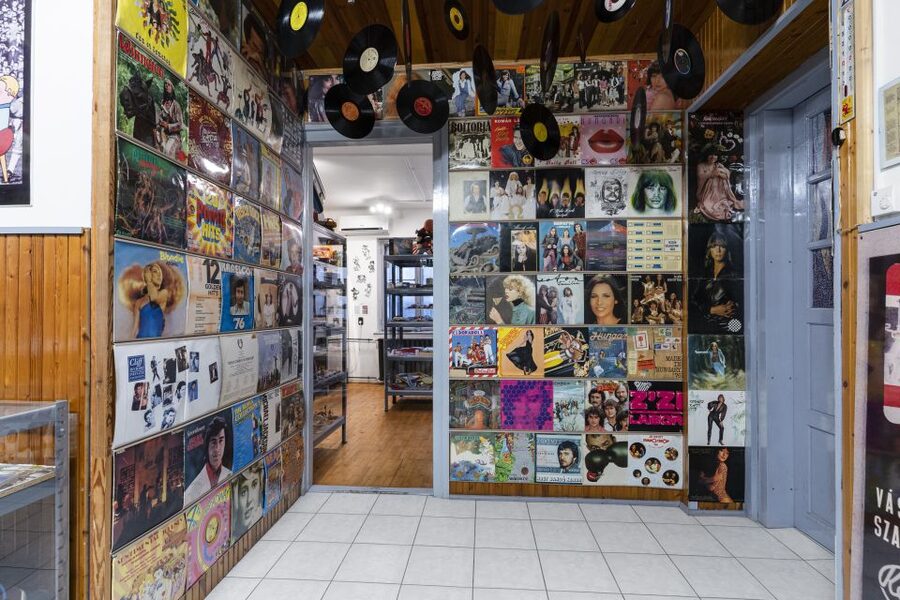
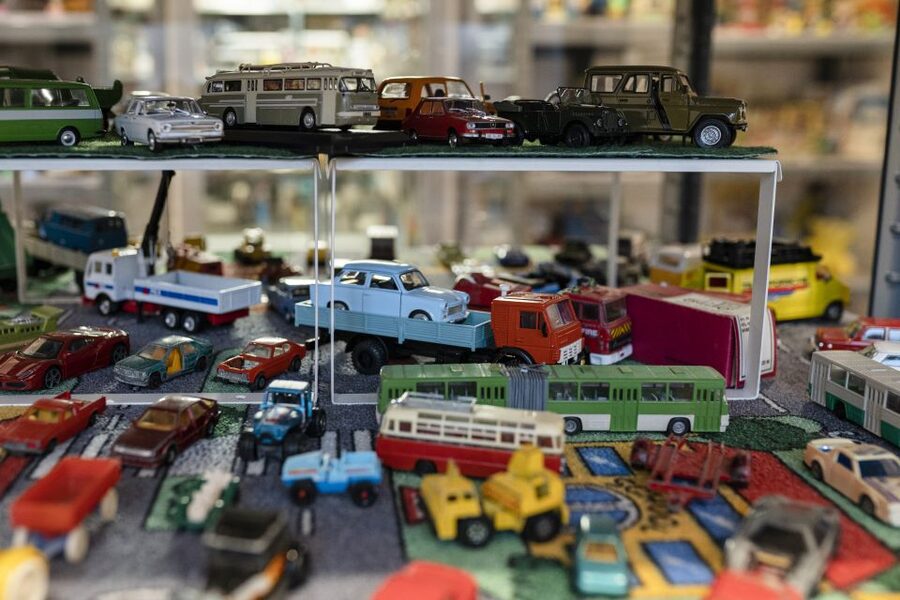
This museum is strong on household items, not just vehicles. You’ll see displays of retro toys, along with things like televisions, household appliances, and radios. There are also walls featuring 70s LP records, which adds a soundtrack feeling even if you’re standing in silence.
I like this part because it turns the decade from an abstract idea into something physical. You can almost imagine what it was like to own these items, repair them, or replace them. The displays have a “this is what was around” quality rather than “look how rare this is.”
From the experience perspective, these rooms are also a good reset when you’ve spent time in the bus and car areas. You’ll find it easier to pace yourself and keep the experience enjoyable, not overwhelming.
The 70s Apartment Rooms: Living Room and Kitchen
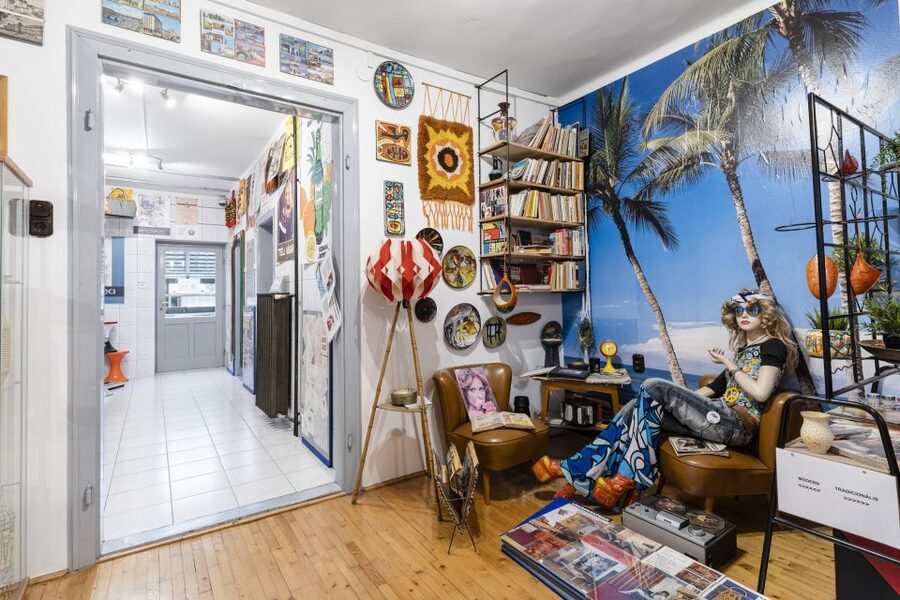
Another highlight is the furnished apartment area. You get a 70s-style living room and a kitchen, set up so you can connect the objects you’ve already seen, like radios, TVs, and household pieces, to a realistic setting.
This is one of those sections that can help you understand a lot even if you only read a portion of the text. The layout does the teaching. It shows you how objects fit into daily life space.
If you enjoy interior details, take a moment here and actually scan the room from corner to corner. Don’t just snap one picture and move on. The room layout is part of what makes the museum feel coherent.
How to Use the Written Text Without Spending Your Whole Hour Reading
The museum uses written interpretive text, available in English, German, and Russian. That’s a lot of flexibility. The catch is that a one-hour visit means you can’t read everything.
My suggestion: read just enough to anchor what you’re looking at. Pick a theme. For example, if you start with the vehicles, read the text next to one or two cars so you know what to listen for in the rest of the collection. Then switch to scenes and objects, and let them do the talking.
If you’re traveling with kids or someone who doesn’t want to read much, focus on the most interactive moments first, then return to the text panels only for the items that catch your eye.
This is a museum that rewards curiosity over speed.
Timing Tip: The Guided Tour Is Morning-Only
There’s one scheduling detail you should watch for. The museum may have hours later in the day, but the guided tour runs only in the morning. That can change the feel of your visit, especially if you prefer a host explaining context rather than reading on your own.
So here’s the practical move: if you care about the guided part, plan to arrive earlier. If you don’t, you can still enjoy the museum thoroughly with the self-paced exhibits and the text panels in multiple languages.
Also remember that the museum is in a town outside Budapest. Travel time is part of the experience, so build in buffer. A rushed day trip can make a short museum feel shorter.
Who This Works Best For (And Who Might Want Something Else)
This is a good fit if you like:
- Vintage vehicles and photo stops
- Everyday objects from the 70s and East Block life
- Museums where you can look at scenes, not just glass cases
It can also work well after lunch because it’s a manageable 1-hour commitment. You can pair it with a stroll around Szentendre, then head back without feeling like you’re losing half a day.
If you’re only interested in one narrow topic, like cars only, you might find it better to plan your time tightly and skip slower rooms. But if you enjoy collecting small impressions, you’ll likely feel satisfied.
The overall tone is warm and human. Even the labeling style and the room setups push you to think about what people used, how they lived, and what everyday life could look like.
Price and Value: Why $11 Can Feel Like a Bargain
At about $11 per person, this ticket price makes sense for a museum that gives you a lot of variety in one space. You’re not paying for a single exhibit. You’re paying for a vehicle lineup, a diorama, themed scenes, toys, household appliances, TVs, radios, LPs, and a furnished apartment area.
In value terms, it’s also about pacing. The experience is built around short stops you can enjoy without committing to a full guided day. If you’re doing a Budapest area itinerary, this is a relatively affordable way to add a distinct, photo-friendly museum without stretching your budget.
For me, the best value marker is this: it’s hard to leave feeling you only saw one thing. Even if you rush, you’ll still catch multiple categories, and the contrast between cars and domestic objects makes the overall story feel stronger than a simple display.
Should You Book This Ticket?
Book it if you want a fun, fast day-trip activity with real display variety and a strong “look, sit, photograph, and read a little” rhythm. It’s especially worth it if you’re drawn to vehicles like the Ikarus bus or you enjoy retro household items that help you visualize daily life.
Skip or reconsider if you specifically want a guided tour and you can’t do the morning timing. Also, if you’re short on time and hate day trips outside Budapest, factor in travel.
If you’re the kind of person who likes museums with personality, this one is easy to enjoy. The hippie greeting is silly in the best way, the vehicles give you instant wow, and the smaller scenes, toys, and appliances are what make it stick.
FAQ
Where is the Retro Design Center located?
It’s in Central Hungary, in a town outside Budapest.
How long should I plan for the visit?
Plan for about 1 hour.
How much does the entry ticket cost?
The ticket price is listed as $11 per person.
What is included with the ticket?
The ticket includes admission to the Retro Design Center exhibits.
Is parking included in the price?
No. Parking is not included.
Is there a guide or host during the visit?
Yes. You’ll have a host or greeter who speaks English.
What languages are available for the written guides?
The written text guide is available in English, German, and Russian.
Can I take photos in front of or inside vehicles?
You can take photos while viewing the vehicle displays, including sitting in some retro vehicles.
Is there a guided tour?
There is a guided tour option, but the guided tour is only in the morning.
Is cancellation allowed if plans change?
Yes. You can cancel up to 24 hours in advance for a full refund.
Latest to land in Hungary
- Visegrád Hike & Castle Tour with Ferry from Budapest★ 4.6 · 3 reviews
- Budapest: Vacation Photographer to collect great memories★ 5.0 · 49 reviews
- Guided wine tasting at Rókusfalvy Estate★ 4.6 · 6 reviews
- Vienna: Budapest & Bratislava Two Capitals Day Trip★ 5.0 · 12 reviews
- Trash Art Museum: Hungary’s First Scrap Metal Exhibition★ 4.3 · 72 reviews
- True Crime Walking Tour in the Buda Castle district★ 5.0 · 26 reviews
- The only Wine Cocktail Club in Tokaj, Lunch & Fun, Hungary★ 5.0 · 3 reviews
- Sailing at Lake Balaton★ 5.0 · 21 reviews
Danube Bend Tours, compared.



Szentendre Daytrip (Artists’ Village) small group
Read our review →
Browse the lists this tour appears in