
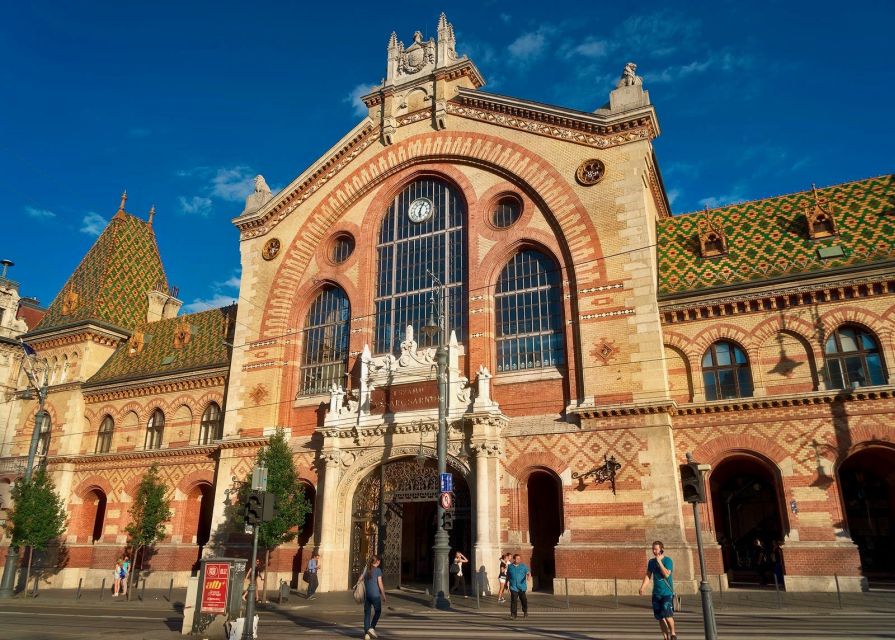
Reviewed · ART NOUVEAU WALKS
Art Nouveau Tour in Budapest: 3-Hour Private Tour
Budapest tells stories in metal and stone. This Art Nouveau private tour takes you through Pest’s late-1890s and early-1900s building boom, with the “why” behind the facades, the symbols, and the architects who shaped the look. I like the way the guide connects Secession (szecesszió) to what you see on the street, and I also like that you can ask questions and get thoughtful answers.
One thing to consider: it is not for people with mobility impairments, and you should expect a good amount of walking and standing for 3 hours. Also, the tour relies on meeting and pickup coordination at your accommodation, so choose a pickup location details are clear for you and the operator.
In This Review
- Key things to know before you go
- Walking Pest like it is still 1900
- A realistic tradeoff
- Secession (szecesszió): why the style has a local name
- Hungarian folk motifs and the case for Budapest identity
- Beehives on public buildings, and other symbolism you can actually use
- The architects behind the façades, plus room for your questions
- Your 3-hour route: what happens from pickup to final stops
- Included materials that help you remember
- Price and value: is $127 per person worth it?
- One caution on coordination
- Who this tour fits best
- Practical tips that will make the day easier
- Should you book this Art Nouveau Art Nouveau Tour in Budapest?
- FAQ
- How long is the Art Nouveau tour in Budapest?
- What is the price per person?
- Is this tour private?
- What languages are the live guides available in?
- Is pickup from my accommodation included?
- What is included in the tour cost?
- Is food and drink included?
- Is the tour suitable for people with mobility impairments?
Key things to know before you go
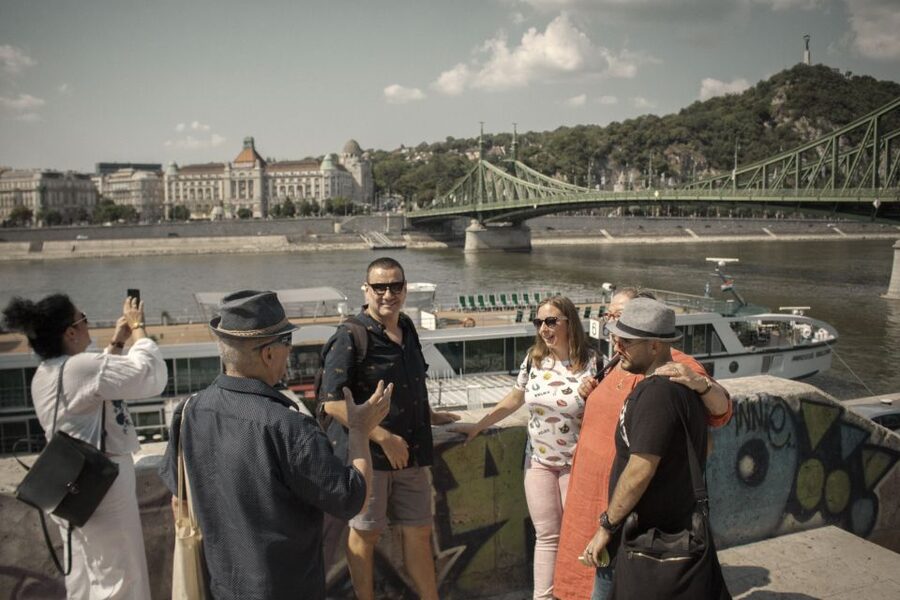
- Private and question-friendly: you are not stuck with a script, you can ask what you want to know.
- Art Nouveau explained as a movement: you learn how it changed architecture in Budapest and why it looks the way it does.
- Secession and Hungarian identity: you get context on the name and how folk motifs appear in designs.
- Symbols you might miss: the tour covers the meaning behind beehives on public buildings.
- You get tools to remember: notebooks, pens, and printed material are included.
- A practical orientation inside the city: one guide feature includes help with the underground and tram system along with the architecture.
Walking Pest like it is still 1900
If you have ever wondered why certain Budapest buildings look like they grew out of the street instead of being dropped in from somewhere else, this is the kind of tour that answers it. Pest’s heyday in the late 1890s and early 20th century is when this style took hold, and that timing matters. The city wanted to feel modern, but it also wanted to stay human-scale and recognizable from the sidewalk.
What I like is that the tour focuses on historic decades rather than treating Art Nouveau like isolated decorations. You learn how the style fit the moment, including why the late-19th-century facades tend to be so ornate. The guide also explains why Budapest has no skyscrapers, which changes how you think about “modern” city design here.
This tour is also a good choice if you are the type who likes cause-and-effect. It does not just point at pretty details, it explains how ideas turned into stonework, wrought iron, and facade patterns.
More Art Nouveau walks:
- Buda Castle Tour: History and Architecture
★ 5.0 · 33 reviews - Private Art Nouveau Tour Budapest
★ 5.0 · 21 reviews - Art Nouveau Treasures of Budapest – Exclusive Private Tour
★ 5.0 · 18 reviews
A realistic tradeoff
The time is tight, just 3 hours, so the best results come when you show up with comfy shoes and a willingness to absorb lots of visual information quickly. If you want a long, slow museum pace, you might feel slightly rushed.
Secession (szecesszió): why the style has a local name
Art Nouveau is easy to recognize once you know what to look for, but it is easier to appreciate when you understand its name and attitude. In Hungarian, Art Nouveau is commonly called Secession (szecesszió), and that linguistic detail is not trivia. It reflects the idea that artists and architects were breaking from what came before, pushing for their own direction.
On this tour, you get the translation of the city’s aesthetic argument. The guide ties the “secession” mindset to the results you see on the street: curving lines, decorative surfaces, and facades that look like they are trying to communicate something to pedestrians.
You also learn why so many buildings from that era have decorative frontages. Instead of relying on height or glass boxes to prove progress, the architecture used detail, pattern, and craftsmanship. That makes Budapest feel less like an anonymous skyline and more like a readable streetscape.
Hungarian folk motifs and the case for Budapest identity
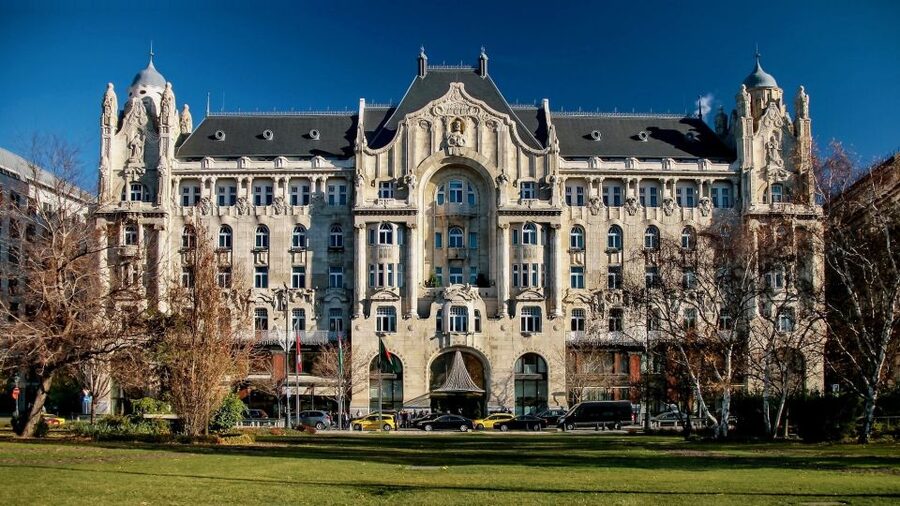
One of the most interesting angles is how the designs borrow from Hungarian folk traditions. You do not just hear that “motifs exist.” You learn how they show up in the Art Nouveau look, so your eyes start catching them on the walk.
This matters because it explains why the style feels like it belongs here. Art Nouveau is international, but Budapest’s version carries a local fingerprint. The tour highlights how Hungarian folk motif ideas were built into the design language, which is exactly the sort of thing that helps you move from admiration to understanding.
And when you understand that layer, the details become easier to remember. Decorative facades stop being random beauty and start being a visual language.
A few more Budapest outings worth comparing
- Private Budapest TukTuk Tour: Custom Route, Hotel Pickup
★ 5.0 · 1,307 reviews - Budapest Essentials Private Tour Highlights and Hidden Gems
★ 5.0 · 861 reviews - Budapest Private Tuk Tuk Half-Day Tour
★ 5.0 · 606 reviews - Budapest One Way Private Transfer to or from Airport
★ 4.5 · 548 reviews
Beehives on public buildings, and other symbolism you can actually use
Budapest is full of ornamentation, so symbols can be easy to overlook if you only take pictures. This tour trains you to notice what the city is trying to say. One standout topic is beehives on Budapest public buildings. The guide explains what they symbolize, turning what could be just another decorative element into a clue.
The tour also covers why Budapest’s architecture was shaped by design choices that keep everything connected to street life. The guide talks about the idea behind why there are no skyscrapers in Budapest, and that fits with everything else you learn about scale and decoration. When a city does not use height as its signature, it often uses facade storytelling.
If you like to leave a tour with a sharper lens, this is one of those experiences. You start to read the city instead of only looking at it.
The architects behind the façades, plus room for your questions
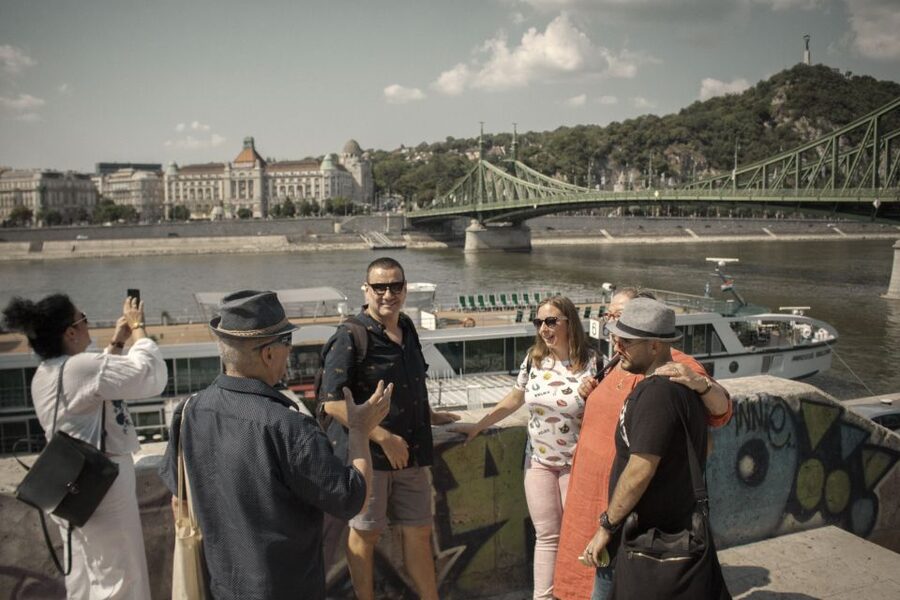
Art Nouveau in Budapest is not just a style, it is a set of people making choices, and this tour makes that human. You hear stories about architects behind the buildings you see, and those stories help the buildings feel less like background and more like authored design.
What I especially appreciate in the feedback for this tour is how much time the guide is willing to spend on your interests. People praised the guide’s friendliness, plus the ability to answer questions about both architecture and wider topics, including how the guide thinks about Hungary and its people. That kind of back-and-forth turns the walking portion into a conversation, not a lecture.
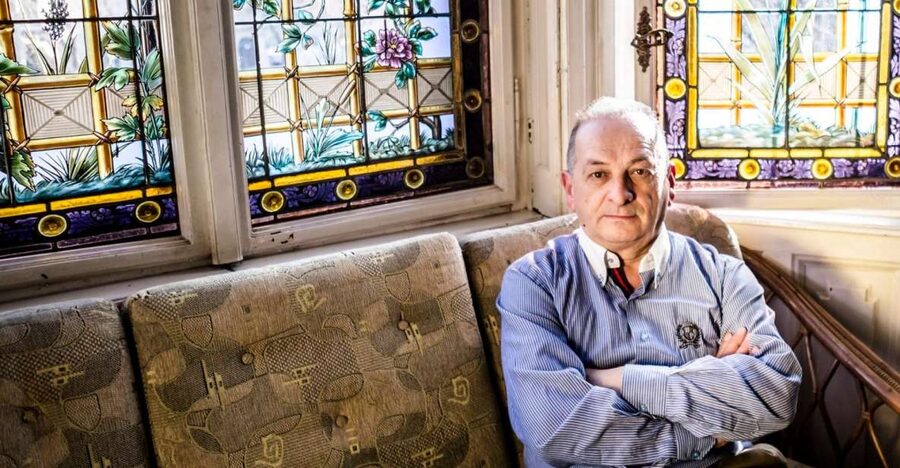
One of the guides associated with this tour is Miklos, and multiple past participants highlighted his warmth and his ability to explain clearly. There is also mention of flexibility, which matters because it means the guide is not just following a rigid checklist even though the structure is still there.
Your 3-hour route: what happens from pickup to final stops
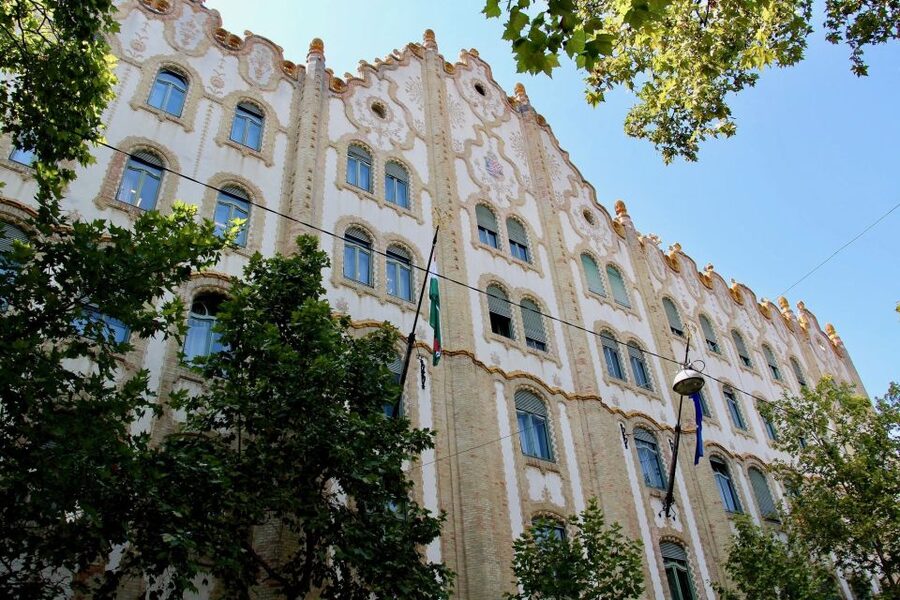
The tour is built around a simple format: you meet the guide, then you move together to the first stop. Pickup is included, and you meet your guide at your accommodation in Budapest. You will need to tell the local partner where you want to be picked up, so pick something easy to find from the street.
From there, the route is a walk focused on Art Nouveau facades and the themes behind them: Secession, decorative late-19th-century frontages, Hungarian folk motifs, symbolism like beehives, and why the city’s skyline stayed low. Expect multiple exterior views, not a museum-style “look and leave” circuit.
A useful extra is that one guide feature includes orientation for getting around, specifically the underground and tram system, alongside the architecture. That is a practical bonus because it helps you connect the city’s visual style to the way you actually move through it day-to-day.
Included materials that help you remember
You get notebooks, pens, and printed material. That sounds small, but it changes the experience. Notes make it easier to track motifs and symbols while your eyes are catching a lot at once. It also makes the tour feel more like a guided field lesson than just sightseeing.
Price and value: is $127 per person worth it?
At $127 per person for 3 hours, this is not a budget “walk with audio” option. It is paying for a live guide, private group attention, and the structure that helps you understand what you are seeing.
Here is how I judge value for a tour like this:
- If you like architecture and want context, a guide can save you time. Budapest’s Art Nouveau details can be hard to interpret alone, and the explanations here are built around the specific questions you might not know to ask.
- The private setup matters. Being able to ask follow-up questions and have them answered well changes what you take away.
- The included learning tools (notebooks, pens, printed material) add a small but real layer of usefulness.
If you are mainly hoping for a quick photo session with minimal walking and no explanation, you might prefer something less detailed. But if you want your eyes trained on the “why,” the price starts to make more sense.
One caution on coordination
A small number of experiences flagged pickup trouble, including missing the pickup location at the arranged time. That does not mean this will happen to you, but it is why you should double-check your pickup instructions and be ready to confirm your exact meeting spot the day of.
Who this tour fits best
This experience is a strong fit if you:
- want a private guide and the chance to ask lots of questions
- care about how style connects to history, not just pretty buildings
- enjoy learning symbols, names, and meaning behind architectural details
- like getting practical with city orientation, including the underground and tram system
It may not be the best fit if:
- you have mobility impairments and cannot do the walking and standing
- you want a long, slow pace with lots of indoor stops
- you are traveling with people who get bored quickly by explanations
Practical tips that will make the day easier
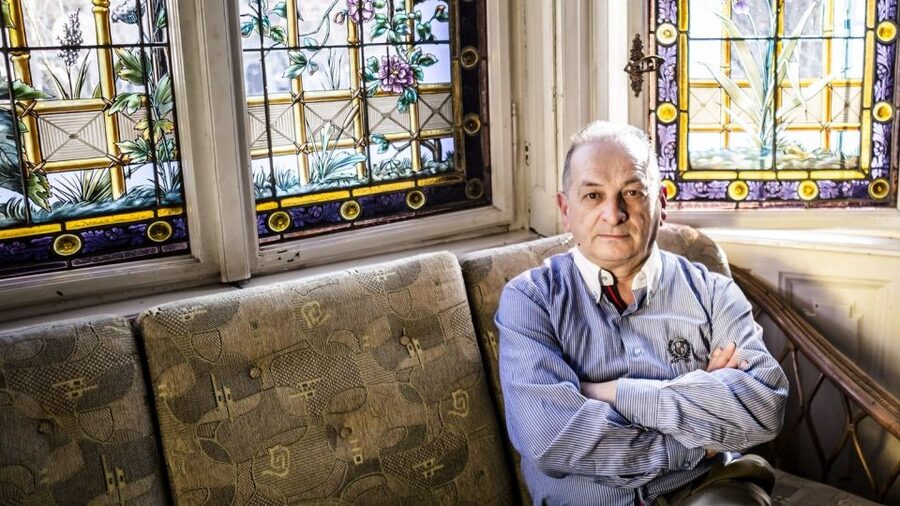
Do not overthink it, just plan smart.
Bring comfortable shoes and comfortable clothes. This tour depends on walking through neighborhoods where the architecture is the show, so you will feel every rough patch if your footwear is not up to it.
Also, since pickup is arranged at your accommodation, choose a location that is easy to reach from the street. The more straightforward your meeting point is, the smoother the start tends to feel.
Finally, use the included notebooks and pens during the walk. If you come home remembering only colors and shapes, you missed part of the point. The tour is designed to help you remember motifs, symbols like the beehives, and the meaning behind why the city looks the way it does.
Should you book this Art Nouveau Art Nouveau Tour in Budapest?
I would book it if you want to see Pest with smarter eyes. The combination of Secession context, Hungarian folk motif explanations, and the symbolism like beehives is exactly what turns “pretty buildings” into a real understanding of Budapest’s architectural identity. Add a private guide, plus the chance to ask questions, and you get a format that feels personal instead of generic.
I would think twice if mobility is an issue or if you need a low-walking itinerary. And if you are sensitive to timing and coordination, confirm your pickup details clearly since the tour depends on meeting you at your accommodation.
If you fall into the first group, this is one of the better ways to spend a morning or afternoon in Budapest, because you leave knowing how to read the city you came to see.
FAQ
How long is the Art Nouveau tour in Budapest?
The tour lasts 3 hours.
What is the price per person?
The price is $127 per person.
Is this tour private?
Yes, it is a private group experience.
What languages are the live guides available in?
The live tour guide is available in English, German, and Albanian.
Is pickup from my accommodation included?
Yes. The guide meets you at your accommodation in Budapest, and you should inform the local partner where you would like to be picked up.
What is included in the tour cost?
Included items are notebooks, pens, and printed material.
Is food and drink included?
No, food and drink are not included.
Is the tour suitable for people with mobility impairments?
No. The tour is not suitable for people with mobility impairments.
Latest to land in Budapest
- Visegrád Hike & Castle Tour with Ferry from Budapest★ 4.6 · 3 reviews
- Budapest: Vacation Photographer to collect great memories★ 5.0 · 49 reviews
- Trash Art Museum: Hungary’s First Scrap Metal Exhibition★ 4.3 · 72 reviews
- True Crime Walking Tour in the Buda Castle district★ 5.0 · 26 reviews
- Budapest: 3-Hour Trabant Sightseeing Tour★ 4.7 · 28 reviews
- Audio visual multi-sensory chefs journey dinner experience★ 5.0 · 3 reviews
- Private Szentendre and Vac Tour from Budapest with Transport★ 5.0 · 3 reviews
- Wine Tasting in the Countryside from Budapest★ 5.0 · 14 reviews
Art Nouveau Walks, compared.
Art Nouveau Treasures of Budapest – Exclusive Private Tour
Read our review →
Browse the lists this tour appears in