
Reviewed · MUSEUMS
Budapest: Light Art Museum Skip-the-Line Entry Ticket
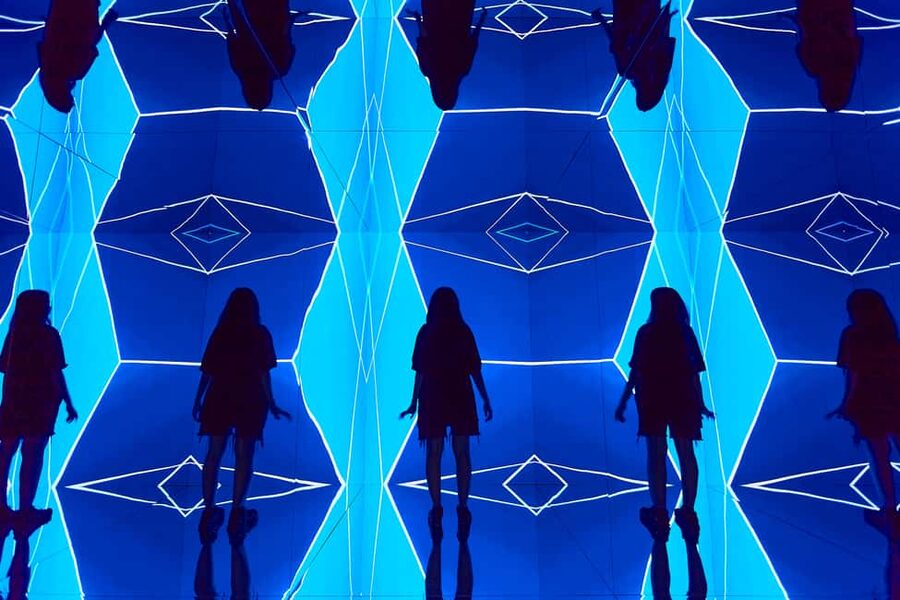
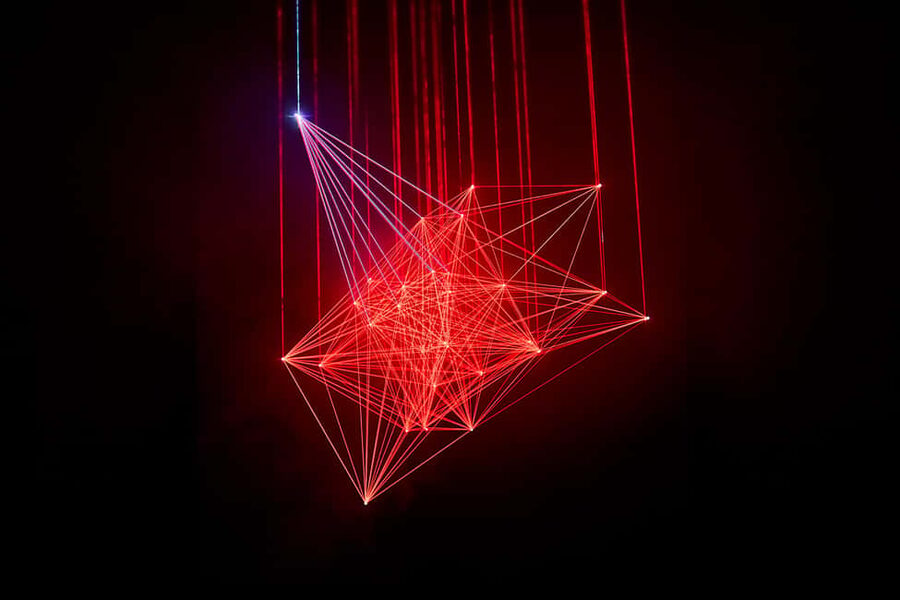
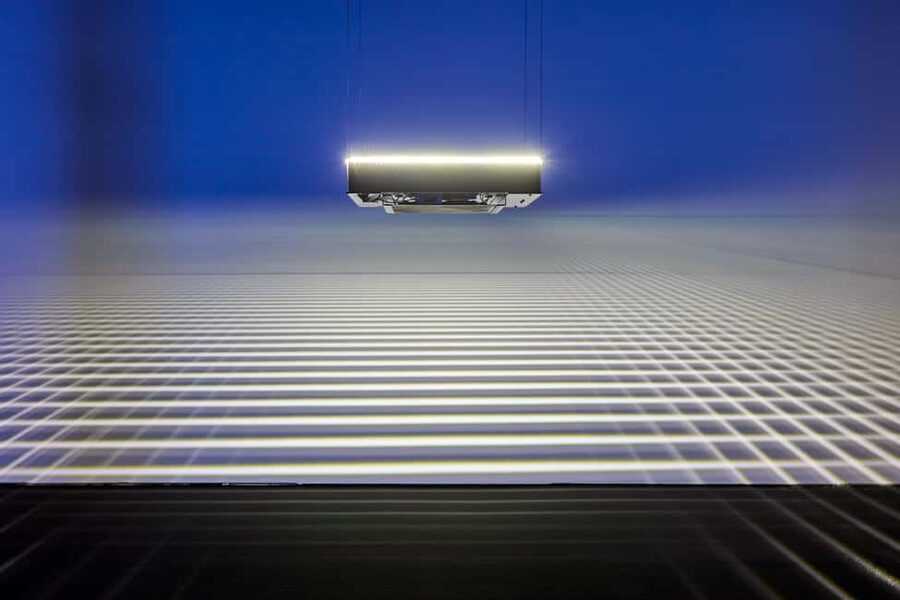
Light tricks and color run the show in Budapest. This modern Light Art Museum turns a historic market hall into a hands-on playground of light, optical illusion rooms, and projection mapping that make contemporary art feel physical. I especially like the way it points you toward Moholy-Nagy and Victor Vasarely style ideas while you walk through the installations.
One heads up: the museum is dark in spots and there’s an 18+ area, so it may not be the best stop for very young kids who want constant action. Also, no tour guide is included, so if you want the context, you will be reading the on-site explanations as you go.
In This Review
- Key Things I’d Plan Around
- A former Budapest market hall turned light-art studio
- Skip-the-line entry, no guide, and why that affects your visit
- How to pace 2 hours so you do not miss the best rooms
- Projection, color, and optical illusion rooms that reward close looking
- Floating tent, airship, and the big wow moments
- The sphere and airlock dome, where you slow down on purpose
- Moholy-Nagy and Vasarely cues you can actually use
- That 18+ section, plus the reality of what might be closed
- Family day in Budapest, what works and what to watch for
- Is $21 good value for two hours of light art?
- Should you book the Budapest Light Art Museum skip-the-line ticket?
- FAQ
- How long do I get inside the Light Art Museum?
- Does the ticket include skip-the-line entry?
- Is a tour guide included?
- What languages are available at the museum?
- Is the ticket valid for multiple days?
- Where do I meet to use the skip-the-line option?
- Can I cancel for a refund?
- Is it suitable for families with children?
Key Things I’d Plan Around
- Skip-the-line entry so you spend time in rooms, not waiting outside.
- 2 hours of access is the sweet spot for most people, since the museum is fairly compact.
- Upstairs vs downstairs: you may prefer downstairs, with many of the bigger wow moments there.
- Photo-friendly big installations like the floating tent, sphere, and airlock dome.
- Hands-on, interactive light rooms that rely on you moving, looking closely, and sometimes lying down.
- Art-meets-science references tied to pioneers like László Moholy-Nagy and Victor Vasarely.
A former Budapest market hall turned light-art studio
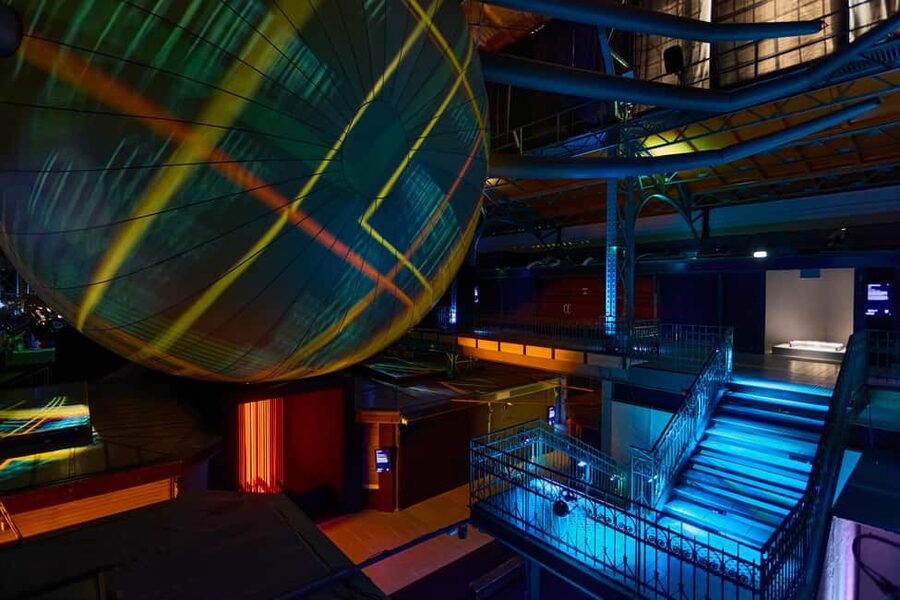
The Light Art Museum is in central Hungary, and the building is part of the magic. The museum uses a hall that used to be a popular farmers’ market, then transforms it into a modern gallery of light art and new media. That matters because the space is open and theatrical, so the light installations feel like scenes, not just wall decor.
You are not walking through a quiet, buttoned-up museum here. You are walking through rooms designed to change how you see. Expect lots of colorful lighting, optical illusion effects, and interactive setups where your movement is part of the experience.
You also get a strong dose of contemporary and modern artwork, with pieces from local and international artists. Even if you do not know art jargon, you can still enjoy the visuals, and the experience is structured so you can figure it out as you go.
More Museum Visits in Budapest:
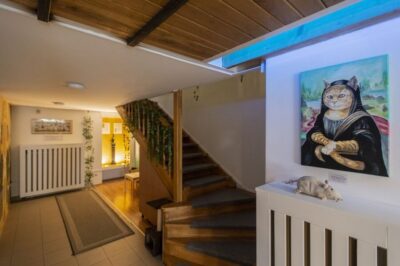
- Budapest: Cat Museum Budapest Entry Ticket
★ 4.4 · 2,210 reviews - Budapest: Budapest Retro Interactive Museum Ticket
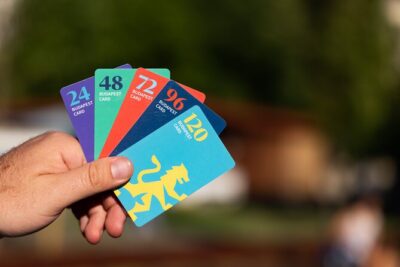
★ 4.4 · 569 reviews - Budapest Card: Free Public Transport, Spa & Museums with Delivery
★ 3.5 · 241 reviews
Skip-the-line entry, no guide, and why that affects your visit
The skip-the-line ticket is one of the best practical upgrades for this kind of museum. Light installations can be time-consuming in the fun way, because you will want to re-watch effects, step back for photos, and try different angles. If you arrive during a busy time, losing time in a line can shrink your enjoyment quickly, so paying for the shortcut is a good trade.
Another key factor: there is no tour guide included. Hosts or greeters are part of the experience, and they are available in English and Hungarian, but you are essentially your own guide. What that means for you:
- If you like explanations, take your time reading the panels for each installation.
- If you do not read much, you can still enjoy the light effects, but some of the meaning behind certain pieces might pass you by.
If you want to use the skip-the-line option, tell the hosts at the start. That’s the only instruction you really need to remember, and it helps ensure you get moved in smoothly.
How to pace 2 hours so you do not miss the best rooms
The ticket includes 2 hours of exploration, and that time window is realistic. Multiple people describe the museum as small, with many finishing in about an hour to an hour and a half. If you are the type who likes photos plus slow looking, you can stretch toward the full 2 hours.
Here’s the practical pacing advice that fits what you’ll likely see inside:
- Start with the smaller rooms upstairs.
- Then work your way down.
- End with the bigger, more dramatic installations downstairs.
This is one of those rare museums where the recommended route is not about art history. It is about energy level. The downstairs rooms tend to deliver the wow factor, including some of the biggest and most memorable light experiences.
Also keep in mind that some exhibits can be closed at the time of your visit. If that happens, your route will feel faster, and you may want to revisit the open “headline” rooms for photos and replays.
Projection, color, and optical illusion rooms that reward close looking
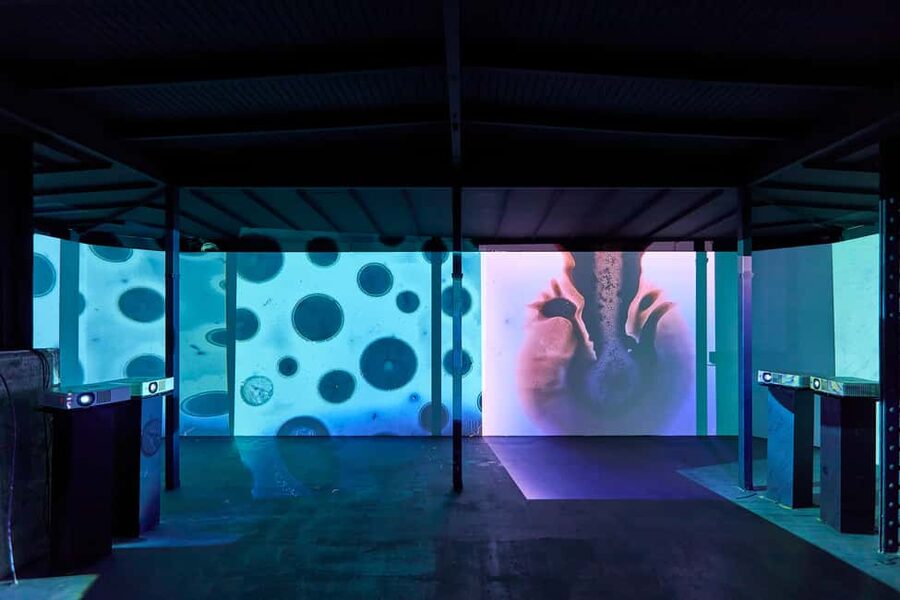
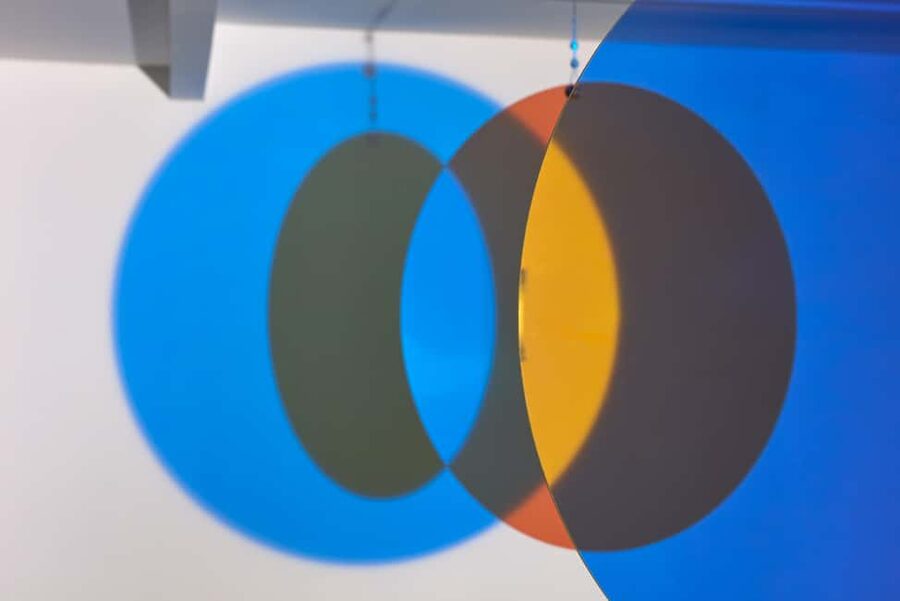
A lot of the best moments here come from how light behaves. You get optical illusions and light-color effects that make you second-guess what you are seeing. Sometimes it feels like art and physics are collaborating, and that is a big part of the point.
What I like about this setup is that it works on two levels:
- First, you enjoy it immediately through color, reflections, and shapes.
- Second, if you read the background information, you start connecting the effect to the idea behind the installation.
Some rooms lean more toward abstraction. Others feel more like interactive experiments. The result is a museum experience that shifts mood as you move through it. You are not stuck in a single style for the whole visit.
If you are a visual thinker, you will probably enjoy the installations that use contrast, repeating patterns, and perspective tricks. If you strongly prefer traditional figurative art, you might find a few light-only pieces less satisfying. Still, the museum is designed so the big “scene” installations keep the energy high.
A few more Budapest outings worth comparing
- Budapest: Széchenyi Spa Day Ticket with Optional Upgrades
★ 4.3 · 23,911 reviews - Budapest: Parliament Building Entry Ticket and Audio Guide
★ 4.5 · 3,844 reviews - Budapest: Cinema Mystica Entry Ticket
★ 4.3 · 3,103 reviews - Budapest Széchenyi Thermal Spa Ticket
★ 4.0 · 2,178 reviews
Floating tent, airship, and the big wow moments
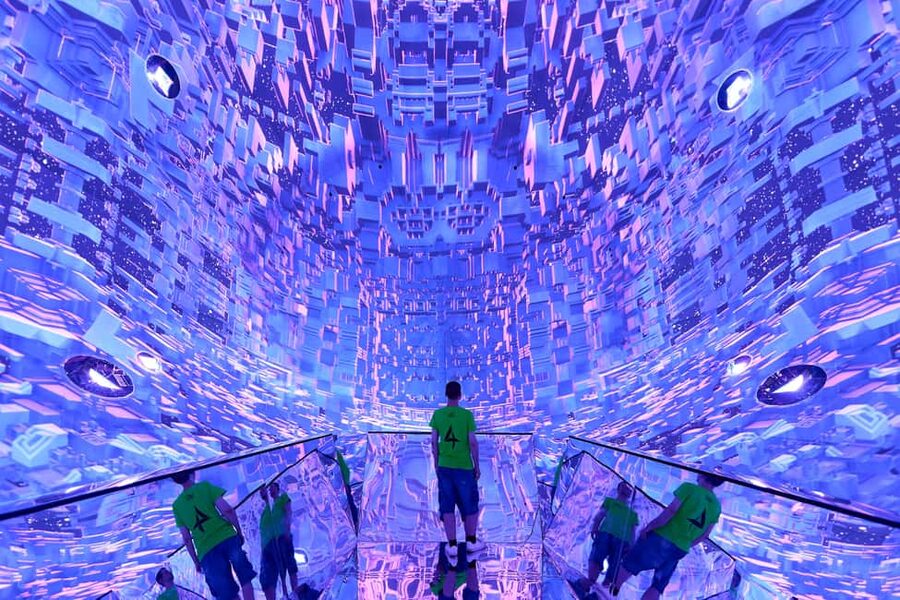
Certain installations are basically the museum’s calling cards, and they show up in visitor highlights again and again.
You should look out for:
- A big floating tent that people describe as incredible.
- An airship installation that stands out for its scale and visuals.
- A blimp experience that many describe as amazing, including an airlocked or dome-like setup connected to it.
Even if you do not know the specific design details before you arrive, you will feel when you reach the headline spaces. They tend to be the rooms where you stop walking, aim your phone, and watch the effect change as you reposition yourself.
One practical tip that comes directly from the experience: for the airlock dome, you will get the best view when you lie down. It changes your angle, and it makes the installation feel more immersive without needing extra narration.
The sphere and airlock dome, where you slow down on purpose
Some installations force you to change your body position. The most famous examples here are the sphere and the airlock dome.
The sphere is often described as unbelievable and memorable, and that tracks with how these kinds of light sculptures work. When a space is designed around a rounded environment, light turns into something you feel surrounded by, not something hanging on the walls.
Then there is the airlock dome, described as fantastic, with people calling out that lying down improves the experience. This is not a subtle difference. If you rush through that room while standing, you may miss how the light effect is meant to read.
My suggestion: treat the sphere and dome rooms like the museum’s “main event.” Give them time. Step back. Take a few photos. Then put the phone away and just watch for 30 to 60 seconds longer than you think you need.
Moholy-Nagy and Vasarely cues you can actually use
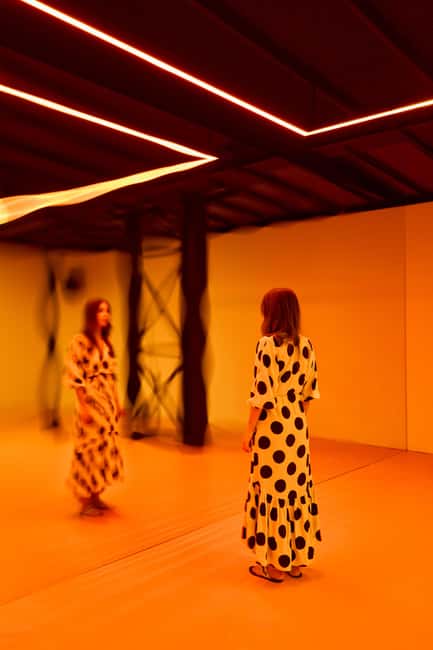
Light art can feel mysterious if you do not know where the ideas come from. This museum helps a bit by pointing you toward two names you’ll see referenced: László Moholy-Nagy and Victor Vasarely.
- Moholy-Nagy is associated with early modern experimentation, including ideas around light, form, and perception.
- Vasarely is linked to op-art, where optical effects play with movement, contrast, and visual tension.
Even if you do not go deep, those references give you a lens. Instead of asking, What am I supposed to see?, you can ask, What optical principle is this installation playing with?
When you pair that mindset with the on-site explanations, you get more satisfaction from the abstract pieces, and you also notice why some works feel more geometric or more illusion-driven than others.
That 18+ section, plus the reality of what might be closed
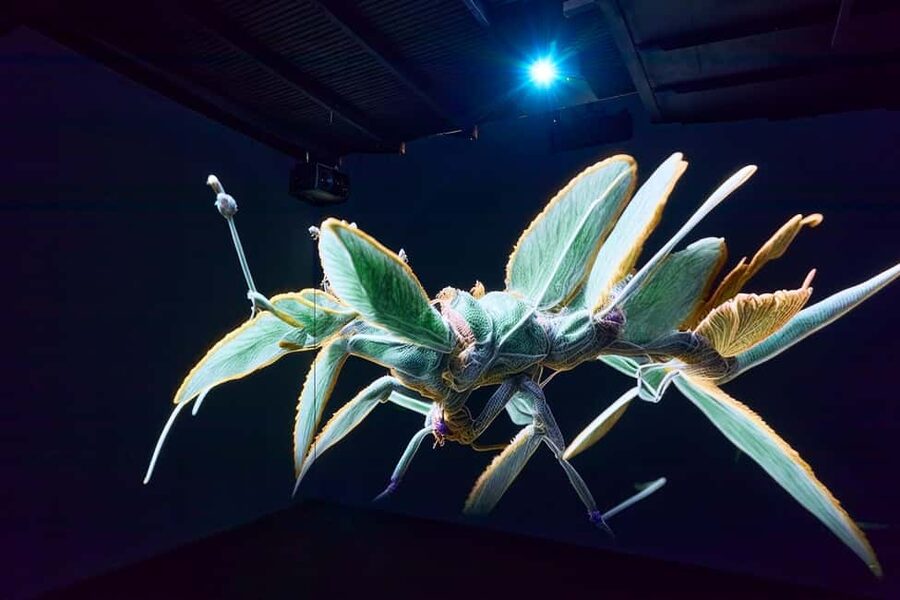
A key consideration is that there is at least one area marked 18+. The museum is family-friendly in the sense that kids often enjoy the light displays, but that does not mean every room is kid-safe or kid-focused. If you are traveling with younger children, you may need to plan around reading-heavy panels and any adult-only area.
Another reality: some installations may be closed during your visit. If you only have one day in Budapest and this is one of your must-dos, do not treat it like a strict checklist. Treat it like a highlight reel. You can still have a great time even if one or two rooms are unavailable.
If you walk in expecting every room to be interactive, you might feel slightly let down by the quieter, more abstract corners. The museum is not only about hands-on play. It is also about perception and art concepts.
Family day in Budapest, what works and what to watch for
This is a good option for families, especially because it offers big visual moments and interactive photo spots. People have described young children enjoying the museum a lot, including very young kids who were delighted by certain installations.
At the same time, you should go in with realistic expectations:
- Some sections are better for children who can handle low light and stillness.
- Some areas are marked 18+, which can limit where smaller kids can go.
- You might spend less time if you are with very young children who need constant stimulation.
If you are traveling with teens or older kids, you will likely get more out of it because they can read and connect the installation explanations to what they are seeing. Several adults also mention that it helps when you take a moment to understand the background for each installation.
Best strategy: let the kids lead for the first room or two, then switch into “main event mode” for the sphere, dome, floating tent, and airship areas.
Is $21 good value for two hours of light art?
At about $21 per person and 2 hours of access, the value depends on what kind of museum you want today.
I think it’s good value if:
- You like modern art that uses technology and perception tricks.
- You want a short, fun stop that fits a packed Budapest day.
- You care about good visuals and photo opportunities.
- You want to avoid lines, which is exactly what the skip-the-line ticket helps with.
It might be less satisfying if:
- You need a traditional guided museum structure.
- You hate abstract art or you expect the meaning to be spelled out for you.
- You want very long gallery time, since the museum is relatively small and many people finish in about an hour.
The pricing makes sense when you treat the museum as an experience, not a classic half-day museum. It’s designed for a tight visit where you watch, move, and enjoy the effects before they start repeating in your memory.
Should you book the Budapest Light Art Museum skip-the-line ticket?
Book it if you want a modern, short, and photo-ready art stop in Budapest. It’s a strong choice when you like optical illusions, light installations, and contemporary art that plays with how your eyes interpret space. The skip-the-line option is especially worthwhile if your schedule is tight or you hate standing around.
Skip it or think twice if you prefer quiet, traditional galleries, or if you strongly dislike abstract and illusion-based work. Also consider the 18+ area if you are traveling with young kids, and remember there is no tour guide, so you will get the most from it if you are willing to read the installation info.
If you do book, go with a simple plan: start upstairs with the smaller rooms, then move downstairs for the bigger headline moments like the floating tent, sphere, and airlock dome. That route gives you the highest chance of leaving with those wow memories, plus enough time to take photos without feeling rushed.
FAQ
How long do I get inside the Light Art Museum?
Your admission includes about 2 hours of exploration.
Does the ticket include skip-the-line entry?
Yes. The ticket offers a skip-the-line option, and you should let the hosts know if you want to use it.
Is a tour guide included?
No. The experience includes admission and time in the museum, but no tour guide is provided.
What languages are available at the museum?
Hosts or greeters are available in English and Hungarian.
Is the ticket valid for multiple days?
No. The ticket is valid for 1 day.
Where do I meet to use the skip-the-line option?
There is a simple instruction to let the hosts know that you would like to skip the line.
Can I cancel for a refund?
Yes, free cancellation is available up to 24 hours in advance for a full refund.
Is it suitable for families with children?
Many people describe it as enjoyable for families and kids, but there is also an area marked 18+, so it may not work the same way for very young children.
Latest to land in Budapest
- Visegrád Hike & Castle Tour with Ferry from Budapest★ 4.6 · 3 reviews
- Budapest: Vacation Photographer to collect great memories★ 5.0 · 49 reviews
- Trash Art Museum: Hungary’s First Scrap Metal Exhibition★ 4.3 · 72 reviews
- True Crime Walking Tour in the Buda Castle district★ 5.0 · 26 reviews
- Budapest: 3-Hour Trabant Sightseeing Tour★ 4.7 · 28 reviews
- Audio visual multi-sensory chefs journey dinner experience★ 5.0 · 3 reviews
- Private Szentendre and Vac Tour from Budapest with Transport★ 5.0 · 3 reviews
- Wine Tasting in the Countryside from Budapest★ 5.0 · 14 reviews
Museums, compared.

Budapest Card: Free Public Transport, Spa & Museums with Delivery
Read our review →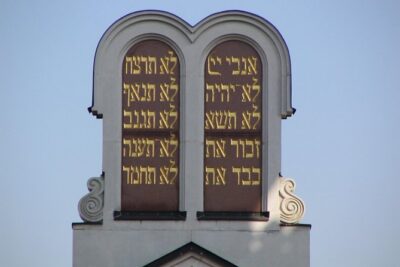
Budapest Dohany Synagogue & Hungarian Jewish Museum & free extras
Read our review →
Skip the Line: Budapest Pinball Museum Admission Ticket
Read our review →

Trash Art Museum: Hungary’s First Scrap Metal Exhibition
Read our review →
Browse the lists this tour appears in