
Reviewed · MUSEUMS
Budapest: Mika Tivadar Secret Museum Entry Ticket
Budapest’s Kazinczy Street has a secret side. The Mika Tivadar Secret Museum turns a small, 140 sqm space into a story-powered walk through the late 1800s and the years between the two world wars, with voice chapters on your phone. I love that it covers more than one building, it links the museum house to the wider Kazinczy Street neighborhood and surrounding landmarks. I also like the practical setup, you get a quick welcome and then explore at your own pace with free audio on your smartphone.
Two things that make this ticket feel like strong value are the amount of information packed into a compact museum and the fact that you can keep going even if you are not racing through exhibits. One thing to consider: it is not suitable for wheelchair users, and since the audio runs on your mobile device, bring a charged phone.
In This Review
- Key Highlights at a Glance
- Step Into the Kazinczy Street Story Behind Mika Tivadar
- Ticket Basics That Make the Visit Easy
- What You’ll See: A Museum That Covers a Whole Neighborhood
- The Chapter Moments That Make It Feel Like Time Travel
- Budapest’s Party District, With Context, Not Just Flash
- Cocktails While You Read the Chapters
- Languages, Audio, and Tips for a Smooth Self-Guided Visit
- Where This Fits in Your Budapest Day
- Who Should Book This Secret Museum Ticket
- Price and Value: Why $5 Makes Sense Here
- Should You Book the Mika Tivadar Secret Museum?
- FAQ
- Where do I meet for the Mika Tivadar Secret Museum entry ticket?
- How long does the museum visit last?
- Is there a museum guide included?
- Do I need a smartphone?
- How many languages are available?
- Is there an onsite bar or restaurant?
- Is the museum wheelchair accessible?
Key Highlights at a Glance
- Self-guided with voice chapters on your mobile, no museum guide needed
- 8 languages plus free Wi-Fi, so you can actually follow along
- Small space, big story range, from late 19th century through the interwar years
- Kazinczy Street connections, including legendary guests and famous entertainment venues
- Onsite cocktail bar and restaurant, so you can plan a stop before or after
Step Into the Kazinczy Street Story Behind Mika Tivadar
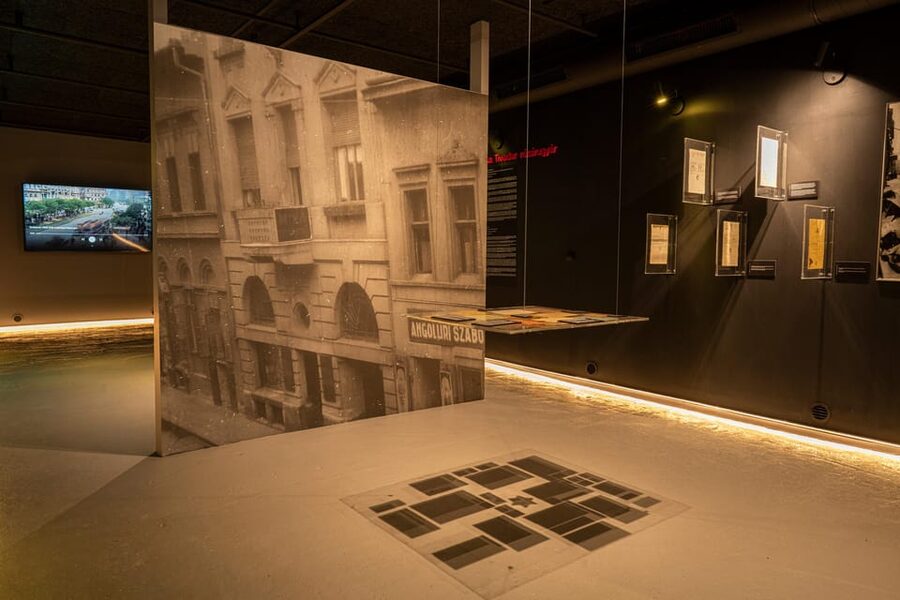
Kazinczy Street is known for nightlife, but this museum shows the street before it was known for drinks. The vibe here is “history you can walk through,” set in the walls and atmosphere of a specialty museum tied to a local heritage hotel concept. Instead of big rooms and long tours, you get a focused, short visit that still covers a surprising range of characters and events.
What you are really paying for is the way the museum uses its size. In about the time window listed for the ticket, you can move from scene to scene with audio voiceovers that organize the experience into clear chapters. The museum design leans into authentic installations, photographs, and written narratives, so it feels less like reading a brochure and more like stepping into rooms where something used to happen.
And yes, there is a cocktail bar and restaurant on site. That matters more than you might think. It turns a quick history stop into something you can roll into your day, then unwind with a drink without hunting for your next place.
More Museum Visits in Budapest:
- Budapest: Cat Museum Budapest Entry Ticket
★ 4.4 · 2,210 reviews - Budapest: Light Art Museum Skip-the-Line Entry Ticket
★ 3.9 · 1,531 reviews - Budapest: Budapest Retro Interactive Museum Ticket
★ 4.4 · 569 reviews
Ticket Basics That Make the Visit Easy
This is a straightforward entry ticket, not a guided tour. You meet at the Hotel Mika Downtown reception, where you are greeted, handed a museum flyer, and given a brief explanation of what you will discover. Then you use your own smartphone as the key to the audio experience.
The ticket duration is listed as 30 minutes, and you can check starting times based on availability. In practice, the museum is compact, so it works well even if you are not trying to speed-run your way through history. I like how the experience is set up so you are not stuck waiting for someone else’s pace.
Price is very low for central Budapest. At about $5 per person, it is the kind of ticket that makes sense even if you only have a short window between sights. With free Wi-Fi and 8-language audio included, the value comes from the details you can understand, not just the fact that it is cheap.
Two small planning notes that will save you time:
- Bring a charged smartphone. The audio is accessible on your mobile device.
- Plan on scanning QR codes for the audio guide chapters once you are inside.
What You’ll See: A Museum That Covers a Whole Neighborhood
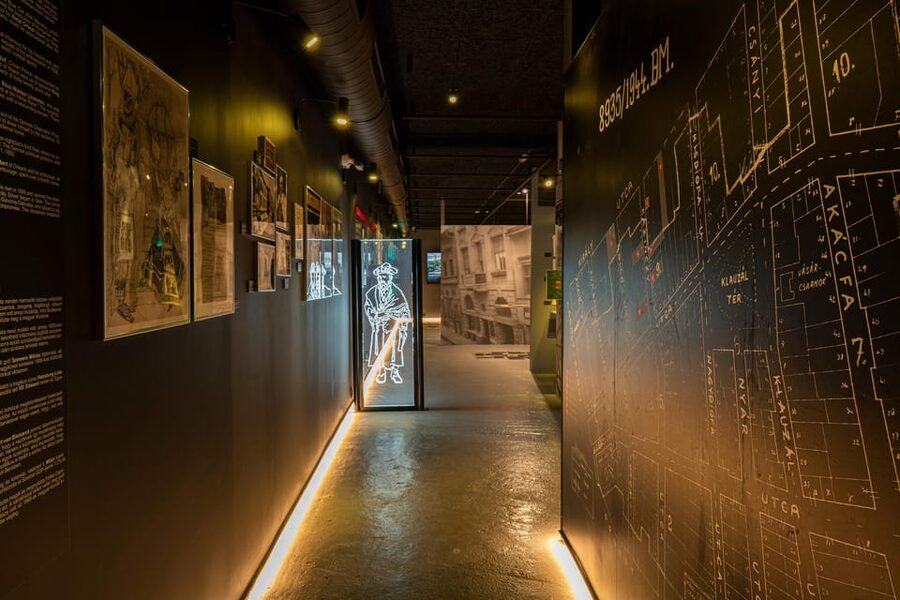
The museum is not only about the building itself. It is designed to bring to life Kazinczy Street through several surrounding buildings and the era they represent. The time period centers on the late 19th century and moves into the interwar years, so you get a sense of change, not just one frozen moment.
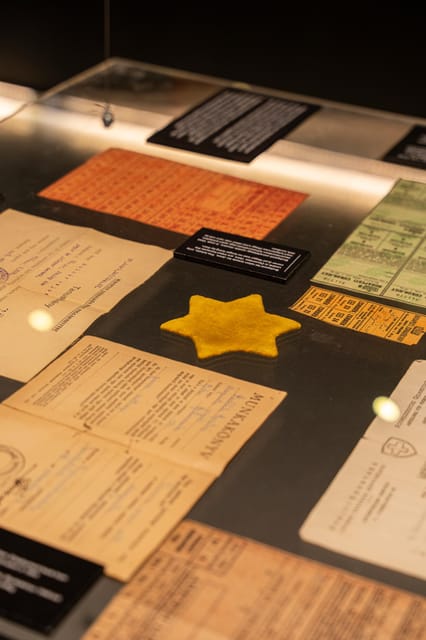
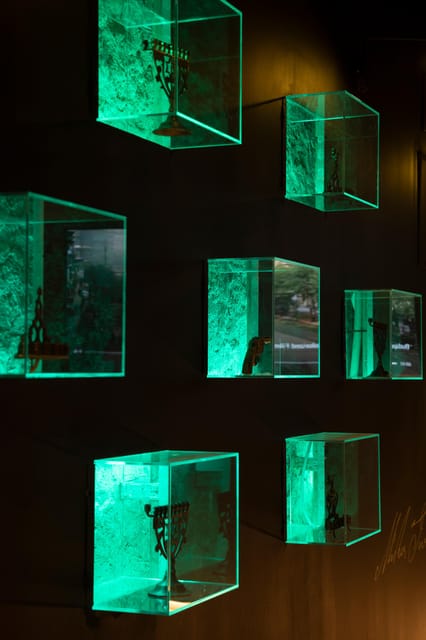
Inside, the museum experience is built around scenes and storytelling. You will encounter authentic installations and period-leaning displays that use photos and written narratives to connect people, places, and events. The museum also puts effort into showing how Hungarian history ties into broader European power struggles and how different ethnic communities lived across the region.
That “who lived here, and what did they do” approach is one of the reasons the museum feels useful, even if you are not a museum person. It is not just dates. It is a setting, social life, entertainment venues, and real-world connections that help you understand why Budapest developed the way it did.
You will also see how the story shifts across major historical moments, including how the property looked during World War II. And there are neighborhood links that go beyond the museum walls, so the area makes more sense when you walk out afterward.
The Chapter Moments That Make It Feel Like Time Travel
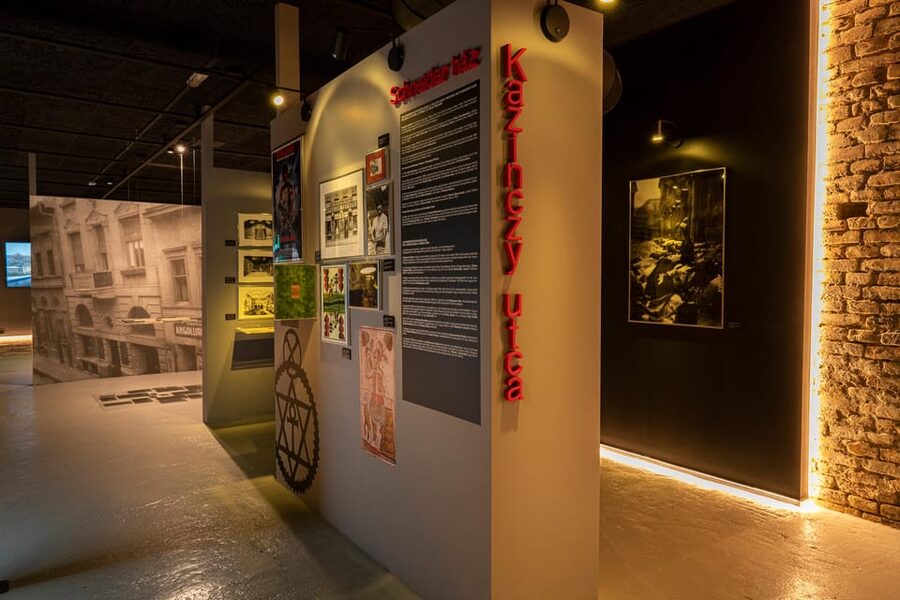
The most memorable part is how the museum compresses time. You go from legendary visitors to entertainment trends to big political eras, all tied to the same street story.
One set of highlights is the museum’s inclusion of iconic guests and figures associated with the property and its era. Among the names you may encounter through the audio chapters are King Edward VII of the United Kingdom, German statesman Otto von Bismarck, and Milan I of Serbia. Even if you only recognize one or two names, the structure helps you understand how international power and prestige reached Budapest through places like this.
The museum also nods to famous entertainment and culture. You will come across the history of the Blue Cat, one of Europe’s famous cabaret venues that once operated here. The museum story also covers Hungary’s first cinema opening on this very spot, with Michael Curtiz, the Oscar-winning director of Casablanca, beginning his film career. If you care about film history, this is a fun thread to follow.
Then the museum plays with surprising connections. The audio includes a surprising link involving Sylvester Stallone and Arnold Schwarzenegger connected to a tiny house on Kazinczy Street. It is the kind of detail that makes you smile while you realize the neighborhood still echoes with stories.
And if you like history that crosses borders, there is even a connection between veterans of the 1848 to 1849 Hungarian Revolution and their role in the Mexican Civil War. It is a sharp reminder that migration, politics, and personal stories travel further than you expect.
A few more Budapest outings worth comparing
- Budapest: Széchenyi Spa Day Ticket with Optional Upgrades
★ 4.3 · 23,911 reviews - Budapest: Parliament Building Entry Ticket and Audio Guide
★ 4.5 · 3,844 reviews - Budapest: Cinema Mystica Entry Ticket
★ 4.3 · 3,103 reviews - Budapest Széchenyi Thermal Spa Ticket
★ 4.0 · 2,178 reviews
Budapest’s Party District, With Context, Not Just Flash
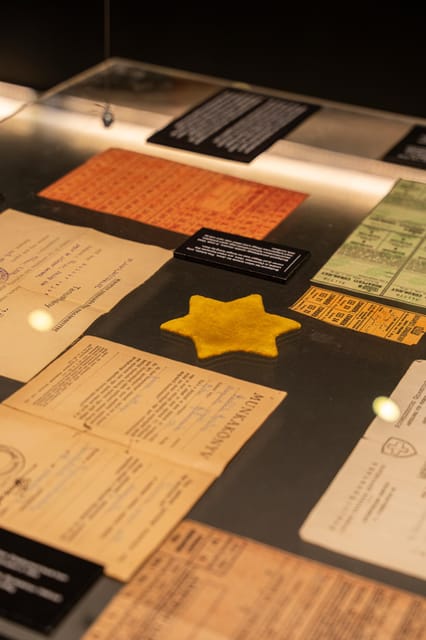
A big reason this museum earns strong feedback is that it tackles the “party district” story with context. Kazinczy Street is famous for nightlife now, but the museum reframes that area as a historical social hub where entertainment, nightlife, and changing cultures overlapped.
You may also encounter the story of Europe’s most famous brothel scene through the exhibits. That sounds sensational, but the museum approach is more about meaning and setting than shock value. It helps explain why particular kinds of venues took root in certain neighborhoods and what “local life” looked like during different eras.
The museum also touches on the Budapest Ghetto and connects stories of everyday life to larger European events. It is still a short visit, but the structure aims to help you connect these themes to what Hungary experienced across eras of power, conflict, and shifting identities.
If you are the kind of traveler who likes to understand the “why” behind what you see outside, this works well. You will walk out with a different feeling about the street and the buildings.
Cocktails While You Read the Chapters
The museum experience is not just quiet viewing. There is an onsite cocktail bar and restaurant, and it can work as a mental reset while you explore. If you want to turn your visit into a casual outing, this is a practical bonus.
I like that the bar is part of the destination, not a separate plan you have to add. That matters if your Budapest day is packed and you need flexibility. You can time your museum visit, then linger for a drink without stepping into the next logistics puzzle.
The onsite setup also supports the museum’s mood. The experience is designed to feel like a storyhouse, with audio voice effects adding atmosphere while you read. Even simple background tunes can help you stay focused on each chapter as you move from one scene to another.
Languages, Audio, and Tips for a Smooth Self-Guided Visit
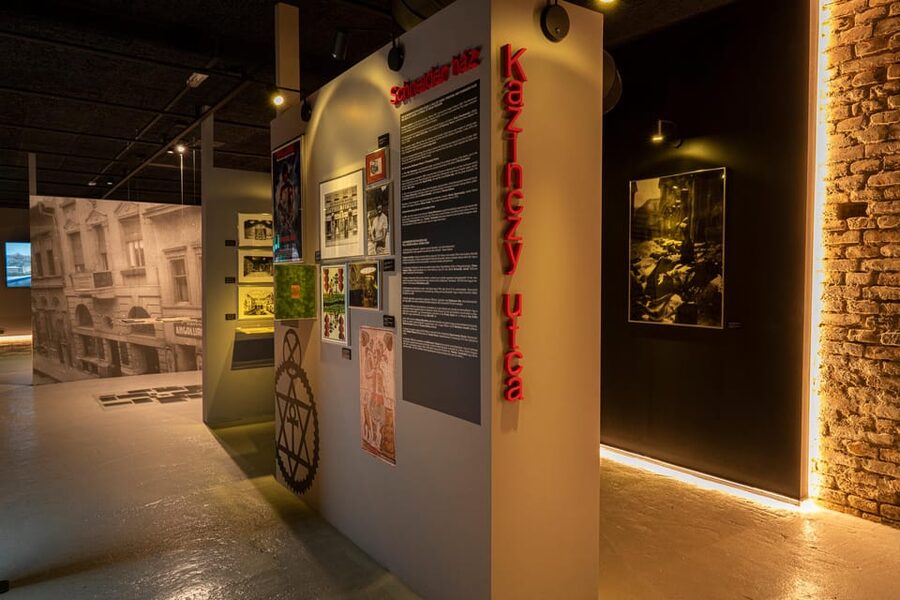
This ticket includes 8 languages, and the audio runs through your mobile device. The museum also includes voiceovers and voice effects, which helps you understand chapter transitions without needing a spoken guide in the room.
Here is the practical trick: make sure your phone is ready before you arrive. A charged battery is essential. Also, plan on using the free Wi-Fi inside if you need it, since it is provided on site.
You will use the museum audio guide by scanning QR codes, then pressing play on your own phone. That is a big plus because you control volume and pacing. If you want to pause and read a label twice, you can. If you want to speed up a chapter, you can.
One more small detail that helps: the museum setup includes a printed flyer. Even if you mostly rely on audio, the flyer can help you get your bearings fast and understand how the stories are organized.
Where This Fits in Your Budapest Day
This is a great ticket when you have a short window in central Budapest. Because it is timed around 30 minutes, it can plug into a day that includes major sights nearby or a slow day in District VII.
I also think it pairs well with Kazinczy Street evening plans. You can come earlier to get the historical context, then return later for the atmosphere. The museum gives you that “daylight understanding,” so the nightlife feels less random and more layered.
If you prefer quiet museums, you will still enjoy this, but it is a more social-feeling stop than a traditional gallery. If you are not into alcohol-related environments, you can ignore the bar and treat it purely as a museum ticket. The core experience still runs on the audio storytelling and exhibits.
Who Should Book This Secret Museum Ticket
This ticket is a good fit if you want:
- A compact museum with a strong sense of storytelling
- Self-guided freedom, so you do not need to match someone else’s group pace
- A visit with audio in 8 languages that you can follow using your own phone
- A history stop tied to the real neighborhood you are walking through
It is also a solid value pick if you want something central but affordable. For the price, it includes phone audio, voice effects, and free Wi-Fi support.
It is less ideal if you need wheelchair access, since it is listed as not suitable for wheelchair users. If that is you, look for an alternate museum option in Budapest with accessible paths.
Price and Value: Why $5 Makes Sense Here
At around $5 per person, the ticket is easy to justify. The value is not only in the low price, it is in what you get for understanding. Free Wi-Fi, phone-accessible audio in 8 languages, voice effects, and a printed flyer all reduce friction for visitors.
Even the “no guide included” setup is part of the value. You are not paying for a group guide, and you do not have to wait in a traditional guided queue. You check in at the reception, get a quick orientation, and then move through chapters when you want.
For me, that is the key. A cheap ticket can still feel cheap if the content is thin. Here, the experience aims to be content-heavy in a small area, so you feel you are using your time well.
Should You Book the Mika Tivadar Secret Museum?
Book it if you like museums that tell stories and connect buildings to real people. This ticket is especially worth it if you want Kazinczy Street history with entertainment venues, international names, and cross-border links stitched into one short visit.
Skip it only if you are looking for a big, traditional museum with lots of room to wander. This is more structured and smaller in scale, and it relies on your smartphone for the full experience.
If you have 30 to 60 minutes and want something different from the usual Budapest checklist, this is a smart add-on. You will leave with a clearer picture of how the area became what you see today, and you will have done it for a price that is hard to beat.
FAQ
Where do I meet for the Mika Tivadar Secret Museum entry ticket?
You meet at Hotel Mika Downtown reception. That is where you are greeted and given a flyer and a brief explanation of what you will discover.
How long does the museum visit last?
The duration is listed as 30 minutes. Check available starting times when you book.
Is there a museum guide included?
No. There is no museum guide or tour guide included. You get a greeting and a short explanation, then you explore using the voice chapters on your mobile.
Do I need a smartphone?
Yes. You should bring a charged smartphone because the audio guide is accessible on your mobile. The museum also offers free Wi-Fi.
How many languages are available?
Audio is available in 8 languages, with voiceovers for each chapter.
Is there an onsite bar or restaurant?
Yes. There is a cocktail bar and restaurant onsite, and the bar is open during the visit.
Is the museum wheelchair accessible?
No. It is listed as not suitable for wheelchair users.
Latest to land in Budapest
- Visegrád Hike & Castle Tour with Ferry from Budapest★ 4.6 · 3 reviews
- Budapest: Vacation Photographer to collect great memories★ 5.0 · 49 reviews
- Trash Art Museum: Hungary’s First Scrap Metal Exhibition★ 4.3 · 72 reviews
- True Crime Walking Tour in the Buda Castle district★ 5.0 · 26 reviews
- Budapest: 3-Hour Trabant Sightseeing Tour★ 4.7 · 28 reviews
- Audio visual multi-sensory chefs journey dinner experience★ 5.0 · 3 reviews
- Private Szentendre and Vac Tour from Budapest with Transport★ 5.0 · 3 reviews
- Wine Tasting in the Countryside from Budapest★ 5.0 · 14 reviews
Museums, compared.

Budapest Card: Free Public Transport, Spa & Museums with Delivery
Read our review →
Budapest Dohany Synagogue & Hungarian Jewish Museum & free extras
Read our review →
Skip the Line: Budapest Pinball Museum Admission Ticket
Read our review →

Trash Art Museum: Hungary’s First Scrap Metal Exhibition
Read our review →Browse the lists this tour appears in