
Reviewed · MUSEUMS
Budapest: Museum of Ethnography Official Entry ticket
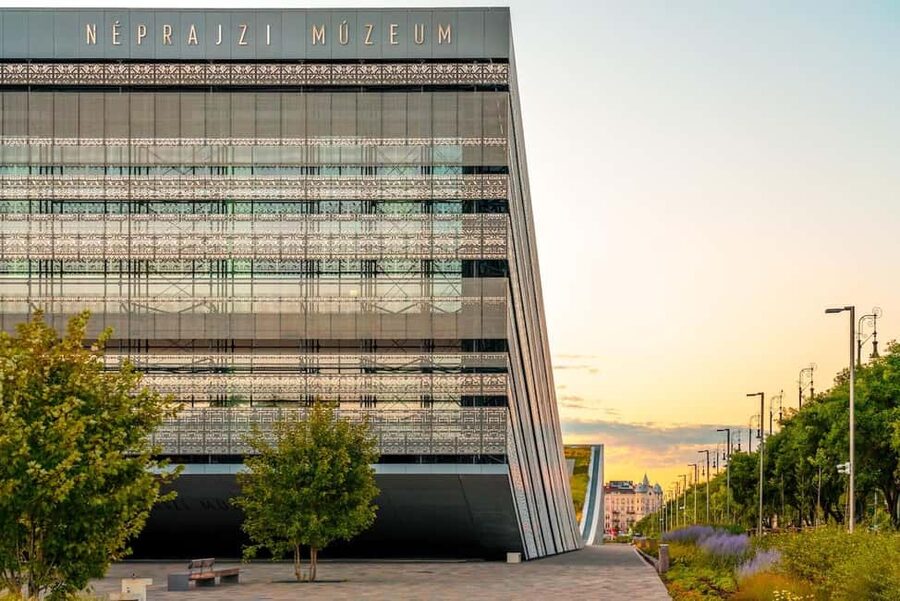
Budapest’s folk culture gets a modern makeover. The Museum of Ethnography in Budapest is built for curious minds, with a cutting-edge new home that opened in 2022 and a huge collection designed for real looking, not just passing through. I like how the ticket gives you full access to the museum’s exhibitions, so you can move at your own pace through everything from 17th-century artifacts to today.
What I really enjoyed is the scale and variety: about 225,000 ethnographic objects, plus archives of photographs, manuscripts, and folk music recordings. You also see how research shapes what the museum shows, including projects on contemporary social phenomena. One thing to consider, though, is that entry can be strict near closing time, so treat posted closing hours as a hard stop rather than a suggestion.
In This Review
- Quick hits before you go
- What this Budapest ticket actually gets you
- A smart way to plan your 1-day self-guided visit
- ZOOM exhibition space, from a museum big bang to a museum galaxy
- The 2024 Collection Exhibition, how viewpoints change what you see
- Folk art and everyday life, Hungarian and global traditions in one place
- Archives on display, photos, manuscripts, audio, and films
- Contemporary social phenomena, ethnography doesn’t stop in the past
- Practical rules that can trip you up
- Price and value, when a free ticket really pays off
- Who should book this museum ticket
- Should you book this Museum of Ethnography ticket?
- FAQ
- How long is the Museum of Ethnography Budapest ticket valid?
- Does this ticket include guided tours?
- Are audio guides included?
- Does the ticket include access to all exhibitions?
- Is the museum wheelchair accessible?
- Are backpacks allowed inside?
- Are pets allowed in the museum?
- What is the cancellation policy?
Quick hits before you go
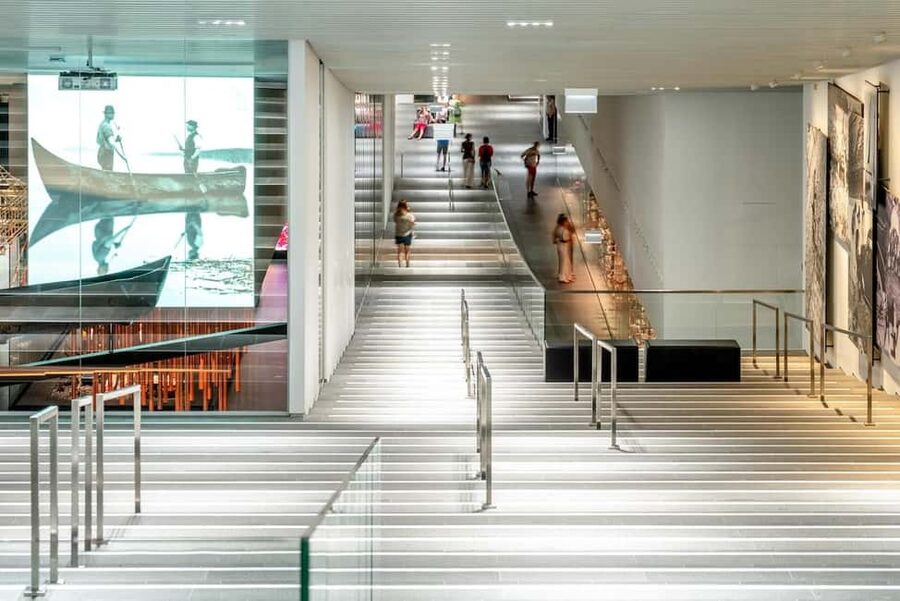
- A modern museum building (opened in 2022) that changes the feel of ethnography from dusty to current.
- 225,000 ethnographic artifacts spanning Hungarian and global folk cultures, from the 1600s to now.
- ZOOM exhibition space, where the collection is presented as a big, ordered “museum galaxy” rather than neat little boxes.
- Archives of photos, manuscripts, audio, and films that help you understand traditions as people practiced them.
- Contemporary research projects that connect folk studies to today’s social questions.
What this Budapest ticket actually gets you
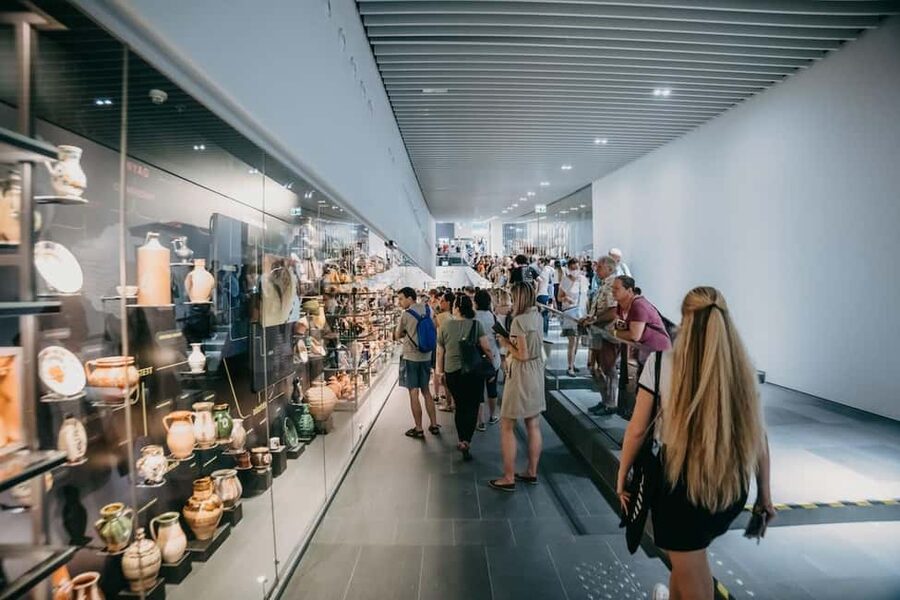
This entry ticket is simple and flexible. It includes access to every exhibition the Museum of Ethnography has to offer, and it covers a 1-day visit. There are no guided tours included, and no audio guide is provided, so you’ll rely on the museum’s own signage and exhibit text.
That matters because this is the kind of museum you enjoy by choosing your own path. If you like reading labels, comparing objects, and spending time with media like photos or recordings, you’ll get more out of it. If you prefer a timed walkthrough with a guide doing the explaining, you might feel a bit on your own here.
Also, the rules are clear. You can’t bring backpacks, you can’t touch exhibits, and you can’t bring pets (assistance dogs are allowed). So plan for a lighter day than a typical city sightseeing run.
More Museum Visits in Budapest:
- Budapest: Cat Museum Budapest Entry Ticket
★ 4.4 · 2,210 reviews - Budapest: Light Art Museum Skip-the-Line Entry Ticket
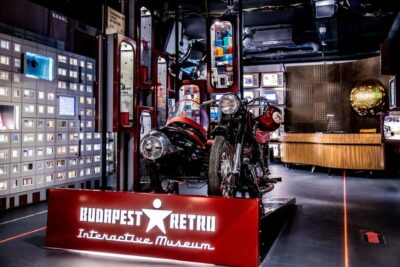
★ 3.9 · 1,531 reviews - Budapest: Budapest Retro Interactive Museum Ticket
★ 4.4 · 569 reviews
A smart way to plan your 1-day self-guided visit
With a ticket that’s valid for one day and includes all exhibitions, the key is pacing. Don’t try to “see everything” in a checklist sense. Instead, pick a theme and build your day around it, because the museum’s collection is large and multi-layered.
Here’s a practical flow you can copy:
- Start with the museum’s main collection presentation so you get its organizing idea first.
- Then spend focused time in ZOOM and any exhibit sections tied to the idea of turning “chaos into order.”
- After that, choose one or two areas where the archive format shows up most clearly, like photo, manuscript, or folk music related displays.
- Finish by looking for the parts that connect ethnography to the present, especially projects discussing contemporary social phenomena.
If you’re short on time, prioritize the Collection Exhibition (opened in 2024) and the ZOOM space. Those are the museum’s clearest “how it works” experiences, and they help you understand why the collection is presented the way it is.
ZOOM exhibition space, from a museum big bang to a museum galaxy
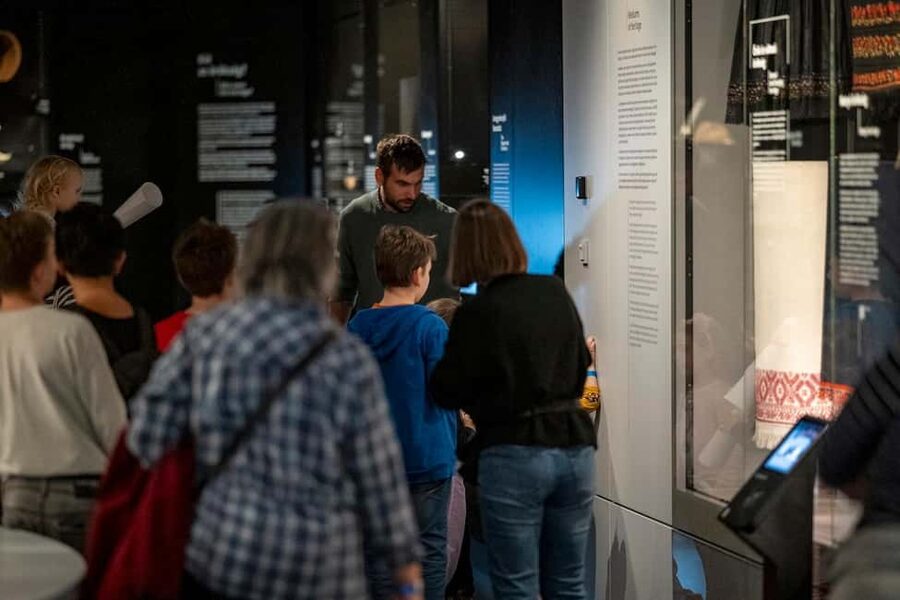
The museum’s ZOOM exhibition space is worth treating as the heart of the visit. The collection material is described as something like the starting point of a big event, then later shaped through systematisation and interpretation. Translation: you’re not just looking at objects, you’re watching the museum think.
The exhibit’s concept is that the collection begins as a kind of pile of “raw material,” then becomes a structured story. That means you should slow down and pay attention to how sections are framed. Look for cues about perspective, grouping, and interpretation. The museum is explicitly trying to show that different ways of looking lead to different meanings.
This is also where you’ll get a stronger sense of how museums function as systems, not just storage. If you’ve ever wondered why one museum feels organized and another feels confusing, this is the kind of exhibit that gives you the answer. You’ll see interpretation as part of the experience, not just the background.
The 2024 Collection Exhibition, how viewpoints change what you see

The Collection Exhibition opened in 2024 is designed around a big idea: how a museum galaxy forms when curators and researchers sort, label, and interpret a huge amount of material. It moves across historical points of view and asks you to consider the same problem from different angles.
For you, that’s a gift. Folk culture can be hard to grasp if you only see it as tradition or costume. Here, the museum pushes you to think about how meaning gets built. When perspectives shift, the story changes too.
When you’re walking through this section, try to notice two things:
1) What time period the exhibit emphasizes, since the collection runs from the 17th century to the present.
2) What kind of evidence the exhibit uses, since the museum brings together objects plus photographs, manuscripts, audio recordings, and films.
Even if you don’t read every label, the structure helps you connect different forms of culture: how people lived, how communities organized everyday life, and how tradition traveled across regions and generations.
A few more Budapest outings worth comparing
- Budapest: Széchenyi Spa Day Ticket with Optional Upgrades
★ 4.3 · 23,911 reviews - Budapest: Parliament Building Entry Ticket and Audio Guide
★ 4.5 · 3,844 reviews - Budapest: Cinema Mystica Entry Ticket
★ 4.3 · 3,103 reviews - Budapest Széchenyi Thermal Spa Ticket
★ 4.0 · 2,178 reviews
Folk art and everyday life, Hungarian and global traditions in one place

The museum’s scope is a big reason to prioritize it in Budapest. You’re looking at one of Europe’s modern ethnographic museums, with a collection that spans Hungarian and global folk cultures. That means you can compare how different societies express community life through material culture and recorded practice.
In a practical sense, the museum is helping you see that “folk” is not one style. It’s a range of community behaviors, crafts, rituals, and daily routines. Some of the material is about everyday life. Some is about belief and practice. Some is about how people recorded their own worlds through tools, documents, and performances.
If you want to make this section click, pick a comparison question before you start. For example:
- How does the exhibit show work and home life?
- What evidence is used to represent tradition, objects or media?
- How does the museum frame continuity versus change over time?
This approach keeps you from getting lost in the sheer number of items. You’ll still feel the scale, but you’ll keep your day anchored to a few questions.
Archives on display, photos, manuscripts, audio, and films
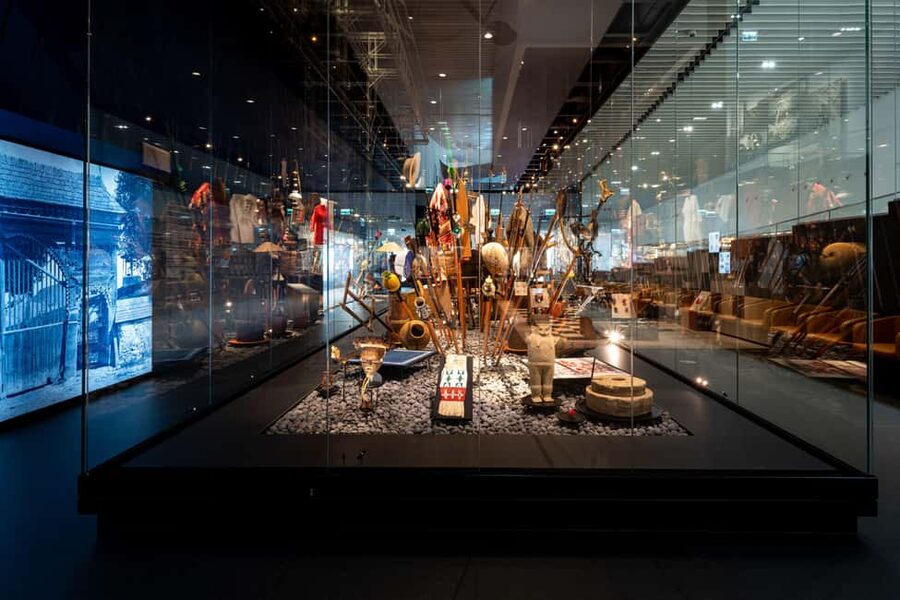
One of the most useful strengths of this museum is how it treats ethnography as more than objects. The museum brings together hundreds of thousands of photographs, drawings, manuscripts, audio recordings, and films alongside the core artifacts.
That matters because traditions are rarely lived as a single snapshot. They are performed, repeated, remembered, and adapted. When the museum shows those different formats together, it becomes easier to understand how culture survives.
How you should use this:
- If you see photo or drawing displays, spend extra time on context. Who created it, and what moment does it capture?
- If you encounter audio or music-related recordings, treat them like evidence, not entertainment. Listen for the way performance and community are implied.
- If you see manuscripts, don’t rush past them. Even a small readable fragment can shift how you understand the object in the room.
This is also a good area for people who like arts and humanities overlap. You get a blend of visual culture and social study, all tied to real records.
Contemporary social phenomena, ethnography doesn’t stop in the past
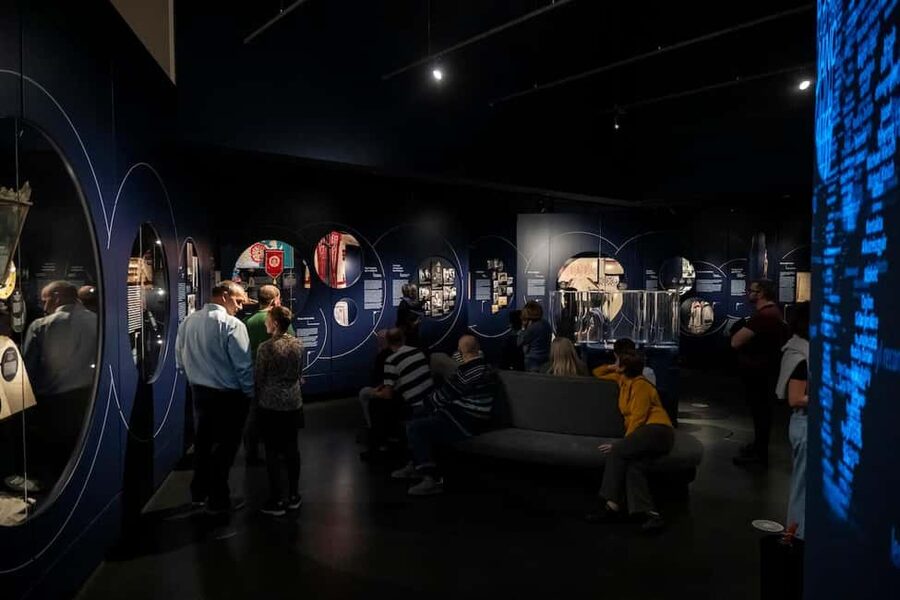
A museum of ethnography can sometimes feel like a time capsule. Here, the museum explicitly includes research connected to contemporary social phenomena. That’s important if you’re visiting in the modern day and wondering what ethnography has to do with your own life.
Instead of treating tradition as frozen, the museum is positioned as a hub for research and education. The exhibits link cultural study to present-day questions about society and community life. Even if your interests are more travel and culture than academic theory, this kind of section helps you leave with a bigger brain, not just more photos on your phone.
In your day plan, don’t skip this part. It’s one of the best places to end your visit. After hours of learning about the past and how culture was recorded, it’s satisfying to see how researchers study how people live now.
Practical rules that can trip you up
The museum’s policies are strict enough that you should plan around them. You can’t bring weapons or sharp objects. You can’t bring pets, except assistance dogs. You can’t touch the exhibits. You can’t show up intoxicated. And the big one for comfort: backpacks are not allowed.
If you’re coming from a morning of walking around town, this can affect your whole schedule. You’ll want a bag plan before you reach the door. Since you might not be allowed to bring a backpack inside, consider traveling with a small crossbody or wearing a day bag style that fits within what the museum allows. If you’re unsure, check with the museum before your visit rather than hoping.
One more caution based on a real booking experience: entry can be denied if you arrive too close to closing time. So don’t treat the last hour as a guarantee. Build in buffer time, and aim to enter earlier rather than later.
Price and value, when a free ticket really pays off
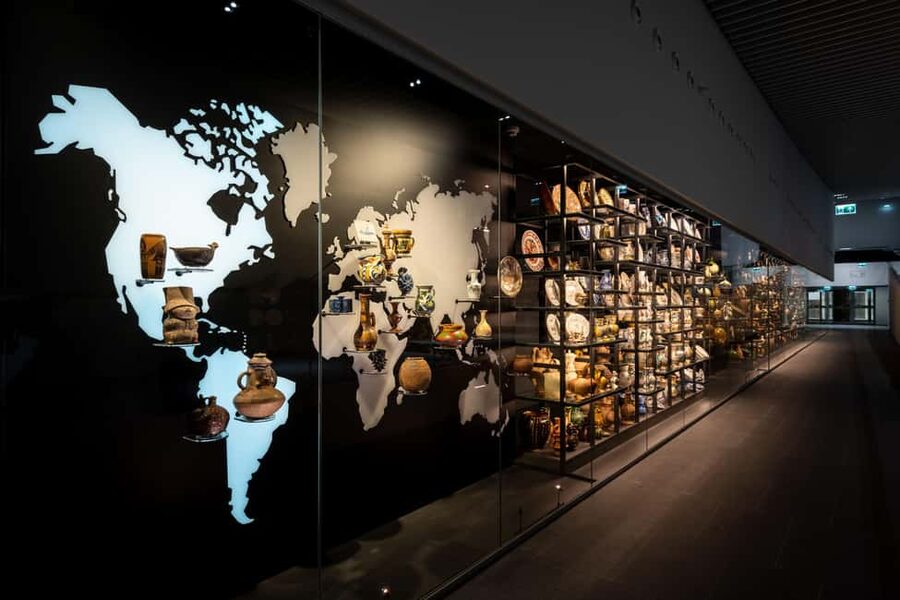
The price shown is $0.00 per person. If you can get in for free, this is unusually good value. The museum offers access to all exhibitions, and the collection scale is massive: roughly 225,000 artifacts plus vast image and media archives.
A free ticket is never just about saving money. It’s about giving you permission to spend time. Since you’re not paying per hour, you can slow down and actually do the thing museums are best at: looking closely and reading thoughtfully.
If you do end up paying a fee in a different circumstance, the value still comes from the combination of:
- modern museum design since 2022
- broad collection coverage from historical to current materials
- strong emphasis on archives and research
Who should book this museum ticket
This is a strong match if you:
- like museums that explain how knowledge is built, not just what exists
- enjoy ethnography, anthropology, folk arts, and social history
- want a culture stop in Budapest that isn’t the same format as typical art galleries
- like self-guided exploring, with time to read and compare
You might skip it if you need a fully guided experience, because guided tours are not included and there are no audio guides. You can still read your way through, but the museum won’t hand-hold you.
Should you book this Museum of Ethnography ticket?
Yes, I’d book it if you want a Budapest visit that mixes objects, media archives, and research thinking in one place. The modern building and the scale of the collection make it easy to justify a full day, especially when the ticket price is listed as $0.00 and access covers the museum’s exhibitions.
Just go in with two expectations: bring a lighter load so you can handle the no-backpack rule, and don’t gamble on arriving at the edge of closing time. If you plan around those, you’ll get a memorable day of culture that feels both grounded in tradition and connected to the present.
FAQ
How long is the Museum of Ethnography Budapest ticket valid?
The ticket is valid for 1 day.
Does this ticket include guided tours?
No. Guided tours are not included.
Are audio guides included?
No. Audio guides are not included.
Does the ticket include access to all exhibitions?
Yes. It includes access to every exhibition the Museum of Ethnography has to offer.
Is the museum wheelchair accessible?
Yes. The venue is wheelchair accessible.
Are backpacks allowed inside?
No. Backpacks are not allowed.
Are pets allowed in the museum?
Pets are not allowed. Assistance dogs are allowed.
What is the cancellation policy?
You can cancel up to 24 hours in advance for a full refund.
Latest to land in Budapest
- Visegrád Hike & Castle Tour with Ferry from Budapest★ 4.6 · 3 reviews
- Budapest: Vacation Photographer to collect great memories★ 5.0 · 49 reviews
- Trash Art Museum: Hungary’s First Scrap Metal Exhibition★ 4.3 · 72 reviews
- True Crime Walking Tour in the Buda Castle district★ 5.0 · 26 reviews
- Budapest: 3-Hour Trabant Sightseeing Tour★ 4.7 · 28 reviews
- Audio visual multi-sensory chefs journey dinner experience★ 5.0 · 3 reviews
- Private Walking Tour in The Jewish District Budapest★ 4.5 · 16 reviews
- Private Szentendre and Vac Tour from Budapest with Transport★ 5.0 · 3 reviews
Museums, compared.


Budapest Card: Free Public Transport, Spa & Museums with Delivery
Read our review →
Budapest Dohany Synagogue & Hungarian Jewish Museum & free extras
Read our review →
Skip the Line: Budapest Pinball Museum Admission Ticket
Read our review →

Trash Art Museum: Hungary’s First Scrap Metal Exhibition
Read our review →Browse the lists this tour appears in