
Reviewed · WALKING TOURS
Budapest: Walking Tour in German
Budapest reads better with someone explaining it. This German-speaking walking route links the city’s oldest streets with headline sights like St. Stephen’s Basilica.
You get a tight, friendly orientation to how Budapest grew and why it still looks the way it does.
I also really like the payoff at the end. The mix of Buda Castle fortifications, Gothic Matthias Church, and the classic high viewpoints makes it easy to understand the city at a glance.
One consideration: it is mainly on foot, but you do use public transport to cross the Danube from Pest to the Buda side. Public transport tickets cost 1400 HU per person (4 tickets) and are not included, and shorts are not allowed.
In This Review
- Key things you will notice on this Budapest German walk
- Meeting at St. Stephen’s Basilica, then a 3-hour loop
- A German guide that turns landmarks into real meaning
- Crossing the Danube from Pest to Buda without losing the rhythm
- Leopoldstadt and the Chain Bridge, where the city’s geometry becomes obvious
- St. Stephen’s Basilica plus Parliament and the civic power stops
- Buda Castle fortress walls and Matthias Church, with Gothic details you will actually look for
- Fisherman’s Bastion viewpoints, the payoff you plan your timing around
- The 1,100-year story, told in a way that sticks
- Pace, clothing rules, and who this is best for
- Price and logistics: is $41 a good deal for this route?
- Should you book this Budapest Walking Tour in German?
- FAQ
- What language is the guide for the Budapest walking tour in German?
- How long is the walking tour?
- Where do I meet for the tour?
- Is public transport included?
- How much do public transport tickets cost?
- Are there any clothing rules?
- Is the tour mainly walking?
- What is included in the price?
- Can I cancel for a refund?
- Is private or small group available?
Key things you will notice on this Budapest German walk
- German guide on the route, so you are not piecing together signs and guesses
- St. Stephen’s Basilica as a main anchor, not a quick photo stop
- Buda Castle Quarter plus Matthias Church, with the Gothic details you actually want to see
- Fisherman’s Bastion viewpoints, the kind you remember even when the rest fades
- History tied to places, covering about 1,100 years of Hungarian change
- High guide praise for extra touches, with named guides like Ewa, Ursula, and Monika showing up for their warm, helpful style
Meeting at St. Stephen’s Basilica, then a 3-hour loop
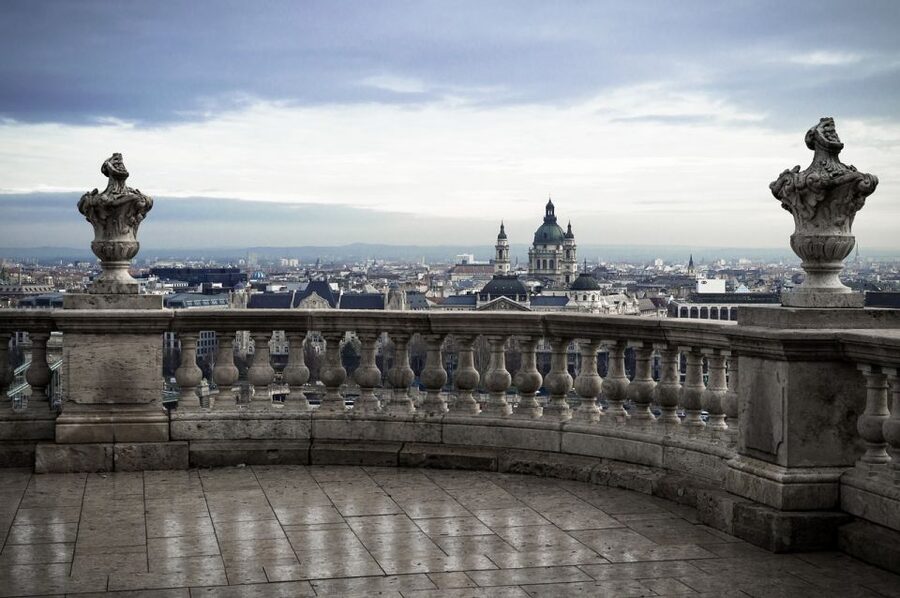
This tour starts right where most first-time visitors feel oriented, next to St. Stephen’s Basilica. The meeting spot is in front of the California Coffee Company coffee shop, just beside the basilica area.
The total time is 3 hours. That matters because Budapest has a lot to see, and 3 hours is long enough to connect dots, but short enough that you are not stuck in a slow, end-of-day shuffle.
A smart way to prep: arrive 10 minutes early, look around the basilica facade, and use that moment to pick which photos you want first. If you start with your top two, you will feel in control instead of rushing to catch up.
More Walking Tours in Budapest:
- Budapest: Buda Castle Walk with Saint Stephen’s Hall
★ 4.5 · 3,012 reviews - Big Bus Budapest Hop-On Hop-Off Bus and Walking Tour
★ 3.5 · 2,206 reviews - Budapest: Buda Castle District Walking Tour
★ 4.6 · 2,108 reviews
A German guide that turns landmarks into real meaning
You are paying for more than walking. You are paying for someone to translate the city into context while you move.
A big win here is the language match. With a German-speaking guide, you can ask normal questions as you go, like why certain buildings face the way they do, or what different eras left behind. That direct Q and A is often where these tours become genuinely useful.
It also helps that guides are praised for being engaging and personal. Names like Ewa and Ursula come up for friendly, story-led explanations, and Monika gets credit for a practical restaurant suggestion that can make your evening plans easier. Even if you do not care about food tips, it tells you the guide approach is not robotic.
Crossing the Danube from Pest to Buda without losing the rhythm
The tour is mainly on foot, but it does not pretend Budapest is all walkable in one continuous line. You also take public transport to cross the Danube from Pest to the Buda side.
Two practical things to know:
- Tickets are not included. The info says it is 4 tickets per person for 1400 HU.
- This is not a “sit there forever” transfer. It is part of keeping your route efficient for a 3-hour experience.
If you do not want surprises, budget for that small extra cost. It is also a reminder that you should wear comfortable walking shoes, even if you think you are just doing city sightseeing.
Leopoldstadt and the Chain Bridge, where the city’s geometry becomes obvious
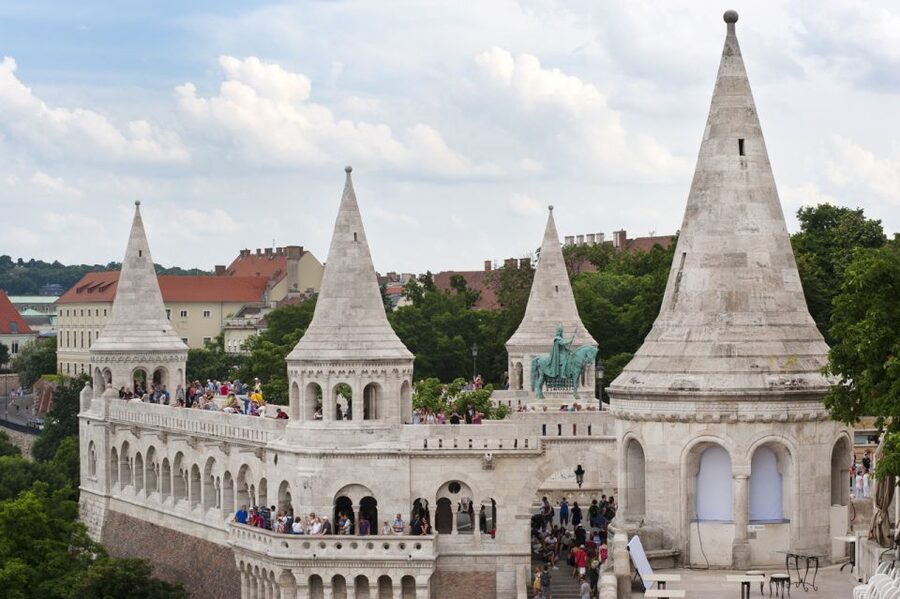
On this walk, you move through some of Budapest’s oldest zones, including Leopold Town (Leopoldstadt). That neighborhood stop is useful because it gives you a feel for how the city grew beyond its central core. You start seeing Budapest as layers, not one single postcard view.
Then you hit the Chain Bridge area. Even if you know the name, standing near it helps you understand why people keep photographing it. The bridge is not only a landmark, it is a visual hinge between worlds: the flat, historic Pest side and the hilltop, fortified Buda side.
What you should do here: pay attention to alignment. Notice how the bridge connects perspectives, and how the views change once you angle toward Buda. A good guide makes that “aha” moment happen faster than reading about it later.
A different sort of day out in Hungary:
- Budapest: City Highlights Sightseeing Cruise
★ 4.6 · 43,981 reviews - Budapest: Unlimited Prosecco, Beer and Aperol Spritz Cruise
★ 4.8 · 37,304 reviews - Budapest: Széchenyi Spa Day Ticket with Optional Upgrades
★ 4.3 · 23,911 reviews - Budapest: Nighttime or Daytime Sightseeing Cruise
★ 4.2 · 21,062 reviews
St. Stephen’s Basilica plus Parliament and the civic power stops
This tour gives you several major “this is Budapest” buildings, and it does it in a way that helps you connect what you see to how the country organized itself over time.
St. Stephen’s Basilica is a centerpiece. The reason it works on a short tour is simple: it is hard to misread. The size, the styling, and the role it plays in the skyline make it an easy starting point for understanding Budapest’s identity.
The route also includes the Hungarian Parliament area. That is where history stops being abstract. Seeing a civic building of that scale helps you grasp how national pride and state power express themselves in architecture.
You will also see the Royal Palace and the President’s Palace listed as part of the sights. On a walking route, these are not just backdrops. They frame the city’s story as “rule, institutions, and public life,” which is exactly what helps when you later walk on your own.
One small caution: these are big, visual stops, so the urge to keep stopping for photos can slow your pace. Let your guide set the timing, and then take your photos right when the group is positioned. You will get better angles without holding everyone up.
Buda Castle fortress walls and Matthias Church, with Gothic details you will actually look for
Once you are on the Buda side, the focus shifts upward and outward.
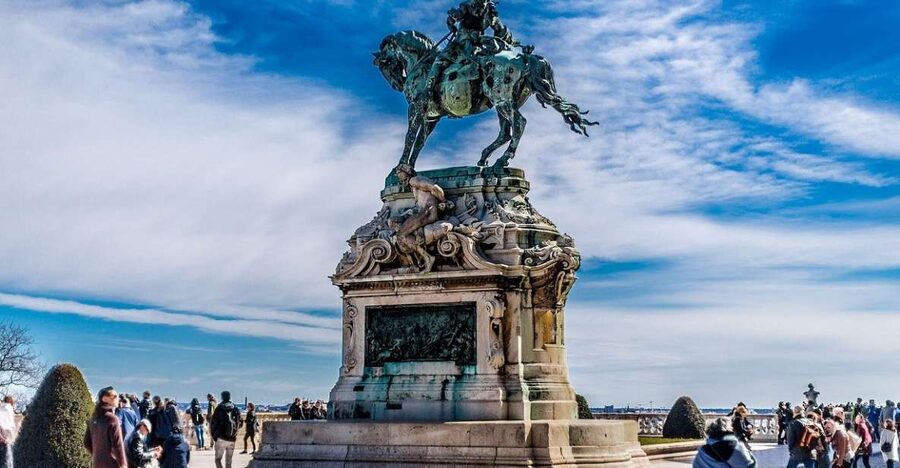
You visit the fortified Buda Castle and the Castle Quarter area. This is the “why the hill matters” part of Budapest. Fortifications change how streets feel, how buildings line up, and how you experience the city at walking speed. Even if you do not read every sign, you will feel the defensive logic in the terrain.
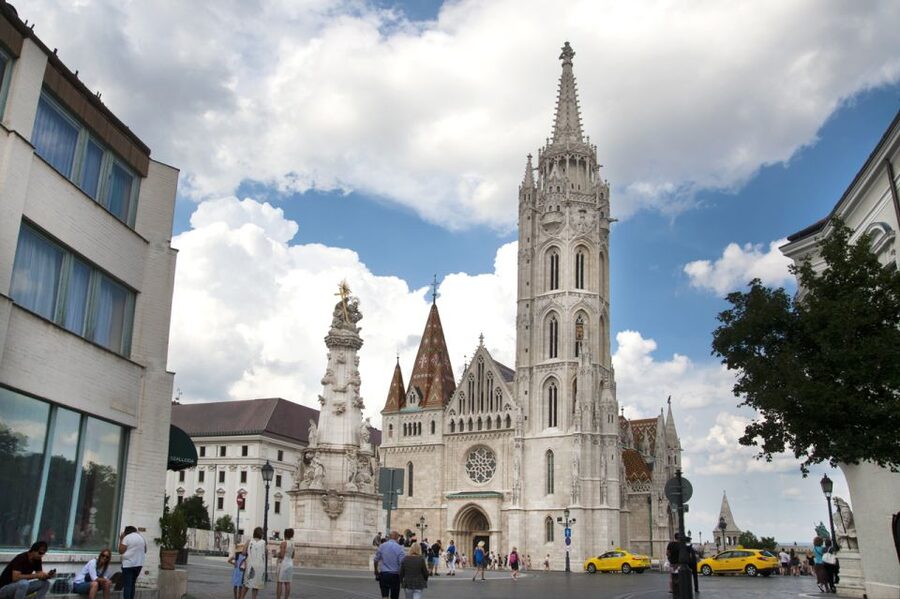
Then comes Matthias Church. This is where the Gothic architecture becomes more than a style label. When someone points out what makes it Gothic, you start noticing shapes and details that you would miss if you were just rushing for your next photo.
If you like architecture, this stop is worth leaning into. Look at the edges, not only the front. Look for how the church fits into the castle area rather than standing alone as a single monument.
Fisherman’s Bastion viewpoints, the payoff you plan your timing around
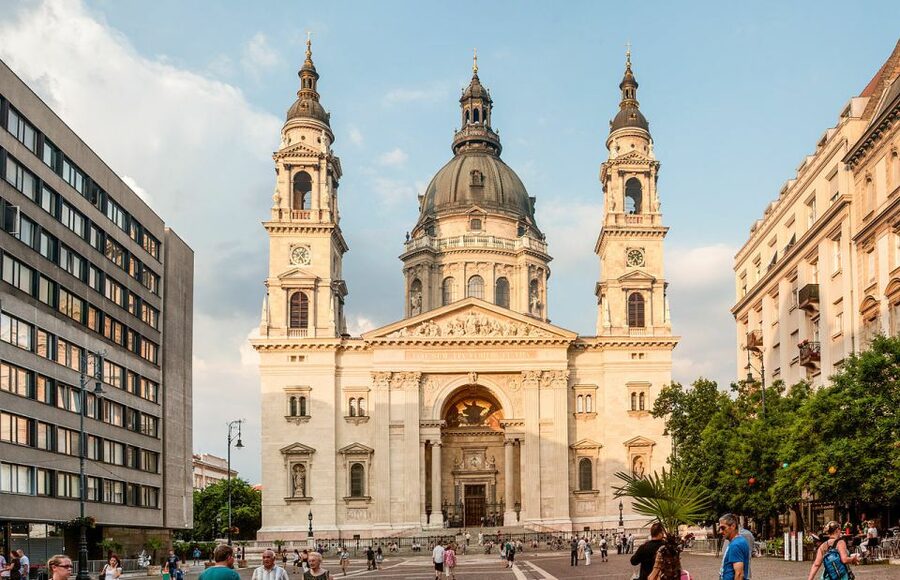
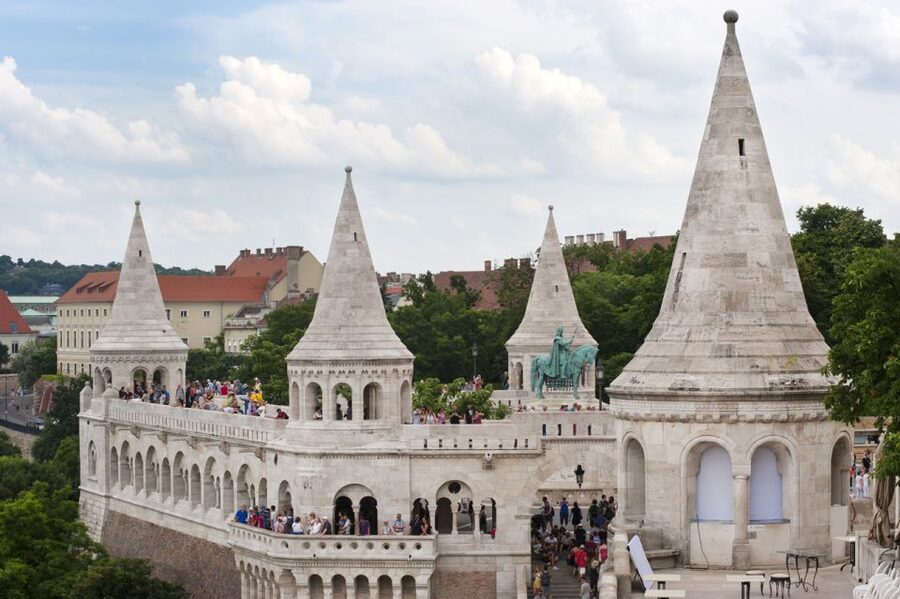
No 3-hour Budapest route would be complete without the views, and this one includes the Fisherman’s Bastion.
This is the part where the walking tour earns its keep. You get a sweeping outlook that helps you “read” Budapest as geography. From here, you can see how Pest and Buda sit against each other across the river, and why the bridges and hilltop monuments matter.
For your enjoyment, treat this as your photo anchor. Once you have that viewpoint in your memory, the rest of the sights start snapping into place.
Practical tip: bring water if you run hot. Viewpoints can take longer than expected, and the finish matters. You want to leave feeling energized, not like you are surviving.
The 1,100-year story, told in a way that sticks
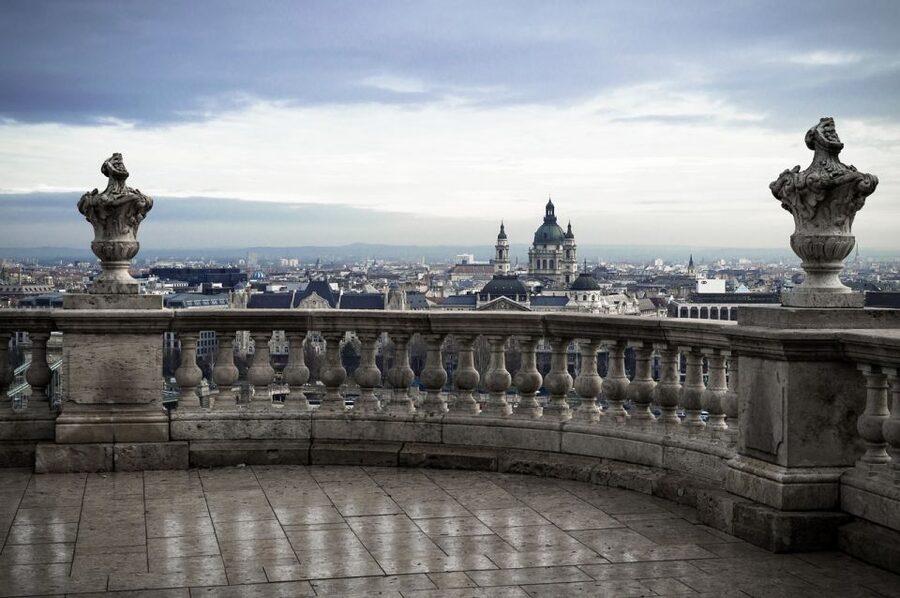
The tour’s promise is history across roughly 1,100 years of Hungarian change, from early conquest-era themes to later democratic developments. The key is that the story is connected to what you are standing in front of.
That connection is what makes history stick. A lecture in a museum can be forgotten by dinner. But when you walk past a civic building and then look at a church and then face a fortified castle wall, you understand how power and identity show up in stone.
It is also a good way to build context without turning your day into school. You are not asked to memorize dates. Instead, you learn how each period leaves a visual footprint, and you get a guided framework for what to notice later when you explore on your own.
I especially like this approach when I only have a few hours. Budapest is layered, and this tour helps you see the layering immediately.
Pace, clothing rules, and who this is best for
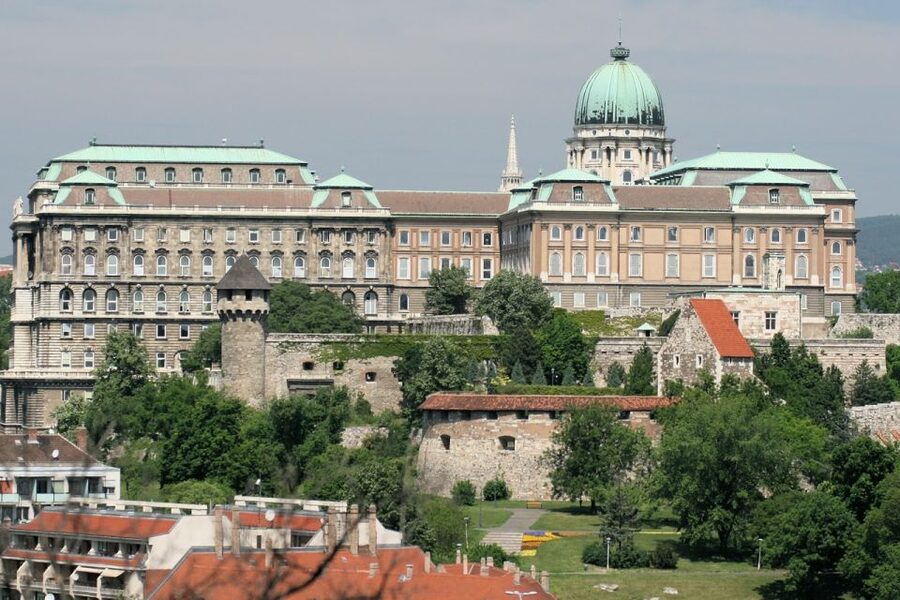
This experience is built for walking, with a short public transport cross-Danube segment. That means it suits people who:
- Want a structured overview without a full-day commitment
- Like asking questions and hearing explanations in German
- Enjoy architectural highlights like Matthias Church and big civic landmarks
Two “know before you go” notes matter:
- Shorts are not allowed. Plan on long pants or other cover.
- You will be walking, mostly on foot. Comfortable shoes are non-negotiable.
Group size is described as private or small groups available. Small groups usually mean fewer delays and more chances to ask questions without feeling rushed.
If you are traveling with kids, this can still work, but only if your group likes short attention bursts and you are okay with the fact that you will be outdoors and moving most of the time.
Price and logistics: is $41 a good deal for this route?
The listed price is $41 per person for 3 hours with a German-speaking guide.
Value comes from three places:
- You get a focused route that hits major landmarks, including St. Stephen’s Basilica, the Parliament area, Buda Castle, Matthias Church, and Fisherman’s Bastion.
- You get interpretation, not just sightseeing. A guide lets you connect what you see to how the country developed over time.
- You also save mental effort. Budapest is easy to “sort of understand.” It is harder to truly frame what you are looking at without help.
The one cost add-on is transportation on the Danube. Tickets are 1400 HU total for 4 tickets per person and are not included. If you budget for that, the “real” cost stays reasonable for a guided, multi-sight introduction.
Also, a quick confidence boost: the tour has a 4.9 rating from 135 reviews. That does not replace good judgment, but it does suggest the guide quality and pacing tend to work.
Should you book this Budapest Walking Tour in German?
I think you should book it if you want a clean start to Budapest, especially if German is a comfort language for you. In 3 hours, you cover the essentials plus viewpoint payoff. You also get enough history to guide your independent exploring later, without turning the day into a classroom.
Skip it if you hate public transport transitions and prefer fully walking routes. Also, if you need to wear shorts for comfort, this specific format will not work because shorts are not allowed.
If you do book, plan for comfortable shoes, bring patience for crowds near the basilica and viewpoints, and come with two questions you genuinely want answered. A good guide will do the rest.
FAQ
What language is the guide for the Budapest walking tour in German?
The live tour guide speaks German.
How long is the walking tour?
The duration is 3 hours.
Where do I meet for the tour?
Meet next to Saint Stephen’s Basilica, in front of the California Coffee Company coffee shop.
Is public transport included?
Public transport is used to cross the Danube from Pest to the Buda side, but public transport tickets are not included.
How much do public transport tickets cost?
The tour info says tickets are 4 tickets per person for 1400 HU.
Are there any clothing rules?
Shorts are not allowed.
Is the tour mainly walking?
It is mainly on foot, with a public transport segment for the Danube crossing.
What is included in the price?
The included item is the German speaking guide.
Can I cancel for a refund?
Yes, you can cancel up to 24 hours in advance for a full refund.
Is private or small group available?
Private or small groups are available.
Latest to land in Budapest
- Visegrád Hike & Castle Tour with Ferry from Budapest★ 4.6 · 3 reviews
- Budapest: Vacation Photographer to collect great memories★ 5.0 · 49 reviews
- Trash Art Museum: Hungary’s First Scrap Metal Exhibition★ 4.3 · 72 reviews
- True Crime Walking Tour in the Buda Castle district★ 5.0 · 26 reviews
- Budapest: 3-Hour Trabant Sightseeing Tour★ 4.7 · 28 reviews
- Audio visual multi-sensory chefs journey dinner experience★ 5.0 · 3 reviews
- Private Szentendre and Vac Tour from Budapest with Transport★ 5.0 · 3 reviews
- Wine Tasting in the Countryside from Budapest★ 5.0 · 14 reviews
Walking Tours, compared.

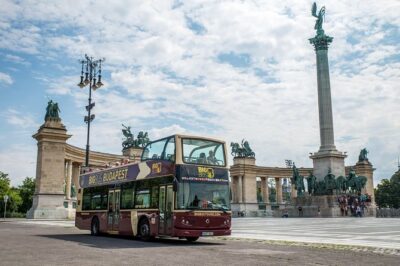
Big Bus Budapest Hop-On Hop-Off Bus and Walking Tour
Read our review →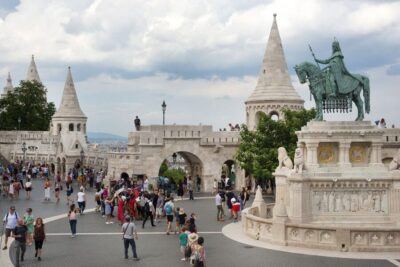
Budapest City Landmarks Walking Tour in 2 Hours
Read our review →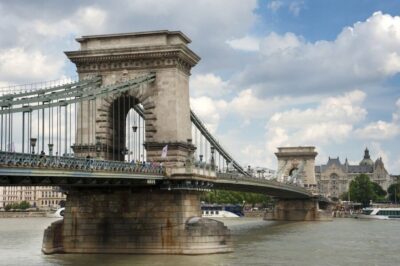
3-Hour Orientation Walking Tour of Buda and Pest
Read our review →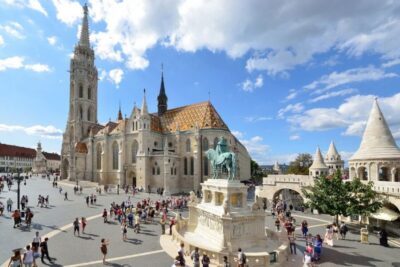
Budapest Historical Sightseeing – Free Walking Tour
Read our review →
Budapest All in One Small Group Walking Tour with Strudel Stop
Read our review →Browse the lists this tour appears in