
Reviewed · WALKING TOURS
Budapest Walking Tour with a Professional Local Guide
Budapest reveals its past on foot. This 3-hour walking tour mixes St. Stephen’s Basilica and the Castle of Buda with clear, human stories about life under Nazi and Communist rule, plus the artsy side of the city. I love how the guide turns history into something you can picture, and I love the smart hit-list of major sights without making the day feel exhausting. A fair heads-up: you still walk about 1.5 kilometers, and you’ll add a short public-transport ride to cross the river, so comfortable shoes and a flexible mindset help.
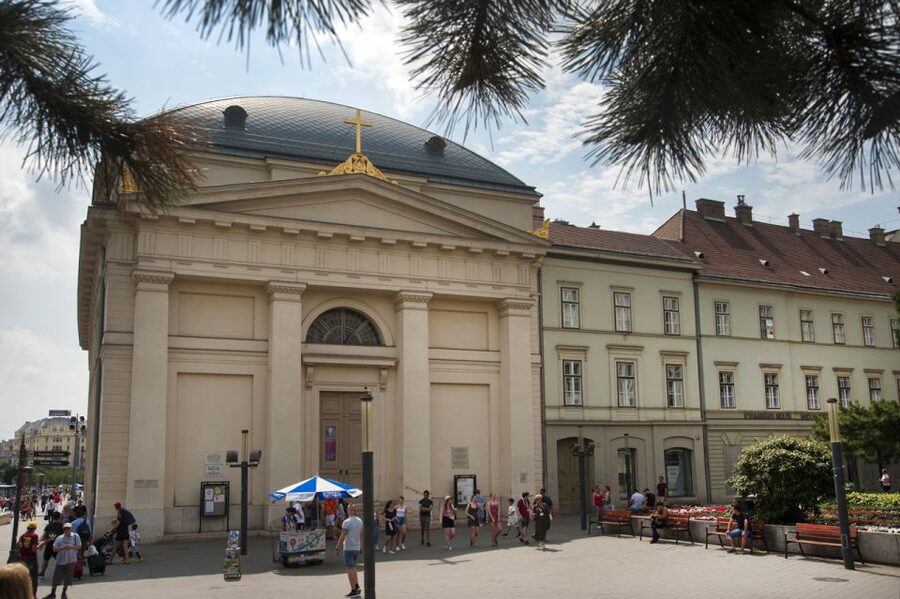
You meet right by St. Stephen’s Basilica in front of California Coffee Company, so you’re in the right place from your first steps. The tour runs in English and is built for a quick orientation of Pest and Buda, including the Parliament building exterior and Gothic Matthias Church.
In This Review
- Key reasons this tour works so well
- Getting your bearings in central Budapest, fast
- The meeting point near St. Stephen’s Basilica
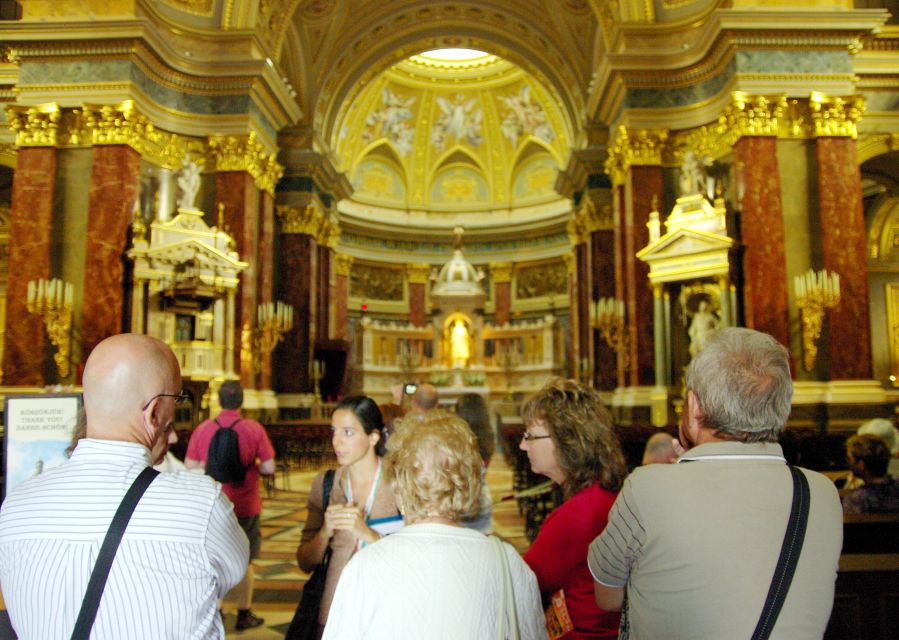
- St. Stephen’s Basilica, more than a pretty facade
- Parliament building exterior, and why power shows in stone
- Crossing from Pest to Buda without wasting the day
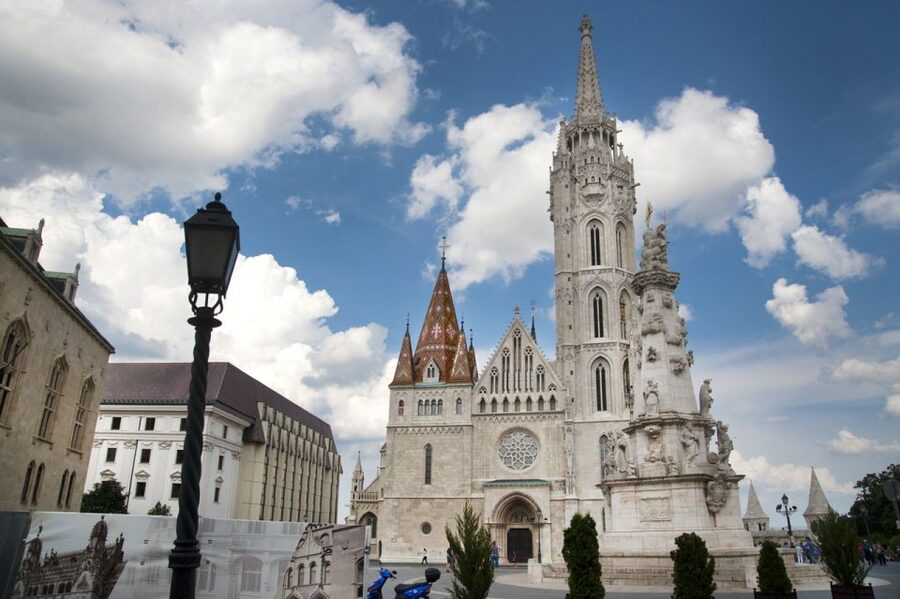
- Matthias Church, Gothic drama in Buda’s setting
- Buda Castle, where the city’s layers feel real
- The history thread that ties the whole tour together
- Pace, group size, and how to get the most from it
- Price and value, plus the public transport cost you should budget
- Who this tour is best for
- Extra tips to make the most of your 3 hours
- Should you book this Budapest walking tour?
Key reasons this tour works so well
- Basilica to Buda Castle in one smooth arc, so you get the big-picture geography fast
- Personal stories about 20th-century dictatorship and revolution, not just dates and names
- Major architecture stops, including Matthias Church and the Hungarian Parliament building exterior
- Comfortable pacing, with a roughly 1 mile walk plus public transport for the river crossing
- Small groups or private options, which usually means better questions and a calmer vibe
Getting your bearings in central Budapest, fast
If you’ve got limited time in Budapest, this kind of tour is a lifesaver. You start in the central church district near St. Stephen’s Basilica, then you gradually connect the dots between the flatter, busier-feeling Pest side and the dramatic viewpoints of Buda.
The goal isn’t to memorize every street. It’s to understand why Budapest looks the way it does, and why the city’s history feels fractured. You’ll hear how the medieval royal center evolved, how the 19th century reshaped the city, and how 20th-century dictatorships influenced everyday life. That context makes everything you see after the tour click into place.
One thing I really appreciate is that the walking portion is kept reasonable, about 1.5 kilometers. Instead of forcing a long slog, the tour uses public transport to make the river crossing practical, so you spend more energy on sights and stories.
More Walking Tours in Budapest:
- Budapest: Buda Castle Walk with Saint Stephen’s Hall
★ 4.5 · 3,012 reviews - Big Bus Budapest Hop-On Hop-Off Bus and Walking Tour
★ 3.5 · 2,206 reviews - Budapest: Buda Castle District Walking Tour
★ 4.6 · 2,108 reviews
The meeting point near St. Stephen’s Basilica
The meeting spot is next to St. Stephen’s Basilica, in front of California Coffee Company. That’s handy because it places you in a recognizable landmark area right away, and it’s easy to orient yourself before you start.
From the start, you’re in a part of Budapest that shows the city’s layers. One street can feel like a grand central corridor, while the next turns into something more local and lived-in. As you walk, you’re not just checking boxes, you’re building a mental map.
If you’re coming from another neighborhood, plan to arrive a few minutes early. Even though the tour duration is only about 3 hours, your time is best spent listening and walking, not hunting for the group.
St. Stephen’s Basilica, more than a pretty facade
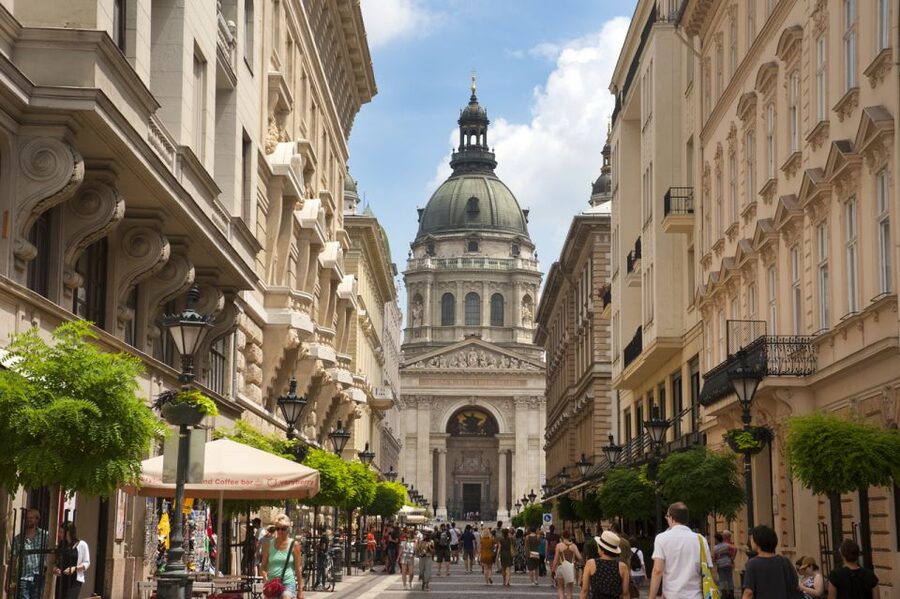
St. Stephen’s Basilica is one of those stops that earns its popularity. Even from outside, it carries weight, because it signals religion, national identity, and civic pride all at once.
On this tour, the basilica is also a way to open the conversation about Hungary’s cultural life. You’ll connect faith and public space to the larger political story. That matters, because Budapest’s big political turns did not happen in a vacuum. People lived, worshipped, worked, and raised families through upheaval.
When the guide talks about history, you’ll often hear how ordinary life kept going while regimes changed. That approach is what makes a quick tour feel more meaningful than just “see this, see that.”
Parliament building exterior, and why power shows in stone
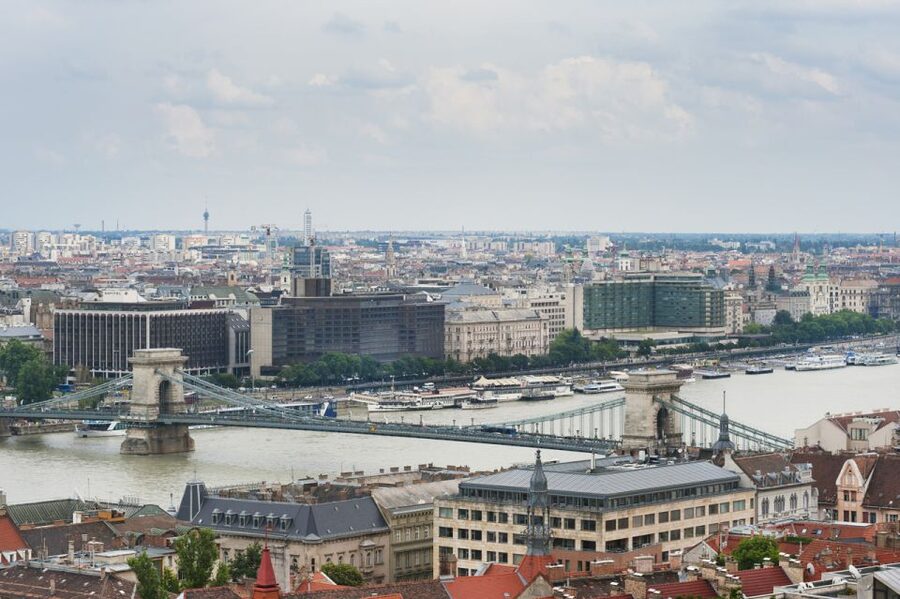
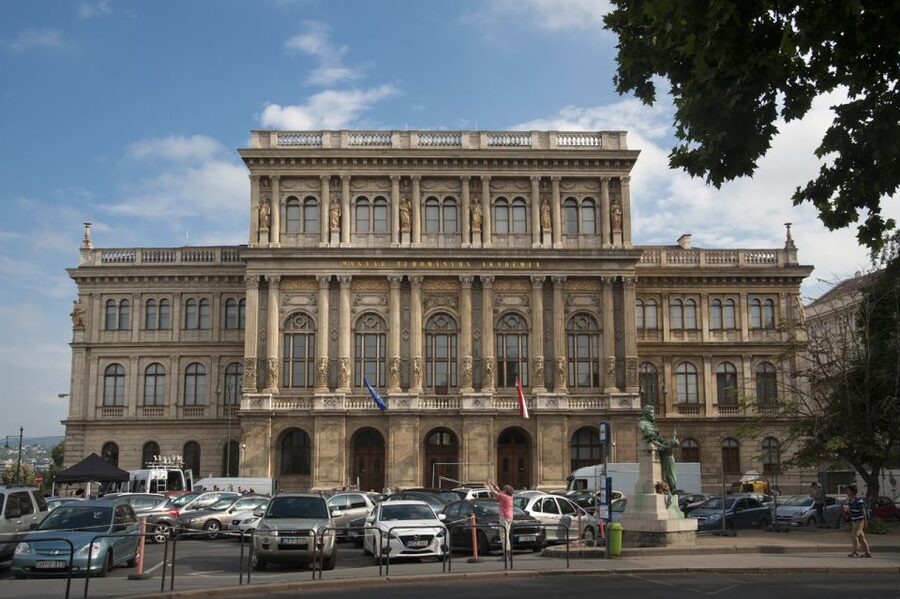
You’ll also see the Hungarian Parliament building exterior. This is the kind of place where architecture is basically political messaging. The scale alone tells you the city wanted to project stability and legitimacy.
On a short walking tour, you’re not going into every interior room. But you still get the big idea: why the building stands where it does, what it symbolizes, and how Hungary’s political story ties back to Europe’s larger conflicts.
Even if you’ve read about it, hearing the city story out loud helps. You start to notice details you might otherwise gloss over, like how the design communicates national pride and historic ambition.
A few more Budapest outings worth comparing
- Budapest: Parliament Building Entry Ticket and Audio Guide
★ 4.5 · 3,844 reviews - Budapest: Guided Pub Tour to Ruin Bars with Games & 6 Shots
★ 4.7 · 1,641 reviews - Budapest: Opera House Guided Tour
★ 4.6 · 1,533 reviews - Budapest Small-Group Guided Tour on MonsteRoller e-Scooter
★ 5.0 · 1,517 reviews
Crossing from Pest to Buda without wasting the day
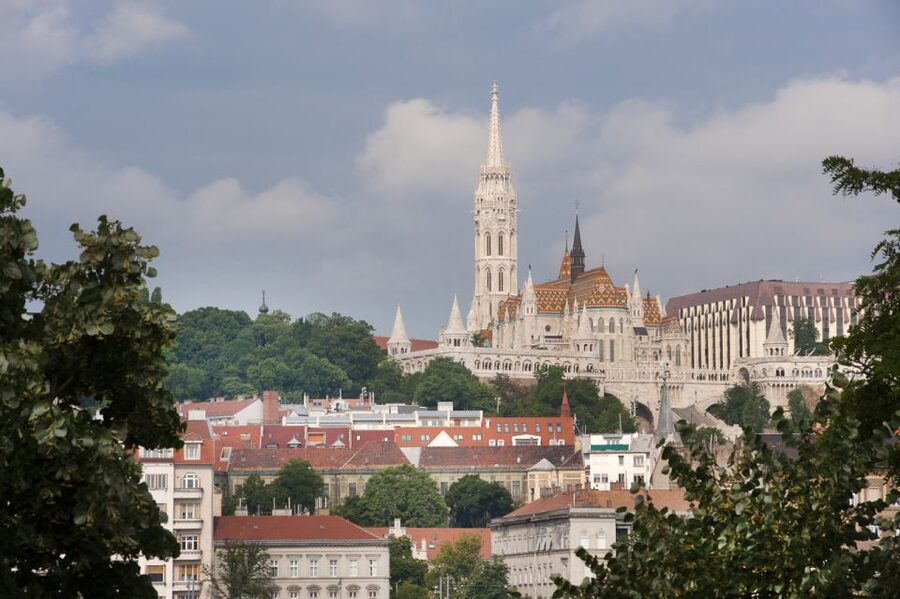
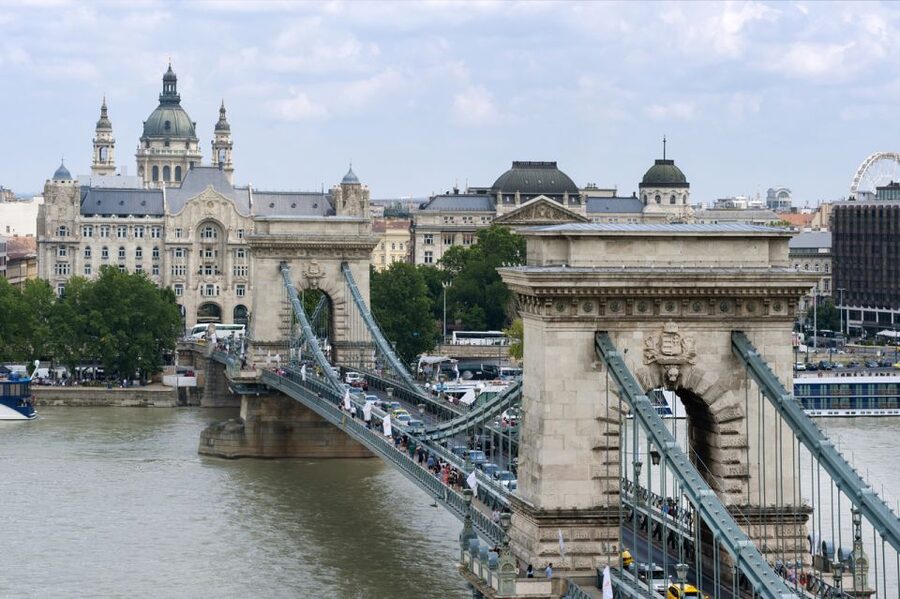
The tour includes a public transport hop to cross the river. This is a smart move. It saves time, reduces strain, and helps you keep your focus on the key viewpoints and monuments.
The practical part matters here. If you try to do river-crossing by foot in a tight time window, you can end up tired before you reach the best sights. Using public transport keeps the tour moving at a comfortable pace and keeps the itinerary from turning into a marathon.
So if you’re planning your Budapest day, treat this as a model of efficient sightseeing: walk what you can enjoy, ride what you need, and spend your attention where it counts.
Matthias Church, Gothic drama in Buda’s setting
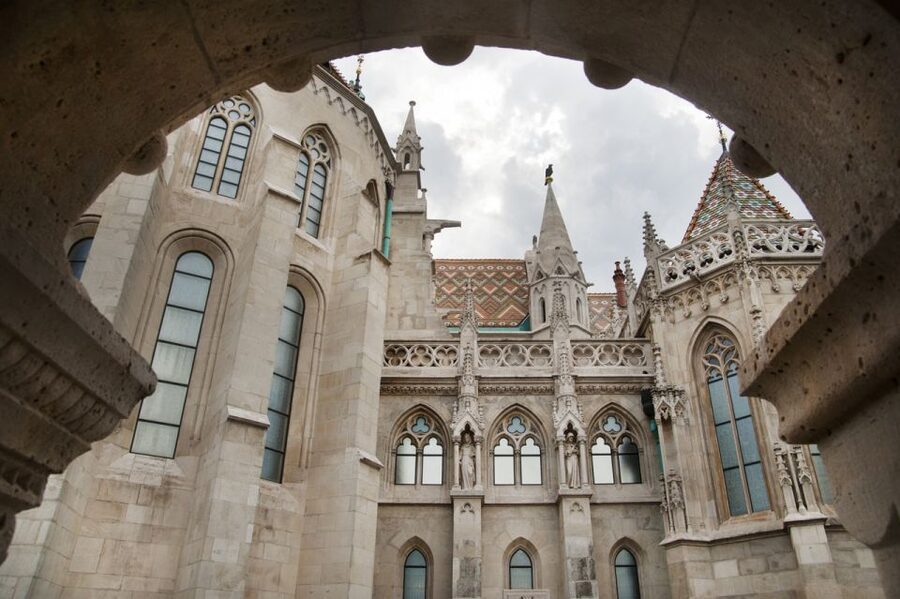
Matthias Church brings a different flavor. It’s Gothic in feel, with that crisp, detailed look that makes you slow down even when you’re on a schedule.
This is where the tour’s theme of contrasts really shows. Budapest isn’t one uniform city style. It’s a mix of eras, ideologies, and cultural influences stacked on top of each other. Matthias Church is one of the visible reminders that Budapest’s story includes art and religious architecture alongside the political timeline.
And because you’re in Buda by this point, the setting helps. The view directions, the architecture around you, and the hillier atmosphere make the church feel like part of a larger royal and historic zone, not just another stop on a list.
Buda Castle, where the city’s layers feel real
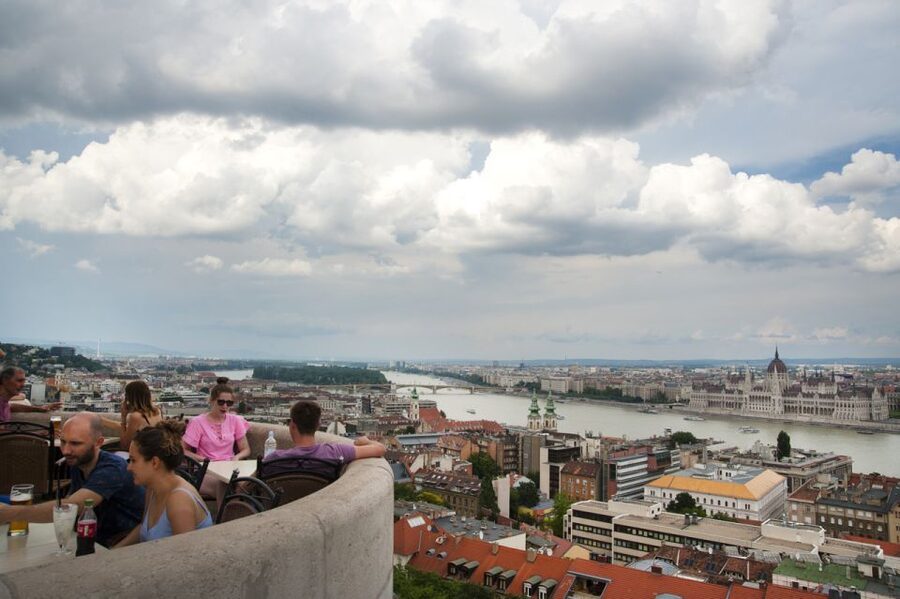
The walking arc ends with Buda Castle and the Castle area. This is where the city’s timeline starts to feel physical. You’re standing near a place that shaped royal power and then had to adapt again and again as the city grew, changed, and suffered.
The guide’s storytelling is especially important here. The tour covers Hungary’s history of dictatorship and revolution, but it also emphasizes how people experienced those eras. It’s not only about what rulers did, it’s about what life meant under pressure.
If you want a quick but thoughtful overview of why Budapest has the attitude it does, this is one of the best moments on the tour. You get the monuments, but you also get the human side of why they matter.
The history thread that ties the whole tour together
What makes this experience feel more than just a photo walk is the way history is woven through the monuments. You’ll hear about medieval roots, 19th-century growth, and the heavy chapters of Nazi and Communist dictatorships, followed by recent democratic change.
That timeline is more useful than it sounds. Without it, Budapest can feel like a set of beautiful buildings with no connecting story. With it, the architecture becomes a kind of language. You start to understand what a building was meant to project, and what it later had to endure.
One of the standout praise points from guides is their ability to handle difficult topics with sensitivity and clarity. English-speaking guides you may meet, like Dominik, have been praised for giving attention to tragic 20th-century events and tying them to the wider European picture, including connections that can feel relevant to your own country’s history.
You’ll also notice that guides bring energy to the discussion. Alexandra, for example, is praised for a lively, fun delivery that still stays anchored in accurate local detail.
Pace, group size, and how to get the most from it
The tour is built for a comfortable pace, with roughly 1.5 kilometers of walking. That makes it a great fit for travelers who want highlights without paying for it later.
Group size matters, too. You can choose private or small groups, and the feedback around smaller groups is consistently positive because it usually means more questions and less waiting around. If you enjoy conversation, that’s your best bet.
Guides also seem to adapt well to conditions. Even in rain, strong guides keep the energy up and help you stay on schedule, so you’re not stuck with a half-finished day because the weather turned.
Practical tip: if you’re visiting in cooler months or shoulder seasons, bring a rain layer. Budapest weather can be sneaky, and being prepared keeps the tour enjoyable.
Price and value, plus the public transport cost you should budget
The tour is priced at $41 per person for about 3 hours, and it includes the main thing you’re buying: a professional local guide. For a short orientation across both sides of the city, that pricing often makes sense because you’re not just getting directions. You’re getting context, timing, and the ability to ask questions in real time.
One cost to plan for is public transport tickets. The tour requires about 4 tickets per person, for a total of 1400 HUF (metro and bus tickets). This isn’t included, so budget it separately.
If you compare this with trying to do the same monument-heavy route on your own, the guide’s value is the real differentiator. You’ll see the Basilica, Parliament exterior, Matthias Church, and Buda Castle either way, but the stories are what transform the stops into a coherent Budapest introduction.
Who this tour is best for
This is a strong choice if you:
- Want a first-time Budapest overview without committing to a full day
- Prefer learning the city’s story through major monuments and historical themes
- Like guided discussion, not just a checklist of sights
- Need something manageable in a 3-hour window
It may be less ideal if you:
- Want mostly free time for independent wandering during the tour window
- Have very limited mobility or cannot manage an about 1 mile walk plus transit
- Are looking for deep museum time, since this is centered on outdoors and key buildings
Extra tips to make the most of your 3 hours
I’d treat this as your “connect the dots” tour. Afterward, you’ll get more from the rest of your Budapest trip because you can recognize what you’re looking at and why it’s there.
Also, don’t be shy about questions. One of the clearest themes in guide feedback is that good guides answer a lot of them and go into detail when you ask. If you care about a specific historical period, language, culture, or how daily life worked during dictatorship and revolution, this is the time to ask.
Finally, wear shoes you can trust. Even though the distance is controlled, you’ll be moving through classic city streets, steps near viewpoints, and the kind of cobbled or uneven surfaces you can’t always predict.
Should you book this Budapest walking tour?
Book it if you want the best use of limited time and you enjoy the kind of history that has a human face. The route is efficient, the sights are major, and the guides are praised for mixing lively local detail with serious 20th-century context.
Don’t book it if you expect a long, slow sightseeing day or a tour that covers interiors in depth. This is about structure and orientation, not a full deep-dive into every building.
If your priority is a clear introduction to Pest and Buda, with Basilica and Buda Castle as anchors and a guided story of dictatorship, revolution, and cultural life, this tour is a smart fit.
Latest to land in Budapest
- Visegrád Hike & Castle Tour with Ferry from Budapest★ 4.6 · 3 reviews
- Budapest: Vacation Photographer to collect great memories★ 5.0 · 49 reviews
- Trash Art Museum: Hungary’s First Scrap Metal Exhibition★ 4.3 · 72 reviews
- True Crime Walking Tour in the Buda Castle district★ 5.0 · 26 reviews
- Budapest: 3-Hour Trabant Sightseeing Tour★ 4.7 · 28 reviews
- Audio visual multi-sensory chefs journey dinner experience★ 5.0 · 3 reviews
- Private Szentendre and Vac Tour from Budapest with Transport★ 5.0 · 3 reviews
- Wine Tasting in the Countryside from Budapest★ 5.0 · 14 reviews
Walking Tours, compared.

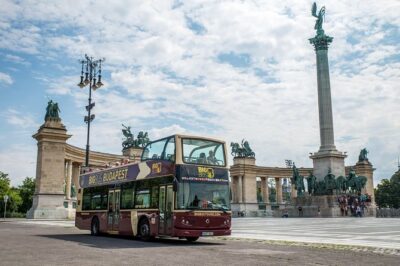
Big Bus Budapest Hop-On Hop-Off Bus and Walking Tour
Read our review →
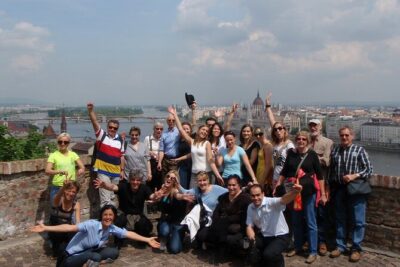
Budapest City Landmarks Walking Tour in 2 Hours
Read our review →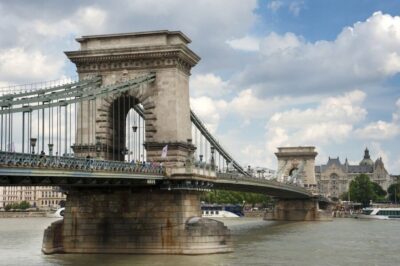
3-Hour Orientation Walking Tour of Buda and Pest
Read our review →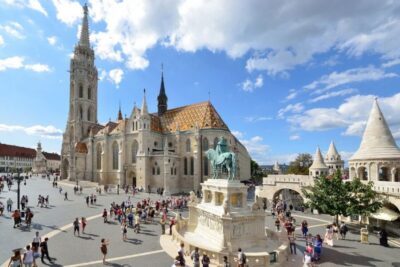
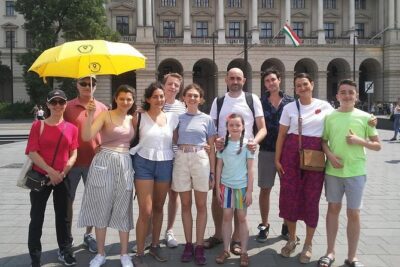
Budapest Historical Sightseeing – Free Walking Tour
Read our review →
Budapest All in One Small Group Walking Tour with Strudel Stop
Read our review →Browse the lists this tour appears in