
Reviewed · MUSEUMS
Mika Tivadar Secret Museum in Hungary
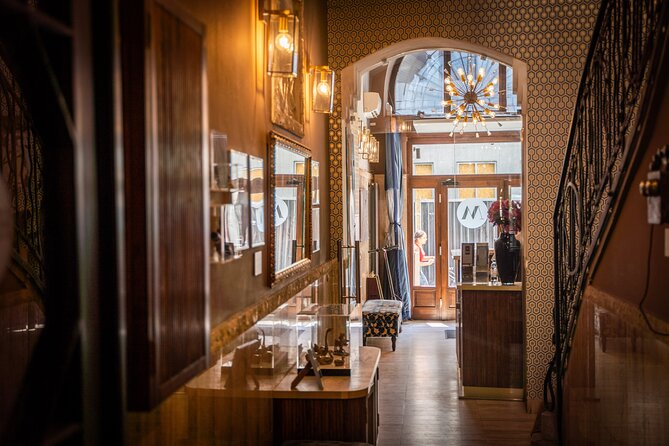
Stairs lead to Budapest’s first secret museum. This is a compact, story-led stop built around the legacy of Mika Tivadar, where you follow what happened inside a small building and what was going on just steps away. You also get the feel of the neighborhood through surprising connections, all within a short visit window.
I especially like the phone audio guides and voice effects, because they help you follow the scenes without getting lost in text. I also like how the museum ties the building’s past to a 140-meter circle of local landmarks, so your walk after the visit feels purposeful, not random.
One thing to consider: this is a small 140 sqm experience, so if you expect a huge museum with lots of rooms, you may feel it wraps up quickly. If you are the type who wants to linger in galleries for hours, plan to add time nearby with a follow-on stroll.
In This Review
- Key things to know before you go
- Mika Tivadar Secret Museum: a staircase into Budapest’s side streets
- Your timing: 1 to 2 hours, unlimited time inside opening hours
- Inside the exhibit: 140 sqm, 8 languages, and audio-first storytelling
- The museum’s connections: Blue Cat, early cinema, and Kazinczy Street oddities
- Scenes of Budapest you may not see in the guidebooks
- The bar and drinks: a small perk if you time it right
- Price and value: about $6 for 1 to 2 hours of audio theater
- Getting the most out of your visit (without overthinking it)
- Who should book this, and who should probably skip it
- Final call: should you book the Mika Tivadar Secret Museum?
- FAQ
- How much does the Mika Tivadar Secret Museum cost?
- How long does the visit take?
- Is the ticket mobile?
- Do you get audio guides, and in how many languages?
- Is there a time limit once I enter?
- What are the opening hours?
- Can I cancel for free?
- Is parking included in the price?
Key things to know before you go
- Phone-based audio guide: You listen on a guest mobile, so you can move at your own pace.
- 8 languages plus voice effects: The show style is built for audio, not just reading.
- Small space, fast payoff: The museum area is 140 sqm, with a visit that typically fits 1 to 2 hours.
- Stories connect to nearby places: The exhibit links to Blue Cat, early cinema history, and Kazinczy Street curiosities.
- Unlimited time inside hours: Once you enter, you can stay as long as it is open.
Mika Tivadar Secret Museum: a staircase into Budapest’s side streets
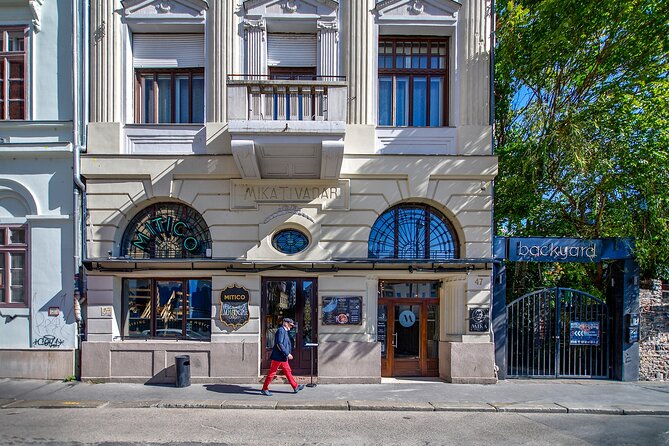
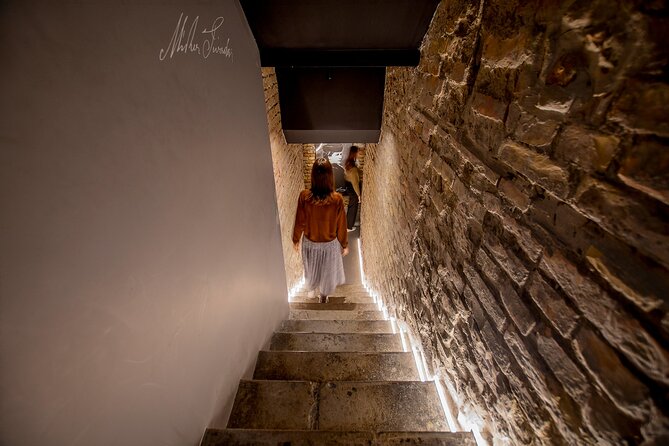
Budapest has plenty of history, but this museum shows it from an angle you might not expect. You go down stairs into a setup designed like a series of scenes, not a typical line-and-caption exhibition. The focus stays on the building built by Tivadar Mika, now used as the museum, and then reaches out to what surrounded it.
What makes it fun is the “nearby” factor. The museum’s footprint covers about 140 meters worth of stories radiating from the exhibition space. That means you are not just learning dates. You are learning relationships between places, people, and eras, and then you can connect those dots with a walk outside after you finish.
The show format matters too. It uses voice effects and audio guidance, so you experience the building as something alive, not a quiet hallway with placards. It is a different way to do history in a city where history is often presented as architecture first and stories second.
More Museum Visits in Budapest:
- Budapest: Cat Museum Budapest Entry Ticket
★ 4.4 · 2,210 reviews - Budapest: Light Art Museum Skip-the-Line Entry Ticket
★ 3.9 · 1,531 reviews - Budapest: Budapest Retro Interactive Museum Ticket
★ 4.4 · 569 reviews
Your timing: 1 to 2 hours, unlimited time inside opening hours
You can usually plan on about 1 to 2 hours for your visit. Since the museum is relatively compact, that time is enough to follow the audio and take your time with the scenes. If you want to treat it like a slow-watch movie, you can. If you are efficient and just want the main story threads, you can still see it all without rushing.
The ticket gives you unlimited time within operating hours. So the smartest strategy is to arrive, start the audio guide, and then adjust your pace. If you realize you are enjoying it, keep going. If you get the gist early, you can finish without feeling like you are trapped in a tight schedule.
Hours run daily from 8:00 AM to 8:00 PM. That wide window is great if you are trying to fit the museum between meals, or if your day in Budapest swings from hot midday walks to evening exploring. You also do not have to time it like a theater show with a single start time.
Inside the exhibit: 140 sqm, 8 languages, and audio-first storytelling
At the heart of this experience is a small footprint: 140 sqm. That size is not a flaw. It is part of the design. In a small space, the museum can move you from one idea to the next without long empty corridors or wandering.
Audio is the main tool. The museum provides audio guides on your guest mobile, and the experience is offered in 8 languages. That matters for comfort. You do not need to stand still and read closely, which is helpful if you want to listen while you look around.
There are also voice effects. That is a key detail because it shapes how you absorb the scenes. You will feel more like you are watching and listening in sequence, rather than just studying facts. For language learners and independent travelers, this is one of the easiest ways to get a strong experience without hiring a private guide.
Practical tip: bring headphones or earphones that work with your phone. The museum runs on audio. If your phone battery is low, charge earlier in the day. It is a small thing, but it keeps your visit smooth.
The museum’s connections: Blue Cat, early cinema, and Kazinczy Street oddities
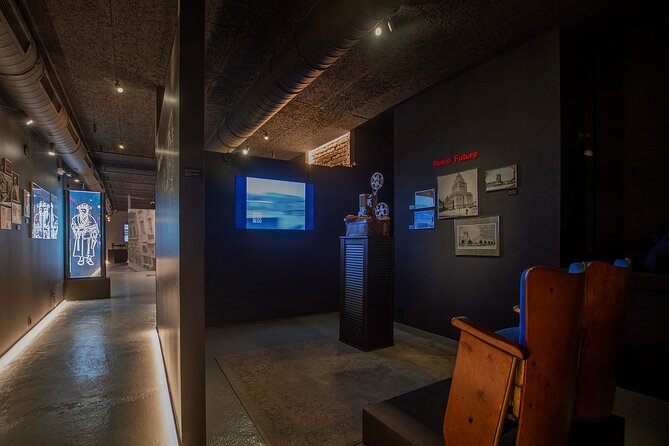
The exhibit does more than stay in the building. It points you toward a cluster of nearby culture and curiosities within that 140-meter radius. One highlight in the background story is Europe’s most famous nightclub, the Blue Cat. Even if you do not plan a nightlife stop, knowing it is linked to the same small area gives your walk a sense of place.
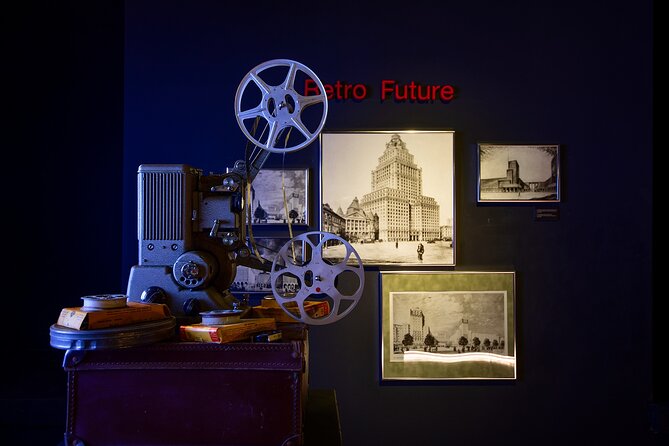
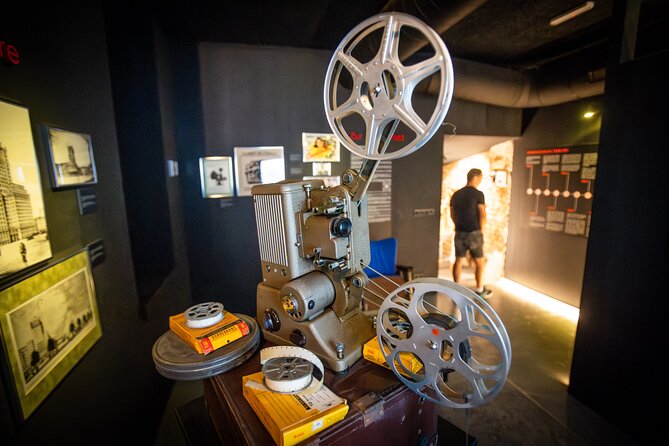
Another connection is film history. The museum area is tied to Hungary’s first cinema, where Michael Curtiz began his career. Curtiz later directed films that many people associate with Hollywood, but this reminder helps you see the earlier chapter: the local start that fed a bigger film world.
Then there is the pop-culture thread about American film icons. The museum ties a story involving Sylvester Stallone and Arnold Schwarzenegger to a tiny house on Kazinczy Street. If you like spotting local references that connect to broader entertainment, this part is a fun mental hook for later.
This is also where the experience can be especially satisfying for people who like to turn a museum visit into a neighborhood “treasure hunt.” You finish inside, then step outside and look for the places the stories named. Even if you only catch a few, you get a stronger feeling for the area.
A different sort of day out in Hungary:
- Budapest: City Highlights Sightseeing Cruise
★ 4.6 · 43,981 reviews - Budapest: Unlimited Prosecco, Beer and Aperol Spritz Cruise
★ 4.8 · 37,304 reviews - Budapest: Széchenyi Spa Day Ticket with Optional Upgrades
★ 4.3 · 23,911 reviews - Budapest: Nighttime or Daytime Sightseeing Cruise
★ 4.2 · 21,062 reviews
Scenes of Budapest you may not see in the guidebooks
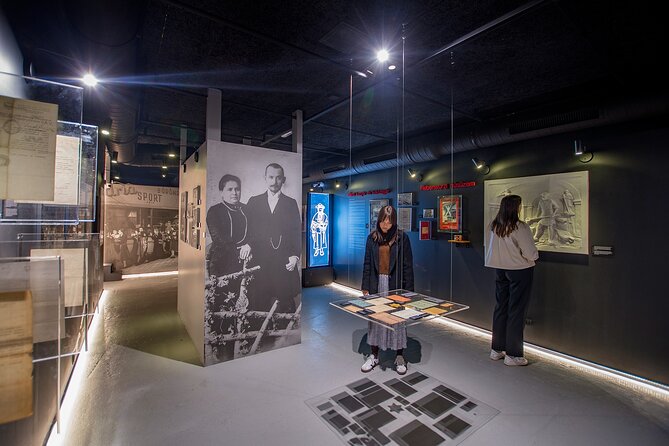
One of the most praised aspects is that the museum shows Budapest from a special angle. The scenes can be surprising, and that is exactly why people talk about it. The key is that it is not trying to sanitize the past into polite postcards. It gives you context for how the city worked, where entertainment fit in, and how people lived alongside reputations and change.
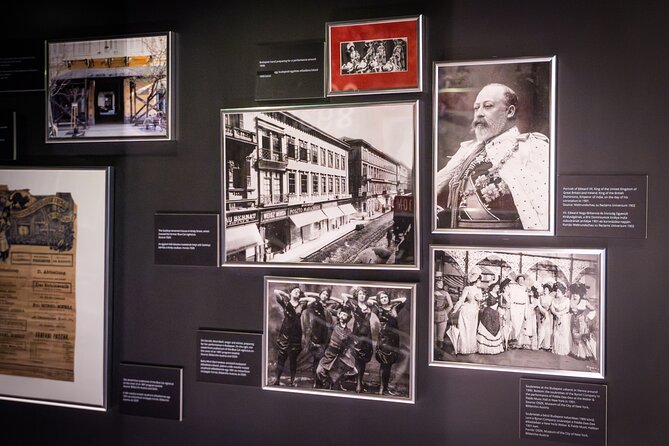
A particular section called Budapest Brothels is often called out as a favorite. That tells you the museum does not just stick to big names and grand landmarks. It also tackles more intimate, social history. If that topic makes you curious rather than squeamish, this museum delivers in a way that feels more human than strictly architectural.
Another part that tends to land well is the overall style: different scenes, audio guidance, and a point of view that is less “museum lecture” and more “walkthrough show.” In a city where you can spend days doing ruins, palaces, and churches, this is a different kind of mental travel.
If your travel style is more traditional, consider it an add-on rather than your only culture stop. But if you enjoy unusual storytelling formats, it can become the highlight of a half-day.
The bar and drinks: a small perk if you time it right
One of the fun extras is that the visit can pair well with a drink. The museum experience includes a bar area, and people have enjoyed cocktails alongside the visit. That is not usually what you think of with a museum, which makes it a nice bonus if you want your afternoon to turn into a relaxed evening.
Keep expectations realistic: the museum’s value is the audio-guided scenes. The bar is a bonus, not the main event. Still, if you like to end cultural stops with something tasty and low effort, it is worth planning a quick break after you finish the main route.
Price and value: about $6 for 1 to 2 hours of audio theater
At $6.02 per person, this is priced like a budget activity that still feels like more than a quick photo stop. You are getting admission into an audio-first museum experience with 8 languages, voice effects, and mobile guides. Those ingredients are expensive in terms of production time and tech, even when the ticket looks cheap.
The unlimited time inside opening hours adds value too. Many lower-cost attractions can feel forced, like you must move on quickly. Here, you can slow down if a scene grabs you or if you want to replay a section on your phone. That flexibility is part of what makes it good value.
The other value point is location logic. Because the museum connects your visit to places like Blue Cat and Kazinczy Street, your ticket helps set up a walk after. In practice, that can stretch your day. You do not just spend money inside a room. You leave with a route in mind.
One more note: it is often booked about 17 days in advance on average. That does not mean you must rush. But it is a sign it is popular enough that last-minute availability can be a question in peak weeks.
Getting the most out of your visit (without overthinking it)
You do not need special preparation. Still, a little planning makes a difference with any audio-guided experience.
First, give yourself time to start the audio properly and stay with it. If you switch languages late or skip sections early, you might miss how the museum builds connections to nearby landmarks. Audio is the glue here.
Second, wear comfortable shoes. You are going down stairs and moving through scenes in a compact space. That sounds trivial, but when you are following audio, you naturally spend more time standing, turning, and walking short distances.
Third, plan your post-museum walk. The museum’s best “aha” moments often come when you step back out and look for what it referenced. Even a short walk within that 140-meter radius can make the stories feel more real.
Who should book this, and who should probably skip it
Book it if you like museums that use sound, scenes, and storytelling rather than long reading lists. It works especially well for independent travelers who want an experience in 8 languages without needing a live guide.
It is also a strong pick if you enjoy Budapest neighborhoods with layers, not just a checklist of major sites. The links to Blue Cat, early cinema, and Kazinczy Street curiosities give you instant context for exploring around you.
Skip it if you want a large, multi-floor museum with lots of space to wander for hours. Because the museum area is 140 sqm, the experience is compact. You may still enjoy it, but it will not feel like a full-day museum.
It can also feel intense for people who dislike more adult social history themes. The Budapest Brothels section is part of the experience, so read your comfort level honestly.
Final call: should you book the Mika Tivadar Secret Museum?
If you want a short, smart, and slightly offbeat Budapest experience, I think you should book it. For around $6.02, you get an audio-first museum with 8 languages, voice effects, and a story that reaches beyond the walls to nearby landmarks. It is exactly the kind of place that turns a normal tourist day into something you remember for the details.
If you are doing Budapest at a relaxed pace, this fits nicely as a morning or afternoon activity with lots of flexibility. You can stay as long as it is open, then head out to connect the dots on foot.
If you prefer classic museums with lots of space and text, treat this as a fun add-on, not your main culture plan. Either way, it is a good use of time, and it gives you a view of Budapest that feels personal instead of generic.
FAQ
How much does the Mika Tivadar Secret Museum cost?
The price is $6.02 per person.
How long does the visit take?
Plan for about 1 to 2 hours.
Is the ticket mobile?
Yes. The experience uses a mobile ticket.
Do you get audio guides, and in how many languages?
Yes. There are audio guides on the guest mobile, and the experience is offered in 8 languages.
Is there a time limit once I enter?
No. You have unlimited time to spend in the museum within the operating hours.
What are the opening hours?
It runs daily (Monday to Sunday) from 8:00 AM to 8:00 PM.
Can I cancel for free?
Yes. You can cancel for a full refund up to 24 hours in advance.
Is parking included in the price?
No. Parking fees are not included.
Latest to land in Budapest
- Visegrád Hike & Castle Tour with Ferry from Budapest★ 4.6 · 3 reviews
- Budapest: Vacation Photographer to collect great memories★ 5.0 · 49 reviews
- Trash Art Museum: Hungary’s First Scrap Metal Exhibition★ 4.3 · 72 reviews
- True Crime Walking Tour in the Buda Castle district★ 5.0 · 26 reviews
- Budapest: 3-Hour Trabant Sightseeing Tour★ 4.7 · 28 reviews
- Audio visual multi-sensory chefs journey dinner experience★ 5.0 · 3 reviews
- Private Szentendre and Vac Tour from Budapest with Transport★ 5.0 · 3 reviews
- Wine Tasting in the Countryside from Budapest★ 5.0 · 14 reviews
Museums, compared.


Budapest Card: Free Public Transport, Spa & Museums with Delivery
Read our review →
Budapest Dohany Synagogue & Hungarian Jewish Museum & free extras
Read our review →
Skip the Line: Budapest Pinball Museum Admission Ticket
Read our review →

Trash Art Museum: Hungary’s First Scrap Metal Exhibition
Read our review →Browse the lists this tour appears in