
Reviewed · WALKING TOURS
Welcome to BUDA and PEST Private Walking tour
Budapest clicks into place quickly with this plan. You get a tight loop of top sights plus a Millennium Underground ride, led by a professional art historian.
I love the way it links major landmarks into one clear story, so you can feel the city’s shape instead of just collecting photos.
The one thing to keep in mind is that entrance fees are not included, so your final budget depends on how many spots you choose to go into.
In This Review
- Key things you will notice right away
- A route that turns Budapest into one connected story
- Heroes’ Square and City Park, the start of the Budapest “why”
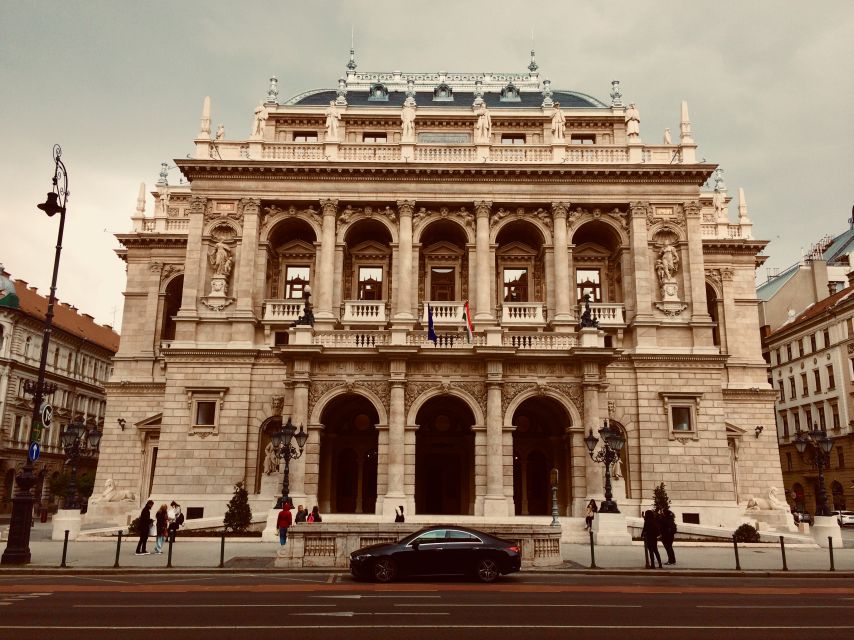
- Andrássy Boulevard and the State Opera House, Budapest’s elegant axis
- St. Stephen’s Basilica, close-up sacred space and a possible viewpoint
- Castle Hill and the trio of views, Fishermen’s Bastion and Matthias Church
- Millennium Underground, UNESCO protected and genuinely useful
- The café break, where culture lands in normal life
- Hotel pickup, private pacing, and how the route can flex
- Skip-the-line options, and the honest way to budget entrances
- Price and value: why $377 can be a good deal
- What kind of travelers should book this
- Should you book the BUDA and PEST Private Walking Tour?
- FAQ
- Where does the tour start?
- How long is the tour?
- What’s included in the price?
- Are entrance fees included?
- What languages is the tour offered in?
- Is there a café stop and do I get anything to drink?
Key things you will notice right away
- Millennium Underground ride to add local flavor, not just walking
- A professional art historian guiding the route with culture, not only dates
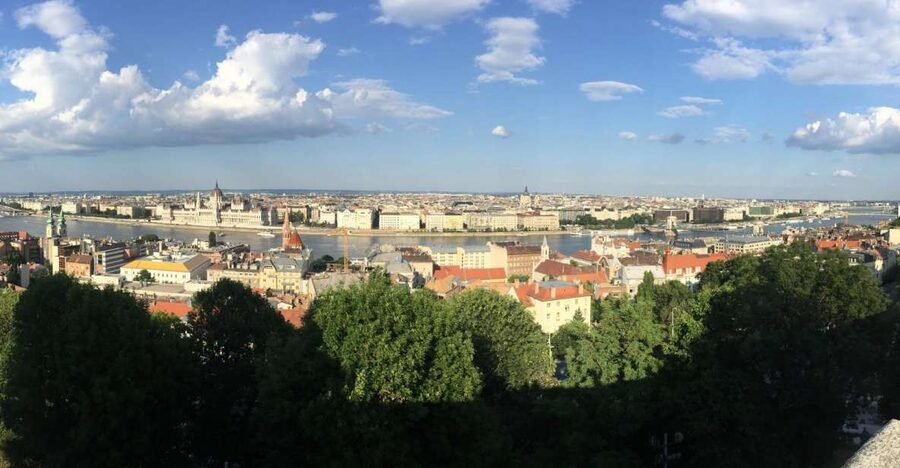
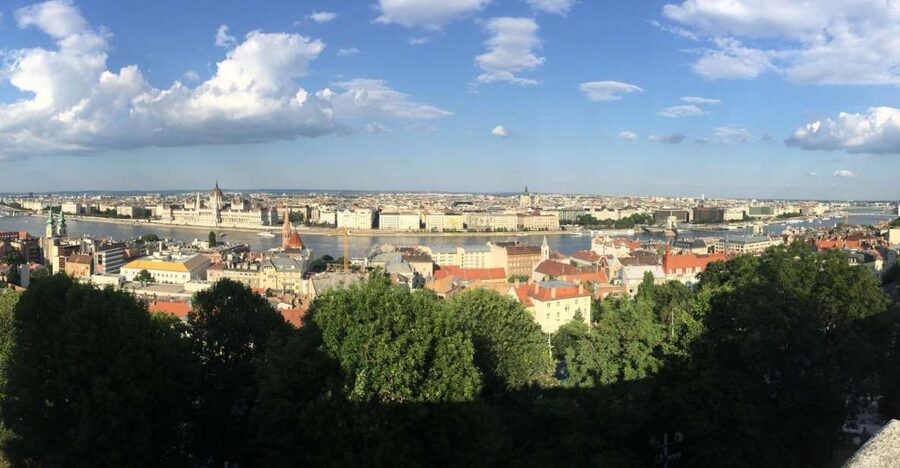
- Castle Hill viewpoints at Fishermen’s Bastion and Matthias Church
- St. Stephen’s Basilica timing with an optional top viewpoint
- A planned café break to talk daily life, not just monuments
- Private, hotel-pickup format that keeps the day from feeling like a commute
A route that turns Budapest into one connected story
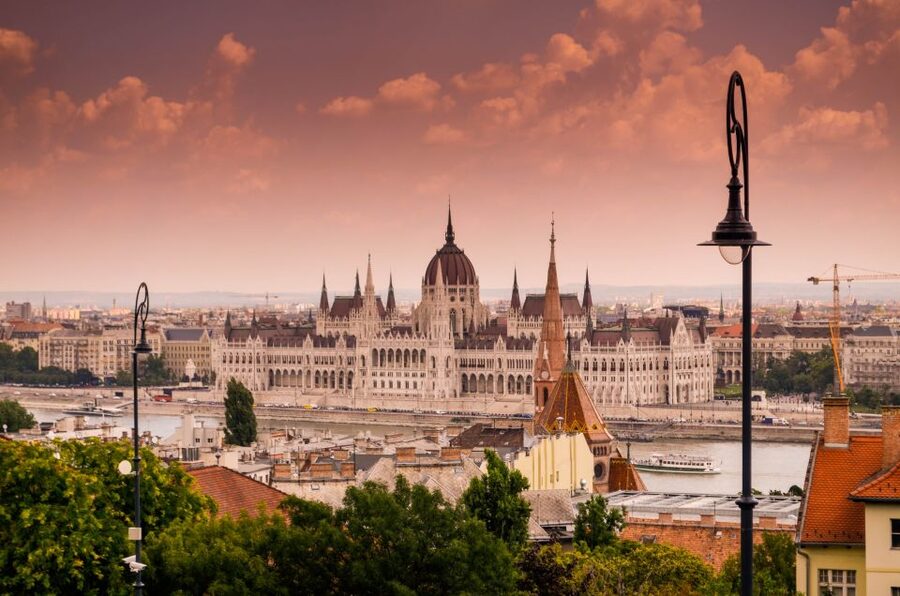
This is the kind of tour that helps you understand Budapest as two halves with a shared backbone. You start with the bold city symbolism around Heroes’ Square and then move toward the grand boulevards, basilica, and finally the medieval heart on Castle Hill.
What I like about this format is how it avoids the common problem of hopping between disconnected stops. Instead of seeing landmarks in random order, you get a sense of how power, religion, trade, and daily life shaped what you see today.
Because the tour is private and tailor-made to your meeting point, the exact walk can shift. Still, the core highlights are consistent, including Heroes’ Square, City Park, Andrássy Boulevard, the State Opera House, St. Stephen’s Basilica, Fishermen’s Bastion, and Matthias Church.
More Walking Tours in Budapest:
- Budapest: Buda Castle Walk with Saint Stephen’s Hall
★ 4.5 · 3,012 reviews - Big Bus Budapest Hop-On Hop-Off Bus and Walking Tour
★ 3.5 · 2,206 reviews - Budapest: Buda Castle District Walking Tour
★ 4.6 · 2,108 reviews
Heroes’ Square and City Park, the start of the Budapest “why”
Heroes’ Square is a strong opening. It sets the mood for Hungary’s national story with its monumental layout and the feeling that you are stepping into a carefully staged civic identity. For me, it is the perfect “big picture” stop because it gives you context before you head into the details.
From there, the tour moves through City Park, which is an ideal transition from grand symbols to lived-in urban space. You are not just walking past pretty corners, you are learning how parks and city planning fit into how Budapest grew and re-invented itself over time.
If you are visiting for the first time, this opening stretch helps you avoid that lost feeling. You’ll have landmarks to anchor your map, so later on, you can orient yourself quickly on your own.
Andrássy Boulevard and the State Opera House, Budapest’s elegant axis
Then the tour leans into one of Budapest’s most recognizable sights: Andrássy Boulevard. This is where the city’s “showcase” side becomes obvious, with grand buildings and a boulevard built for strolling and display. Even if architecture is not your top interest, the scale makes the history feel real.
A highlight here is the State Opera House area. You get to see it as part of a bigger story, not as a random photo spot. The guide’s art historian angle helps you notice design choices and how these spaces were meant to signal culture and status.
One practical benefit: this segment is paced so you can actually look up and absorb details. If you only rush past in transit, you miss what makes the boulevard feel like a destination in its own right.
St. Stephen’s Basilica, close-up sacred space and a possible viewpoint
Next comes St. Stephen’s Basilica, one of Budapest’s most important religious landmarks and also a practical orientation point for your day. The exterior is impressive, but what makes this stop worthwhile is the context around why it matters and how it shaped the city’s identity.
The tour includes time at the basilica, and you have the option to go up for a view. If you choose the top, plan to go a bit slower here because viewpoint time changes the rhythm of the tour. If you skip it, you still get a satisfying overview without adding extra minutes.
Even if you do go up, the value is not just the skyline. You’ll also understand where the city’s power centers sit in relation to the Danube and why Castle Hill dominates the other side.
A few more Budapest outings worth comparing
- Private Budapest TukTuk Tour: Custom Route, Hotel Pickup
★ 5.0 · 1,307 reviews - Budapest Essentials Private Tour Highlights and Hidden Gems
★ 5.0 · 861 reviews - Budapest Private Tuk Tuk Half-Day Tour
★ 5.0 · 606 reviews - Budapest One Way Private Transfer to or from Airport
★ 4.5 · 548 reviews
Castle Hill and the trio of views, Fishermen’s Bastion and Matthias Church
Once you move toward Castle Hill, Budapest turns into its postcard self, but with a guide who helps you see what is behind the beauty. This is where Fishermen’s Bastion comes in, and yes, it is famous for good reason. The terrace views let you read the city like a map, with the river and bridges doing the connecting work.
From there, you head to Matthias Church, which brings the feeling of history into focus. You do not just stand and look, you learn how the building’s character fits into the broader story of who lived here and what the site represented.
This part of the tour is often the “wow” moment, but I think it also serves a practical purpose. By the time you’re here, you’ve already learned enough context to understand why these structures sit exactly where they do. The views stop being random scenery and start being evidence.
Millennium Underground, UNESCO protected and genuinely useful
A key difference with this tour is the Millennium Underground ride. This is not a token photo stop, it is built into the experience so you feel like you are moving the way locals actually do. The line is UNESCO protected, and the ride helps you connect Budapest’s modern city movement to its older layers.
Why it matters: when you ride transit as part of sightseeing, you get a better sense of distances. Later, you can plan your own routes with more confidence because you have felt how the city flows.
It also breaks up the day. After several blocks of walking, the underground segment gives your feet a rest without turning the tour into a stop-and-go marathon.
The café break, where culture lands in normal life
You also get a planned break at a historical café, with a coffee or soft drink included. This is a simple feature, but it is one of the most valuable parts of the day because it shifts you from monuments to people.
The guide uses this moment to talk about daily life in Budapest, plus cultural details that do not show up on plaques. You get a sense of what it feels like to be a Budapest local, including how life works in and outside the capital.
I recommend treating this time like part of the sightseeing, not just a recharge. If you ask questions, you’ll come away with small practical ideas that make your next day in town smoother.
Hotel pickup, private pacing, and how the route can flex
The tour is a private group, and you get hotel pickup from wherever you are staying. That matters more than you might expect, because you remove friction at the start and you do not waste prime sightseeing hours figuring out meeting points.
The route is tailor-made based on where you meet your guide. That flexibility is useful if you are staying on a different side of the river, in a quieter neighborhood, or near major transit.
One more useful option: if you agree, you can use additional public transport to cover a little more. That is a good fit if you like the local pace and want to feel you are traveling through the city, not just around it.
Skip-the-line options, and the honest way to budget entrances
Entrance fees are not included, but the tour can include a skip-the-line option if you choose to enter the sights. That can save time, especially in busy areas where lines form quickly. It also gives you a choice, so you are not forced into paying for everything.
Here is how to think about it for your budget. If you want the full experience at multiple sites, you should plan to add entrance costs on top of the tour price. If you prefer viewpoints and exterior time, your spending will be lower because you can skip entries.
Also note that extra tastings beyond the offered drink are not included. So if you love food tourism, you’ll need to plan that separately after the tour.
Price and value: why $377 can be a good deal
The price is $377 per group up to 30, for a duration around 4 hours. At first glance, it sounds like a lot, but it depends on who is in your group and how much you value having a true guide with structured time.
This tour works best when you have a few people who want to do it together. A private art historian guide, plus hotel pickup, plus a ride on the Millennium Underground, plus return public transport ticketing, adds up quickly if you tried to replicate it on your own.
For solo travelers, the cost can be higher per person because the pricing is per group. For families, couples, and small friend groups, the value becomes clearer because you split the cost while still getting a personal experience.
If you are someone who hates wasted time, the skip-the-line option and tight routing often make the tour feel worth it even if you do not plan to enter every site.
What kind of travelers should book this
You should consider this tour if you want a first-time Budapest orientation that is more than a highlight list. It is especially good if you care about understanding culture and how cities grow, not just seeing monuments.
It is also a strong choice if you want comfort and timing control. The private format, hotel pickup, and planned café break make the day feel structured without feeling rigid.
On the flip side, if you are the type who loves totally free exploration with no guided planning, you might prefer a self-guided plan. This tour is best when you want someone to connect the dots for you.
Should you book the BUDA and PEST Private Walking Tour?
I’d book it if your goal is to make Budapest make sense quickly. You will get the major sights on both sides of the Danube, plus a guide who can explain what you are looking at, and a transport moment that feels local rather than purely sightseeing.
I would hesitate only if you plan to skip most entrances and you are traveling on a strict budget, because entrance costs are on you. Also, if you dislike stairs and viewpoint climbs, keep the optional top of St. Stephen’s in mind, because you may want to choose based on your energy level.
If you want a guided day with art history context, real city texture, and efficient coverage, this tour is a smart way to spend half a day in Budapest.
FAQ
Where does the tour start?
You meet your professional guide at a previously arranged place, with hotel pickup included from your hotel reception.
How long is the tour?
The tour lasts around 4 hours (often described as 3.5 to 4 hours).
What’s included in the price?
Included features are a licensed art historian guide, hotel pickup, a drink, and a return ticket on public transportation. It also includes a ride on the Millennium Underground.
Are entrance fees included?
No, entrance fees are not included. If you choose to enter sights, the tour can offer a skip-the-line option with the guide’s official guiding license.
What languages is the tour offered in?
The live guide is available in Spanish, English, French, Italian, Portuguese, and Russian.
Is there a café stop and do I get anything to drink?
Yes. The tour includes a break in a café with a coffee or a soft drink, and a drink is listed as included.
Latest to land in Budapest
- Visegrád Hike & Castle Tour with Ferry from Budapest★ 4.6 · 3 reviews
- Budapest: Vacation Photographer to collect great memories★ 5.0 · 49 reviews
- Trash Art Museum: Hungary’s First Scrap Metal Exhibition★ 4.3 · 72 reviews
- True Crime Walking Tour in the Buda Castle district★ 5.0 · 26 reviews
- Budapest: 3-Hour Trabant Sightseeing Tour★ 4.7 · 28 reviews
- Audio visual multi-sensory chefs journey dinner experience★ 5.0 · 3 reviews
- Private Szentendre and Vac Tour from Budapest with Transport★ 5.0 · 3 reviews
- Wine Tasting in the Countryside from Budapest★ 5.0 · 14 reviews
Walking Tours, compared.


Big Bus Budapest Hop-On Hop-Off Bus and Walking Tour
Read our review →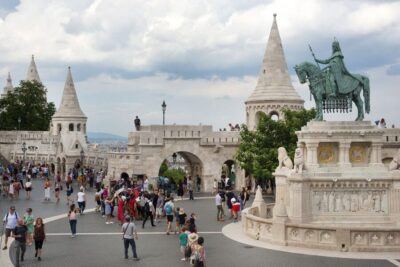
Budapest City Landmarks Walking Tour in 2 Hours
Read our review →
3-Hour Orientation Walking Tour of Buda and Pest
Read our review →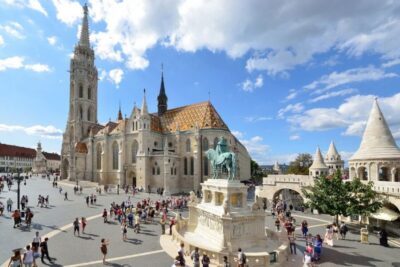
Budapest Historical Sightseeing – Free Walking Tour
Read our review →
Budapest All in One Small Group Walking Tour with Strudel Stop
Read our review →Browse the lists this tour appears in