
Reviewed · JEWISH HERITAGE TOURS
Budapest City Walk in Jewish Quarter
Budapest’s Jewish Quarter tells a full story on foot. In just a slice of Pest’s 7th district, you’ll connect major sights with the neighborhood’s day-to-day feel, from synagogues to WWII sites tied to the ghetto. If you want history you can walk through, this is a smart way to do it.
Two things I really love are the guide-led, story-first approach and the mix of big landmarks plus street-level context. Many bookings highlight guides like Timea Tarjani, whose style reads more like a thoughtful conversation than a checklist. You’ll also see places used by locals, not just postcard stops, which helps the area feel real instead of frozen in time.
One possible drawback to plan for: synagogue entry is not included. You should budget some extra time and money if you want to go inside, and the WWII material can be heavy.
In This Review
- Key highlights to look for
- Walking Budapest’s Jewish Quarter in a tight 7th-district loop
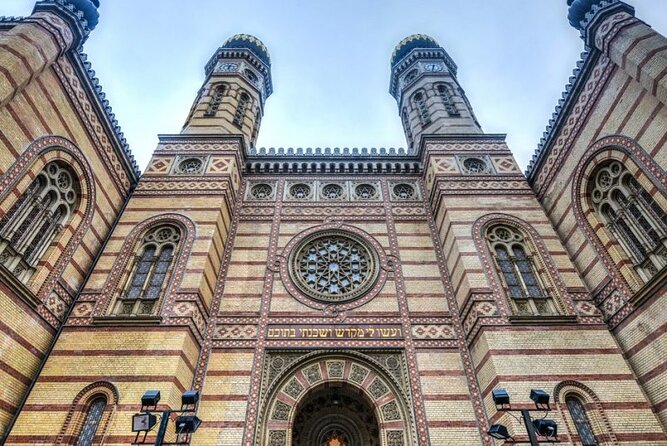
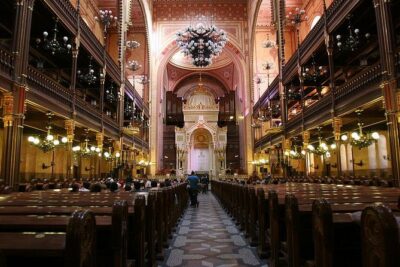
- Dohány Street Synagogue and the triangle of Budapest synagogues
- WWII memory work: ghetto traces, Wallenberg and Lutz memorials, and the Shoes Monument
- Jewish Museum and Jewish Archives: context you can use later
- Gozsdu Courtyard, Szimpla ruin bar, and local-life detours
- The guide experience: stories, questions, and a personal connection
- Price and value: what your $356.90 covers, plus synagogue entry costs
- Who should book this Jewish Quarter walk, and who should think twice
- Should you book the Budapest City Walk in the Jewish Quarter?
- FAQ
- How long is the Budapest City Walk in the Jewish Quarter?
- What is the price for the tour?
- Is hotel pickup included?
- How large is the group?
- What language is the tour offered in?
- Are entrances included for synagogues and museum stops?
- Is there a lot of walking?
- What should I wear or bring?
- Is a mobile ticket used?
- What is the cancellation policy?
Key highlights to look for
- Hotel pickup and drop-off: start and end easier, especially if you are limited on time.
- Small-group pacing (up to 10): you get questions answered without a full bus of voices.
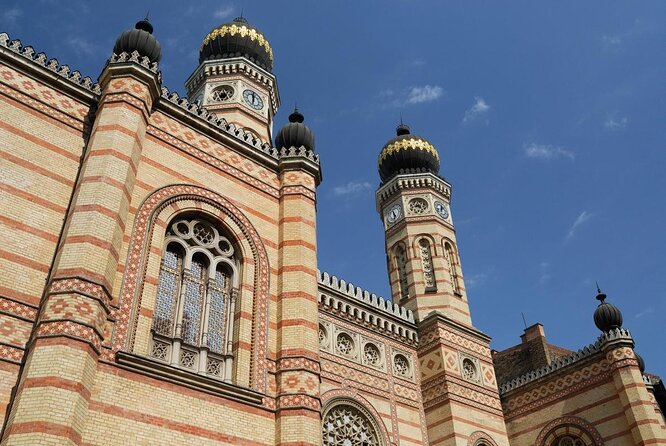
- Synagogue triangle focus: Kazinczy, Rumbach, and Dohány Street Synagogue show different facets of Jewish Budapest.
- WWII memory stops: ghetto wall traces, the Raoul Wallenberg Memorial Garden, and Carl Lutz memorial are emotionally direct.
- Local-life detours: courtyards, cafés, shops, and ruin bars like Szimpla keep the neighborhood in view.
- Flexible route: if you care more about one street or one story, the schedule can bend.
Walking Budapest’s Jewish Quarter in a tight 7th-district loop
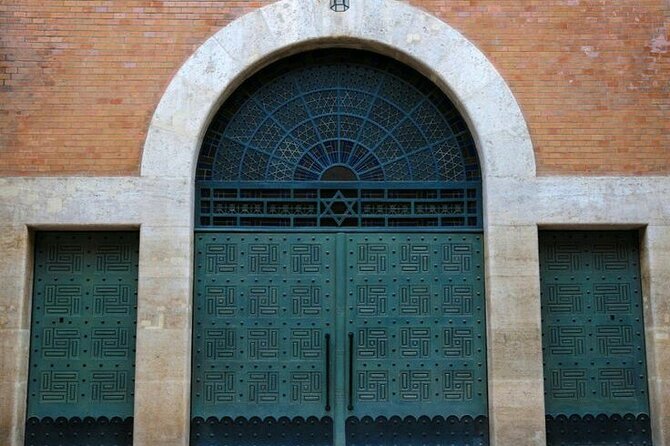
The Jewish Quarter is compact. That matters because walking is what makes the place click. You cover a lot of ground without spending your day commuting, and you keep the neighborhood texture in the foreground: courtyards, apartments, small businesses, and the way streets funnel you from one story to the next.
You also get practical help right at the start. Hotel pickup is included, and the meeting point is in your hotel lobby or right outside your accommodation. That sounds basic, but in Budapest, it is the difference between starting relaxed versus starting stressed.
The format is a 4-hour walk with moderate walking. If you need a break, you can ask. That simple flexibility is important here because some stops are best taken slowly, especially the memorial areas.
What you’re really doing on this tour is building a map of the quarter in your head. The guide points out how the streets, synagogues, and memorial sites relate to each other, so when you return later on your own, you are not just wandering. You are navigating with context.
More Jewish heritage walks:
- Budapest Jewish Heritage Memorial Walking Tour & Synagogue Entry
★ 5.0 · 568 reviews - Budapest: Jewish Heritage Guided Tour with Synagogue Ticket
★ 4.8 · 533 reviews - German tour in the Budapest city centre & the Jewish quarter
★ 5.0 · 359 reviews
Dohány Street Synagogue and the triangle of Budapest synagogues
A big reason to book a guide for this area is that the Jewish Quarter is not one single monument. It is a constellation. On this walk, you’ll focus on the so-called synagogue triangle in Budapest, including Kazinczy, Rumbach, and Dohány Street Synagogue.
Here is the practical part first: entrance fees are not included, and the tour notes that the maximum additional cost for entrance fees is given. You can typically choose to visit one synagogue only, and you may be able to get discounted prices (family, senior, and similar categories). Plan to pay extra if you want interior time, and plan to keep the day calm even if that means prioritizing one synagogue over multiple.
Why the triangle is worth your attention: each synagogue represents a different angle of Jewish life in Budapest. Even when you are outside looking in, the area tells you this was not a single community frozen in one style. Your guide explains the history of the city with a focus on WWII, but the goal is to give you perspective on how the Jewish community lived, worshiped, and survived.
You may also hear details connected to everyday religious practice. The Kazinczy Street area includes a mikveh stop on the tour route. Even if you do not go inside every religious building, these references help you understand what life meant beyond public events.
Also note a nice bonus: the guide can adjust emphasis. If you get more curious about one of the synagogues, the itinerary can be flexible so you do not feel like you are rushing through the most important parts.
WWII memory work: ghetto traces, Wallenberg and Lutz memorials, and the Shoes Monument
This walk does not treat WWII as a vague chapter. It threads the history into the streets, so the memorials land with weight instead of staying abstract.
You’ll visit multiple WWII-related stops. That includes the Raoul Wallenberg Memorial Garden with the Emmanuel tree, plus the Carl Lutz Memorial. These places are designed for reflection, and with a guide you get the backstory that makes them more than symbols. You learn who the people were, why the memorials look the way they do, and how the stories connect to the neighborhood.
You’ll also see something many visitors only read about after they leave Budapest: the stumbling stones in the quarter’s streets, and the last remaining part of the WWII ghetto wall. Standing near those remnants is a different experience than viewing photos. The guide helps you understand what you are looking at, and why it matters that these traces remain at street level.
Then comes one of the most iconic reminders on the Danube riverbank: the Shoes Monument. It is brief in physical footprint, which is exactly why it needs context. Your guide frames what the monument represents so your brain does not rush past it.
One more practical point: because these stops are emotional, pacing matters. If you are the type who likes to sprint through sights, slow down here. This is where the guide’s story style becomes an asset. A steady cadence helps you absorb rather than skim.
Jewish Museum and Jewish Archives: context you can use later
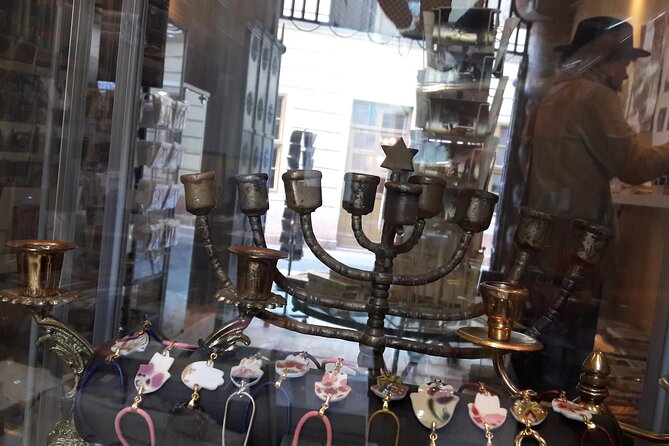
Big memorial stops grab your attention. But you need context to hold the story together, and that is where the Budapest Jewish Museum and the Jewish Archives exhibitions can help.
On this tour, these museum moments are not just about names and dates. They are about understanding what happened to community life over time, and why the quarter looks the way it does today. You also get a sense of how Jewish identity and heritage have been documented and preserved, not just how it was lost.
If you already like museum stops, this part will feel like a strong payoff. If you normally find museums tiring, aim for a lighter read and use the guide to help you prioritize. In a short tour, you are not trying to absorb every detail. You are collecting enough understanding to make the neighborhood make sense.
More City Tours in Budapest:
- Budapest: City Highlights Sightseeing Cruise
★ 4.6 · 43,981 reviews - Budapest: City Sightseeing Hop-On Hop-Off Bus Tour & Extras
★ 4.1 · 4,337 reviews - Budapest City Landmarks Walking Tour in 2 Hours
★ 5.0 · 2,048 reviews - Budapest: Nighttime or Daytime City Sightseeing Cruise
★ 4.1 · 2,046 reviews
Gozsdu Courtyard, Szimpla ruin bar, and local-life detours
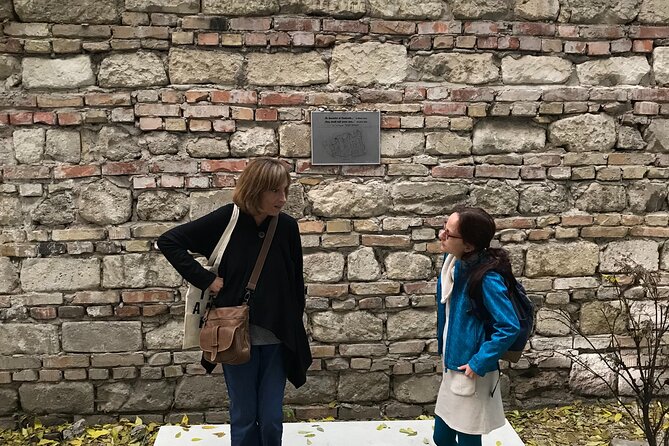
One reason this tour earns repeat bookings is the blend of solemn sites with everyday neighborhood life. You spend real time looking at how people live around these landmarks.
You might pass through or spend time around Gozsdu Courtyard, plus local streets that include little shops, eateries, confectioneries, and cafés. You also get hints of what the area looks like when it is not centered on visitors, including art galleries and festival scenes.
Then there are the ruin bars. Budapest’s ruin bar culture is famous, but this is not a generic nightlife stop. The walk helps you see how these spaces fit into the neighborhood’s character. Stops can include the iconic Szimpla.
My advice: treat these local-life moments like a palate cleanser. After heavy WWII content, it is helpful to remember that the quarter is not only memorial. It is also a working neighborhood with culture, food, and community activities.
These detours also help you later when you are eating on your own. Your guide can point you toward places that feel in character for the area, not just places that are easiest for tour groups to reach.
The guide experience: stories, questions, and a personal connection
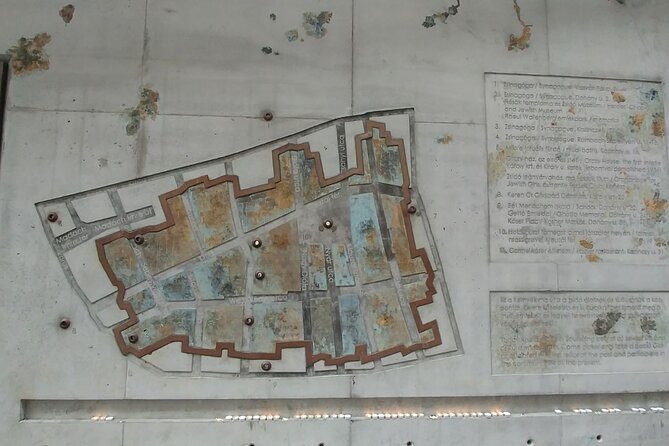
The strongest praise across these experiences is not about the number of stops. It is about the guide style.
Many guests single out Timea Tarjani for a warm, engaged approach. They describe her as someone with deep command of Jewish and Hungarian history, plus a delivery that feels personal and patient. You should expect time for questions, and you should expect a conversation, not a lecture.
What I like about this is how it changes your own attention. Instead of scanning for facts, you start noticing patterns: where history is visible in architecture, where memorials sit in relation to daily life, and why certain streets feel connected even when they look like separate blocks.
Your guide can also tailor the pacing. The tour notes that the route is flexible. If you want more time in one place, or you want to skip something that is less interesting to you, that is typically workable.
A smaller but important detail from the way the walk is described: the tour can include access that makes certain stops more meaningful. Some guides have been able to show rare sights, including parts of the WWII wall area that are not always easy to see. That kind of access changes the day from sightseeing to something more like discovery.
Price and value: what your $356.90 covers, plus synagogue entry costs
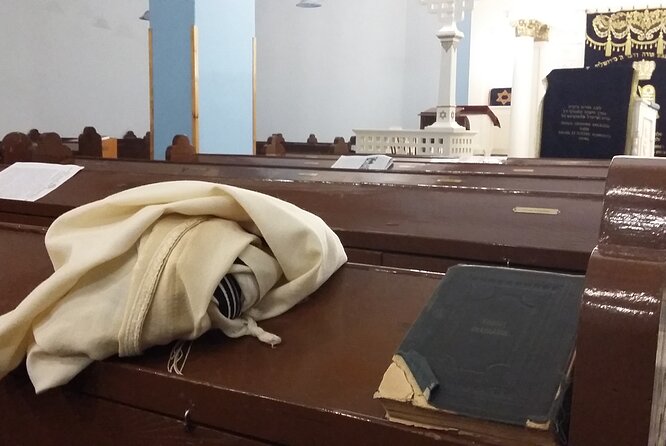
Let’s talk value in plain terms.
The price is $356.90 per group for up to 6 people. That matters because you are not paying a solo premium to get a guide. It is also a format that is designed for personal attention, and in this quarter that is not a small thing. With only a handful of people, you get time for questions and you can adjust the pace.
Hotel pickup and drop-off are included. In Budapest, that saves time and keeps you from burning energy on transit before the walk starts.
A big “watch this” item is entrances. Entrance fees are not included, and the tour states a maximum additional entrance fee cost of €46.00 per person. You can choose to visit one synagogue only, and discounted entry may be available for some categories. So the total cost can vary based on what you choose to see inside.
If you have dietary needs, the tour says kosher meals and snacks can be arranged if required. That is not something every history walk handles well, so it is worth noting.
When you weigh it, the price feels most reasonable if you:
- want a real guide for Jewish history and WWII context
- care about both memorials and neighborhood life
- are traveling as a group of two to six, so you spread the cost
Who should book this Jewish Quarter walk, and who should think twice
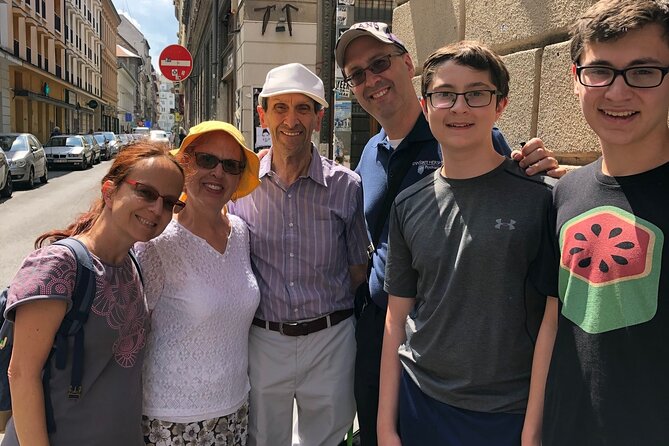
This is a good fit if you want history with street-level meaning. If you are the type who likes Jewish heritage sites, WWII memorial context, and learning how a neighborhood survived and changed, you’ll likely feel satisfied by the route.
It is also a strong choice if you like conversation and questions. The guide style described here matters. If you love to ask why something matters, not just what something is, this kind of walk will suit you.
You should think twice if you:
- hate emotional or WWII-related content
- are unable to do moderate walking, even with break options
- prefer a free-form “wander and figure it out” day with no structured context
Should you book the Budapest City Walk in the Jewish Quarter?
If you want a one-stop way to understand this part of Budapest, I think it is worth booking. The combination of synagogues, WWII memorials like the ghetto wall and Shoes Monument, and local-life stops makes the quarter feel layered instead of stuck in tragedy.
Book it if your goal is to leave with a mental map and real context, not just photos. Also, if you are traveling with others, the per-group pricing up to 6 makes this easier to justify.
If you are on a tight budget, you should plan for the synagogue entrance extra cost. And if you dislike heavy history, consider whether you want this specific mix of sites.
FAQ
How long is the Budapest City Walk in the Jewish Quarter?
It lasts about 4 hours.
What is the price for the tour?
The price is $356.90 per group, for up to 6 people.
Is hotel pickup included?
Yes. Hotel pickup and drop-off is offered.
How large is the group?
The tour has a maximum of 10 travelers.
What language is the tour offered in?
It is offered in English.
Are entrances included for synagogues and museum stops?
Entrance fees are not included. The tour states a maximum additional cost of €46.00 per traveler for entrance fees, and you can choose visiting one synagogue only, with discounted prices possibly available.
Is there a lot of walking?
There is a moderate amount of walking. You can ask for a break when needed.
What should I wear or bring?
The tour notes that you should be prepared with your own hat/cap and scarf if you do not want to wear the pieces provided by the synagogues.
Is a mobile ticket used?
Yes, mobile tickets are offered.
What is the cancellation policy?
Free cancellation is available. You can cancel up to 24 hours in advance for a full refund. If you cancel less than 24 hours before the start time, the amount you paid is not refunded.
More Walking Tours in Budapest
- Budapest: Buda Castle Walk with Saint Stephen’s Hall
★ 4.5 · 3,012 reviews - Big Bus Budapest Hop-On Hop-Off Bus and Walking Tour
★ 3.5 · 2,206 reviews - Budapest: Buda Castle District Walking Tour
★ 4.6 · 2,108 reviews - 3-Hour Orientation Walking Tour of Buda and Pest
★ 4.8 · 1,834 reviews
Latest to land in Budapest
- Visegrád Hike & Castle Tour with Ferry from Budapest★ 4.6 · 3 reviews
- Budapest: Vacation Photographer to collect great memories★ 5.0 · 49 reviews
- Trash Art Museum: Hungary’s First Scrap Metal Exhibition★ 4.3 · 72 reviews
- True Crime Walking Tour in the Buda Castle district★ 5.0 · 26 reviews
- Budapest: 3-Hour Trabant Sightseeing Tour★ 4.7 · 28 reviews
- Audio visual multi-sensory chefs journey dinner experience★ 5.0 · 3 reviews
- Private Szentendre and Vac Tour from Budapest with Transport★ 5.0 · 3 reviews
- Wine Tasting in the Countryside from Budapest★ 5.0 · 14 reviews
Jewish Heritage Tours, compared.
Budapest Jewish Heritage Memorial Walking Tour & Synagogue Entry
Read our review →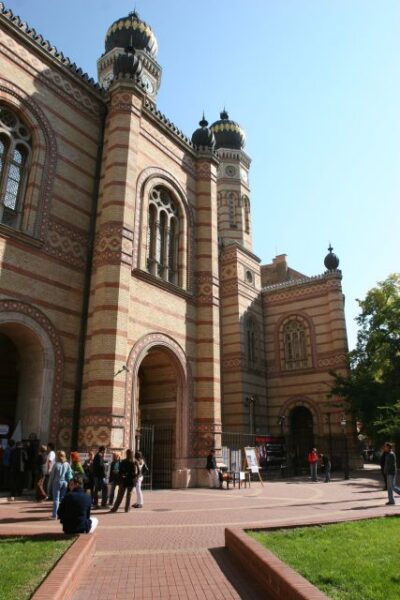
Jewish Heritage Guided Tour with Synagogue Ticket
Read our review →
German tour in the Budapest city centre & the Jewish quarter
Read our review →
Past and Present of Budapest Jewish District Tour
Read our review →
Budapest Dohany Synagogue & Hungarian Jewish Museum & free extras
Read our review →
Jewish History Guided Walking Tour with Historian
Read our review →
Budapest Dohany, Heroes’, Rumbach synagogues & Jewish Ghetto Tour
Read our review →
Browse the lists this tour appears in