
Reviewed · JEWISH HERITAGE TOURS
Budapest Jewish Heritage Memorial Walking Tour & Synagogue Entry
Bring your curiosity, not a history textbook. This 3-hour walk centers on Dohány Street Synagogue and a guided stop at the Jewish Museum, with a thoughtful route through Holocaust memorials and the old Jewish Quarter. What I like most is that it mixes awe-inspiring sites with clear storytelling, and the group stays small so questions actually get answered. One thing to plan for, though: parts of the visit are quiet, sit-down listening time, so comfortable shoes help.
I also like the flexibility. You can choose the shorter Essential option or the longer Grand route, which adds more synagogues, WWII memorial parks, and a sweet end-of-tour option with a restaurant discount. If you get a guide like Benjamin, Benji, Barbie, or Barbara (names that show up again and again in feedback), you are likely to get lively, personal explanations and good local suggestions for what to do next.
If you are set on seeing the highlights around Jewish heritage without wrestling with maps or ticket lines, this tour is built for you. It runs in English, starts at the synagogue on Dohány Street, and caps at 15 people, which makes it feel more like a guided walk with friends than a cattle-call history lesson.
In This Review
- Key points to know before you go
- Dohány Street Synagogue: the size of the place does half the work
- Jewish Museum and Archives: art, daily life, and a memorial room
- Raoul Wallenberg Holocaust Memorial Park and the meaning of names
- The old Jewish Quarter: ghetto history you walk through
- Heroes’ Temple: remembering World War I losses
- Grand Tour upgrades: extra synagogues and WWII memorial parks
- Frohlich bakery sweets and the Carmel discount plan
- Price and value: where the money actually goes
- Logistics that make the day smoother
- Who this tour is best for (and who might want a different pace)
- Should you book this Budapest Jewish Heritage Memorial Walking Tour?
Key points to know before you go
- Dohány Street Synagogue interior visit is the big wow moment, and it sets the tone for everything that follows
- Jewish Museum and Archives guided time helps you connect art, daily life, and memory to what you see outside
- WWII and Holocaust memorial stops are not just names, you get context for why they matter here
- Essential vs Grand options change how many synagogues and memorial parks you cover
- Kosher Frohlich sweets and Carmel discount (Grand) give you an easy, local way to keep the experience going
Dohány Street Synagogue: the size of the place does half the work
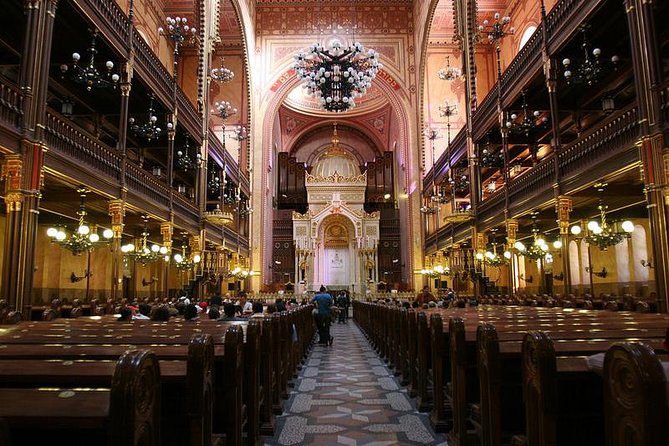
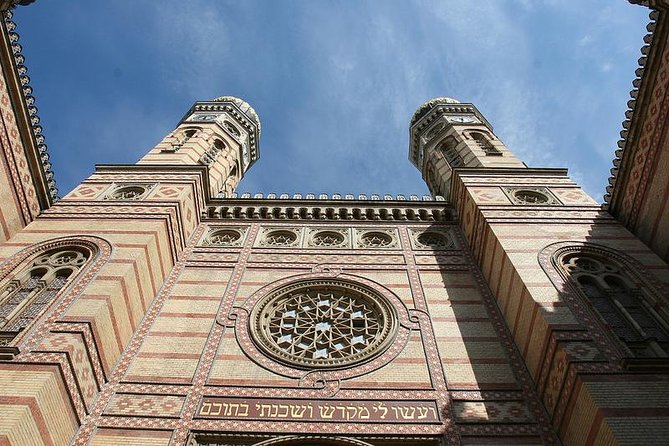
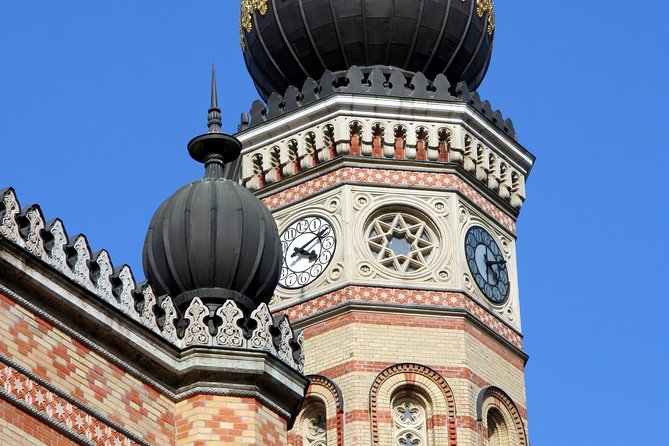
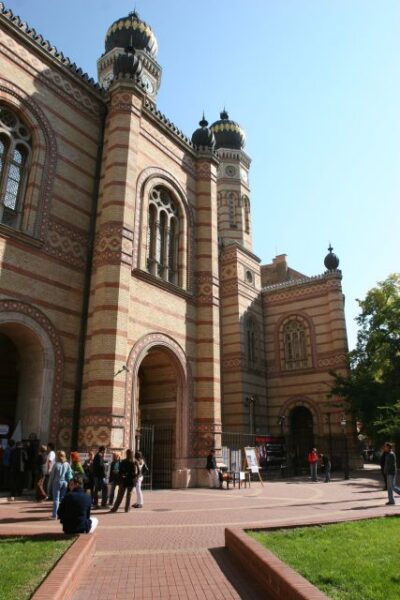
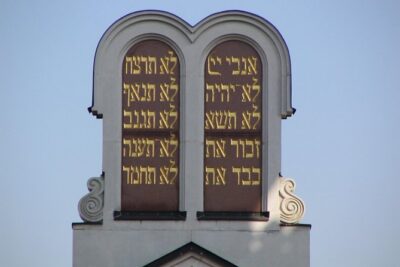
The tour starts right at Dohány Street Synagogue, the one most people recognize as Europe’s largest synagogue and the second largest in the world. Even if you know nothing, the scale hits you immediately, and you get inside for a guided visit rather than a quick “look and leave” pass.
What makes this synagogue visit especially valuable is the way it anchors the rest of your walk. You are not just seeing architecture. You are stepping into a site that connects faith, community life, and the long shadow of 20th-century tragedy in Budapest. That is a lot for one building to carry, and the guide helps you read it without feeling overwhelmed.
Practical tip: dress for an indoor visit at a historic site. The building is impressive, but you will spend time listening and walking between sections. If you like photos, take a moment to pause outside first, then switch your brain to “slow looking” once you are inside.
More Jewish heritage walks:
- Budapest: Jewish Heritage Guided Tour with Synagogue Ticket
★ 4.8 · 533 reviews - German tour in the Budapest city centre & the Jewish quarter
★ 5.0 · 359 reviews - Past and Present of Budapest Jewish District Tour
★ 5.0 · 264 reviews
Jewish Museum and Archives: art, daily life, and a memorial room
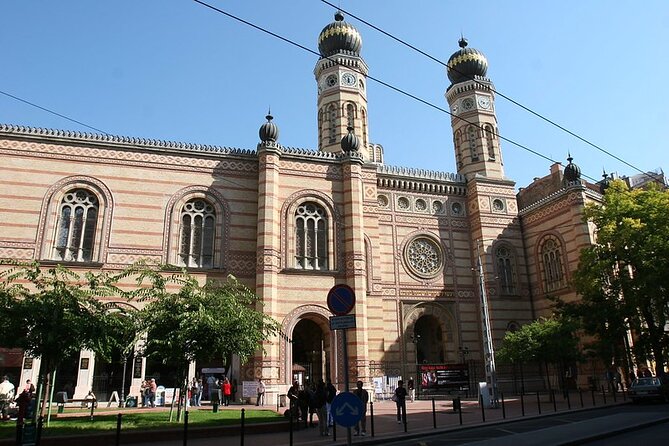
Right after the synagogue, you head to the Jewish Museum and Archives. Here, you get a guided tour, not just free roaming. The museum’s collection is focused on Hungarian and Eastern European artists, so you see heritage through visual culture, not only through dates and names.
There is also a separate room commemorating the Hungarian Holocaust. That matters because it keeps the experience from feeling like a general survey of Jewish life. Instead, you see how a community was targeted, erased, and remembered, all in one place.
What I like about this stop is the balance. You get enough about holidays and everyday tradition to understand the community as it was, then you get the memorial space to understand what was lost. If you have ever felt like museum exhibits can feel emotionally lopsided, this structure helps.
Time check: the museum portion is long enough to make it worthwhile, and short enough that you still have energy for the outdoor memorial and street-level context afterward.
Raoul Wallenberg Holocaust Memorial Park and the meaning of names
Next comes Raoul Wallenberg Holocaust Memorial Park, named for the man credited with saving the lives of thousands in Budapest’s Jewish community. This stop turns a memorial into something more practical to understand, because you learn why his name is here and how individuals fit into the story of survival and rescue.
When people rush through memorial sites, they often miss the point. The guide’s narration helps you avoid that. You do not just see a place, you learn what it represents, and then you carry that meaning with you as you continue walking through the city.
This is also where the tour’s pacing starts to feel “human.” The architecture is behind you, and now you are dealing with spaces where history is tied to the streets themselves.
The old Jewish Quarter: ghetto history you walk through
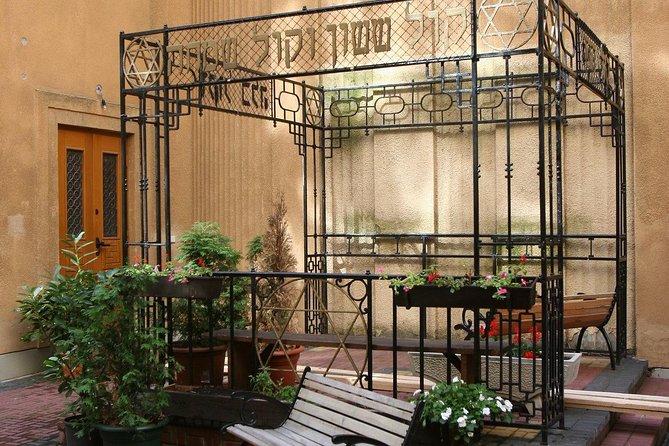
As you pass through the old Jewish Quarter, you get the wartime context that shaped the area. The guide frames it as a ghetto during the Second World War, which is the key fact you should keep in mind as you move along.
What makes walking through here different from reading about it is that Budapest’s streets still exist. You experience the scale, the turns, the distances. That can make the history feel less abstract, in a good way, even though the subject is heavy.
If you tend to get overwhelmed on history tours, take a breath at each stop and let the guide finish the explanation before you start scanning everything at once. The route is designed to give you context first, then visuals second.
More History Tours in Budapest:
- Budapest: Historic Cruise with Welcome Drink
★ 4.7 · 6,512 reviews - Budapest Historical Sightseeing – Free Walking Tour
★ 5.0 · 1,302 reviews - Buda Castle District Dark History, Legends and Vampire Night Tour
★ 4.5 · 1,240 reviews - BloodThirsty Hungary: Walking tour & Dark Historical Stories
★ 4.9 · 633 reviews
Heroes’ Temple: remembering World War I losses
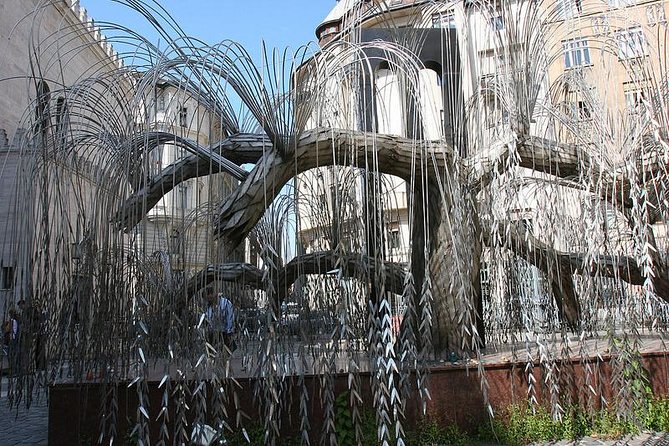
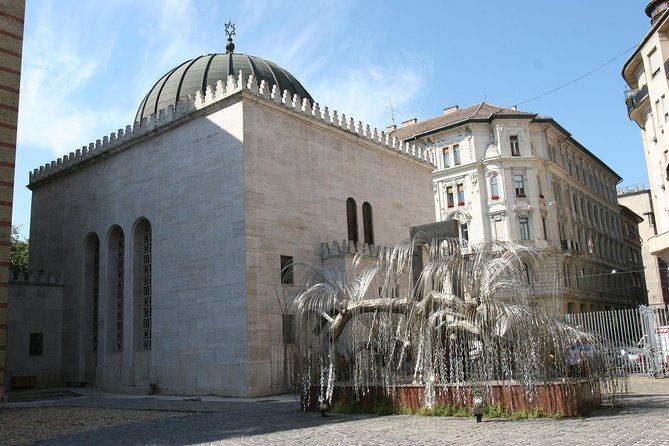
One of the quieter but meaningful stops is Heroes’ Temple, dedicated to those lost during World War I. It is part of the same heritage landscape, but it shifts the focus from World War II to an earlier conflict.
That switch is important. It reminds you that this is not a single-issue story. Jewish community life in Budapest includes multiple eras, multiple forms of commemoration, and the way communities grieve through religious and civic spaces.
This stop also helps break up the emotional intensity of the Holocaust-related memorials, without letting the tour “off the hook” on history.
Grand Tour upgrades: extra synagogues and WWII memorial parks
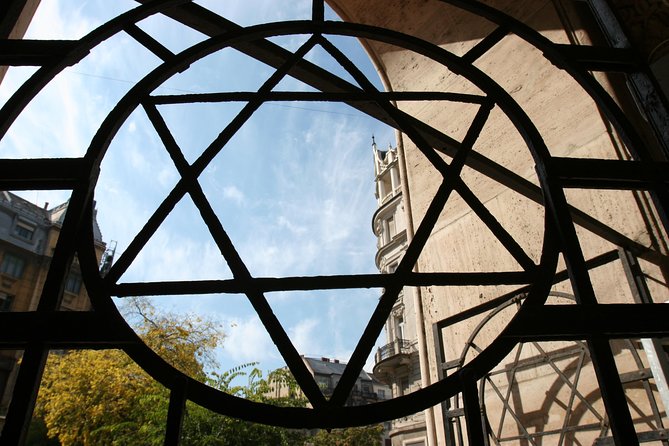
If you choose the Grand option, the walk continues where the shorter route leaves off, adding more synagogues and memorials. The difference is not just extra time. You get a wider geographic sweep and more layers of story.
One of the added highlights is a pass through Gozsdu Udvar, a lively passage area. It is not framed as a lecture stop, more like a way to connect the heritage story to a present-day Budapest you can actually step into.
Then you visit Carl Lutz Memorial Park. The park is named after another famous figure from WWII, and the tour gives you the context for why his name is part of the Budapest narrative. Even with limited time, it helps connect individual impact to the bigger events.
Finally, the Grand route includes Kazinczy Street Synagogue. This is the main synagogue of the Hungarian Orthodox Jewry, built in art-nouveau style. The guide positions it as one of the largest operating orthodox synagogues in Europe, so it is another “this is not small” moment after the Dohány Street scale.
Time wise, this is a solid stop. You get enough of a guided focus to understand what you are seeing, then time to look around before the tour transitions into the ending food choices.
Frohlich bakery sweets and the Carmel discount plan
The Grand Tour ends with a food moment, which is honestly a smart way to close a heavy-themed experience. You pause for cake and sweets at the kosher Frohlich Bakery and Café. It is a comfortable, low-effort break that also keeps you connected to contemporary Jewish food culture in Budapest.
You also receive a 10% discount for the glatt kosher Carmel restaurant, to use later in the evening if you want. Even if you do not plan to return for dinner, the presence of that option is a nice bonus, because it points you toward a real follow-up experience rather than just a “thanks for coming” exit.
Practical tip: if you go for cake, go light on coffee too. You want to stay awake and enjoy the rest of your day, not crash right after a memorial-focused morning.
Price and value: where the money actually goes
At $83.44 per person for about 3 hours, you are paying for two things that are hard to replicate on your own: expert guidance and multiple admission tickets bundled into one route.
This tour includes the entrance to key synagogues, and the structure is designed so you do not spend your day juggling tickets and time slots. The guided museum time is a major part of that value, because it gives you context for what you are looking at rather than just a walk-through.
Also, the group size matters. With a maximum of 15 people, you typically get a steadier flow of questions and explanations. That is a big deal on tours covering sensitive history, since you do not want your questions cut short.
If you are comparing options, this is the kind of experience where “cheaper” can end up costing you time, stress, or missed context.
Logistics that make the day smoother
You start at the Dohány Street Synagogue at Dohány u. 2, 1074 Hungary, with a start time of 10:00 am. You get a mobile ticket, which helps a lot in a city where you might already be juggling transit apps and maps.
There is no hotel pickup. That means you will want to plan your public transportation route in advance, then arrive a bit early to settle in. The meeting point is near public transport, so it is not a headache to reach.
The tour is offered in English, and most people can participate. If you have mobility limitations, I would suggest you consider that some parts involve waiting indoors and moving between several sites. Comfortable shoes are the safe call.
Who this tour is best for (and who might want a different pace)
This is a strong fit if you want a guided, respectful route through Budapest’s Jewish heritage without turning the day into a self-guided scavenger hunt.
It is also ideal if you like your history tied to places you can stand in front of, and you value a guide who can connect architecture, museums, and memorial sites into one coherent walk. The repeated praise for guides like Benjamin, Benji, Daniel, Barbie, Barbara, and Turo points to the same theme: storytelling that keeps people engaged.
You might consider a different option if you dislike sitting for long indoor listening segments, or if you want a more free-flowing walk where you call the pace at every stop. This tour keeps a schedule, and that is part of why it works so well for first-time visitors.
Should you book this Budapest Jewish Heritage Memorial Walking Tour?
Book it if you want the core Budapest Jewish heritage sites in a focused 3-hour format, and you want real narration instead of piecing the story together from signage. It is also a good booking if you are choosing between “synagogue only” and “synagogue plus context,” because the museum stop and memorial parks give the experience weight.
Skip it or choose the shorter Essential option if you already plan to eat a late lunch and you do not want the additional synagogue and ending café timing of the Grand route.
Bottom line: if you show up ready to listen, this tour will give you a clear sense of what shaped Jewish life in Budapest, what was lost, and how the community memory is carried forward in public spaces today.
More Walking Tours in Budapest
- Budapest: Buda Castle Walk with Saint Stephen’s Hall
★ 4.5 · 3,012 reviews - Big Bus Budapest Hop-On Hop-Off Bus and Walking Tour
★ 3.5 · 2,206 reviews - Budapest: Buda Castle District Walking Tour
★ 4.6 · 2,108 reviews - Budapest City Landmarks Walking Tour in 2 Hours
★ 5.0 · 2,048 reviews
Latest to land in Budapest
- Visegrád Hike & Castle Tour with Ferry from Budapest★ 4.6 · 3 reviews
- Budapest: Vacation Photographer to collect great memories★ 5.0 · 49 reviews
- Trash Art Museum: Hungary’s First Scrap Metal Exhibition★ 4.3 · 72 reviews
- True Crime Walking Tour in the Buda Castle district★ 5.0 · 26 reviews
- Budapest: 3-Hour Trabant Sightseeing Tour★ 4.7 · 28 reviews
- Audio visual multi-sensory chefs journey dinner experience★ 5.0 · 3 reviews
- Private Szentendre and Vac Tour from Budapest with Transport★ 5.0 · 3 reviews
- Wine Tasting in the Countryside from Budapest★ 5.0 · 14 reviews
Jewish Heritage Tours, compared.
Jewish Heritage Guided Tour with Synagogue Ticket
Read our review →
German tour in the Budapest city centre & the Jewish quarter
Read our review →
Past and Present of Budapest Jewish District Tour
Read our review →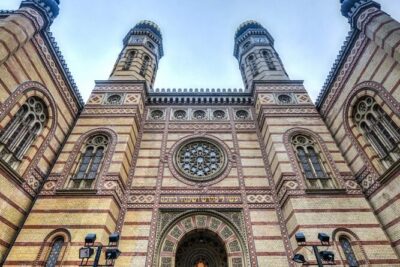
Budapest Dohany Synagogue & Hungarian Jewish Museum & free extras
Read our review →
Jewish History Guided Walking Tour with Historian
Read our review →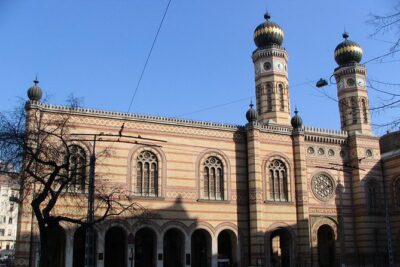
Budapest Dohany, Heroes’, Rumbach synagogues & Jewish Ghetto Tour
Read our review →
Browse the lists this tour appears in