
Reviewed · MUSEUMS
Budapest: Time Machine Immersive Historical Exhibition
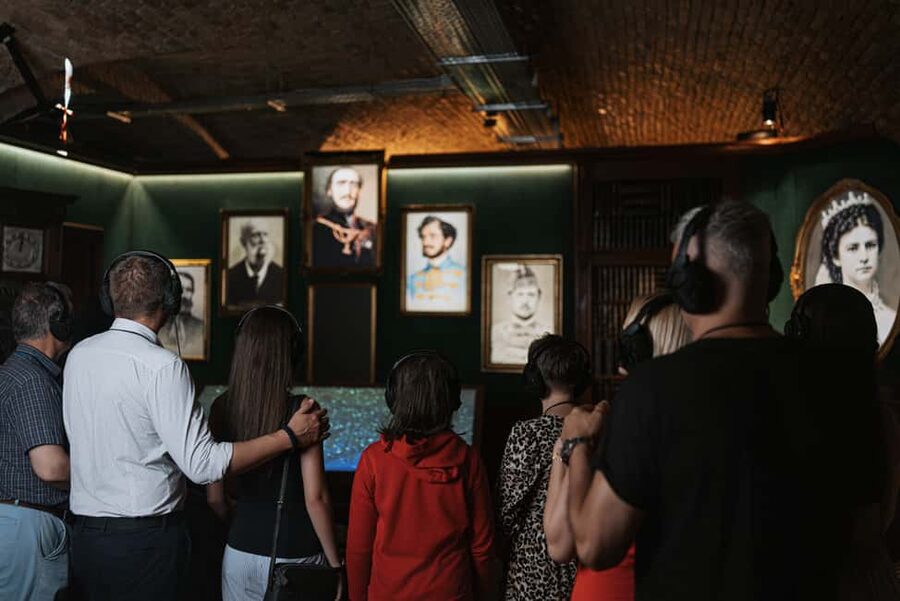
Budapest history turns into a show. This 90-minute experience uses VR plus holograms and mist projections to make big moments feel immediate, and it’s paired with original audio plays performed by professional actors. I like how it balances major events with human stories, though the pace can feel information-heavy if you prefer slower, museum-style visits.
You enter from Király u. 26, down to the lower ground floor beneath the Twentysix restaurant. The tour is guided by a live guide in English, German, or Spanish, and the exhibition is also available in Hungarian. I also appreciate that it’s set up for wheelchairs, but it is not suitable for children under 12.
Here’s the best way to think of it: this is not just a history lecture. It’s a guided, high-tech walkthrough through revolutions, wars, and everyday lives, all in one atmospheric space of about 1,000 m². If you are traveling with kids under 12, you’ll need another plan.
In This Review
- Key things I’d circle before you go
- Time Machine Budapest, under Twentysix: finding the door without stress
- The 90-minute format: guided tour plus a big 1,000 m² story world
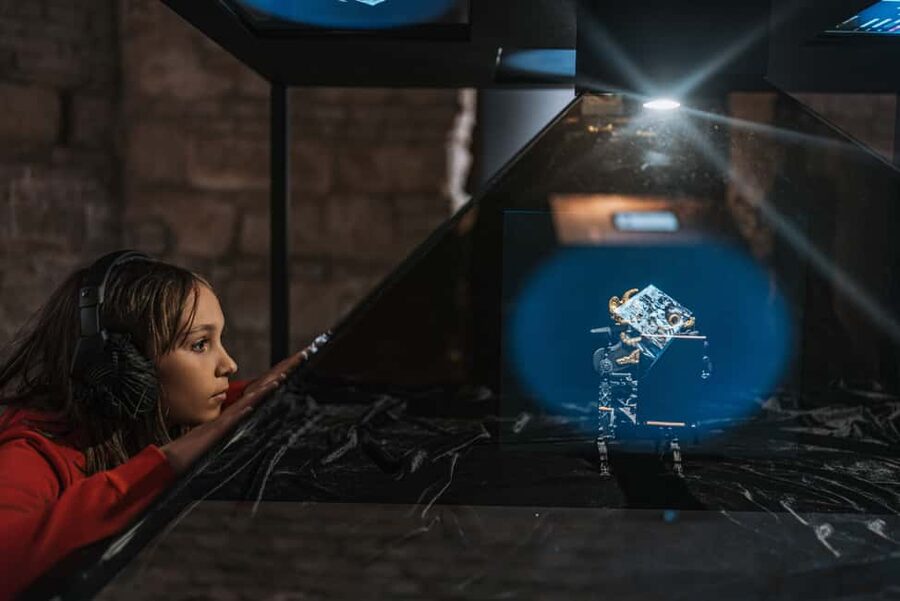
- VR, holograms, mist projections, and the holopyramid: what you’re actually looking at
- The storyline from unifying Budapest to today: how the tour is organized
- Habsburg period scenes: context for why Budapest feels the way it does
- World War devastation, the Ghetto of Budapest, and revolution-era turning points
- Socialist era stories and the focus on everyday heroes
- Original audio plays with professional actors: how to get the most out of them
- Language support across English, German, Spanish, and Hungarian
- Price and value around $26: what you’re paying for
- Who should book, and who might prefer something else
- Should you book Time Machine Budapest? A quick decision guide
- FAQ
- FAQ
- How long is the Budapest Time Machine exhibition?
- Where is Time Machine Budapest located?
- What technology does the exhibition use?
- What languages are available?
- Is it suitable for children?
- Is the attraction wheelchair accessible?
- What is the price?
Key things I’d circle before you go
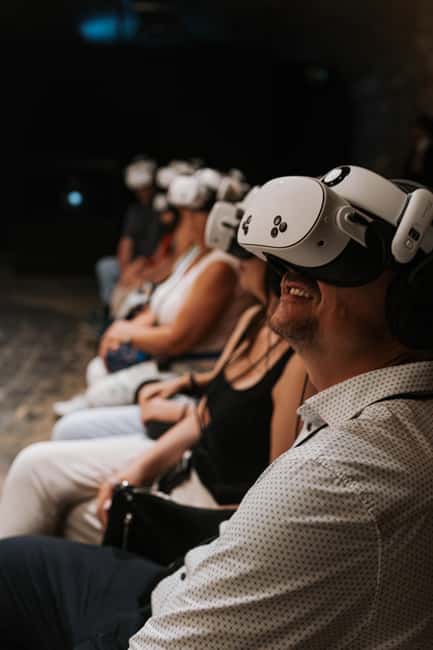
- Tech-led storytelling with VR, holographic projection, mist screen projection, and a holopyramid
- Original audio plays with professional actors, built to carry the narrative
- A full 90 minutes in a 1,000 m² immersive set, covering multiple eras of Budapest
- Major chapters covered clearly, including Habsburg rule, World War devastation, and the Ghetto of Budapest
- Language options across English, German, Spanish, and Hungarian versions of the exhibition
- Great for first-time context, especially if you want something to anchor your future sightseeing
Time Machine Budapest, under Twentysix: finding the door without stress
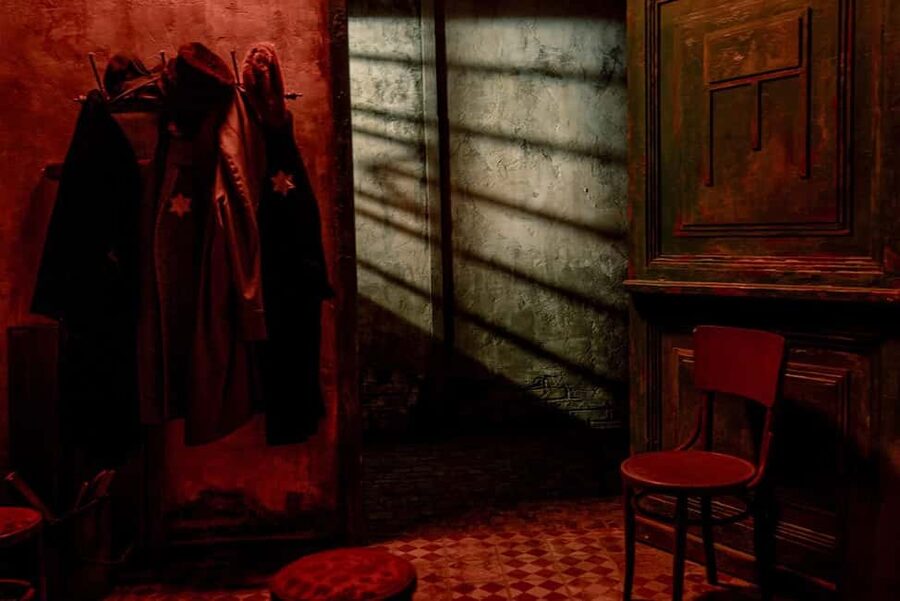
The location is easy to spot once you know what to look for. You go to Király u. 26 and find the Time Machine Budapest entrance on the street front, with a ticket sales point. If you prefer, you can also come directly to the exhibition by heading to Twentysix and going down the stairs to the left.
What I like about this setup is that it removes the usual “where is it exactly?” headache. It also means you are starting in the center of town, so it fits neatly into a day of walking around Budapest rather than becoming a separate mission.
Do note one practical detail: tours start every 30 minutes, so showing up right at the scheduled time is risky. Plan to arrive about 10 to 15 minutes early so you can settle in and start smoothly.
More History Tours in Budapest:
- Budapest: Historic Cruise with Welcome Drink
★ 4.7 · 6,512 reviews - Budapest Historical Sightseeing – Free Walking Tour
★ 5.0 · 1,302 reviews - Buda Castle District Dark History, Legends and Vampire Night Tour
★ 4.5 · 1,240 reviews
The 90-minute format: guided tour plus a big 1,000 m² story world
The experience runs for about 90 minutes, and the guided tour portion is about 100 minutes. Either way, you should treat it as a focused block of time, not a quick snack-sized attraction. You will move through an atmospheric space of about 1,000 m² designed for changing scenes and projections.
Because the exhibition covers multiple periods, the flow matters. I like that the format gives you enough time to follow the timeline without rushing so hard that you miss the emotional beats. Still, if you really hate being in a controlled environment with constant stimulation, it can feel like a lot.
This is also a good choice when you want a structured introduction. If you plan to see landmarks later, you’ll likely find it easier to connect what you’re seeing with what happened to the city and its people.
VR, holograms, mist projections, and the holopyramid: what you’re actually looking at
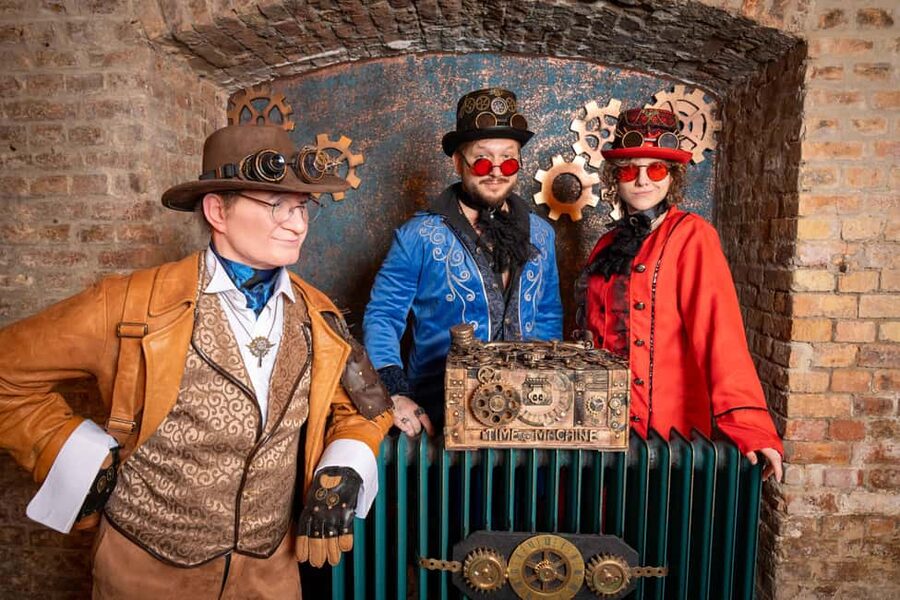
This exhibition leans heavily on technology, but it’s not there just to show off. The VR and holographic projection elements are used to give you a sense of stepping into the past rather than passively reading panels.
You’ll also encounter mist screen projection. That matters more than you might think, because it’s part of the atmosphere that helps different eras feel distinct. It can also mean the lighting and effects are intentionally dramatic, so keep your expectations in line with a performance-style environment.
Then there’s the holopyramid. This is one of those special features that tends to make people pause, because it visually signals that you’re not in a regular museum room. If you enjoy visual tech that has a clear narrative job, you’ll probably love this part.
Bottom line: if you’re the type who thinks technology in museums is gimmicky, this one might be hit-or-miss. But if you want your history with visuals and guided context, it’s built for you.
The storyline from unifying Budapest to today: how the tour is organized
The journey follows Budapest’s past as a connected storyline. You start with ideas around unifying the city and you move forward through revolutions, wars, and forgotten destinies, ending at a view that reaches to the present day.
That timeline approach is the big value for me. Budapest history can feel scattered when you’re just sightseeing from street to street. Here, you get a guided sequence that helps you understand why certain tensions and changes happened, and how those changes shaped what you see now.
The exhibition also centers stories of everyday heroes, not only famous names. That’s a smart choice. Even when major events dominate textbooks, it’s often the personal and social consequences that make history feel real when you walk outside afterward.
More Museum Visits in Budapest:
- Budapest: Cat Museum Budapest Entry Ticket
★ 4.4 · 2,210 reviews - Budapest: Light Art Museum Skip-the-Line Entry Ticket
★ 3.9 · 1,531 reviews - Budapest: Budapest Retro Interactive Museum Ticket
★ 4.4 · 569 reviews - Budapest Card: Free Public Transport, Spa & Museums with Delivery
★ 3.5 · 241 reviews
Habsburg period scenes: context for why Budapest feels the way it does
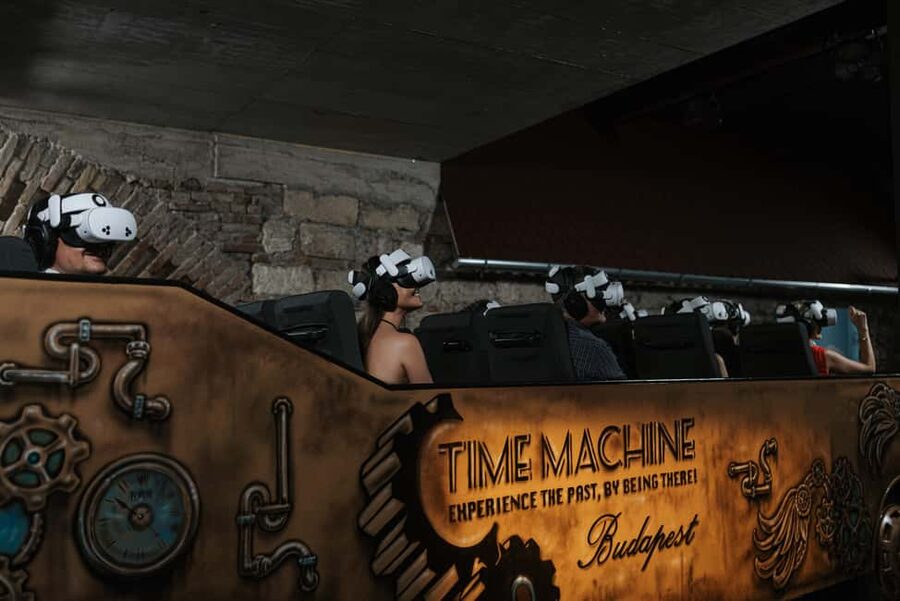
One of the stated eras you’ll learn about is the Habsburg period. This is useful because the Habsburg influence is part of the backdrop for a lot of Central European history, and Budapest carries that legacy in many ways.
In this exhibition, the Habsburg chapter isn’t treated as a dry list of rulers. It’s presented as a story thread inside the larger arc of the city. If you tend to skip early sections of museum tours, you might miss the value here, since understanding the earlier power structures can make later upheavals easier to grasp.
I also like that the exhibition doesn’t assume you already know the timeline. It’s designed to give you enough foundation to continue your own walking route around Budapest with less confusion.
World War devastation, the Ghetto of Budapest, and revolution-era turning points
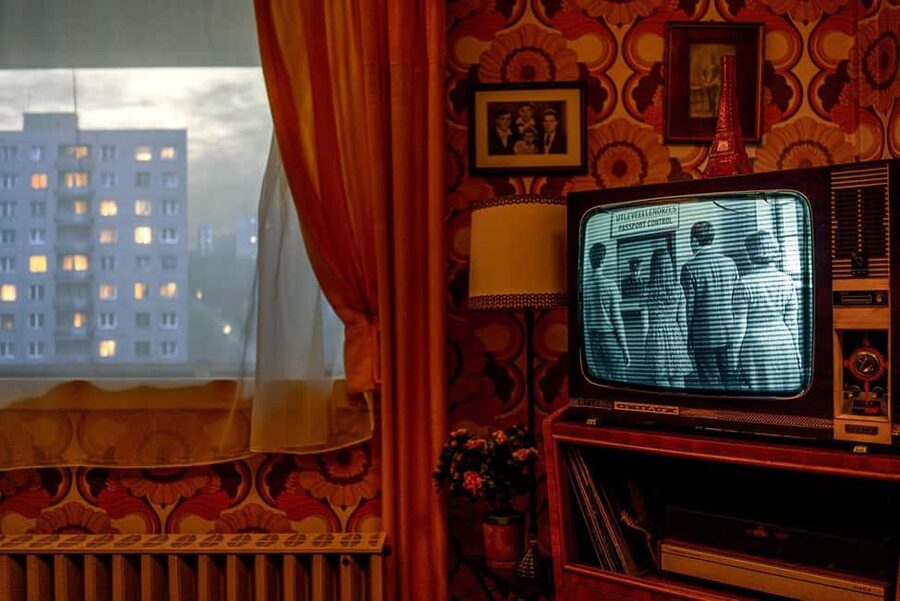
The exhibition addresses heavy material directly. It includes World War devastation and the Ghetto of Budapest, plus revolutions and war-time experiences across the story arc.
From a visitor standpoint, the value is not just that these topics are included, but that they’re tied into a guided sequence. When history is delivered as connected events and consequences, it’s easier to hold the complexity without getting lost.
This is also where the actor-led audio plays do important work. Visual tech can move you quickly, but the audio narrative helps you stay anchored to the human stakes. You’re not just seeing effects, you are hearing stories designed to carry meaning.
If you prefer light, entertainment-first attractions, this part may feel intense. But if you want a truthful and structured look at the city’s darker chapters, this is one of the stronger reasons to book.
Socialist era stories and the focus on everyday heroes
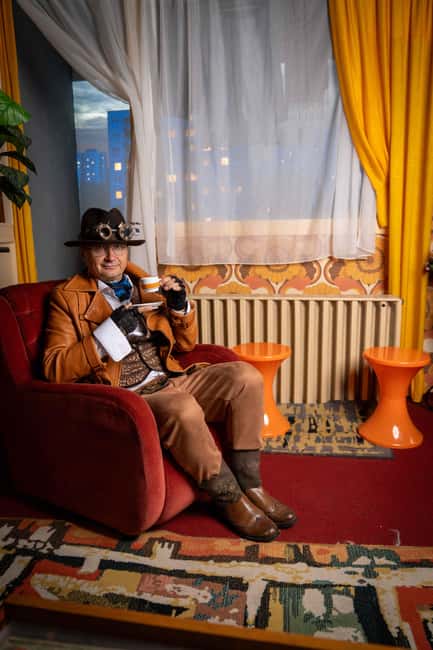
The tour continues into the socialist era, another big chapter in twentieth-century Central European history. The exhibition approach here matters, because it’s not only about political shifts. It’s also about how ordinary people lived through change, and how everyday choices reflected larger pressures.
The emphasis on everyday heroes is one of the best parts of the overall concept. It helps you leave with more than dates and big events. You start noticing how systems affect daily life, which makes later sightseeing feel less like trivia and more like understanding.
In practical terms, this is the section that often helps people get oriented. After this kind of storyline, you are less likely to look at historic buildings as isolated backdrops and more likely to see them as part of a living, interrupted timeline.
Original audio plays with professional actors: how to get the most out of them
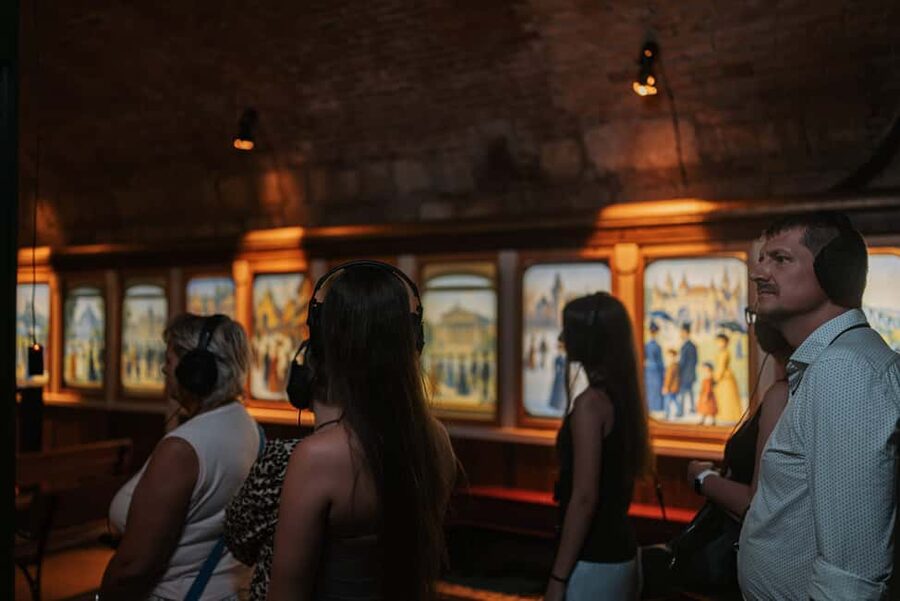
A major component is the original audio plays, performed by professional actors. That’s a big deal because voice acting changes the tone instantly. You’re not reading from a script that stays flat. You’re listening to performances shaped for this specific historical storytelling.
I’d recommend you treat these audio segments like the centerpiece. If you rush past them or split your attention, you lose the emotional glue of the show. Instead, slow down at those moments, let the narrative land, and then look around at the visuals as reinforcement.
If you’re sensitive to audio volume, this is something to keep in mind. The exhibition is designed as a show space, so it’s likely you will hear audio clearly in the zones where it plays. If that’s a problem for you, plan to pace yourself and take brief breaks when needed.
Language support across English, German, Spanish, and Hungarian
This experience is designed for international visitors. The live tour guide is available in English, German, and Spanish, and the exhibition content is available in English, German, Spanish, and Hungarian.
I like having multiple language options because it changes how inclusive the experience feels. If you’re traveling with a friend who prefers a different language, you should still have solid options depending on what the tour offers at your time slot.
If you’re choosing a session, pick the language you can follow with confidence. For history content with emotional weight, clarity matters more than you might think.
Price and value around $26: what you’re paying for
At about $26 per person for roughly 90 minutes, this is not a budget museum price, but it also isn’t a luxury one. The value comes from how many production elements you get in one space.
You’re paying for:
- A guided experience with a live tour guide
- Multiple high-tech formats like VR, holograms, mist projection, and the holopyramid
- Original audio plays with professional actors
- A large, dedicated exhibition environment of about 1,000 m²
So the question is not just whether the price is fair. It’s whether you want this kind of production as a shortcut to historical context. If you like learning through media and performance, it’s a strong deal. If you prefer traditional, self-paced reading with minimal tech effects, you may find the cost harder to justify.
One more note: it’s especially good for people who plan to do other Budapest sightseeing right after. You will likely leave with a mental timeline that makes future stops feel less random.
Who should book, and who might prefer something else
This works best for:
- Adults who want a structured timeline of Budapest history in about 90 minutes
- Families with children over 12, since it is recommended for that age group
- First-time visitors who want a foundation before touring landmarks
- Anyone who enjoys VR, holograms, and audio-driven storytelling
It may be a weaker fit if:
- You dislike tech-based exhibitions or find visuals and effects overwhelming
- You strongly prefer self-paced museum wandering rather than a guided performance
- You are traveling with children under 12, since it is not suitable for them
Also consider the pacing. Some people find the amount of explanation and historical detail to be a lot. If you’re easily overloaded, go in with the right mindset: take breaks if needed, and focus on understanding the big story threads.
Should you book Time Machine Budapest? A quick decision guide
I’d book it if you want history that feels like a narrative experience, not a stack of facts. The combination of VR and holographic projections with professional actor audio is what makes this one different from the average museum ticket. It also covers the eras that often trip up visitors, including the Habsburg period, World War devastation, the Ghetto of Budapest, and the socialist era.
I would skip it if your travel style is quiet, slow, and text-based. If you want maximum time per exhibit and you’re allergic to mist-like effects and tech-driven scenes, choose a more traditional museum route instead.
If you are trying to decide today, here’s the simplest test: if you want to get your bearings fast on Budapest’s twentieth-century story, this is a solid use of time. You can even see it as a primer that makes your later walking around the city smarter.
FAQ
FAQ
How long is the Budapest Time Machine exhibition?
The experience lasts about 90 minutes.
Where is Time Machine Budapest located?
It’s at 26 Király Street (Király u. 26). The exhibition is on the lower ground floor beneath the Twentysix restaurant, down the stairs to the left.
What technology does the exhibition use?
It uses VR technology, holographic projection, mist screen projection, and a holopyramid.
What languages are available?
The exhibition is available in English, German, Spanish, and Hungarian, and the live tour guide is available in English, German, and Spanish.
Is it suitable for children?
It is recommended for families with children over 12 years old, and it is not suitable for children under 12.
Is the attraction wheelchair accessible?
Yes, it is wheelchair accessible.
What is the price?
The price is listed as $26 per person.
Latest to land in Budapest
- Visegrád Hike & Castle Tour with Ferry from Budapest★ 4.6 · 3 reviews
- Budapest: Vacation Photographer to collect great memories★ 5.0 · 49 reviews
- Trash Art Museum: Hungary’s First Scrap Metal Exhibition★ 4.3 · 72 reviews
- True Crime Walking Tour in the Buda Castle district★ 5.0 · 26 reviews
- Budapest: 3-Hour Trabant Sightseeing Tour★ 4.7 · 28 reviews
- Audio visual multi-sensory chefs journey dinner experience★ 5.0 · 3 reviews
- Wine Tasting in the Countryside from Budapest★ 5.0 · 14 reviews
- Private Walking Tour in The Jewish District Budapest★ 4.5 · 16 reviews
Museums, compared.
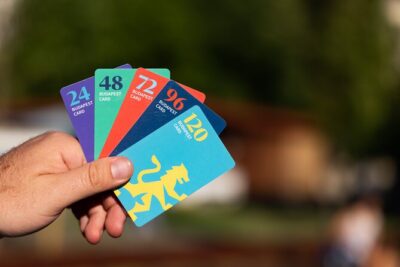
Budapest Card: Free Public Transport, Spa & Museums with Delivery
Read our review →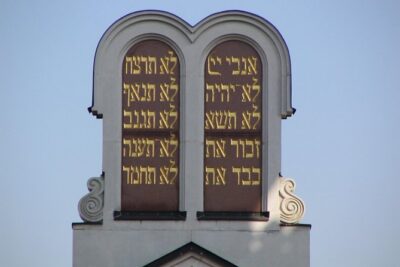
Budapest Dohany Synagogue & Hungarian Jewish Museum & free extras
Read our review →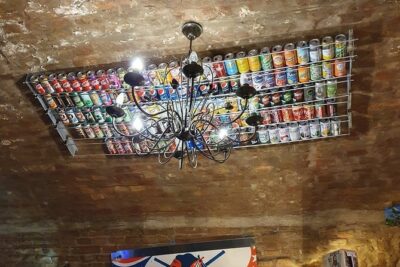
Skip the Line: Budapest Pinball Museum Admission Ticket
Read our review →

Trash Art Museum: Hungary’s First Scrap Metal Exhibition
Read our review →Browse the lists this tour appears in