
Reviewed · COMMUNIST HISTORY TOURS
Budapest: Communist History Tour with House of Terror Option
Budapest has secrets under its monuments. This 2-hour small-group tour takes you from Hungary’s Parliament area to Communist-era sites, and you get either the lighter Budapest Retro Center or the heavy House of Terror Museum depending on the option. I especially like how the guide connects landmarks to real events, and I like the Cold War details that sit in plain sight, like the bunker ventilation channels. One drawback to plan for: the House of Terror option is emotionally intense and not the kind of museum you do on autopilot.
The walk starts with big, official symbolism and keeps getting more specific. You see the Parliament-side monuments, move on to Liberty Square, and learn what the Soviet Liberation Memorial means as the last Communist monument in its original place. Along the way you also visit places tied to Cardinal Mindszenty’s anti-Communist exile and hear about the 1956 anti-Soviet revolution and its consequences.
Then the tour splits into your “second act.” If you pick the Retro Center option, you’ll spend about an hour in a 1960s to 1980s time capsule with interactive displays, props, and even a chance to dress the part. If you pick House of Terror, you either do it on your own or with a guided museum visit that covers WWII, Nazi rule, Soviet occupation, interrogation and torture cells, and mass deportations.
In This Review
- Key Things That Make This Tour Worth Your Time
- Starting at Parliament, Building Context With Real Landmarks
- Liberty Square, Mindszenty’s Exile, and the Meaning of Visible Control
- The 1956 Thread, Anti-Soviet Resistance, and What Comes After
- Retro Center Option: A Lighter Hour in a 1960s to 1980s Time Capsule
- House of Terror Option: The AVO Story, WWII to 1989
- Guided Museum Tours: When the Guide Turns Rooms Into Stories
- How the Morning and Afternoon Options Actually Fit Together
- Value and Price: What $58 Includes (and Why That Matters)
- The Small Detail That Helps: Your Ticket Comes From the Guide
- Who Should Book This Tour, and Who Might Prefer Another Option
- Should You Book the Communist History Tour With the House of Terror Option?
- FAQ
- How long is the Communist history tour?
- What options can I choose?
- Is the tour in English?
- How big is the group?
- What is included in the price?
- Do I need to find tickets at the ticket office?
- Is there a cancellation option?
Key Things That Make This Tour Worth Your Time
- You get two options, but the history walk is shared: Parliament, Liberty Square, and 1956 are part of the core experience.
- Small group size matters: it is limited to 10 participants, and guides can keep the pace human.
- Cold War details aren’t abstract: you’ll hear about the nuclear bunker ventilation channels and where they fit in.
- Retro Center is playful, but still specific: street views, real interior designs, and even Soviet-Hungarian space flight items.
- House of Terror is the real weight: you see restored AVO State Protection Police spaces and learn what happened there.
- The guide handles your tickets: you do not go hunting for tickets at the office.
Starting at Parliament, Building Context With Real Landmarks
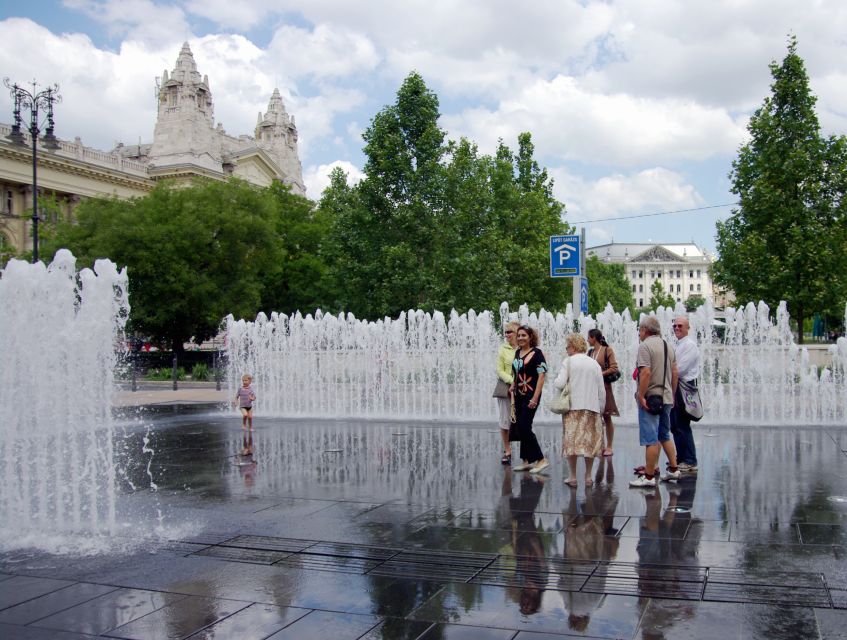
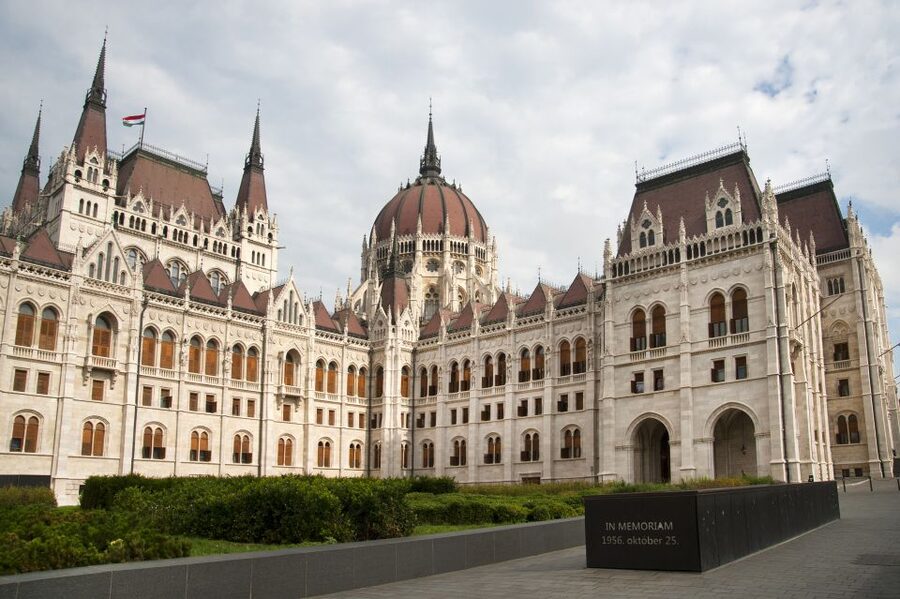
The experience begins with a guided walk through central Budapest, with a strong sense of cause and effect. The tour meets you with a live English-speaking guide and sets the tone right away by anchoring the story to the Hungarian Parliament area. From there, you are shown dramatic monuments, including one commemorating victims of the Red dictatorship.
What I like here is that you are not just looking at buildings and statues. You are learning why they were built, what they were meant to communicate, and how the same places can hold different meanings depending on who controlled the country. That matters in Budapest, because the city’s architecture can feel like a museum even when you are just walking to dinner.
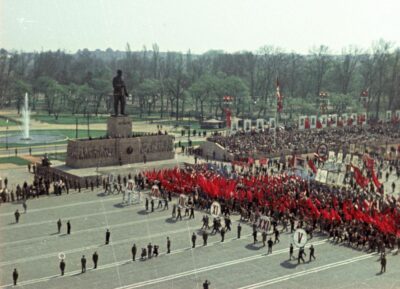
As you keep moving, the tour links public space to political control. You reach Liberty Square and learn about the Soviet Liberation Memorial, described as the last Communist monument of the city still in its original place. It’s one thing to read history. It’s another to stand at a real memorial and hear the context laid over it.
More communist-era tours:
- Communism in Hungary with a Historian
★ 5.0 · 70 reviews - Budapest: 3-Hour Walking Tour About Communism (Small Group)
★ 4.7 · 70 reviews - Budapest Hammer & Sickle Communist Times Tour
★ 4.5 · 68 reviews
Liberty Square, Mindszenty’s Exile, and the Meaning of Visible Control
One of the most memorable stops is tied to Cardinal Mindszenty, the anti-Communist Catholic Church leader who spent years in exile. The tour points out the famous windows of Budapest where he spent his exile, which turns a specific political story into something visual you can remember long after the tour ends.
Then there is the Cold War infrastructure detail, which is the kind of thing you usually miss unless someone points it out. You’ll explore ventilation channels of a secret underground nuclear bunker built during the Cold War years. It gives you a grounding in how power worked in daily life: not only through propaganda and police control, but also through the infrastructure of fear.
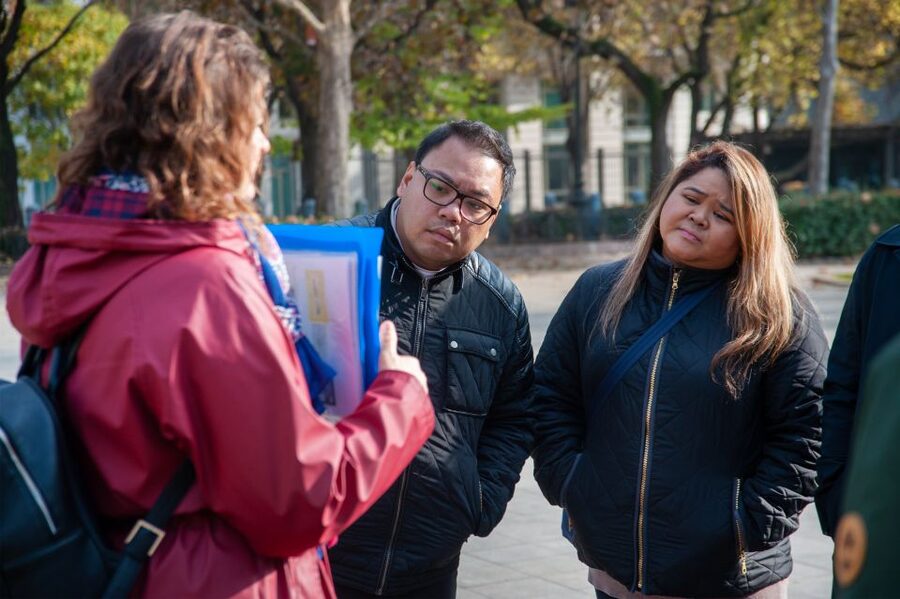
This is also where the guide’s style makes the difference. People on past tours have highlighted guides like Beata and Alexandra for clear explanations and pacing that gives you time for photos and to absorb what you are seeing. If you like history with names, dates, and direct explanations, this format fits well.
The 1956 Thread, Anti-Soviet Resistance, and What Comes After
A key part of the walk is the story of the Hungarian anti-Soviet revolution of 1956. You hear about the sites connected to the uprising and then what came next, including the long aftermath and how it shaped Hungary’s path toward the end of Communist rule in 1989.
The point is not to turn 1956 into a standalone drama. The guide ties it into the bigger timeline from Soviet occupation through the Communist era. By the time you finish the shared walking portion, you have a clearer map of Hungary’s political momentum, and you’re ready for whichever museum option you choose.
If you are the kind of traveler who likes to connect the dots, this portion does that work for you. It is also a good “primer” if you plan to explore Budapest on your own afterward, since you’ll recognize more of what you see.
Retro Center Option: A Lighter Hour in a 1960s to 1980s Time Capsule
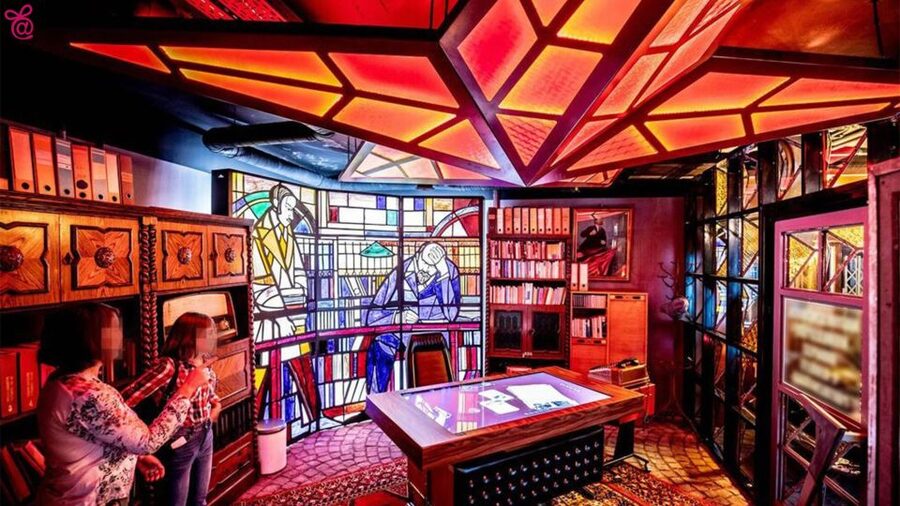
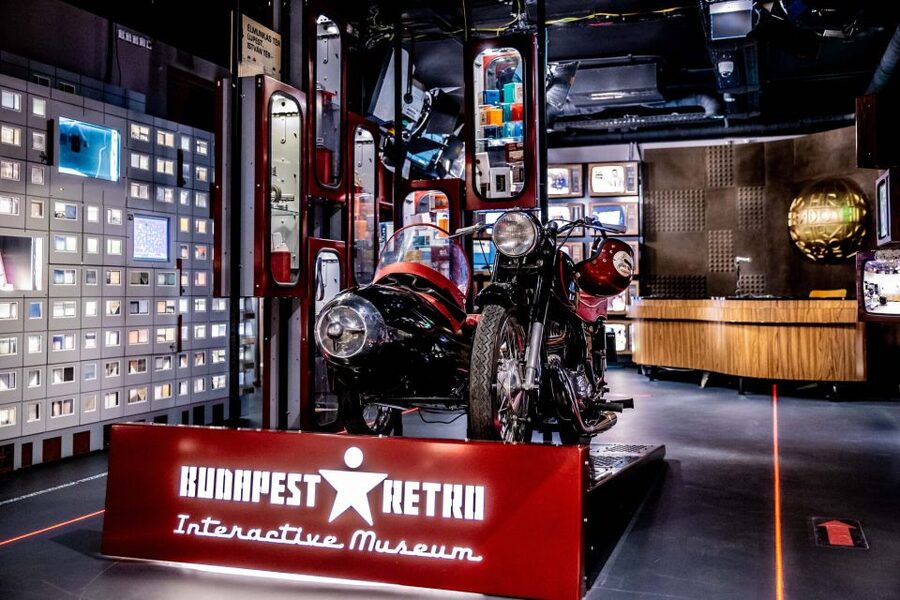
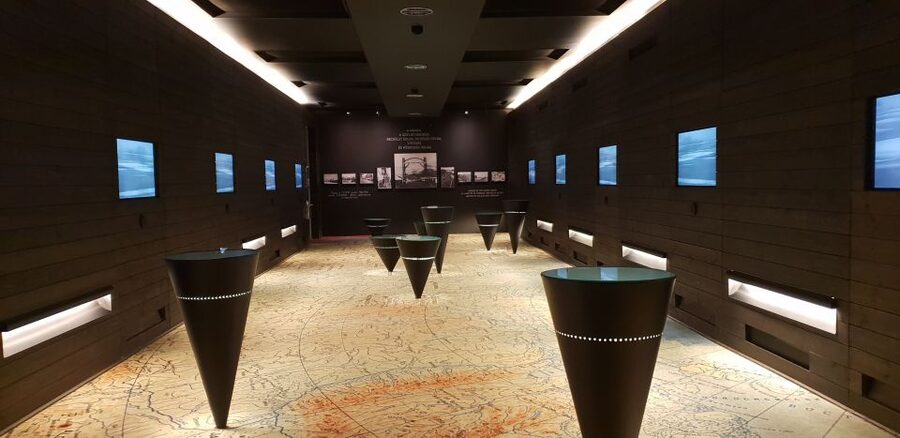
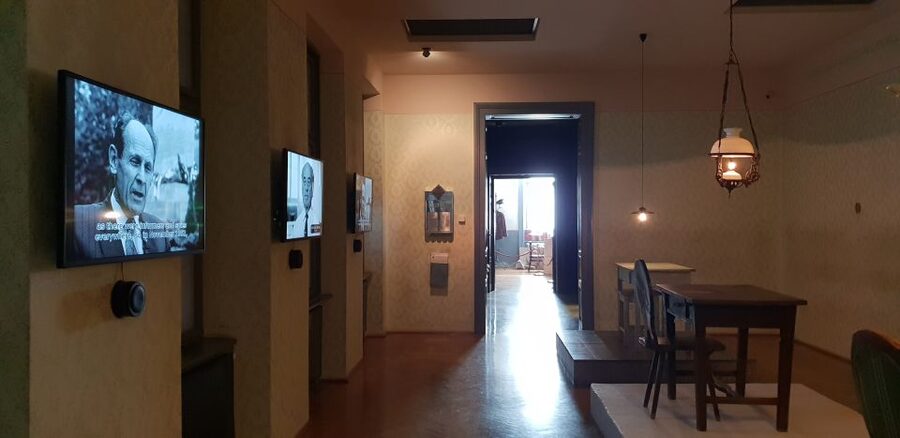
If you choose the morning option, after the walk you’re invited to a 1-hour guided visit at Budapest Retro Center. This is the fun contrast to the rest of the experience. Instead of interrogation rooms and deportations, you get street views, vehicles, and everyday interiors from the 1960s to 1980s.
The displays are arranged over three floors in a way that’s described as interactive and playful. You can also dress up as a Communist comrade, or try being a TV news presenter of the time. That may sound like a gimmick until you realize it helps you remember the visuals and the tone of the era, not just the facts.
I like that the collection includes specific themes that feel very Hungarian, not generic Communist nostalgia. You’ll see real interior home designs and thousands of period objects, and there’s a section connected to the astronauts of the Soviet-Hungarian space flight. It turns history into something you can see in your head, like a lived-in world rather than a textbook.
One practical note: this option gives you a way to balance the tour’s darker context. If you want some relief after hearing about Soviet rule, 1956, and Communist oppression, Retro Center is a smart second act.
More History Tours in Budapest:
- Budapest: Historic Cruise with Welcome Drink
★ 4.7 · 6,512 reviews - Budapest Historical Sightseeing – Free Walking Tour
★ 5.0 · 1,302 reviews - Buda Castle District Dark History, Legends and Vampire Night Tour
★ 4.5 · 1,240 reviews - BloodThirsty Hungary: Walking tour & Dark Historical Stories
★ 4.9 · 633 reviews
House of Terror Option: The AVO Story, WWII to 1989
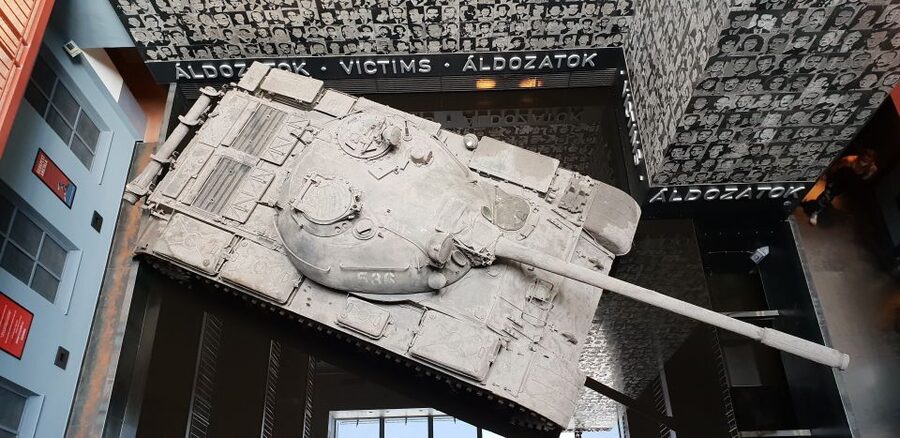
If you pick the afternoon option, your second act is the House of Terror Museum, tied to the former seat of the AVO State Protection Police, Hungary’s version of the Soviet KGB. You can choose either an additional ticket for a self-guided visit after the walk, or a fully guided museum tour.
The museum experience is built to be chronological and specific. A guided version takes you through Hungary’s history from WWII through Nazi rule and into Soviet Communist occupation. You learn about life and the economy of the 1950s and what happened inside interrogation and torture cells.
You’ll also see key rooms linked to the director’s office and hear stories tied to mass deportations, labor camps, and political trials. The guide brings the 1956 revolution back in, then explains the consequences and the eventual end of Communism in 1989.
If you choose the self-guided museum route, you still benefit from the walking tour context first. You’re better prepared for what you see, since the guide has already laid down the political timeline and the key places to look for meaning.
Guided Museum Tours: When the Guide Turns Rooms Into Stories
A major reason people rate this experience so highly is the way guides handle heavy material. Names that show up in strong feedback include Flora, Naomi, Noémi/Noami, Kati, Bea, and Et, with lots of praise for how they explain clearly, answer questions, and sometimes bring personal perspective.
That last part is important. The House of Terror is designed to shock. A good guide helps you understand why it was built and what it meant for people who lived through it, so you do not just leave with images in your head and no framework.
I also like that small group dynamics can make the museum less intimidating. One past tour even described a situation with a very small group where the guide could give fuller attention to questions. Another mentioned a scenario where the House of Terror was affected by renovations, and the guide still adapted to keep the experience strong. So even when conditions change, the goal stays the same: help you connect the history to what you’re standing in.
How the Morning and Afternoon Options Actually Fit Together
Here’s the simple way to think about it. The first part of the experience is shared: a Communist-themed walk across central Budapest that covers the same core landmarks and stories. Then you decide how you want to “land” the tour.
- Morning choice: walk plus Retro Center (a guided 1-hour visit after the walk).
- Afternoon choice: walk plus House of Terror, either self-guided with your ticket or with a guided museum tour.
Either way, you start with the same timeline and sites, so you are not losing context by choosing one museum over the other. If you’re unsure, I’d pick based on your mood that day.
If you want a history-focused day with emotional weight, go House of Terror. If you want a history day that also lets you see the propaganda-era aesthetics of everyday life, go Retro Center.
Value and Price: What $58 Includes (and Why That Matters)
At $58 per person, the value comes from three things you do not get from a casual guidebook stroll.
First, you get a professional live guide. Second, you get an entry ticket included for either Retro Center or House of Terror depending on the option you choose. Third, you skip the ticket line, and a guide gives you your ticket, so you are not spending time at the ticket office.
On top of that, the group is limited to 10 participants. For a guided history experience, that size keeps you from disappearing into a crowd. It also makes it easier for the guide to adjust pacing if you need a moment to catch up or ask a question.
The duration is listed as 2 hours. The Retro Center add-on is described as a guided 1-hour visit after the walk, so you may end up spending more time depending on the option you book. Either way, it is one of those tours where the guide does the work of sorting the story for you.
The Small Detail That Helps: Your Ticket Comes From the Guide
One logistical detail I appreciate is that you do not need to hunt for tickets at the ticket office. The tour notes that you’ll receive your ticket from your tour guide, and you should not look for it at the ticket office.
That reduces stress on a time-sensitive day. It also reinforces that the museum is only one piece of the outing. The walking guide is described as an autonomous professional, not an employee of the museum, which is part of why you get a history-led narrative rather than just a museum script.
Who Should Book This Tour, and Who Might Prefer Another Option
This works best if you want more than facts you can read. You want the city’s political history tied to specific sites, and you want a guide to help you interpret what you’re seeing.
It’s also ideal for people who like Cold War context. The tour covers Hungary under Soviet military occupation, the 45-year Communist period, and the key events that lead to 1989.
Choose House of Terror if you can handle intense topics like interrogation, torture cells, deportations, and political trials. Choose Retro Center if you want a lighter hour that still keeps the era grounded in real objects, vehicles, street views, and interior life.
If you rely on mobility aids, consider that this is still a walking tour. A past experience included a situation where the guide was mindful when people used walking aids, but it’s still smart to plan for walking time across central Budapest.
Should You Book the Communist History Tour With the House of Terror Option?
I think you should book it if your Budapest trip includes at least one day where you want real historical grounding, not just photo stops. The format is strong: shared walk first, then your choice of Retro Center for a lighter second act or House of Terror for the full emotional and factual weight.
The decision comes down to what you want most. If you want the most impact, go House of Terror. If you want balance, combine the walk with Retro Center. Either way, the small group size, English live guide, and the way the tour connects landmarks to the story make this one of the more practical “do it once, remember it for years” history choices in Budapest.
FAQ
How long is the Communist history tour?
The duration is listed as 2 hours. The Retro Center morning option also describes a 1-hour guided visit after the walk.
What options can I choose?
You can do a morning walking tour with a visit to the Budapest Retro Center, or an afternoon experience that includes the House of Terror Museum (either self-guided with an entry ticket or as a guided museum tour).
Is the tour in English?
Yes. The live tour guide provides the experience in English.
How big is the group?
It is limited to 10 participants.
What is included in the price?
You get a professional tour guide, the Communist-themed walking tour if you select that option, and entry to either Budapest Retro Center or House of Terror Museum depending on what you booked.
Do I need to find tickets at the ticket office?
No. The tour states that you will receive your ticket from your tour guide and not to look for your ticket in the ticket office.
Is there a cancellation option?
Yes, it offers free cancellation up to 24 hours in advance for a full refund.
Latest to land in Budapest
- Visegrád Hike & Castle Tour with Ferry from Budapest★ 4.6 · 3 reviews
- Budapest: Vacation Photographer to collect great memories★ 5.0 · 49 reviews
- Trash Art Museum: Hungary’s First Scrap Metal Exhibition★ 4.3 · 72 reviews
- True Crime Walking Tour in the Buda Castle district★ 5.0 · 26 reviews
- Budapest: 3-Hour Trabant Sightseeing Tour★ 4.7 · 28 reviews
- Audio visual multi-sensory chefs journey dinner experience★ 5.0 · 3 reviews
- Private Szentendre and Vac Tour from Budapest with Transport★ 5.0 · 3 reviews
- Wine Tasting in the Countryside from Budapest★ 5.0 · 14 reviews
Communist History Tours, compared.

3-Hour Walking Tour About Communism (Small Group)
Read our review →

Memento Park Visit with Private Trabant Transfer
Read our review →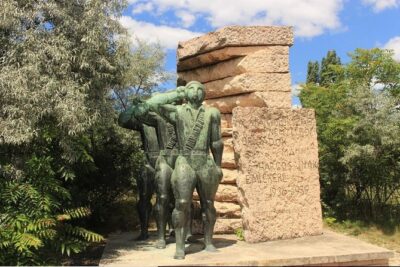
Browse the lists this tour appears in