
Reviewed · JEWISH HERITAGE TOURS
Jewish Budapest (German-language city tour)
Synagogues, history, and dessert in 90 minutes. This Jewish Budapest walk feels focused and human, with small groups (up to 25) and real conversation that makes the neighborhood easier to read. I also love that you get to taste Flodni, not just look at sites. One thing to consider: the synagogues are not entered, so it is an exterior and history tour, not an inside-visit tour.
You start at Madách tér, the Gate to the Jewish Quarter, and the route quickly connects the past to what is still lived today. By the end, you are not only seeing famous buildings, you are learning how different Jewish communities in Budapest developed distinct customs and institutions, including what you would expect around conservative and Orthodox life.
In This Review
- Key points to look for
- Why the Jewish Quarter makes Budapest make sense
- Madách tér and the Gate to the Jewish Quarter start strong
- Rumbach Synagogue: community differences and how synagogues get built
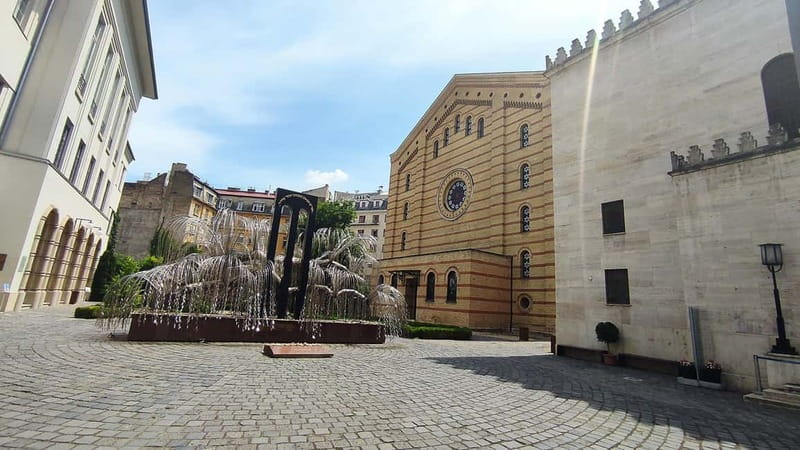
- Dohány Street Synagogue: Emanuel Tree and the Holocaust memory layer
- Kazinczy Street Synagogue area: conservative and Orthodox life, without the guesswork
- Flodni dessert: the included bite that makes it stick
- What the 90 minutes really delivers for the money
- German-only tour: a real benefit if you can follow
- How to get the most out of each stop
- Who should book this Jewish Budapest tour
- Should you book Jewish Budapest in German?
- FAQ
- Is the tour in German?
- How long is the tour?
- Where do we meet?
- Which synagogues are featured?
- Are the synagogues visited from the inside?
- What food is included?
- What else is included besides the guide?
- What is the group size?
- Is the tour wheelchair accessible?
- Can I cancel or pay later?
Key points to look for
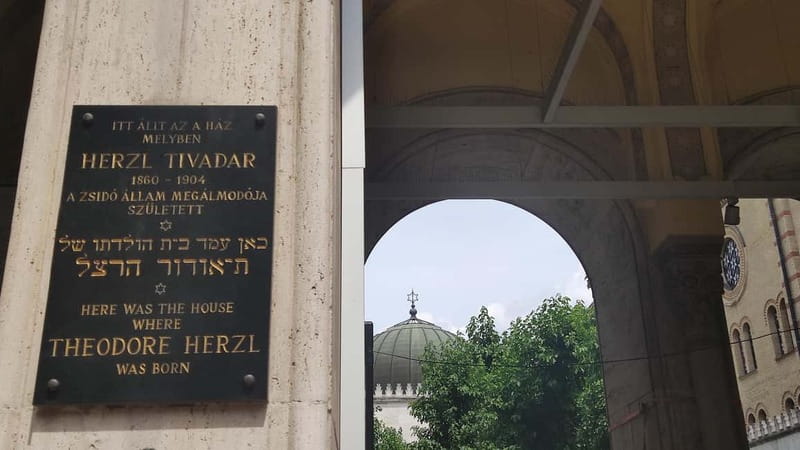
- Three major synagogues you’ll see up close, without going inside
- Emanuel Tree at Dohány Street Synagogue, tied to the Hungarian Holocaust story
- Rumbach Synagogue as a lesson in community splits and synagogue design
- Kazinczy Street Synagogue area connected to today’s conservative and Orthodox Jewish life
- Flodni dessert included, plus digital notes on Jewish cuisine and terms
- German-only tour with a visible guide ID and a max group size of 25
Why the Jewish Quarter makes Budapest make sense
Budapest can feel like a postcard city, especially if you bounce from landmark to landmark. This tour slows you down and trains your eye on one neighborhood. You begin with the idea that the Jewish community here shaped public life, religion, and culture, and you end with the sense that traditions still have a place in everyday Budapest.
I like how the tour treats the subject as lived culture, not just dates. You hear about customs and current situations, and you get food context too. That matters because Jewish history in a city is not only about what happened, it is also about what people kept doing after the worst chapters.
More Jewish heritage walks:
- Budapest Jewish Heritage Memorial Walking Tour & Synagogue Entry
★ 5.0 · 568 reviews - Budapest: Jewish Heritage Guided Tour with Synagogue Ticket
★ 4.8 · 533 reviews - German tour in the Budapest city centre & the Jewish quarter
★ 5.0 · 359 reviews
Madách tér and the Gate to the Jewish Quarter start strong
The tour starts at Madách Imre tér 1, and you meet behind the statue of Empress Elisabeth, also known as Sisi. That setup is practical. You are in a central spot, easy to reach by foot, and the group gathers in a way that feels straightforward for a short 1.5-hour experience.
Right away, you get the baseline: why this area became the Jewish Quarter and how Budapest’s Jewish community is part of the city’s bigger story. I also appreciate that the first stops are not random photo ops. They are arranged so your walk builds meaning step-by-step, instead of dumping facts at you.
Rumbach Synagogue: community differences and how synagogues get built
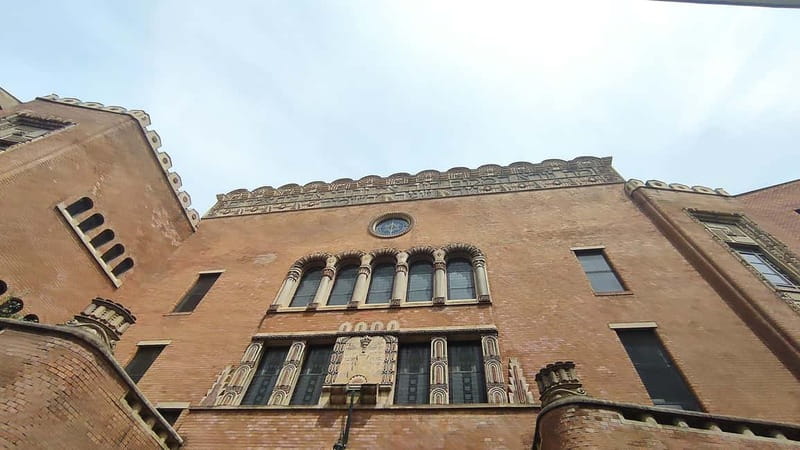
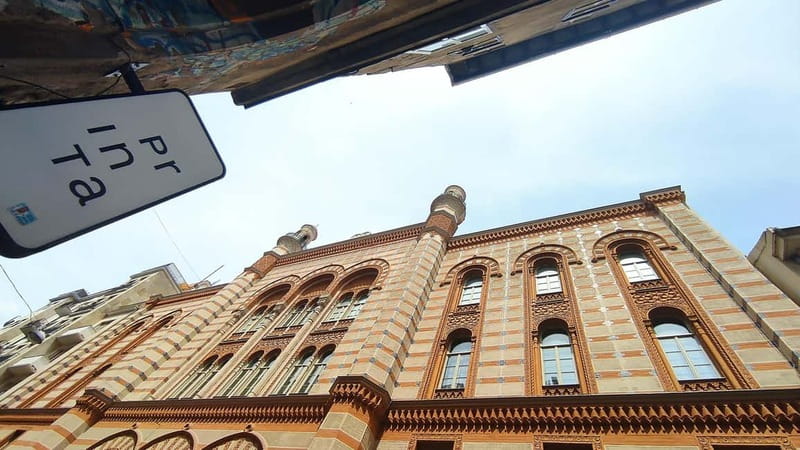
You walk about 20 minutes to the Rumbach Synagogue. This stop is where the tour shifts from “here are landmarks” to “here is how communities shaped themselves.”
You learn about the split between various Jewish groups and how that shows up in synagogue life, including different ways synagogues are built. The exterior views help with this. You can look at the building and listen for the reasons behind design choices, not just the building’s name.
The best part here is the tone. You get an explanation of religious and community distinctions in a way that feels logical. You are not expected to already know the terms. And because the tour includes a digital guide to Jewish terms, you can keep up even if some vocabulary is new.
Dohány Street Synagogue: Emanuel Tree and the Holocaust memory layer
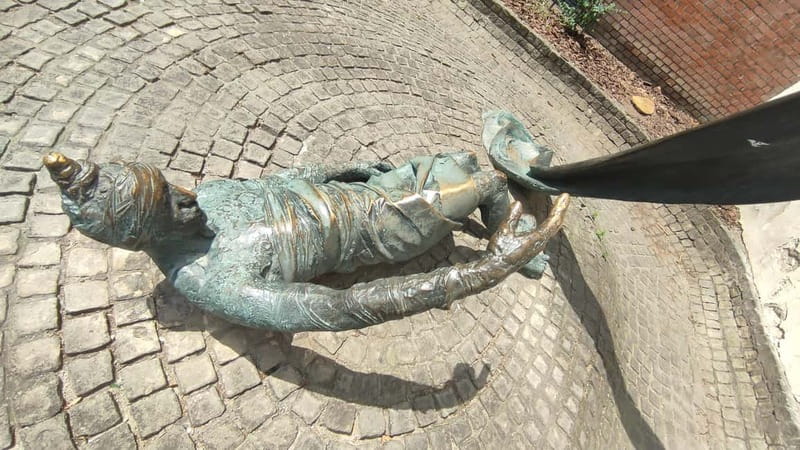
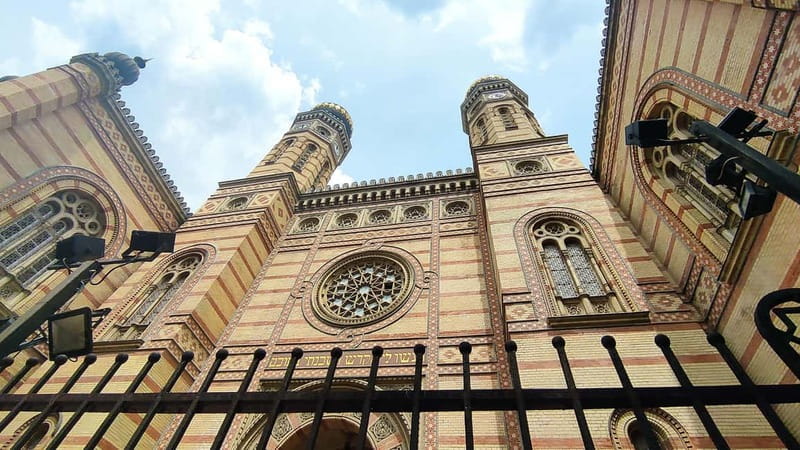
Next comes the Great Synagogue on Dohány Street, a short walk of about 15 minutes from the Rumbach area. This is the tour’s emotional center.
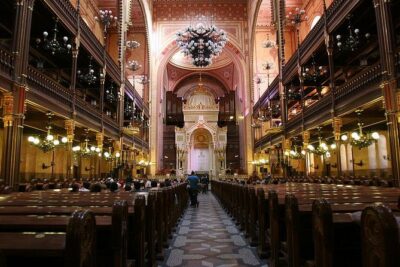
At the Dohány Street Synagogue, you also see the small Jewish cemetery and the Emanuel Tree, which is the Holocaust memorial referenced on this tour. That combination is powerful because it connects remembrance with the physical setting of Jewish life in Budapest.
The guide explains the history of the Hungarian Holocaust and ties it to the current situation of Jews in Budapest. I like that the tour does not treat the past like a separate chapter that ends at a museum door. Instead, you are encouraged to consider continuity, what survived, and what people face today.
Important practical note: the tour does not visit the synagogues from the inside. So if you are hoping for an interior look at prayer halls, you should adjust expectations. You still get meaningful context, but you are viewing buildings and memorials from outside.
More City Tours in Budapest:
- Budapest: City Highlights Sightseeing Cruise
★ 4.6 · 43,981 reviews - Budapest: City Sightseeing Hop-On Hop-Off Bus Tour & Extras
★ 4.1 · 4,337 reviews - Budapest City Landmarks Walking Tour in 2 Hours
★ 5.0 · 2,048 reviews - Budapest: Nighttime or Daytime City Sightseeing Cruise
★ 4.1 · 2,046 reviews
Kazinczy Street Synagogue area: conservative and Orthodox life, without the guesswork
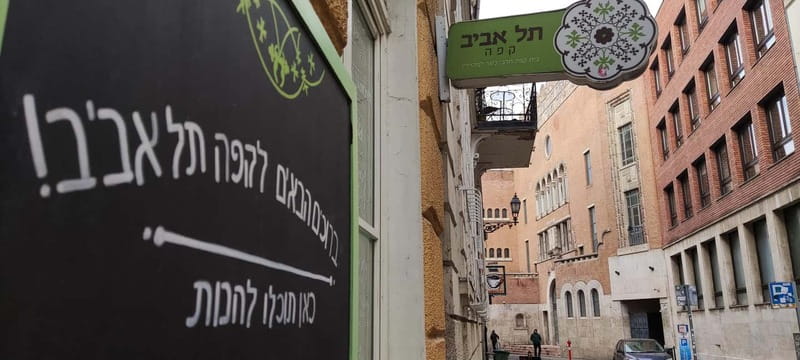
After Dohány, you continue toward Kazinczy Street Synagogue, with a longer walk of about 30 minutes. This stretch is part of the experience, because it gives you time to absorb the neighborhood rhythm, not just hop between monuments.
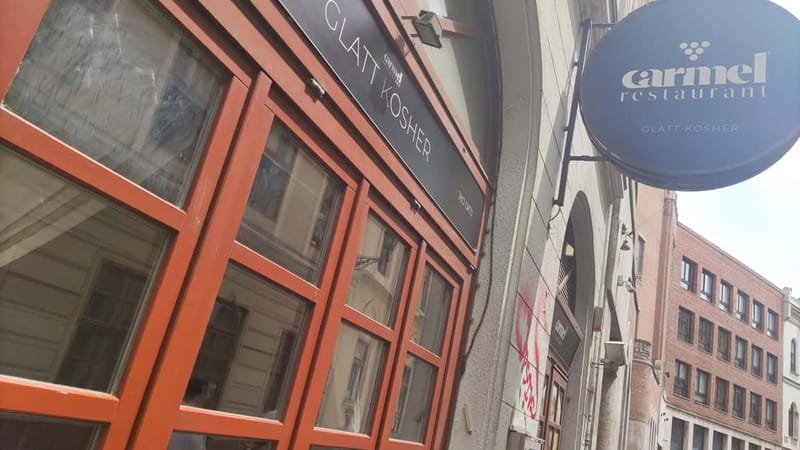
This is where the tour’s focus shifts to modern Jewish life in Budapest, especially conservative Jews. You learn about institutions and practices you might recognize from broader Jewish life, such as the mikvah, the ritual bath. You also hear about an Orthodox synagogue and how kosher restaurants fit into community routines.
You also get customs and traditions explained in a grounded way. Rather than leaving you with a vague impression, the tour frames daily practices as part of belonging. I found that helpful for planning how you might explore independently afterward, because it gives you a few clear things to look for when you see signs, food choices, or community institutions nearby.
And again, you see the Kazinczy Street Synagogue as a key reference point. The tour approach stays consistent: learn the meaning first, then use what you see to reinforce the story.
Flodni dessert: the included bite that makes it stick
Food is not a separate add-on here. It is part of learning how Jewish culture shows up in daily life. The tour includes a taste of Flodni, a typical Jewish dessert from Budapest.
If you like “food as shorthand,” this is a smart inclusion. You can remember a place by a flavor, not only by a name on a street sign. The included material also comes with a digital guide to Jewish cuisine, so you are not just tasting once and moving on. You have notes you can reference later when you are hungry and deciding where to eat in the city.
One small practical tip: go with an empty stomach if you can. It is only a dessert, but after a focused 1.5-hour walk, you will be ready for something sweet.
What the 90 minutes really delivers for the money
At about $23 per person for a 1.5-hour German-language tour, this is positioned as good value for a first pass through the Jewish Quarter. You are paying for guide interpretation, a guided route between three big synagogue landmarks, and included food, not for museum-style entry tickets.
Because the synagogues are not entered from the inside, there are no entrance fees included, and that is listed as not included. That is not a flaw, it is a tradeoff. You get to keep the pacing tight and the focus on themes: community splits, Holocaust memory via the Emanuel Tree, and religious customs in modern Budapest.
The group size stays small or medium, with a maximum of 25 people. One review highlighted an even smaller group, which is the ideal setup for asking questions. You also get a digital guide to Jewish terms and another to Jewish cuisine, which stretches the value beyond the walk itself.
German-only tour: a real benefit if you can follow
This tour is in German. That is a dealbreaker for some people and a major advantage for others.
If you speak German, you will likely enjoy the flow, because the guide can explain terms and distinctions without slowing to translate. Also, the guide wears a tour guide ID visibly, so you can stay oriented even if you are meeting near a busy landmark like Sisi.
If your German is basic, you might still get a lot out of the visual context, but the detailed history and customs explanations will be harder to catch. In that case, you might want to read up a little beforehand using general Budapest and Jewish Quarter background, so the tour vocabulary lands faster.
How to get the most out of each stop
This is a short walking tour, so your best strategy is simple: listen for the “why,” not just the “what.” Ask questions early and keep them coming. The guide is there to explain, and the structure of the route supports follow-up questions.
Here is how to handle the stops in a way that makes it click:
- At Madách tér, focus on the big picture that ties the Quarter to Budapest.
- At Rumbach, listen for the idea of community differences and the logic behind synagogue building styles.
- At Dohány, treat the Emanuel Tree and cemetery as the emotional center, and pay attention to how the tour links Holocaust memory to present-day Jewish life.
- In the Kazinczy area, tune in to the customs and institutions mentioned, like the mikvah and kosher dining, and use that as a guide for where you might want to look next on your own.
Also, since you will be walking between sites for roughly 20 minutes, 15 minutes, and then about 30 minutes, wear comfortable shoes. This is not a sit-down lecture. Your feet and your attention both matter.
Who should book this Jewish Budapest tour
Book it if you want:
- A first serious orientation to the Jewish Quarter of Budapest
- A route built around three major synagogue landmarks
- A short, focused tour that stays active and conversational
- A taste of Flodni and notes you can use for food and terminology later
You might skip it if:
- You specifically want to go inside the synagogues, because the tour does not include interior visits
- You only want English-language guidance, since the tour is German
This also suits travelers who like balanced, respectful history. The Holocaust memorial focus is handled as part of the story, not as a separate spectacle.
Should you book Jewish Budapest in German?
I think you should book this tour if you want a compact, high-impact overview that connects monuments to modern life. The price is reasonable for what you get: a guided route to three major synagogue sites, Holocaust memory via the Emanuel Tree, and a real cultural moment with Flodni. The small group format helps, and the digital guides to Jewish terms and cuisine add extra value after the walk.
If German is not your strong suit, wait for an English version or plan to read a bit first. But if you can comfortably follow German explanations, this is the kind of tour that helps Budapest stop feeling like random sightseeing and start feeling like a place with people, traditions, and memory you can actually understand.
FAQ
Is the tour in German?
Yes, this is a German-language city tour in the Jewish Quarter.
How long is the tour?
The duration is 1.5 hours.
Where do we meet?
You meet behind the statue of Empress Elisabeth (Sisi). The starting area is listed as Madách Imre tér 1.
Which synagogues are featured?
You will visit and walk past three major synagogues: the Rumbach Street Synagogue, the Great (Dohány) Synagogue, and the Kazinczy Street Synagogue.
Are the synagogues visited from the inside?
No. Entrance fees are not included, and the synagogues are not visited from the inside during the tour.
What food is included?
You’ll taste the typical Jewish dessert Flodni.
What else is included besides the guide?
You get digital guides: one for Jewish cuisine and one for Jewish terms.
What is the group size?
The tour is in a small or medium group with a maximum of 25 people.
Is the tour wheelchair accessible?
Yes, it is listed as wheelchair accessible.
Can I cancel or pay later?
The tour offers free cancellation up to 24 hours in advance for a full refund, and it also supports reserve now & pay later.
Latest to land in Budapest
- Visegrád Hike & Castle Tour with Ferry from Budapest★ 4.6 · 3 reviews
- Budapest: Vacation Photographer to collect great memories★ 5.0 · 49 reviews
- Trash Art Museum: Hungary’s First Scrap Metal Exhibition★ 4.3 · 72 reviews
- True Crime Walking Tour in the Buda Castle district★ 5.0 · 26 reviews
- Budapest: 3-Hour Trabant Sightseeing Tour★ 4.7 · 28 reviews
- Audio visual multi-sensory chefs journey dinner experience★ 5.0 · 3 reviews
- Private Szentendre and Vac Tour from Budapest with Transport★ 5.0 · 3 reviews
- Wine Tasting in the Countryside from Budapest★ 5.0 · 14 reviews
Jewish Heritage Tours, compared.
Budapest Jewish Heritage Memorial Walking Tour & Synagogue Entry
Read our review →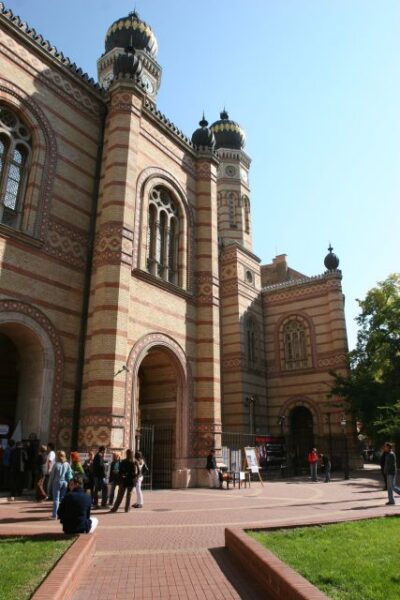
Jewish Heritage Guided Tour with Synagogue Ticket
Read our review →
German tour in the Budapest city centre & the Jewish quarter
Read our review →
Past and Present of Budapest Jewish District Tour
Read our review →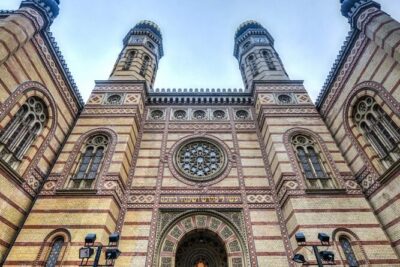
Budapest Dohany Synagogue & Hungarian Jewish Museum & free extras
Read our review →
Jewish History Guided Walking Tour with Historian
Read our review →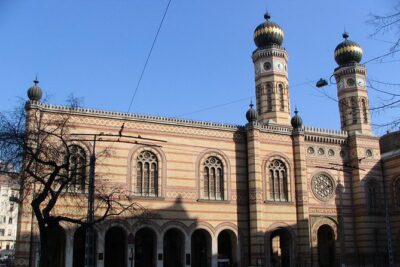
Budapest Dohany, Heroes’, Rumbach synagogues & Jewish Ghetto Tour
Read our review →Browse the lists this tour appears in