
Reviewed · JEWISH HERITAGE TOURS
Jewish Heritage / Full tour
One morning, three kinds of memory. This Jewish Heritage full tour pairs Dohány Street Synagogue with two short, devastating Danube-side stops, all guided in English by licensed local guide Edith. What makes it feel different is the built-in conversation about what it means to be Jewish in Hungary today, not just a march through monuments.
I especially like the small group size, which keeps the pace comfortable and the questions coming. I also love that the main stop runs long enough to see the synagogue building, the cemetery, and key memorial spaces without rushing. One thing to plan for: the synagogue entrance fee is not included, so you will want to budget the extra cost before you go.
In This Review
- Quick hits before you go
- A small-group Jewish Heritage walk in Budapest
- Price, timing, and what is actually included
- Stop 1: Dohány Street Synagogue, Raoul Wallenberg garden, and the cemetery
- The Emmanuel Tree and Raoul Wallenberg: why these details matter
- Stop 2: Shoes on the Danube Bank, quick time, big impact
- Stop 3: The Memorial to the Victims of the German Invasion and modern protest
- How Edith guides history into a real conversation
- Logistics you should plan for (without killing your day)
- Who this tour suits best (and who might want to skip it)
- Should you book Jewish Heritage Full Tour in Budapest?
Quick hits before you go
- Small group feel: typically no more than ten, with a listed maximum up to 13 for a more personal chat
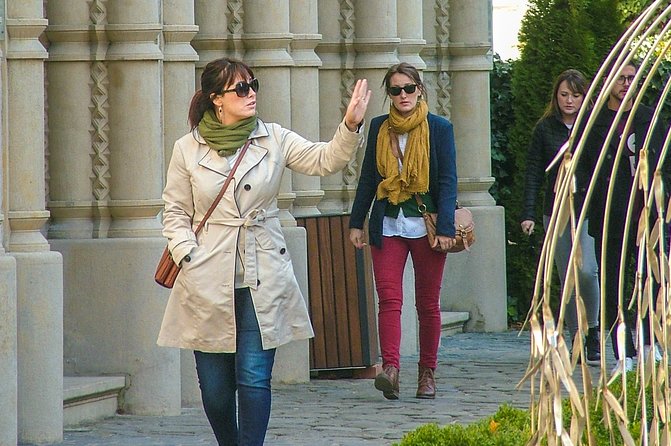
- Licensed local guide: Edith leads in English and keeps the history grounded in real life
- Dohány Street Synagogue visit, with cemetery time: plus the Raoul Wallenberg Memorial Garden and the Emmanuel Tree area
- Short, focused memorial stops: Shoes on the Danube Bank and the German Invasion victims memorial are quick but powerful
- Dialogue encouraged: the tour is designed for discussion on being Jewish in Hungary today
- Plenty of time after: about 3 hours total, so you can fit in other Budapest plans the same day
A small-group Jewish Heritage walk in Budapest
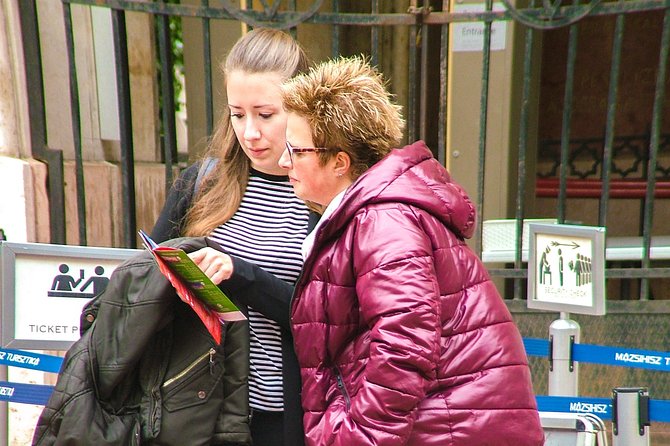
This is a tour for people who want more than a checklist of sights. You start in central Budapest, then move through the Jewish Quarter with a guide who can explain what you are looking at and also pause for discussion. The group stays small, which matters here, because the topic is emotional and the questions are often personal.
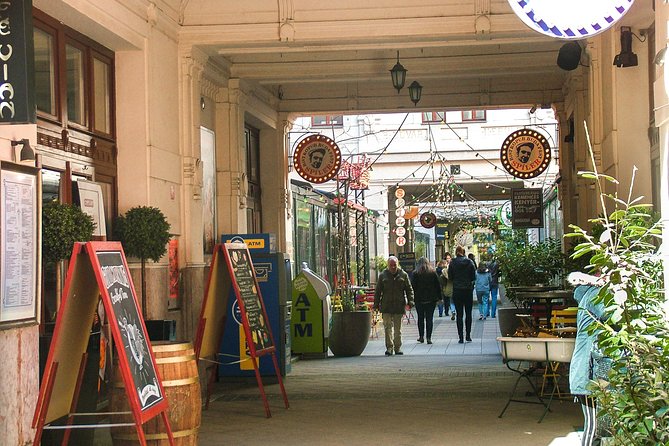
The tour also treats the neighborhood as a living place. Yes, you will see the scars left by World War II and the Holocaust. But you will also notice street life and modern culture around the sites, including the area’s street art and night life vibe. That mix helps you connect past and present without forcing either one to dominate.
If you like quiet museum energy, this might still work. But it is not a silent audio-tour experience. It is a guided walk with room for real back-and-forth, and that can be a big plus if you enjoy learning through conversation.
More Jewish heritage walks:
- Budapest Jewish Heritage Memorial Walking Tour & Synagogue Entry
★ 5.0 · 568 reviews - Budapest: Jewish Heritage Guided Tour with Synagogue Ticket
★ 4.8 · 533 reviews - German tour in the Budapest city centre & the Jewish quarter
★ 5.0 · 359 reviews
Price, timing, and what is actually included
The price is $80.86 per person for about 3 hours. That is not budget pricing, but it also is not only paying for a ticket. You are paying for a licensed guide, a tight route, and time in the biggest anchor stop, the Dohány Street Synagogue complex.
Here is the practical breakdown:
- Included: licensed local guide, in English, plus the overall guided route
- Not included: transportation, and the Dohány Street Synagogue entrance fee (€26 per person)
So if you book, plan for two money pieces: the tour cost and the synagogue admission. The good news is that the two other major memorials on your route do not require paid entry. Shoes on the Danube Bank is free, and the German Invasion victims memorial is free too. That makes the spend feel concentrated where it counts most.
One more timing note: Stop 1 is 2 hours, then each memorial stop is about 15 minutes. The walking and any quick transit between stops fill the rest of the time. Reviews also suggest the guide may use public transit for at least part of the route, so if you want smooth logistics, keep a little extra time in your day and be ready to cover transit yourself since transportation is not included.
Stop 1: Dohány Street Synagogue, Raoul Wallenberg garden, and the cemetery
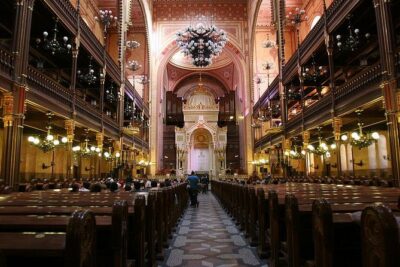
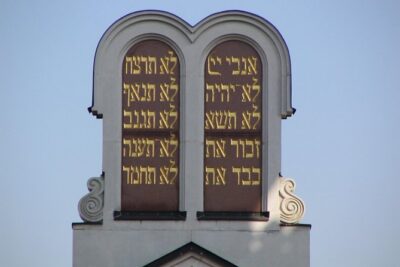
Your tour centers on Dohány Street Synagogue, often described as the second largest synagogue in the world and the biggest synagogue in Europe. The visit here is not just a quick look from the doorway. You spend a full 2 hours, which is the difference between seeing an exterior and actually understanding what you are standing in front of.
What you can expect inside the synagogue area:
- Time in the synagogue building itself
- Access to the Raoul Wallenberg Memorial Garden
- Visit to the Jewish Cemetery
- The Emmanuel Tree memorial area, tied to the story of Tony Curtis
That last detail is worth paying attention to. The Emmanuel Tree is not just a pretty symbol. It is part of how modern memory gets built into a place that is also still tied to the present day. Your guide ties these elements together so it does not feel like separate photo stops.
You also get a bit of the neighborhood around the complex. The tour includes a look at a second functioning synagogue as an outside visit. That helps you understand the area as a real religious and community space, not a single monument with fences around it.
A drawback to consider at this stop: the entrance fee is separate. Also, because this is a cemetery and memorial space, the tone can get heavy. Even if you are comfortable with that, you may want to mentally prepare before you arrive. The good part is that the guide can pace it, and the reviews suggest Edith often handles the emotional material with respect and care.
The Emmanuel Tree and Raoul Wallenberg: why these details matter
If you usually skip “extra” memorial plaques because you want the main sight only, do not skip these. This tour treats symbols as language. The Emmanuel Tree is connected to remembrance in a way that stays grounded in Jewish tradition and community memory. Tony Curtis may not be a name you associate with Budapest right away, but the tour explains why his story ends up in this space.
Then there is the Raoul Wallenberg Memorial Garden. Wallenberg is tied to stories of rescue during the Holocaust, and having a garden setting matters. It shifts the focus from destruction to human choices made in a specific place, at a specific time. It also gives you a pause zone, which can feel important when you are moving from one hard stop to another.
This is where the small-group setup becomes practical. With fewer people, your guide can slow down for the parts that feel confusing, sensitive, or just plain hard to process. And if you ask a question, you are more likely to get an answer that lands, because there is space to talk.
More History Tours in Budapest:
- Budapest: Historic Cruise with Welcome Drink
★ 4.7 · 6,512 reviews - Budapest Historical Sightseeing – Free Walking Tour
★ 5.0 · 1,302 reviews - Buda Castle District Dark History, Legends and Vampire Night Tour
★ 4.5 · 1,240 reviews - BloodThirsty Hungary: Walking tour & Dark Historical Stories
★ 4.9 · 633 reviews
Stop 2: Shoes on the Danube Bank, quick time, big impact
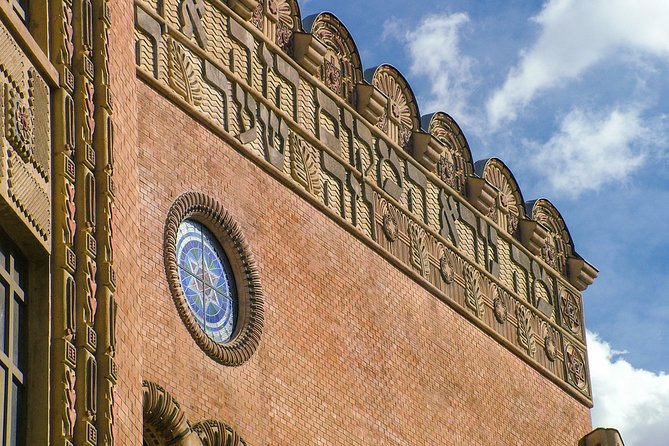
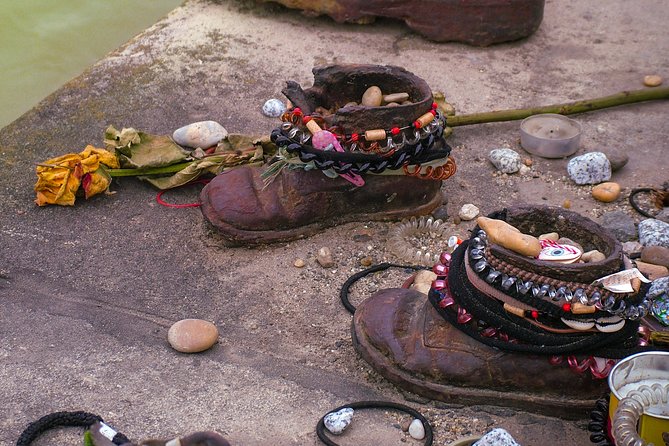
After the synagogue complex, you head to the river. Shoes on the Danube Bank is one of those memorials that hits fast because it is so simple. It marks the thousands of Jews who were shot and forced into the Danube during the Nazi occupation and Arrow Cross terror period.
Your visit time here is short, about 15 minutes, and that can actually be a benefit. This is not a stop designed for long wandering. It is a focused moment where the guide frames what you are seeing, then you have a chance to stand there and take it in.
Because it is free and quick, you might be tempted to treat it as a “must-see photo.” Don’t do that. Give it the full minute or two your guide suggests (even if you only notice some details). These memorials work because they are not asking for huge interpretation. They are asking you to be present.
If your day has a lot of walking already, keep your expectations realistic. This stop is emotionally heavy, not physically challenging, but it does demand attention.
Stop 3: The Memorial to the Victims of the German Invasion and modern protest
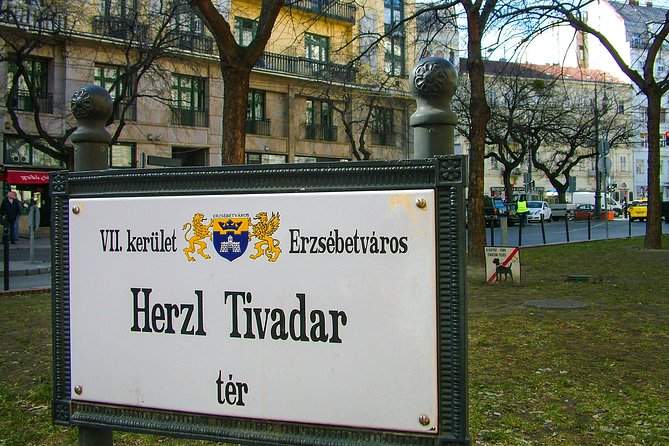
The last stop is another memorial, again only about 15 minutes and free. The Memorial to the Victims of the German Invasion is also often described as controversial. It was erected under cover of night, it is guarded by police, and there are protests that have continued every day since it was established about ten years ago.
That is a key reason this tour feels more than historical. You are not only learning what happened. You are also seeing how people argue about memory in public space. In other words, the past still affects daily life and politics.
The guide’s job here is not to tell you what to think. It is to help you understand why the memorial exists and why people keep pushing back. With a small group, you can ask follow-up questions and get context that you would otherwise miss if you just stood there and read a sign.
How Edith guides history into a real conversation
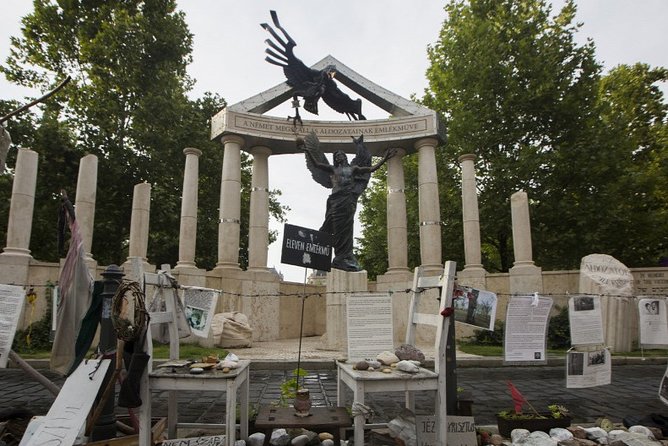
The standout through the reviews is Edith. People highlight how she makes the experience come alive, and that is what you should look for in a guide for this topic. You want someone who can connect the facts to the human stories, without turning it into a show.
On this tour, the structure supports that. The itinerary gives you one long anchor stop and two shorter memorial stops, so the guide can match the pacing to the emotional weight. It also gives time for discussion on what it means to be Jewish in Hungary today. That is not a throwaway line. It is a design feature.
Practical things you may notice during your tour:
- You can ask questions and expect clear answers
- The pace is often described as comfortable, not rushed
- The guide can adjust to specific interests and needs
Some reviews also mention extra tips, like guidance on nearby places to eat or visit, including ideas in the Jewish Quarter for ruin bars. That kind of practical add-on matters because it helps you keep your day moving after the tour ends.
Finally, the tour works well if you like learning with more than one type of evidence. You see architecture. You see memorial design. You hear stories that connect WWII-era events to the present day in Budapest.
Logistics you should plan for (without killing your day)
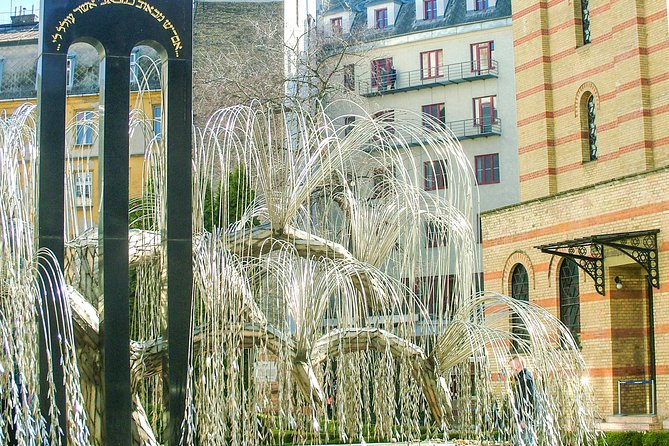
Here is the basic route flow:
- Start near Deák Ferenc tér
- End at Dohány Street Synagogue, Dohány u. 2, 1074
- Small-group walking and, in some cases, short use of public transit since transportation is not included
Because transportation is not included, bring whatever you typically need to ride Budapest transit, whether that is a ticket or an app you trust. Also, since the tour requires good weather, plan for the reality of Budapest seasons. If rain rolls in, you might be offered a different date or a refund. That is one of those details that only matters if you are planning a packed week.
Wear shoes you can stand in. You will spend meaningful time around the synagogue complex and cemetery area, and memorial moments often mean lingering.
And bring a calm mindset. This is not all sunshine and architecture. The tour alternates beauty with gut-level heartbreak. If you can handle that rhythm, you will get a stronger experience.
Who this tour suits best (and who might want to skip it)
Book this if:
- You care about Jewish heritage in Hungary, not just generic “Holocaust sites”
- You want a licensed local guide, not just self-guided signage
- You like small groups where you can ask questions
- You want one focused morning, then freedom afterward
Skip this or consider a different format if:
- You prefer fully self-guided tours and hate conversation
- You are on a tight budget for extra ticket fees, since the synagogue admission is separate
- You do not want any emotional memorial content in your day
For most people, the value is the pairing. The synagogue complex gives you context and continuity. Shoes on the Danube Bank gives you the brutality in a single, unforgettable image. The German Invasion memorial adds the modern layer of protest and how communities debate memory.
Should you book Jewish Heritage Full Tour in Budapest?
If your time in Budapest is limited and you want the Jewish Quarter done justice, I think this is one of the best ways to spend a half morning. The biggest reason is the guide focus, especially Edith, and the smart pacing that gives you time inside the synagogue complex rather than just snapping photos and moving on.
Just budget for the synagogue entrance fee and be ready for heavy subject matter at the river. If you can handle that, you will leave with a clearer sense of both the historical arc and the ongoing conversation about Jewish life in Hungary today.
Latest to land in Budapest
- Visegrád Hike & Castle Tour with Ferry from Budapest★ 4.6 · 3 reviews
- Budapest: Vacation Photographer to collect great memories★ 5.0 · 49 reviews
- Trash Art Museum: Hungary’s First Scrap Metal Exhibition★ 4.3 · 72 reviews
- True Crime Walking Tour in the Buda Castle district★ 5.0 · 26 reviews
- Budapest: 3-Hour Trabant Sightseeing Tour★ 4.7 · 28 reviews
- Audio visual multi-sensory chefs journey dinner experience★ 5.0 · 3 reviews
- Private Szentendre and Vac Tour from Budapest with Transport★ 5.0 · 3 reviews
- Wine Tasting in the Countryside from Budapest★ 5.0 · 14 reviews
Jewish Heritage Tours, compared.
Budapest Jewish Heritage Memorial Walking Tour & Synagogue Entry
Read our review →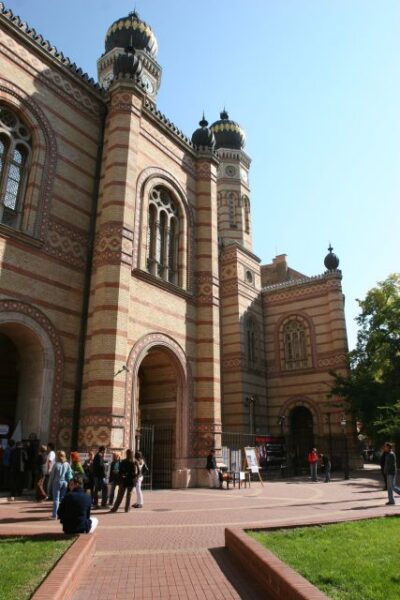
Jewish Heritage Guided Tour with Synagogue Ticket
Read our review →
German tour in the Budapest city centre & the Jewish quarter
Read our review →
Past and Present of Budapest Jewish District Tour
Read our review →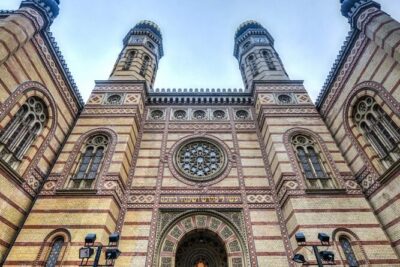
Budapest Dohany Synagogue & Hungarian Jewish Museum & free extras
Read our review →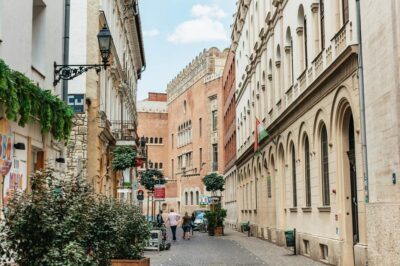
Jewish History Guided Walking Tour with Historian
Read our review →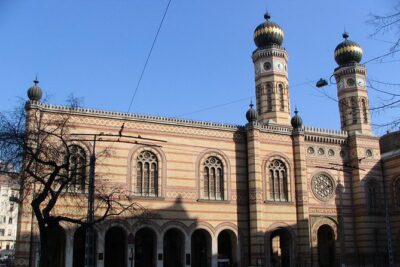
Budapest Dohany, Heroes’, Rumbach synagogues & Jewish Ghetto Tour
Read our review →Browse the lists this tour appears in