
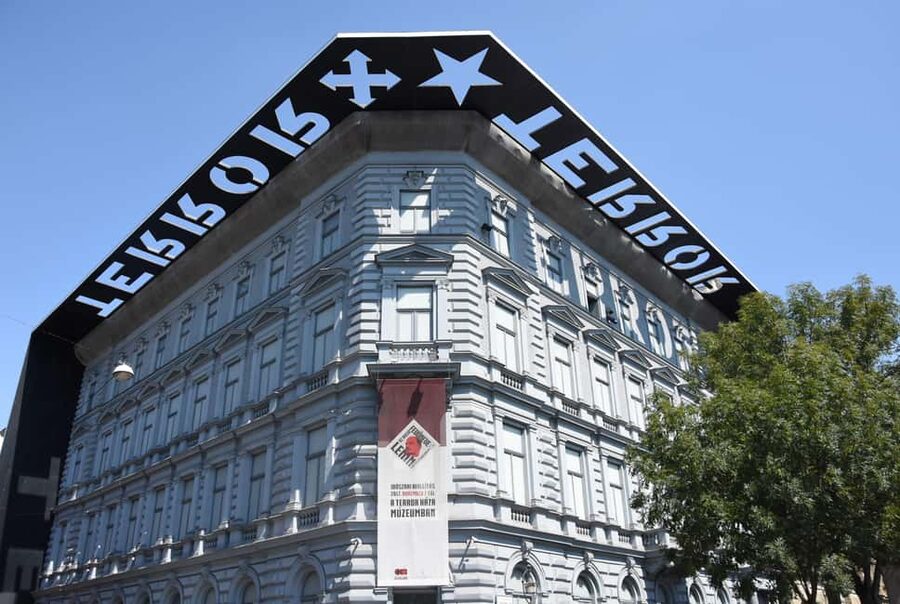
Reviewed · COMMUNIST HISTORY TOURS
Life Behind the Iron Curtain, the communist Budapest private
Budapest tells its communist story in steel and fear. This private half-day tour connects the big monuments on Gellert Hill with the darker rooms of House of Terror, then relaxes your nerves with an old-school ride on the Children’s Railway.
I especially like how it gives you both scale and perspective, from the towering Freedom Statue to the outdoor sculpture park of Communist propaganda. The guide also makes the history feel human, not like a slideshow.
My other favorite part is the guide style, with real, personal context. Guides such as Ildiko and Thomas don’t just list dates, they explain what everyday life could feel like under the system, and you’ll have an audio guide included at the Terror Museum.
One drawback to plan for: this is heavy subject matter. Also, you’ll want to budget for entry fees to the House of Terror, since those are not included, and lunch is on your own.
In This Review
- Key Things You’ll Enjoy Most
- A Private Window Into Budapest’s Iron Curtain Era
- Gellert Hill, Citadella, and the Liberty Statue’s Size and Symbolism
- House of Terror: Learning the Communist Era’s Human Cost
- Memento Park: An Outdoor Archive of Soviet-Era Monuments
- Budapest City Stops That Turn Monuments Into a Real Timeline
- The Children’s Railway: A Gentler Ending in the Buda Hills
- Price and Value for a $294 Private Half-Day
- How to Make the Most of It (Without Feeling Rushed)
- Who This Tour Is Best For
- Should You Book This Tour?
Key Things You’ll Enjoy Most
- Citadella and the Freedom Statue panorama gives you instant “where are we in the city” context.
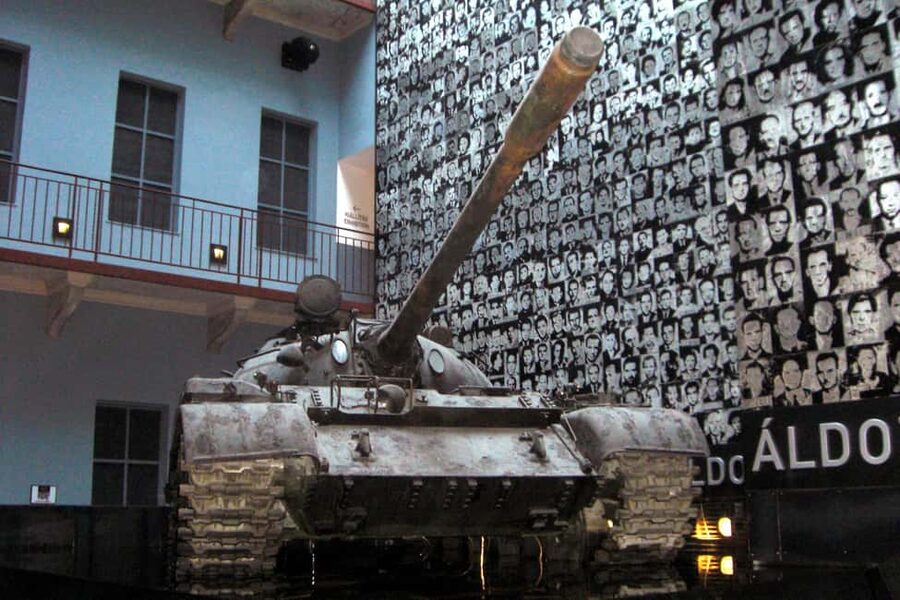
- House of Terror with an audio guide helps you process what you’re seeing at your own pace.
- Memento Park’s open-air collection turns political monuments into something you can actually walk around and read.
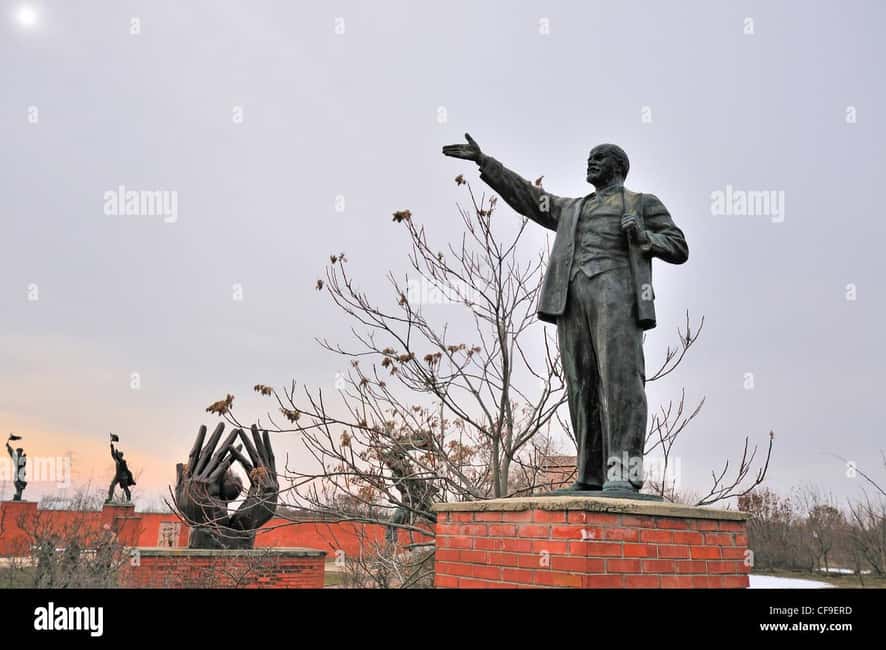
- Marx, Lenin, and other relocated leaders show how symbols were staged to control public space.
- A lighter ending on the Children’s Railway makes the tour emotionally balanced.
- A private format means your guide can slow down, speed up, and tailor the story to you.
A Private Window Into Budapest’s Iron Curtain Era
This is a focused way to understand Hungary’s “time behind the Iron Curtain” without trying to stitch the story together on your own. In about half a day, you’ll cover a clear arc: wartime turning points, Soviet influence, state repression, propaganda in public space, then a quieter look at how children were put into the system too.
The private setup matters more than you might think. You’re not just moving between sights, you’re following a guided narrative. When the topic is political memory and oppression, that structure helps you connect what you see in one place to what you learn in the next.
More communist-era tours:
- Budapest: Communist History Tour with House of Terror Option
★ 4.8 · 182 reviews - Budapest: 3-Hour Walking Tour About Communism (Small Group)
★ 4.7 · 70 reviews - Communism in Hungary with a Historian
★ 5.0 · 70 reviews
Gellert Hill, Citadella, and the Liberty Statue’s Size and Symbolism
You start on the heights where Budapest’s geography does half the work. From the Citadella area, you learn about the siege of Budapest toward the end of World War II, a chapter that helped set up the country’s later occupation. Even if you have read a little about the war already, seeing the vantage points first makes the story feel grounded.
Then comes the Freedom Statue, also called the Liberty Statue, on Gellert Hill. It was erected in 1947 and originally dedicated to Russian troops. The scale is the point: the pedestal is 26 meters high, and the statue adds another 14 meters. The result is probably the tallest monument of its type in Europe, and it dominates the skyline.
What I like about this stop is how the meaning changes with time. The statue is now considered a universal symbol of freedom, but you’re also shown how it began as a marker of power and presence. That tension is the theme of the whole tour: who controls the story, and how do those symbols get repurposed later.
Practical note: bring the same mindset you would for a views-and-memorial stop. You’ll want comfy shoes and a bit of patience for walking on uneven outdoor surfaces.
House of Terror: Learning the Communist Era’s Human Cost
The most emotionally intense part is the House of Terror experience. This museum is dedicated to victims of the Communist era, and you’re not going to get a “pleasant” overview here. Plan your expectations accordingly. The audio guide included can be especially helpful, because it lets you pause when something hits harder than you expected.
The value of this stop is clarity. It’s not just “bad things happened.” It’s about what the system did and how fear was built into daily life. A strong guide helps you connect the emotional weight of the museum to the larger political story you’ve been hearing outside.
If you’re traveling with someone who prefers lighter sightseeing, you might consider whether they will be comfortable spending real time here. You can still do the tour, but go in with care, not curiosity alone. This museum asks you to slow down.
Memento Park: An Outdoor Archive of Soviet-Era Monuments
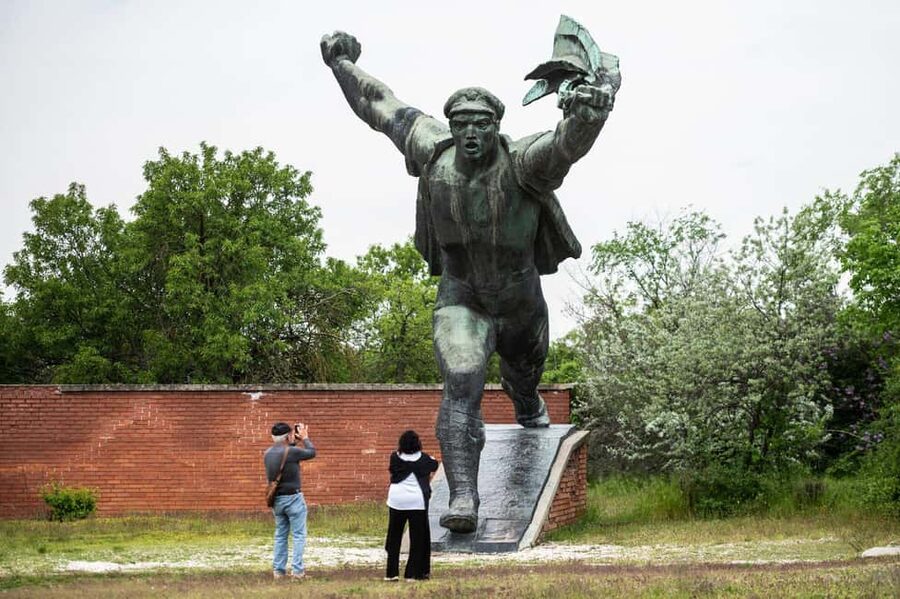
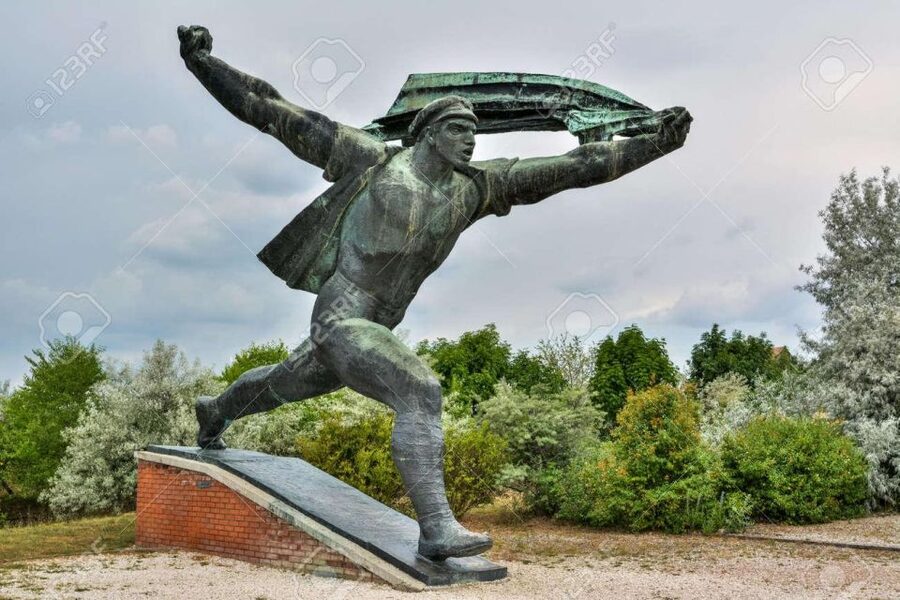
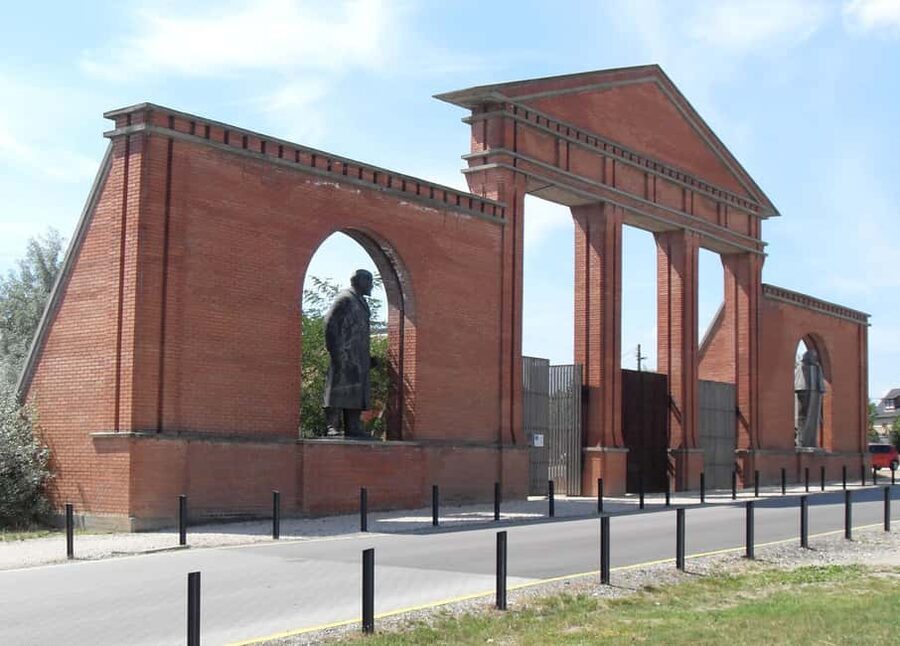
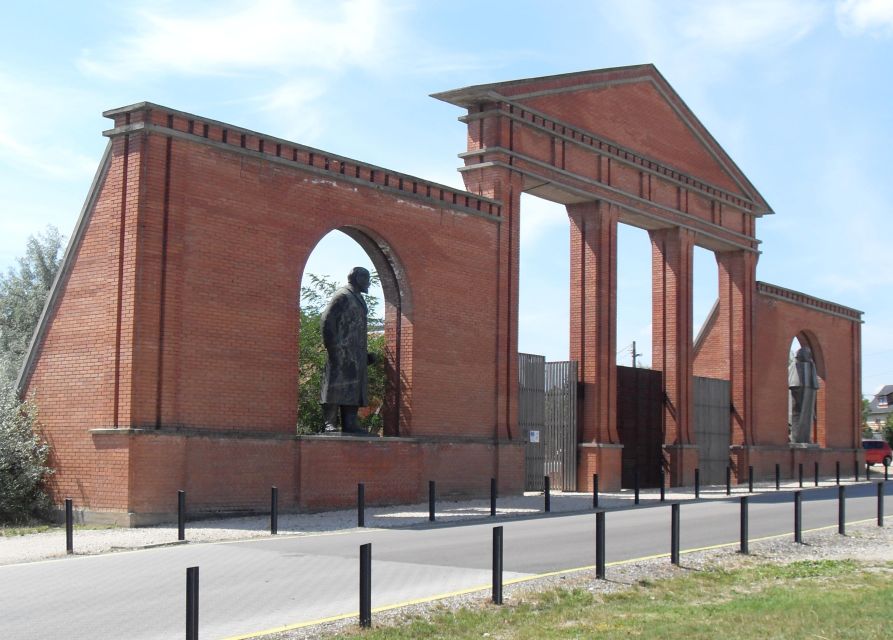
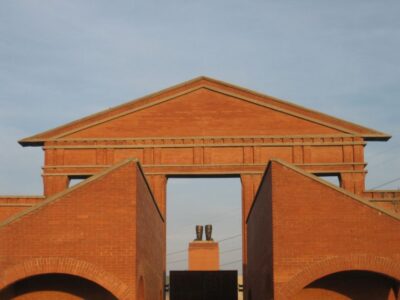
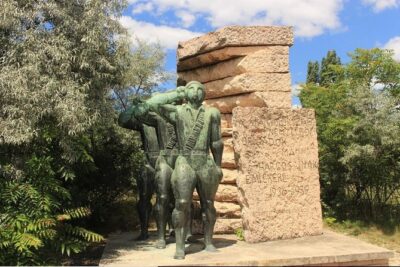
After the heavy indoor experience, Memento Park gives you a different kind of learning tool: monuments you can walk around. This open-air museum is where many Communist-era statues and memorials were relocated from the city, including pieces erected from 1945 to 1989.
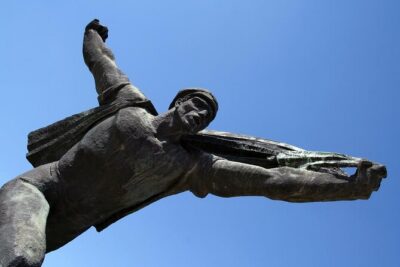
You’ll see familiar names and faces from Hungary’s Soviet period, including statues of Marx, Lenin, and Hungarian Communist leaders. The guide also points out symbols tied to the Hungarian-Soviet relationship, plus other major works from the era.
One detail I found especially useful is the scale of the collection. The park includes 42 pieces, including a 6-meter-high statue of the Liberation Army Soldier. That kind of size is hard to grasp until you’re standing near it, and that’s exactly why an outdoor park works better than photos.
The practical takeaway: in Memento Park, you’re not only looking at history. You’re watching how power tried to “stick” to public space. Later, you can also notice how time changes interpretation, since these monuments are now presented as memory rather than instruction.
A few more Budapest outings worth comparing
- Private Budapest TukTuk Tour: Custom Route, Hotel Pickup
★ 5.0 · 1,307 reviews - Budapest Essentials Private Tour Highlights and Hidden Gems
★ 5.0 · 861 reviews - Budapest Private Tuk Tuk Half-Day Tour
★ 5.0 · 606 reviews - Budapest One Way Private Transfer to or from Airport
★ 4.5 · 548 reviews
Budapest City Stops That Turn Monuments Into a Real Timeline
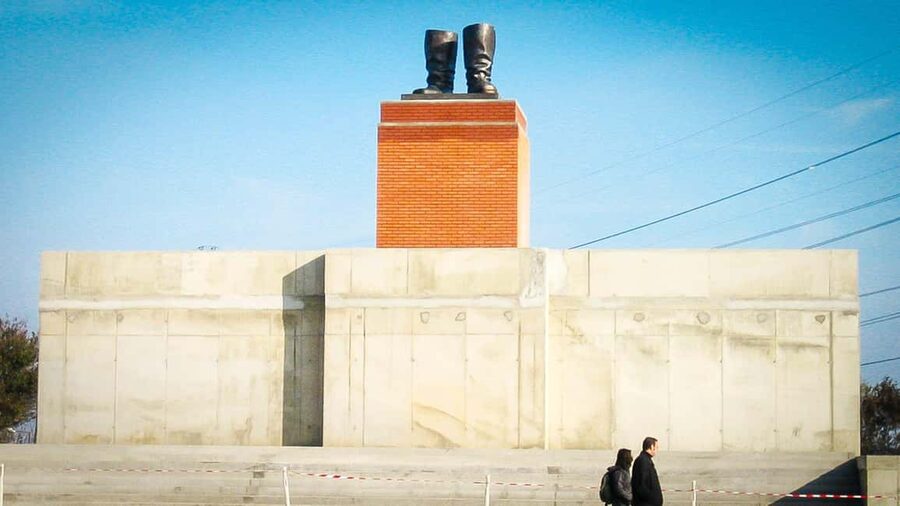
Between the big outside sites, you’ll also do guided walking and viewing in central Budapest as part of the tour’s flow. This is where the guide’s storytelling earns its keep. Instead of treating each statue or building as an isolated “thing to see,” you connect them to what came before and what followed.
This is also the part where a good guide helps you avoid the common mistake of sightseeing without understanding. When you’re looking at memorials connected to specific eras, you’ll want context like what these monuments represented at the time, and what they represent now.
If you like your history chronological, you’ll probably appreciate how the tour builds from wartime events, into occupation and Soviet influence, then into the systems that shaped daily life.
The Children’s Railway: A Gentler Ending in the Buda Hills
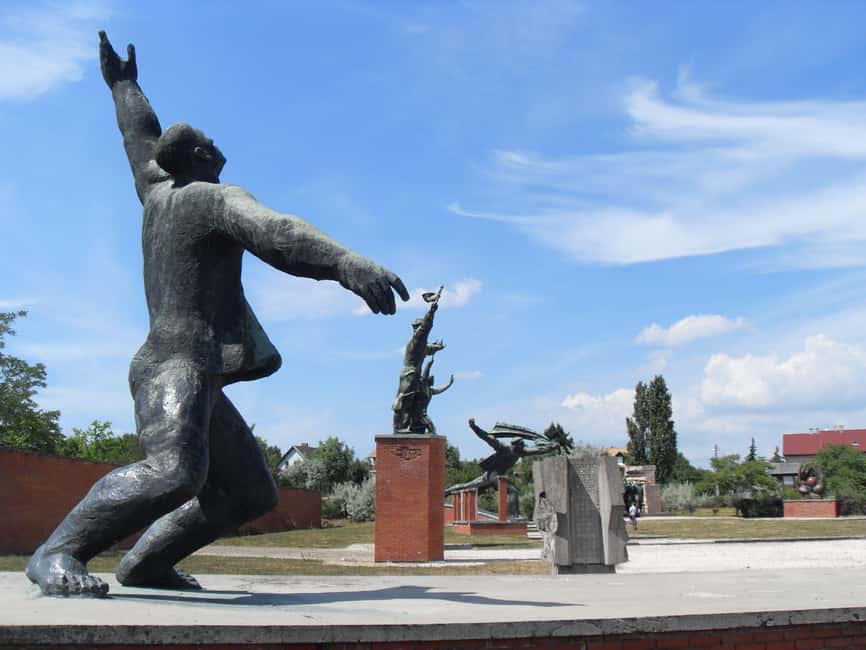
The tour finishes with something surprisingly refreshing: a ride on the Children’s Railway in the Buda hills. Originally known as the Pioneer’s Railway, it opened in 1949. The concept was very era-specific, with children ages 10 to 14 running the railway.
This ending works because it adds contrast after the museum and memorial weight. It’s not that the system becomes “cute.” It’s that you get a glimpse of how the state tried to shape future generations, including through youth programs that felt normal at the time.
As a traveler, I like this moment because it breaks the emotional day up. You get movement, open air, and a different kind of story that still belongs in the bigger picture.
Price and Value for a $294 Private Half-Day
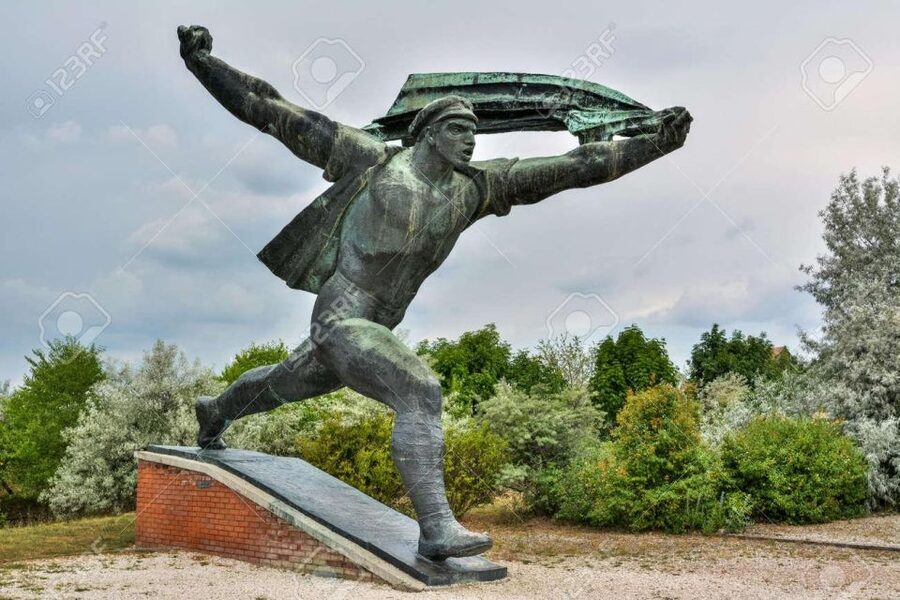
At $294 per person for a private half-day, this isn’t a budget bus tour. You’re paying for two things that matter here: private guiding and a tight, high-impact itinerary built around memory sites.
The value is strongest if you care about context. Museums tied to oppression and political symbolism can feel confusing if you go in cold. Having a guide who can explain what you’re looking at, and adjust based on what you want to know, tends to make the experience click.
It also helps that some key parts are included in the price. Transfers are included, you get hotel pick up and drop off, and entry into Memento Park is included. You’ll still pay for entry fees to the House of Terror (and any other listed museum entry fees), and lunch is not included, so you should budget for those extras.
If you’re the kind of person who likes a story with clear stops, this price usually makes sense. If you mainly want photos and quick facts, you might feel the cost more than you need to.
How to Make the Most of It (Without Feeling Rushed)
Because this is a compact half-day with both museums and outdoor viewpoints, a little preparation pays off.
- Wear shoes you can handle for outdoor walking and museum time.
- Bring your passport or ID card, since it’s required.
- If you’re sensitive to intense subject matter, mentally schedule a decompression break afterward, not right in the middle of your day.
The private van also helps with comfort and timing, especially when you’re combining hill viewpoints with inner-city museums. You’re not just “enduring” transport, you’re using it as part of the narrative flow.
One more practical plus: the tour is guided in multiple languages, including English, Spanish, Italian, German, and French. That flexibility is useful if you’re traveling with someone who prefers not to rely on translations.
Who This Tour Is Best For
This tour fits best if you:
- Want a guided, interpretive look at Budapest’s Communist-era memory sites
- Prefer a private format over crowded group sightseeing
- Like seeing how political symbolism changes meaning over time
- Are okay spending time in a serious museum like House of Terror
If your travel style is mostly light and entertainment-driven, you might find the repression-focused stops emotionally heavy. Still, the Children’s Railway ending is a thoughtful counterweight, not just a random add-on.
Should You Book This Tour?
I’d book it if you want your Budapest history focused, guided, and emotionally honest. The combination of Citadella viewpoints, the House of Terror, and Memento Park makes the story coherent instead of scattered, and the private guide quality can be a big difference maker. I’d skip or reconsider if you dislike heavy topics or if you already have a plan to visit these sites independently without a guide.
If you’re choosing between doing it on your own and paying for context, this is one of those cases where a good private guide is worth the money.
Latest to land in Budapest
- Visegrád Hike & Castle Tour with Ferry from Budapest★ 4.6 · 3 reviews
- Budapest: Vacation Photographer to collect great memories★ 5.0 · 49 reviews
- Trash Art Museum: Hungary’s First Scrap Metal Exhibition★ 4.3 · 72 reviews
- True Crime Walking Tour in the Buda Castle district★ 5.0 · 26 reviews
- Budapest: 3-Hour Trabant Sightseeing Tour★ 4.7 · 28 reviews
- Audio visual multi-sensory chefs journey dinner experience★ 5.0 · 3 reviews
- Private Szentendre and Vac Tour from Budapest with Transport★ 5.0 · 3 reviews
- Wine Tasting in the Countryside from Budapest★ 5.0 · 14 reviews
Communist History Tours, compared.
Communist History Tour with House of Terror Option
Read our review →
3-Hour Walking Tour About Communism (Small Group)
Read our review →
Memento Park Visit with Private Trabant Transfer
Read our review →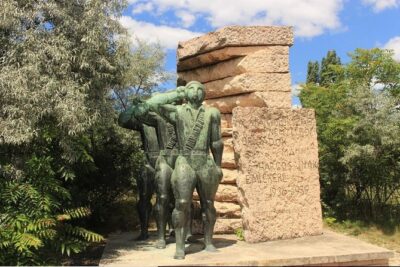
Browse the lists this tour appears in