
Reviewed · COMMUNIST HISTORY TOURS
Life Under Communism with House of Terror or Statue Park
Communism in Budapest is easier to understand in 3 hours. This private, interactive experience walks you through everyday life from the 1960s to the late 1980s, with a strong focus on what the system did to real people. I especially like the human scale of the storytelling, plus the way the guide shapes the pace to your group. One consideration: it is not a good fit if you have mobility limits, since you will be on your feet and moving around.
You start at Bambi Eszpresszó, a recognizable meeting place tied to the 1980s, so the whole talk feels grounded in lived spaces, not just theory. The tour runs with hosts Annamaria and Miklos, and you are guided in English, German, or French. Expect questions, back-and-forth dialogue, and a comparison of what changed in Hungary during the last fifty years.
In This Review
- Key Things I’d Prioritize Before You Go
- Bambi Eszpresszó, Where the Story Starts
- How the Communist System Is Explained, Without the Fog
- Everyday Communist Life in Budapest: What You Learn to Notice
- The Human Touch: Meet Annamaria and Miklos
- House of Terror or Statue Park, Why the Pairing Matters
- Pickup, Private Pace, and a Taste of Public Transit
- Price and Value: Why This Works Out Well for Groups
- What to Bring and How to Plan Your Day
- Who This Tour Best Suits
- Should You Book Life Under Communism in Budapest?
- FAQ
- How long is the Life Under Communism tour in Budapest?
- Where does the tour start?
- What does the tour cost?
- Who runs the tour, and what languages are available?
- Is pickup included?
- What is included in the tour, and is food provided?
Key Things I’d Prioritize Before You Go
- Bambi Eszpresszó as the story opener, anchoring the lesson in an 1980s-era hangout spot
- An interactive, personal presentation, not a lecture you endure
- A clear explanation of how the communist system worked on multiple levels, with everyday examples
- Time for real dialogue, so you can ask what you actually want to know
- A visit that pairs politics with place, either House of Terror or Statue Park
- Private group up to 5, with pace adjusted to your interests and comfort level
Bambi Eszpresszó, Where the Story Starts
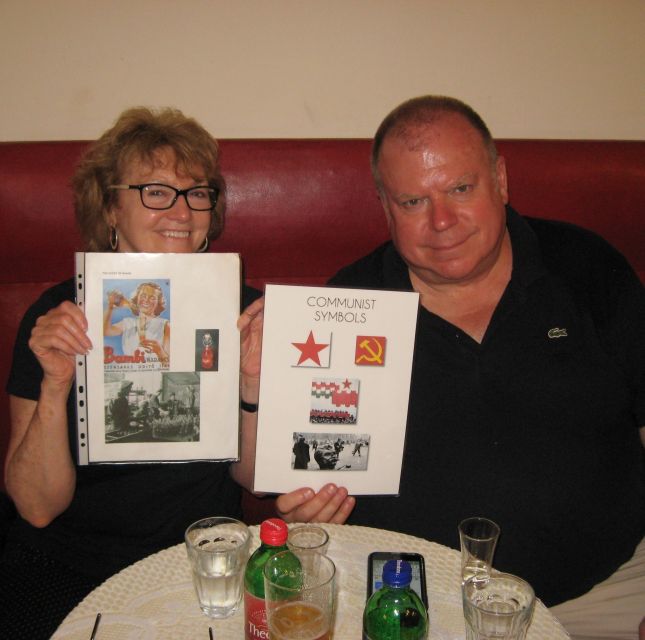
The best part of this tour is how it refuses to treat history like a museum label. You begin at Bambi Eszpresszó, which is described as an emblematic meeting place from the 1980s. That starting point matters, because it turns the talk into something you can picture in your head, like a real evening out, not an abstract timeline.
From there, the experience moves into a guided, interactive presentation that sets the scene for life under communism in Budapest. You are not just learning what policies were, you are learning what those policies did to daily routines and how people navigated the world they were given.
And yes, the tour includes a personal, guided flow through multiple periods, from the 1960s through the late 1980s. That span is handy because it helps you see that communism was not one single moment. It changed over time, and so did the pressure on ordinary life.
More communist-era tours:
- Budapest: Communist History Tour with House of Terror Option
★ 4.8 · 182 reviews - Budapest: 3-Hour Walking Tour About Communism (Small Group)
★ 4.7 · 70 reviews - Communism in Hungary with a Historian
★ 5.0 · 70 reviews
How the Communist System Is Explained, Without the Fog
A lot of “history talks” sound smart but leave you with a pile of names and dates. This one is built to help you understand the mechanics. The program promises an overview of how the communist system worked on multiple levels, which is exactly what you want if you are trying to connect politics to daily survival.
In practice, the way guides teach this kind of topic is crucial. An interactive format helps you learn faster because you are not passively absorbing. You can ask for clarity, and the guide can adjust the explanation if your group is newer to Hungarian history or if you already know the broad strokes.
I like that the tour targets the link between structure and daily life. You get the system explained, then you get the lived details. That contrast is what keeps it from turning into a lecture that simply repeats what you can read in a book.
One more thing I’d watch for, depending on your group: if you prefer a totally structured itinerary with zero discussion, you may find the dialogue portion shifts the timing a bit. Still, that flexibility is also one reason it rates so highly.
Everyday Communist Life in Budapest: What You Learn to Notice
The tour’s core promise is learning the details of everyday communist life in Budapest. That is a big statement, but it tells you what the guide will keep coming back to: what daily life felt like, not just what the state claimed.
You can expect the guides to highlight how decades of communism impacted Hungary, along with remnants you can still see today. Even if you do not catch every detail, you end up training your eyes. You start spotting how a society shapes itself when it is managed from the top, and how those changes can linger after political transformation.
The 1960s to late 1980s range also helps you notice progression. Instead of one snapshot of hardship or one slogan about control, you can compare how daily routines shifted as the decades moved on. That kind of framing makes the later transition you see in modern Budapest feel less sudden and more understandable.
If you like questions like these, you will probably enjoy it:
- How did people adapt day to day?
- What did public life look like compared with private life?
- Why do certain habits or traces remain after regime change?
And because the tour is private, you are not stuck asking in front of a crowd of strangers. You can get a more personal, tailored conversation with the guides.
The Human Touch: Meet Annamaria and Miklos
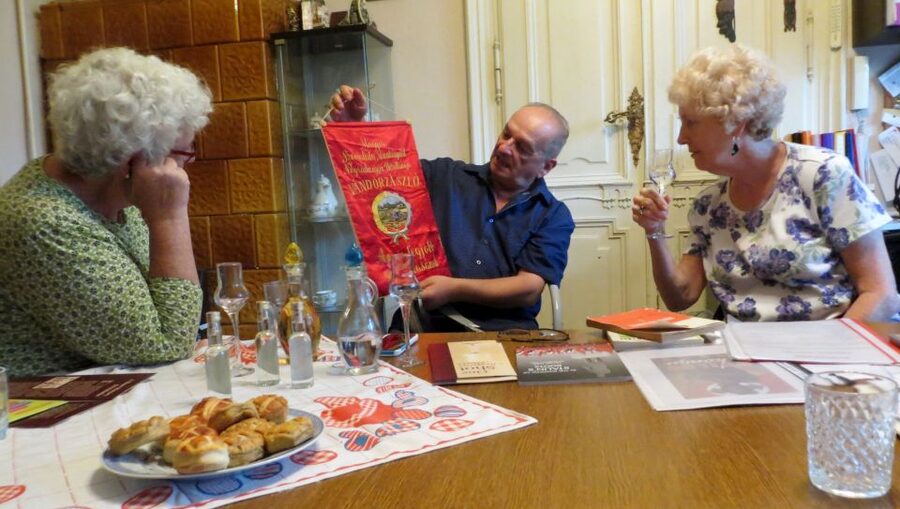
This experience is run by Annamaria and Miklos, and the guides are a major reason the tour works. The most consistent praise in the provided feedback is about communication, plus the fact that the guide can tailor the experience to the group’s interests and knowledge level.
That tailoring is not a small detail. If you are the kind of traveler who wants explanations in plain language, you will likely appreciate how the guide can scale the material. If you already know a bit, you can often press for deeper context, and you still get answers in a way that stays approachable.
There is also an emphasis on dialogue. You are not just given facts and sent on your way. You get time for an honest back-and-forth, which can turn the tour from informative into genuinely memorable.
Finally, one review highlight points out that the guide shared personal experiences from the Hungarian communist era. Even if those stories are just a portion of the full program, they tend to do something valuable: they put faces on concepts that can otherwise feel distant.
A different sort of day out in Hungary:
- Budapest: City Highlights Sightseeing Cruise
★ 4.6 · 43,981 reviews - Budapest: Unlimited Prosecco, Beer and Aperol Spritz Cruise
★ 4.8 · 37,304 reviews - Budapest: Széchenyi Spa Day Ticket with Optional Upgrades
★ 4.3 · 23,911 reviews - Budapest: Nighttime or Daytime Sightseeing Cruise
★ 4.2 · 21,062 reviews
House of Terror or Statue Park, Why the Pairing Matters
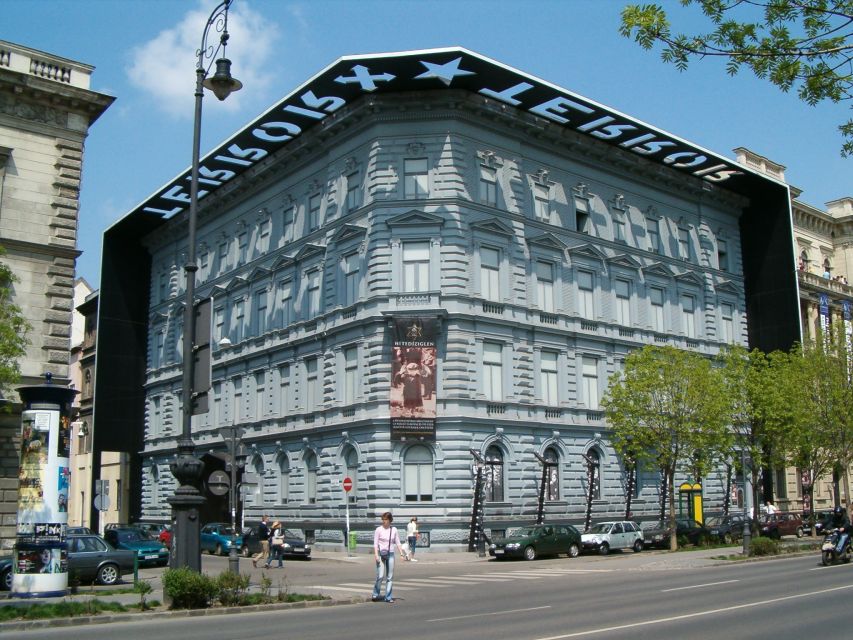
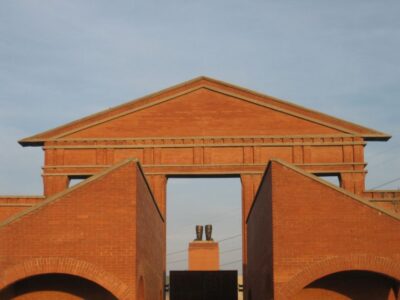
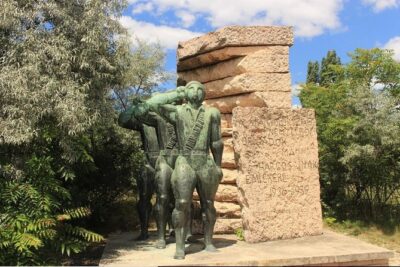
The title gives you the key choice: your tour is paired with either House of Terror or Statue Park. You should think of this as the “place-based chapter” of the experience.
Here is why that pairing makes sense. When you learn the mechanics of a system, you might still struggle to visualize the emotional impact or how it shows up in spaces. A visit tied to memory and public symbolism helps bridge that gap. It is one thing to understand how power works. It is another to stand near what people kept, removed, or presented to later generations.
I recommend choosing based on what you want your final impression to be:
- If you prefer a more direct, intense confrontation with the mechanisms of terror and repression, you may feel at home with House of Terror.
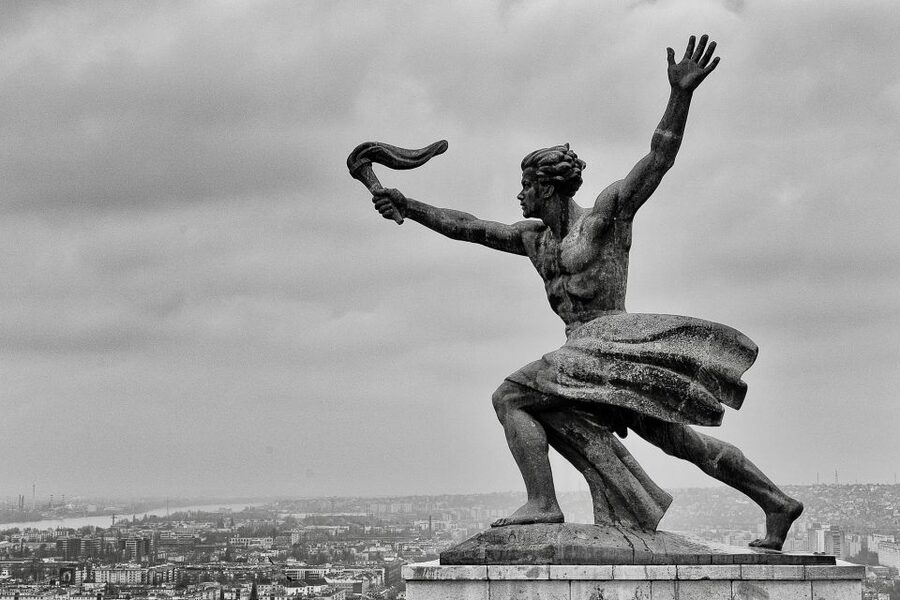
- If you want something that uses public art and monument culture to talk about ideology, Statue Park may match your style.
Either way, the pairing keeps the tour from staying purely theoretical. It anchors the lesson in the Budapest you can point at today.
Pickup, Private Pace, and a Taste of Public Transit
Logistics can make or break a short tour like this one, and this program builds in the things that keep your time tight.
You get pickup included. Your guide meets you at your accommodation in Budapest, then you head together to the first stop. If you like not having to coordinate meeting points on a busy day, that alone is a real convenience.
The tour is also a private group with a maximum size of 5. That matters more than it sounds. Small groups are easier for guides to adapt to. It also means questions do not get rushed, and the pace can stay comfortable for your particular mix of interests.
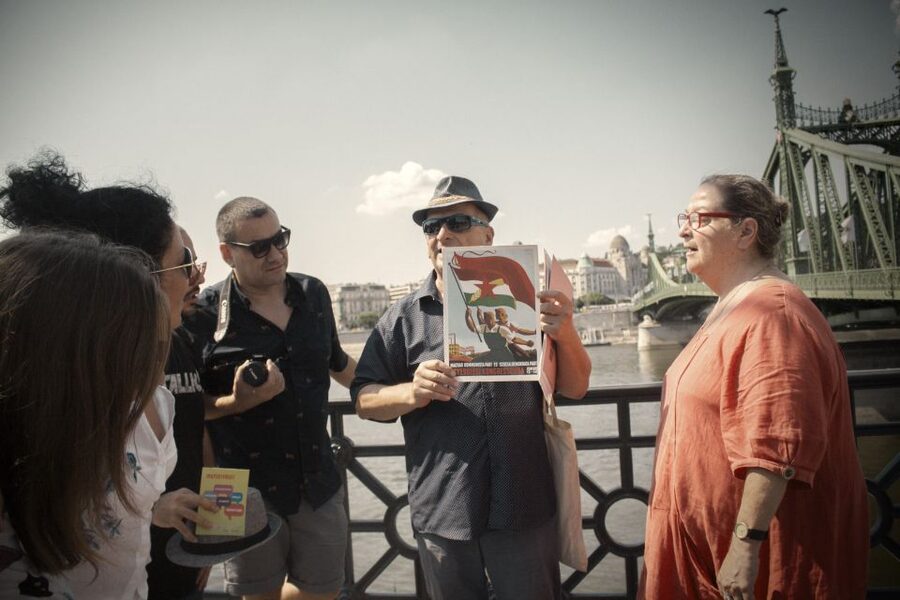
One review point specifically mentions a chance to ride the public transportation system as part of the outing. That can be more valuable than it sounds. Using local transit teaches you how the city moves in real life, and it can get you to areas you might not choose on your own.
Just keep in mind: transportation is listed as not included, but pickup is included and you may use public transit during the tour. So treat this as a guided experience that uses everyday movement patterns, not as a guaranteed taxi-style transfer.
Price and Value: Why This Works Out Well for Groups
The price is $282 per group up to 5, for a duration of 3 hours. That is usually the sweet spot where you can price it against independent options.
If you split it among 5 people, you’re roughly in the neighborhood of $56 per person. Even with fewer people, the value holds because you are buying more than a walk. You are buying:
- a personal, interactive presentation
- printed materials and notebooks
- pens
- guide time that can be adapted to your questions
Also, 3 hours is long enough to cover real context. Short walking tours can feel like they only scratch the surface. This one has time to connect the “system explanation” to “daily life details” and then link it to what you can see in Budapest.
Is it expensive if you travel solo? In many cases, yes. But that is not a flaw, it is just the math of a small-group, private guided format. If you are traveling as a couple or small group, this tends to be a smart use of your limited time in the city.
What to Bring and How to Plan Your Day
This experience is designed for a comfortable, mobile pace, but it still requires you to be ready for real streets.
Bring:
- comfortable shoes
- weather-appropriate clothing
- comfortable clothes
The tour is also not suitable for people with mobility impairments. Even if the guides are accommodating in conversation, the physical movement and stops still make this a tough fit.
For planning, pick a day when you can concentrate for 3 hours. This is a topic that benefits from attention. If you schedule it right after a long arrival day, you might miss some of the dialogue, and you will want to be alert enough to ask questions.
Who This Tour Best Suits
This is a strong match if you:
- like history that connects to everyday life
- want an interactive guide who can explain without drowning you in jargon
- enjoy asking questions and getting real answers
- travel as a couple or small group (up to 5)
- want a Budapest experience that feels authentic to place and time
If you want only top-line facts, you might find the conversation style less satisfying. And if you cannot do walking and outdoor segments, skip it because it is not suitable for mobility impairments.
Should You Book Life Under Communism in Budapest?
If your goal is to understand how communism shaped daily life in Hungary, this is the kind of tour that makes the topic feel human. I’d book it if you value a guide-led conversation, want a private group format, and like history that you can connect to what remains in the city today.
Do consider skipping or choosing another format if mobility is an issue, or if you prefer strictly structured sightseeing with minimal discussion. But if you are curious and you want context that goes past slogans, this is a very good use of a half day in Budapest.
FAQ
How long is the Life Under Communism tour in Budapest?
The tour lasts 3 hours.
Where does the tour start?
It starts at Bambi Eszpresszó.
What does the tour cost?
It costs $282 per group, up to 5 people.
Who runs the tour, and what languages are available?
The experience is conducted by Annamaria and Miklos. The live guide is available in English, German, and French.
Is pickup included?
Yes. Your guide meets you at your accommodation in Budapest, then you go together to the first stop.
What is included in the tour, and is food provided?
The tour includes an interactive, personal presentation plus some printed materials, notebooks, and pens. Food and drinks are not included. Transportation is also listed as not included.
Latest to land in Budapest
- Visegrád Hike & Castle Tour with Ferry from Budapest★ 4.6 · 3 reviews
- Budapest: Vacation Photographer to collect great memories★ 5.0 · 49 reviews
- Trash Art Museum: Hungary’s First Scrap Metal Exhibition★ 4.3 · 72 reviews
- True Crime Walking Tour in the Buda Castle district★ 5.0 · 26 reviews
- Budapest: 3-Hour Trabant Sightseeing Tour★ 4.7 · 28 reviews
- Audio visual multi-sensory chefs journey dinner experience★ 5.0 · 3 reviews
- Wine Tasting in the Countryside from Budapest★ 5.0 · 14 reviews
- Private Walking Tour in The Jewish District Budapest★ 4.5 · 16 reviews
Communist History Tours, compared.
Communist History Tour with House of Terror Option
Read our review →
3-Hour Walking Tour About Communism (Small Group)
Read our review →

Memento Park Visit with Private Trabant Transfer
Read our review →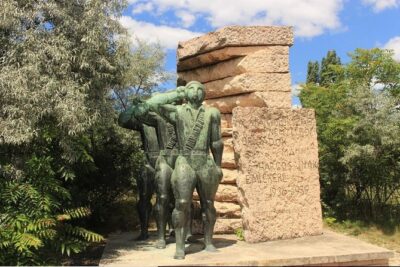
Browse the lists this tour appears in