
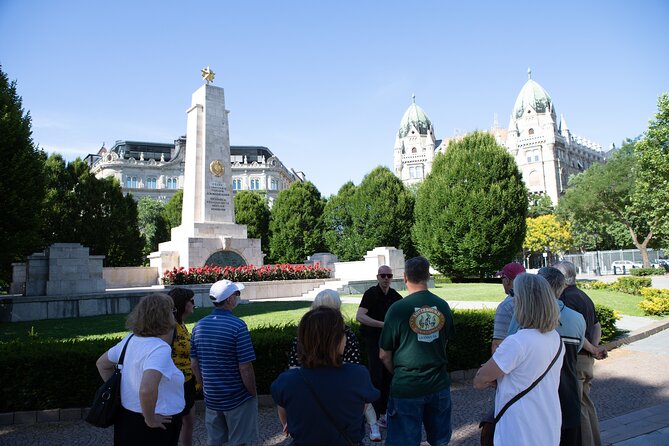
Reviewed · COMMUNIST HISTORY TOURS
Born Under The Red Star – The History of Communism in Hungary – Private Tour
Budapest can feel like layers of time stacked on top of each other. This private 3-hour walk connects the dots from WWII memories to communist-era repression, using real sites like the House of Terror and Liberty Square. I especially like the way the stops are timed for an efficient overview, and I love the personalized guide approach that makes the story easier to follow. The one drawback to plan for is that the museum time is short, so if you want deep reading and slow wandering, you may want to do a longer follow-up.
I also appreciate the built-in break, a retro soda at a Communist-themed bar, plus coffee or tea, because it gives your brain a reset mid-story. Guides have been praised for making difficult material feel human, with names like Julia, Brigit, and Norbert showing up as standouts for clarity and flexibility. Still, check your expectations for free or included admissions, because not every stop may work the same way for entry on the day.
In This Review
- Quick hits for your communist history walk
- What this Budapest communist history tour is really about
- Price and value for a 3-hour private walk
- Meeting, pickup, and the pace you should expect
- Stop 1: Soviet Heroic Memorial and WWII memory politics
- Stop 2: House of Terror Museum on Andrássy út 60
- Stop 3: St. Stephen’s Basilica as a cultural counterpoint
- Stop 4: Szabadság tér, Liberty Square and two kinds of mourning
- Stop 5: Memorial to the 1956 Hungarian Revolution and War of Independence
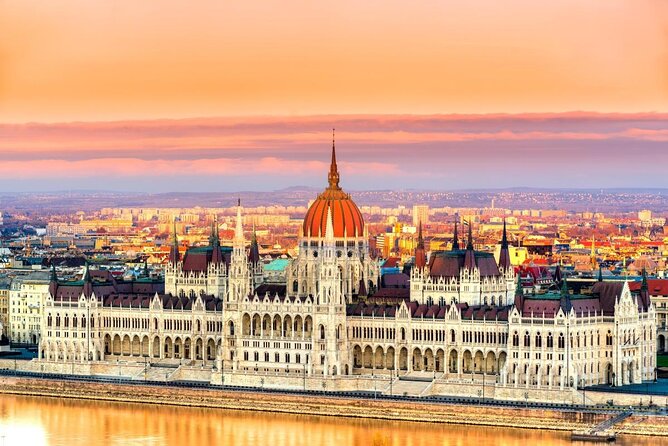
- Stop 6: Hungarian Parliament Building from the outside
- The Communist-themed bar stop: a practical break with a story
- What to ask your guide to get the most from the short stops
- Free admissions and ticket reality: don’t get caught off guard
- Who this tour is best for
- Should you book Born Under The Red Star in Budapest?
Quick hits for your communist history walk
- Soviet and communist memory in the same route: You visit WWII commemoration, then move straight into the communist story.
- House of Terror on Andrássy út 60: You get the context of how regimes used detention, interrogation, torture, and killing.
- Szabadság tér’s two memorials: Holocaust remembrance and Soviet liberation sit side by side in one square.
- 1956 uprising focus: A dedicated memorial anchors the anti-regime story in modern Hungarian memory.
- Short stops with a coherent thread: Each stop is brief, so your guide’s narration matters.
- Retro bar break included: You get a drink at a Communist-themed spot, not just more standing around.
What this Budapest communist history tour is really about
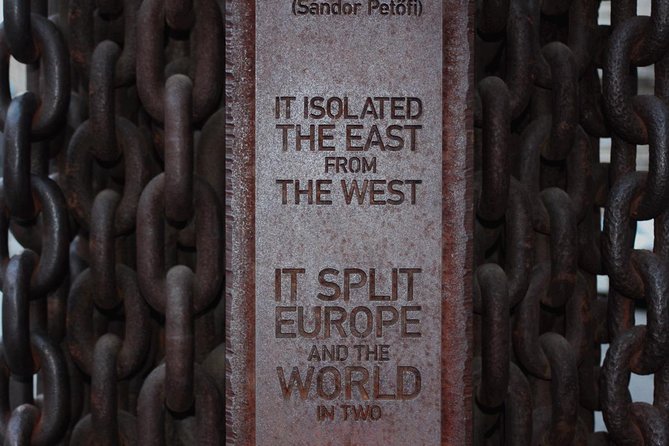
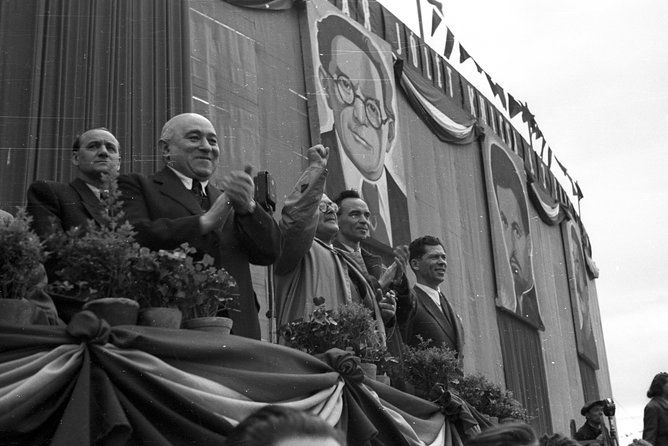
This is not a slow, scholarly lecture. It’s a focused street-level tour that uses key Budapest sites to explain how political power was remembered, and how it was enforced. The route moves from symbols to institutions, and then into the public squares where history is still argued over.
What makes it practical is the structure. You get multiple stops across the city in about three hours, with a guide who can connect each location to the larger pattern of communist rule. If you’re trying to understand why certain memorials are still controversial, this kind of route helps you see the “why” fast.
More communist-era tours:
- Budapest: Communist History Tour with House of Terror Option
★ 4.8 · 182 reviews - Budapest: 3-Hour Walking Tour About Communism (Small Group)
★ 4.7 · 70 reviews - Communism in Hungary with a Historian
★ 5.0 · 70 reviews
Price and value for a 3-hour private walk
At about $108.14 per person for roughly three hours, this sits in the “worth it if it saves you time” category. You’re not only paying for a walk with facts. You’re paying for pickup, narration in English, and the convenience of hitting the right places without having to coordinate routes and timing.
Also, the small extras add up: hotel or apartment pickup, maps and recommendations, coffee and/or tea, and a retro soda stop. That’s helpful if your day is already packed and you don’t want to plan the food, the entry questions, and the logistics.
Two things can affect your value. First, some entrances are marked as not included, like St. Stephen’s Basilica and the Hungarian Parliament Building, so you may still need to budget for those. Second, if you love museums and want long time inside, the stop lengths are short, so you might feel like you need an extra day later.
Meeting, pickup, and the pace you should expect

You get hotel or apartment pickup at your requested address, which is a big deal in Budapest. It reduces walking just to start your day, and it helps you use your time for the history stops instead of transit wrangling.
The tour is designed for moderate physical fitness. You’ll be out in the city, moving between sites, and spending brief stretches at each one. If you hate “hit and run” museum time, you might prefer a full-length museum-focused tour, then use this one for context.
Because it’s a private tour, it’s just your group. That matters when the topic turns heavy, since you can ask questions and shape the pace to what your group needs.
Stop 1: Soviet Heroic Memorial and WWII memory politics
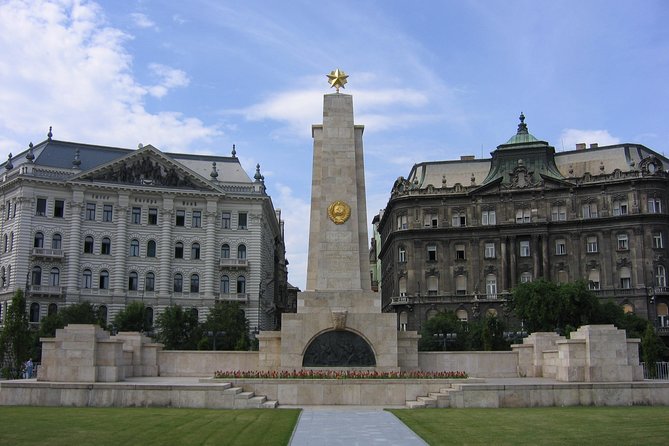
Your first stop is the Soviet Heroic Memorial, a white obelisk in a park setting. The point here is symbolism: it commemorates Russian military who served in WWII.
Why this matters for understanding Hungary’s communist past is simple. Regimes often build legitimacy by wrapping themselves in older war stories. You’ll start with a monument language lesson, then shift into the much darker story of how communist power operated inside Hungary.
You’ll have limited time at this stop, around 15 minutes, so use it for orientation. Look at the framing of the memorial and ask your guide what it meant then versus what it means now.
More History Tours in Budapest:
- Budapest: Historic Cruise with Welcome Drink
★ 4.7 · 6,512 reviews - Budapest Historical Sightseeing – Free Walking Tour
★ 5.0 · 1,302 reviews - Buda Castle District Dark History, Legends and Vampire Night Tour
★ 4.5 · 1,240 reviews - BloodThirsty Hungary: Walking tour & Dark Historical Stories
★ 4.9 · 633 reviews
Stop 2: House of Terror Museum on Andrássy út 60
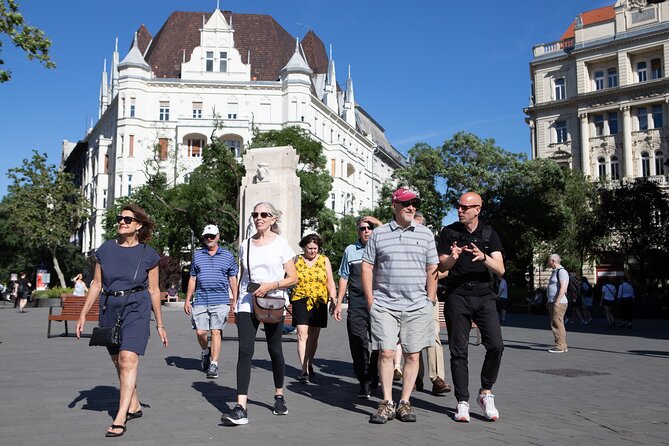
The emotional weight of the tour lands at House of Terror, located at Andrássy út 60. This museum connects Hungary’s 20th-century fascist and communist regimes, and it also serves as a memorial to victims.
The key details to know are what’s presented: people detained, interrogated, tortured, or killed in the building. It’s a place where the topic is not abstract, and the best guiding style here is careful, factual, and honest about what happened and why.
The museum time is brief, about 15 minutes. That’s enough for an overview and a guided path, but it’s not the time you’d want for slow reading of every exhibit. If you plan to visit again later, you’ll likely leave with a few names, themes, or questions to look up.
Stop 3: St. Stephen’s Basilica as a cultural counterpoint
After the intensity of House of Terror, you shift tone with St. Stephen’s Basilica (Szent István-bazilika). It’s a Roman Catholic basilica named for Stephen, the first king of Hungary, and the church’s right hand reliquary is part of its fame.
This stop feels like a counterweight to the regime narrative. Communist governments tried to reshape public life, including culture and education, while Hungary’s older identity markers stayed stubbornly present. Even in a short visit, your guide can help you connect architecture and religious tradition to the bigger theme of national identity.
One practical note: admission is not included for this stop, so you should expect to pay if you want to go inside, including the dome access where relevant.
Stop 4: Szabadság tér, Liberty Square and two kinds of mourning
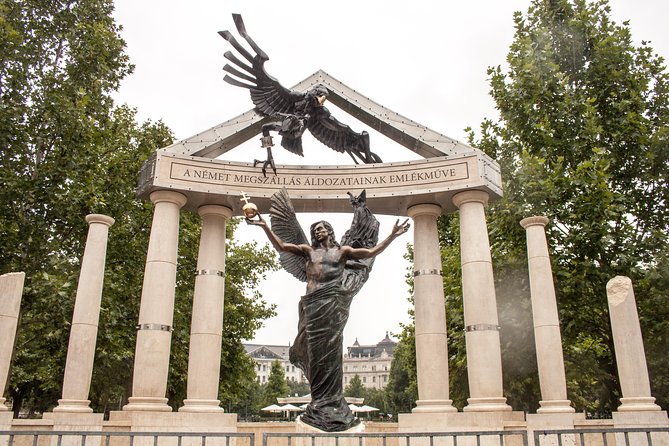
At Szabadság tér (Liberty Square), you’ll see how memory politics can coexist in the same space. The square is known for two controversial memorials, one for Hungarian Jewish victims of the Holocaust and another for Soviet soldiers who liberated Budapest from Nazi occupation in 1945.
It’s a powerful pairing because it forces you to hold more than one story at the same time. Your guide can help you understand that “liberation” can be remembered differently depending on who experienced it, and how later regimes used that narrative.
You’ll also notice landmarks around the square, including the US Embassy and the Hungarian National Bank headquarters. Those details help you see how the political center of gravity changed over time, even if the buildings stayed.
You’ll spend about 25 minutes here, so it’s one of the more breathing-room stops. Use the extra time to look around and compare the memorials’ messages, not just their appearance.
Stop 5: Memorial to the 1956 Hungarian Revolution and War of Independence
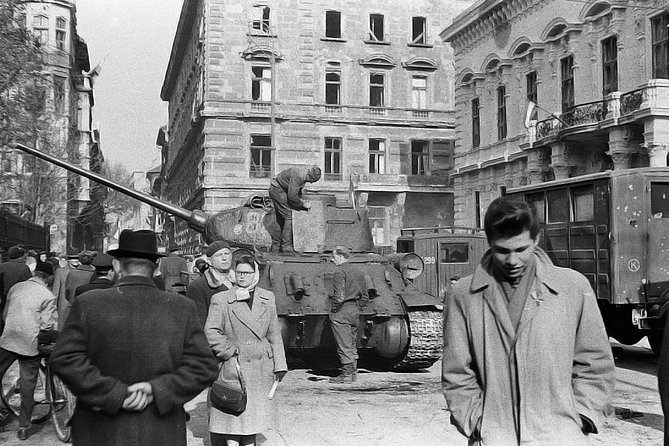
The next stop shifts from WWII and communist repression to a major rupture in Hungary’s relationship with the communist regime: the 1956 Hungarian Revolution and War of Independence memorial.
This memorial focuses on the heroes of the uprising, which is an important storyline because it shows resistance within the communist era. It also helps explain why 1956 remains a symbolic reference point in Hungarian politics.
With only about 15 minutes here, treat it like an anchor. Let the guide connect it to the broader route you’ve walked so far, and to what comes next when you look at the government buildings.
Stop 6: Hungarian Parliament Building from the outside
Finally, you reach the Hungarian Parliament Building (Országház). It’s the seat of Hungary’s National Assembly and a major landmark in Budapest, and it’s popular with visitors for good reason.
Since admission is not included, your time here is more about exterior context. Think of it as the “system” piece of the puzzle. After symbols, museums, and memorials, the Parliament stop brings you back to the question of who governs and how power is displayed publicly.
If your group wants to go inside, you’ll need to plan that separately.
The Communist-themed bar stop: a practical break with a story
One of the most memorable included perks is the stop at a Communist-themed bar, where you’ll get a retro soda. This isn’t just a gimmick. It gives your brain a break after heavy topics, and it also shows how communist imagery gets repackaged in modern culture.
You’ll also have coffee and/or tea included. In other words, you’re not left staring at the menu while you’re trying to process information.
One practical consideration: this is not positioned as a full meal stop. Food and drinks beyond the specified items are not included, so if you arrive hungry, you’ll want to plan a meal before or after.
What to ask your guide to get the most from the short stops
Because each site is brief, you’ll get more value if you steer the conversation toward what you care about. I like asking questions that connect present-day Budapest to the period you’re learning about.
Here are a few smart prompts to use:
- How did the communist narrative use WWII memories, and why?
- What does House of Terror want you to understand beyond names and dates?
- Why are the memorials at Szabadság tér seen as controversial?
- How did 1956 change Hungarian attitudes toward the regime?
Guides can only do so much with 15-minute chunks. Your questions help them focus their explanation and make the route feel personal, not generic.
Free admissions and ticket reality: don’t get caught off guard
The tour description includes free admission ticket notes for Soviet Heroic Memorial, House of Terror, and Szabadság tér. It also lists St. Stephen’s Basilica and the Hungarian Parliament Building as not included.
Here’s my practical advice: bring a little flexibility. Free entry can depend on how access is handled in the moment, and tickets for specific sections can vary. If you care about going inside a church dome or certain museum areas, ask your guide early in the day what’s covered and what you should expect to pay for.
It’s an easy way to avoid frustration and protect your time.
Who this tour is best for
This is a great choice if you want a fast, guided orientation to communist-era Hungary without building an itinerary from scratch. It’s especially good for first-timers who already see Budapest’s main sights but want a deeper thread tying them to political history.
You’ll also enjoy it if your group likes narrative history, walking routes, and discussion. The private format helps when someone wants extra context or a question answered without slowing down strangers.
I’d be cautious if:
- You expect long museum time or deep reading sessions, since most stops are around 15 minutes.
- You’re mainly looking for hands-on details about daily life under communism. You’ll get important context, but you may need a follow-up museum visit or reading time afterward to satisfy that specific itch.
Should you book Born Under The Red Star in Budapest?
If you want your Budapest history to come with names, locations, and an explanation you can follow while walking, I’d book it. The private, English-guided format, plus pickup and the retro soda break, makes it good value for a single morning or afternoon.
I’d only skip it if you are the type who hates short stops and prefers to spend hours inside museums. In that case, you can still see the sites, but you might miss the guided connections that make the route feel like one story.
My final verdict: this tour is best as a first checkpoint for Hungary’s communist past. Then you can build from there with a longer museum session or a second visit to the places that sparked your biggest questions.
Latest to land in Budapest
- Visegrád Hike & Castle Tour with Ferry from Budapest★ 4.6 · 3 reviews
- Budapest: Vacation Photographer to collect great memories★ 5.0 · 49 reviews
- Trash Art Museum: Hungary’s First Scrap Metal Exhibition★ 4.3 · 72 reviews
- True Crime Walking Tour in the Buda Castle district★ 5.0 · 26 reviews
- Budapest: 3-Hour Trabant Sightseeing Tour★ 4.7 · 28 reviews
- Audio visual multi-sensory chefs journey dinner experience★ 5.0 · 3 reviews
- Private Szentendre and Vac Tour from Budapest with Transport★ 5.0 · 3 reviews
- Wine Tasting in the Countryside from Budapest★ 5.0 · 14 reviews
Communist History Tours, compared.
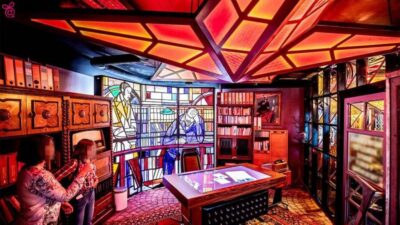
Communist History Tour with House of Terror Option
Read our review →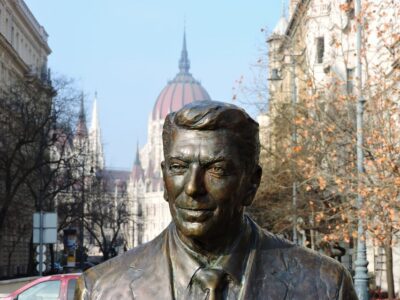
3-Hour Walking Tour About Communism (Small Group)
Read our review →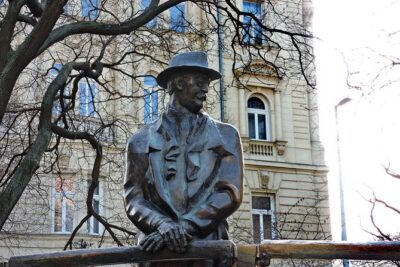
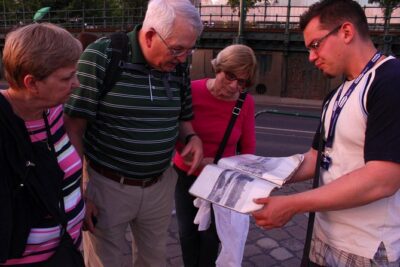
Memento Park Visit with Private Trabant Transfer
Read our review →
Browse the lists this tour appears in