
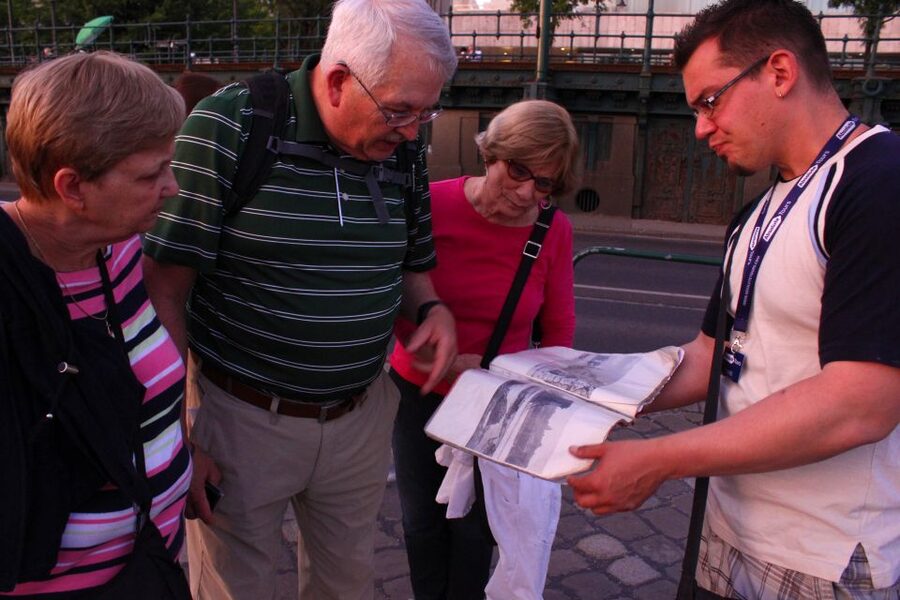
Reviewed · COMMUNIST HISTORY TOURS
Budapest: Hammer & Sickle Communism Walking Tour
Communism leaves scars on Budapest’s streets. I like how this tour turns slogans into real daily moments, from Trabant life to rules people had to follow. I also love the direct walk to Liberty Square’s Soviet memorial, where history stops being abstract. One heads-up: it’s about two hours of continuous walking and the topic is heavy, so plan for stamina and the right mood.
You start downtown, in the heart of Pest, with a licensed English guide and a short coffee or tea break baked in. Some departures have even included guides such as George from Absolute Tours, with a clear, prepared style that keeps the story moving. If you prefer very light sightseeing, this may feel more like political storytelling than photo stops.
In This Review
- Key things that make this tour worth your time
- Communism Made Walkable: What This Hammer and Sickle Tour Covers
- Starting at Deak Ferenc Ter and Getting the Dates Straight
- Liberty Square’s Soviet Memorial: Where Symbols Meet Street Reality
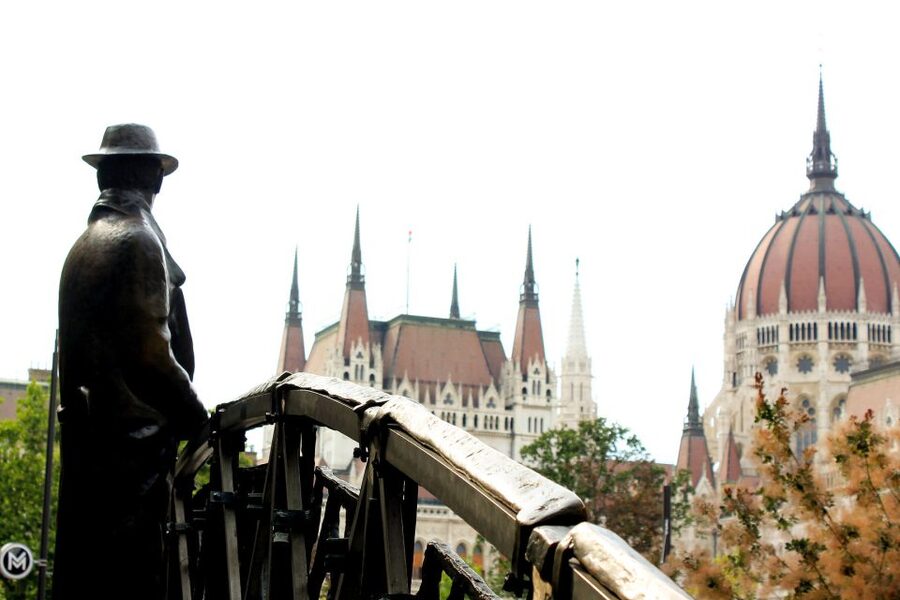
- Parliament Area, Power, and What You See as You Walk
- The 1956 Revolution Stop: Why Those Protest Stories Matter
- Trabants, Spirits at Work, and the Everyday Iron Curtain
- Timing, Walking Pace, and Dress for Real Budapest Weather
- Coffee Included and Value at $72 for 2.5 Hours
- Who Should Book This Tour (and Who Might Skip It)
- Should You Book This Budapest Communism Walking Tour?
- FAQ
- How long is the Budapest Hammer and Sickle Communism walking tour?
- Where is the meeting point?
- Is the tour in English?
- What’s included in the price?
- What should I bring or wear?
- Is it suitable for children or people with mobility impairments?
- How much walking is involved?
- Does the tour run in all weather?
- Is pickup available and what about cancellation?
Key things that make this tour worth your time
- Liberty Square Soviet Memorial: you’ll walk to the last Soviet monument and talk through what it symbolized.
- 1956 Revolution exhibition stop: a small, focused stop that helps connect the street stories to what happened.
- Everyday Iron Curtain details: passport rules, school life, and how people negotiated daily life.
- Pest street-level routing: you move through smaller downtown lanes where events unfolded.
- Human-scale communist anecdotes: Trabant cars and workplace spirits show how routine worked under the regime.
- Guides can set the tone: when the guide is energetic and structured, the walk feels especially worthwhile.
Communism Made Walkable: What This Hammer and Sickle Tour Covers
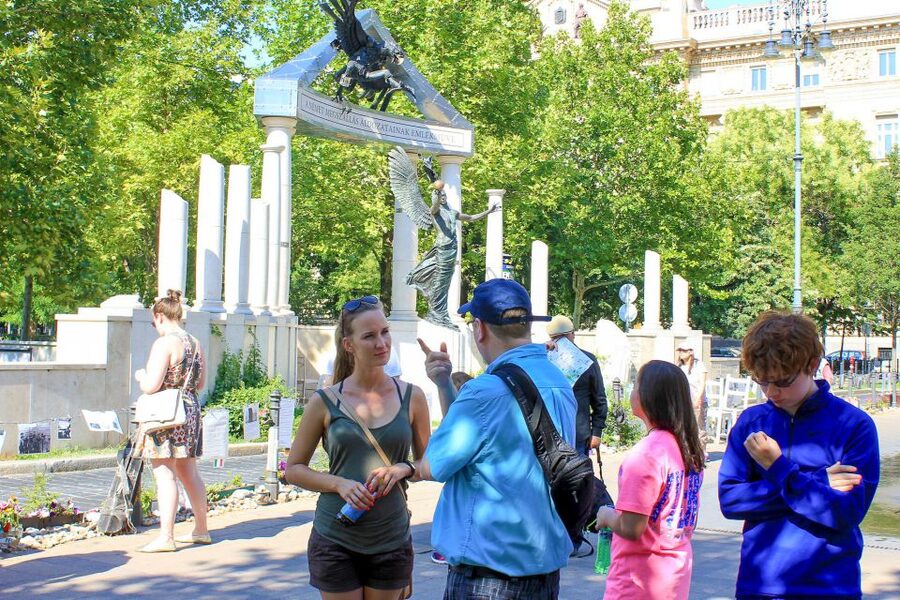
If you only visit Budapest’s famous sights, the communist era can feel like a footnote. This walk makes it a main story. You’ll get the Hungary of the Iron Curtain years, including how the system shaped ordinary routines, not just politics on paper.
What I like most is the balance between big events and small moments. You talk about the Communist period and then you get the kind of details that explain how people actually lived, like how passports were handled and what school life looked like. It is the difference between memorizing dates and understanding pressure.
You’ll also cover the 1956 Revolution, including stories of early protest and resistance. It’s framed around what people did, said, and endured, not just what posters claimed. And along the way, you physically move between places that still carry meaning, from Liberty Square to the Parliament area.
More communist-era tours:
- Budapest: Communist History Tour with House of Terror Option
★ 4.8 · 182 reviews - Budapest: 3-Hour Walking Tour About Communism (Small Group)
★ 4.7 · 70 reviews - Communism in Hungary with a Historian
★ 5.0 · 70 reviews
Starting at Deak Ferenc Ter and Getting the Dates Straight
Your meet-up is easy to find if you use the landmarks: 1052 Budapest, Deak Ferenc ter 4, in front of the Lutheran Church (pale yellow), on the church steps. This matters because the tour is 2.5 hours long, and you do not want to start late while you’re hunting for the group.
From the first minutes, the guide sets context for what you’re about to see. Expect an English explanation of Hungary under about half a century of communist rule, plus the “why” behind the slogans you’ll hear. Even if you already know the general communist story in Europe, this is where the focus narrows to Hungary’s specific path.
A practical plus: the group moves at a pace that fits street walking in Pest. There’s no fancy transit needed since the experience is designed around being on foot. You’ll also learn how everyday logistics under the regime worked, like the passport process, which is the kind of detail that helps everything else click.
Liberty Square’s Soviet Memorial: Where Symbols Meet Street Reality
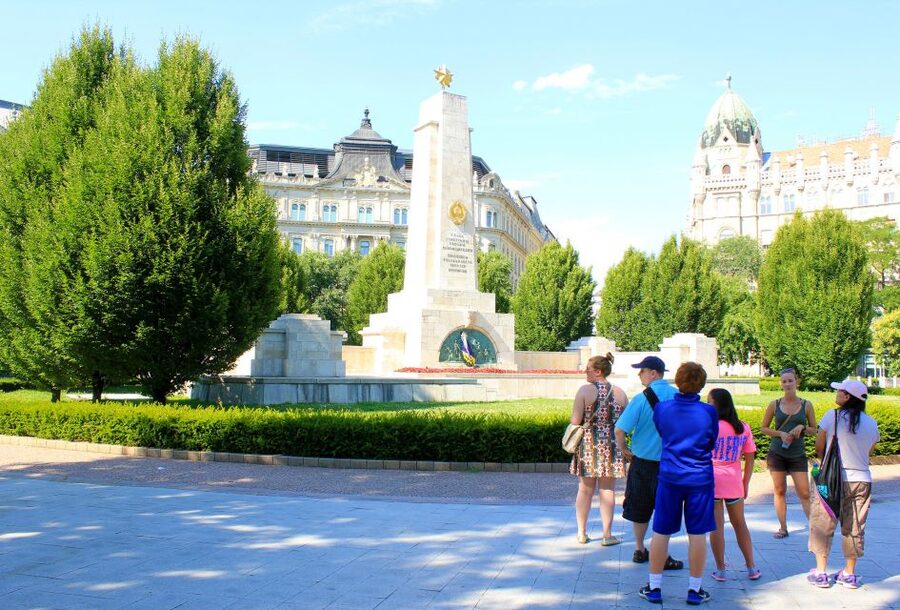
Liberty Square is where the tour stops being theoretical. You walk to Liberty Square Soviet Memorial, described as the last Soviet monument. That line alone tells you something: it’s not just a relic, it is a surviving statement in a city that has changed around it.
Here, the guide connects the monument to the political reality of the era. You’ll hear what the Soviet presence meant for Hungary, and why these public symbols were so important to control, propaganda, and public messaging. Standing in the square, the conversation makes more sense than reading about it later.
This stop also works as a turning point for the walk. Early on, you get the broader overview. Later, after you’ve heard about everyday life and resistance, you can re-read what you’re seeing. You’ll notice how the guide frames the same square differently depending on which story you just learned.
Parliament Area, Power, and What You See as You Walk
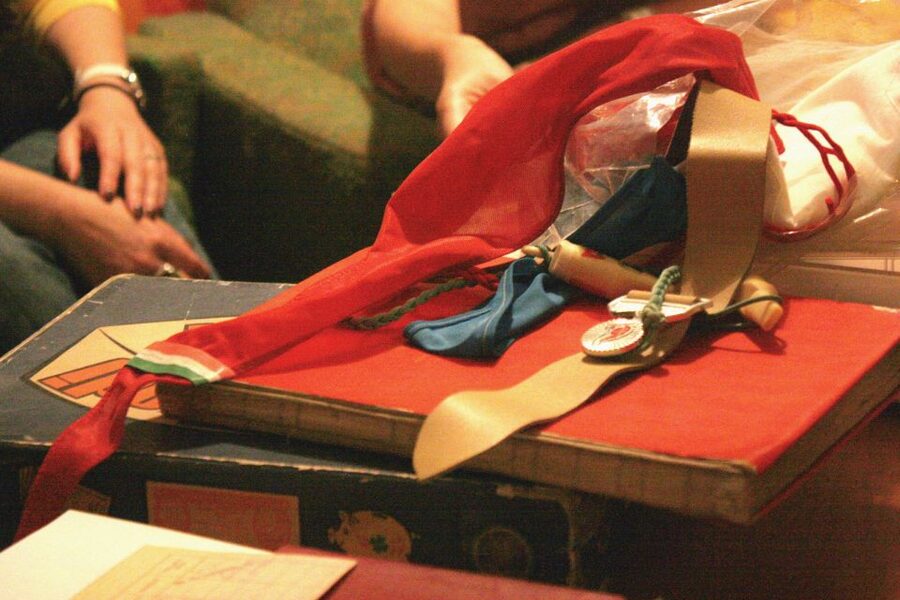
The route includes walking to areas near the Parliament and the surrounding civic spaces. Even if you’re not there specifically for architecture, this portion is about power and visibility. Communism worked hard to control what people saw and where they went, and Hungary’s political centers reflect that history.
You’ll talk through why places like the Parliament area matter to understanding the country’s shifts. The guide typically ties the political story back to what residents experienced. That makes your walking route more than a transfer between points. It becomes a timeline you can feel under your feet.
One drawback to plan for: this is not a “sit and talk” tour. You are outside, and you’re moving between locations in downtown streets. If you’re sensitive to long stretches of standing and walking, you’ll want comfortable shoes and a weather-ready layer.
More Walking Tours in Budapest:
- Budapest: Buda Castle Walk with Saint Stephen’s Hall
★ 4.5 · 3,012 reviews - Big Bus Budapest Hop-On Hop-Off Bus and Walking Tour
★ 3.5 · 2,206 reviews - Budapest: Buda Castle District Walking Tour
★ 4.6 · 2,108 reviews - Budapest City Landmarks Walking Tour in 2 Hours
★ 5.0 · 2,048 reviews
The 1956 Revolution Stop: Why Those Protest Stories Matter
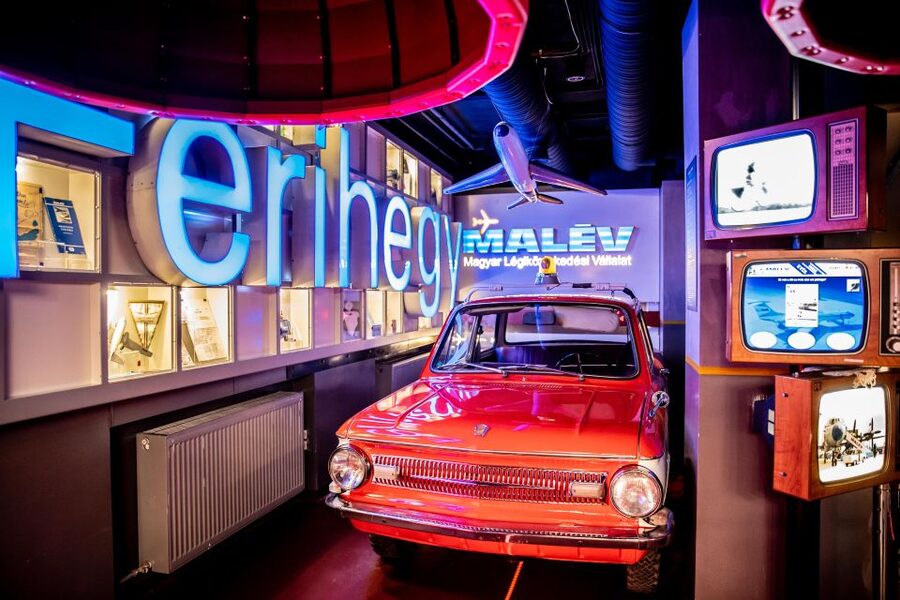
One of the most memorable parts is the stop at a small 1956 exhibition. It’s designed to commemorate the revolution, including details tied to the volleys and the pushback people organized. Instead of treating 1956 as a single headline, the guide brings it down to people, actions, and momentum.
You also hear about early protests, the fight back against an unethical regime, and what those first acts meant for people trying to resist control. The guide’s job is to connect the emotional stakes to the political stakes. That is what makes the stories stick.
The value of this stop is simple: it gives you a place to anchor the discussion. When you later think about communist history, you’ll remember an actual moment, not just a paragraph in a guidebook. And because the exhibition is small, you’re not forced to spend time wandering without guidance. The guide steers you toward what matters.
Trabants, Spirits at Work, and the Everyday Iron Curtain
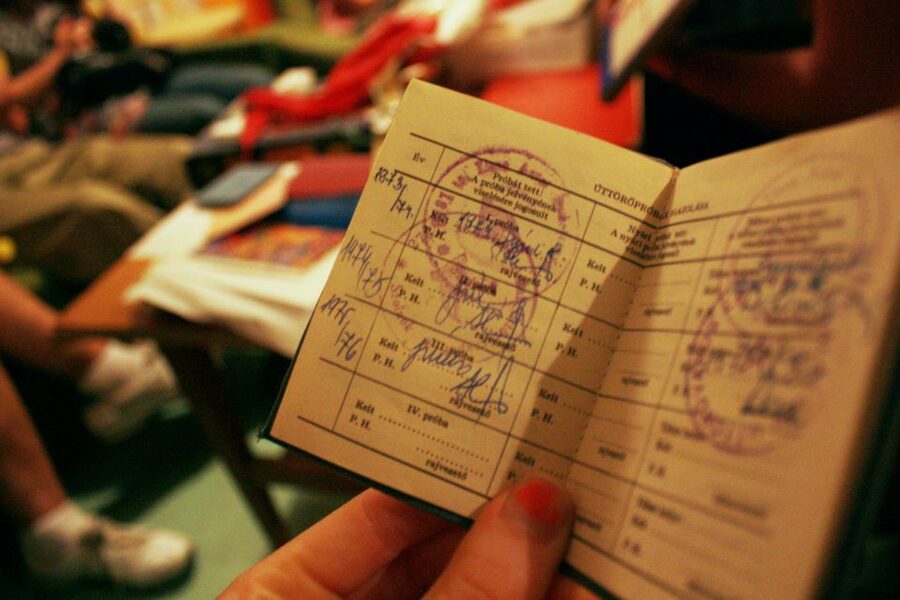
The tour’s best tricks are the details about ordinary life. You’ll hear stories like people driving Trabant cars, and the idea of spirits at work. Those kinds of anecdotes do more than make the past feel colorful. They explain how routine functioned even under pressure.
You’ll also learn how residents negotiated everyday life, including practical systems that impacted real people. The passport topic is a standout. When a society controls movement through documents, even “normal” tasks become complicated. The guide helps you understand why it shaped daily decisions.
School life comes up too, which is one of the most revealing angles. Education is where governments try to shape future citizens. So when you hear how schooling worked under communist rule, it reframes what you might otherwise see as just a historical period.
This is where you get the sense that communism was not only parades and buildings. It was also forms, rules, and pressures in the background. The tour helps you connect those dots while you walk through the city.
Timing, Walking Pace, and Dress for Real Budapest Weather
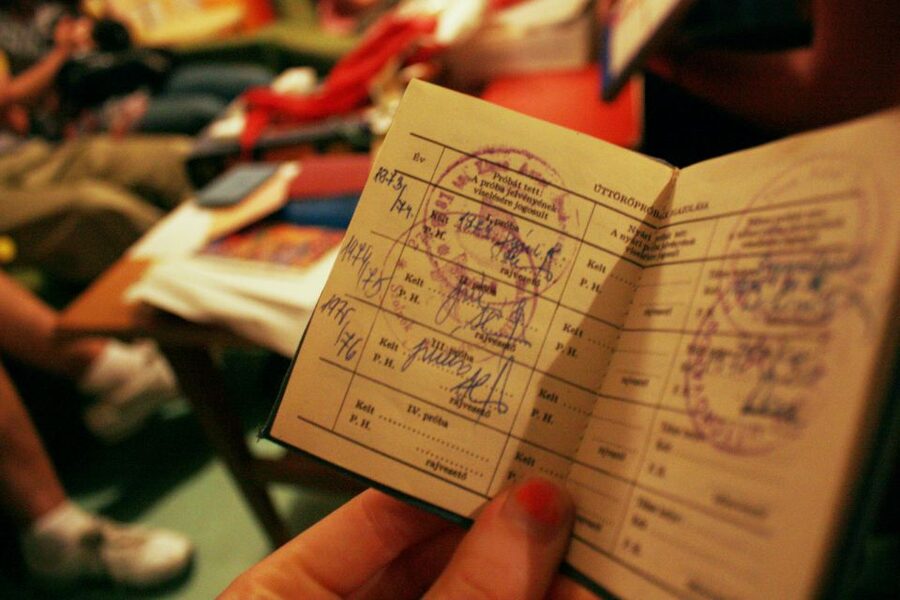
Plan around this tour’s physical rhythm. It lasts 2.5 hours, and you should expect about 2 hours of continuous walking. There is a refreshment included, but you should not count on frequent stops to catch your breath.
It operates in all weather conditions. That means rain, wind, and even damp days can shape your experience. Dress like you expect to stay outside for a good chunk of the morning or afternoon, not like you’re hopping between three photos.
Comfort matters here. Bring comfortable shoes and weather-appropriate clothing. If you’re visiting with tight connections later that day, give yourself some breathing room after the tour, because your legs will feel it.
One more note on expectations: the subject matter is not designed for younger kids. It’s described as not recommended for children under 14. If you’re deciding between bringing a teen versus leaving them, think about attention span and emotional readiness for political stories.
Coffee Included and Value at $72 for 2.5 Hours
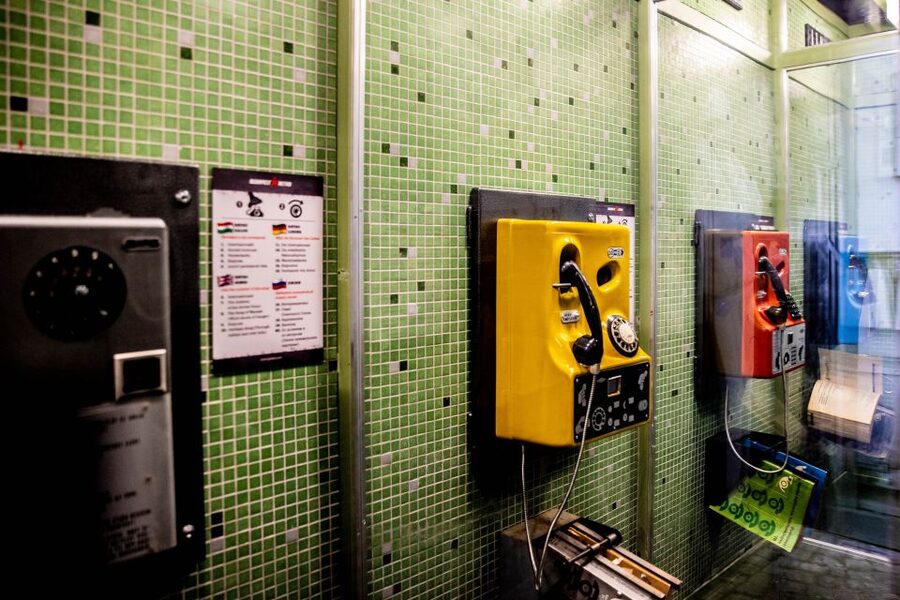
At $72 per person, you are paying for an English, live guide, plus a focused route that connects multiple locations and a small exhibition stop. That price only feels fair if you care about the human story behind the communist era, not just quick highlights.
The refreshment is a real plus: coffee, tea, or a soft drink is included. It’s a small thing, but it helps you keep pace without having to hunt for a cafe during the walk. In at least one case, a guide also tied the refreshments to the Trabant theme, with coffee and a tradition Hungarian dessert at the Trabant 60. Even if that exact detail varies, the idea is that the break is part of the storytelling, not a random interruption.
In terms of guide quality, you’ll notice a pattern. When the guide is well prepared and organized, the whole tour feels like it has momentum. When the delivery is flatter, it can feel more like a list of facts than a lived narrative. If you’re paying attention to style, this is worth bearing in mind.
So here’s my value take: this tour is best when you want context. If you love history but hate lectures, you’ll likely still enjoy this because it’s routed through real places and everyday details. If you only want “what to photograph,” you may feel the price is too high for what you want.
Who Should Book This Tour (and Who Might Skip It)

Book it if you want to understand the communist era as it affected normal life in Budapest, not just the political timeline. This is ideal for adult travelers who like conversation, street-level context, and a guide who explains how daily systems worked, including passports and school life.
It’s also a good fit if you’re already seeing other Budapest sights and want the missing layer. Places like Liberty Square and the Parliament area take on new meaning when you know the pressure behind them. You’ll walk away with a clearer sense of how control showed up in everyday routines.
Skip or rethink it if mobility is an issue. The tour is not suitable for people with mobility impairments, and the continuous walking adds pressure. Also skip it if you want a lighter, family-friendly outing, since it is not recommended for children under 14.
Should You Book This Budapest Communism Walking Tour?
I think you should book this tour if you value guided context and you want history to have faces and routines. The best parts are the street walk between key sites, the 1956 exhibition stop, and the everyday-life anecdotes that make the era feel real.
If you’re price sensitive, it’s worth matching your expectations to what’s included: an English live guide, about 2.5 hours, coffee or tea or a soft drink, plus the sights connected to the communist story. It is not an all-day tour, and it is not an indoor museum marathon.
My final advice: wear good shoes, dress for weather, and come ready for a political story with human details. If that sounds like your kind of Budapest, this walk is one of the more memorable ways to understand the city’s modern layers.
FAQ
How long is the Budapest Hammer and Sickle Communism walking tour?
The tour lasts about 2.5 hours.
Where is the meeting point?
Meet your guide at 1052 Budapest, Deak Ferenc ter 4, in front of the Lutheran Church (pale yellow), on the church steps.
Is the tour in English?
Yes. The live tour guide language is English.
What’s included in the price?
A licensed expert guide is included, along with a refreshment (coffee, tea, or a soft drink).
What should I bring or wear?
Bring comfortable shoes and comfortable clothes, plus weather-appropriate clothing.
Is it suitable for children or people with mobility impairments?
It is not recommended for children under 14, and it is not suitable for people with mobility impairments.
How much walking is involved?
You should expect about 2 hours of continuous walking during the tour.
Does the tour run in all weather?
Yes, the tour operates in all weather conditions.
Is pickup available and what about cancellation?
Pickup is optional, and you can enter details for a centrally located accommodation when booking. You can cancel up to 24 hours in advance for a full refund. You can also reserve now and pay later.
Latest to land in Budapest
- Visegrád Hike & Castle Tour with Ferry from Budapest★ 4.6 · 3 reviews
- Budapest: Vacation Photographer to collect great memories★ 5.0 · 49 reviews
- Trash Art Museum: Hungary’s First Scrap Metal Exhibition★ 4.3 · 72 reviews
- True Crime Walking Tour in the Buda Castle district★ 5.0 · 26 reviews
- Budapest: 3-Hour Trabant Sightseeing Tour★ 4.7 · 28 reviews
- Audio visual multi-sensory chefs journey dinner experience★ 5.0 · 3 reviews
- Private Szentendre and Vac Tour from Budapest with Transport★ 5.0 · 3 reviews
- Wine Tasting in the Countryside from Budapest★ 5.0 · 14 reviews
Communist History Tours, compared.
Communist History Tour with House of Terror Option
Read our review →
3-Hour Walking Tour About Communism (Small Group)
Read our review →
Memento Park Visit with Private Trabant Transfer
Read our review →
Browse the lists this tour appears in