
Reviewed · COMMUNIST HISTORY TOURS
Communism in Budapest: Private Tour with House of Terror Museum
Budapest has a way of teaching politics. This private walking tour connects the city’s street-level sights with Hungary’s wrenching 20th-century shifts, from Nazi occupation to the rise and fall of Communism and then the move toward democracy. I especially like the tight, on-foot route that keeps you close to the places where history actually happened, and I also like that it ends with the House of Terror Museum ticket included, so you don’t have to scramble for admissions later.
The main drawback is the subject matter. The House of Terror is a memorial to detention, torture, and killings tied to 20th-century fascist and communist regimes, so it can feel heavy, even with a short visit.
In This Review
- Key highlights worth circling first
- How Budapest’s political story maps onto real streets
- Bem József Memorial Square and the 1956 protests that changed everything
- Falk Miksa Street, retro shops, and the awkward reality of life under Communism
- Kossuth Lajos Square and the Hungarian Parliament you can’t ignore
- House of Terror Museum, where the Iron Curtain becomes personal
- How the 3-hour walking format really feels
- Price and value: is $180 a fair trade for a private guide?
- Who this Budapest Communism and House of Terror tour suits best
- Should you book this private tour or skip it?
- FAQ
- How long is the private tour?
- What’s included in the price?
- Where does the tour start and end?
- Is admission to the Parliament Visitor Centre included?
- Is food, drinks, or transportation included?
- What is the cancellation policy?
Key highlights worth circling first
- Bem József Memorial Square as your starting point for the 1956 student protests against Soviet rule
- Falk Miksa Street surprises, including the quirky Columbo statue
- Kossuth Lajos Square and Hungary’s Parliament, seen through a political timeline that reaches the 21st century
- House of Terror Museum entry included, with exhibits and memorials tied to the Iron Curtain era
- Private guide for your group, with time built in for photos and a slower pace than group tours
How Budapest’s political story maps onto real streets
Budapest looks postcard-pretty, but it also carries receipts from hard times. This tour uses landmarks instead of timelines on a screen, so you can connect what you read about Communism to real squares, streets, and buildings you can point at.
You’ll move through central districts on foot, with a guide who links each stop to what came before it and what came after. That’s a big value point for a $180 private tour price, because you’re paying for interpretation, not just walking.
And since it’s a private experience, the guide can set the pace for your group. You’ll have room to stop for photos, but you won’t get stuck with long transitions.
More communist-era tours:
- Budapest: Communist History Tour with House of Terror Option
★ 4.8 · 182 reviews - Budapest: 3-Hour Walking Tour About Communism (Small Group)
★ 4.7 · 70 reviews - Communism in Hungary with a Historian
★ 5.0 · 70 reviews
Bem József Memorial Square and the 1956 protests that changed everything
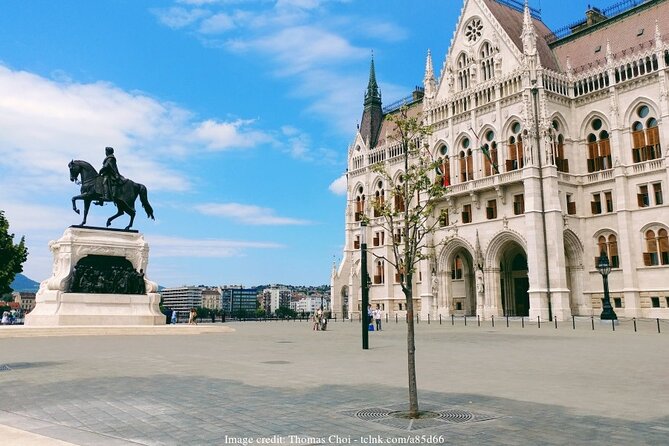
You start at Bem József tér 2, at the Bem József Memorial Square, and that choice matters. This is where the tour frames 1956 as more than a date in a textbook, because it points to the moment 200,000 Hungarian students protested against Soviet rule.
Your first stop is about 30 minutes, with free admission. That’s enough time to orient yourself, take a few photos, and let the guide set the political context before you start walking deeper into the city center.
If you’re the kind of person who likes to understand why monuments exist, this opening works well. Instead of rushing to big buildings, you begin at the event that sits behind so much of the tour’s emotional weight.
Practical note: start relaxed here. If you rush your first stop, you’ll spend the rest of the tour trying to catch up instead of reading the story in the streets.
Falk Miksa Street, retro shops, and the awkward reality of life under Communism
Next you head through the central district, and this part is where Budapest feels human instead of ceremonial. The walking route includes places associated with daily life, including retro bars and butcher shops, while your guide talks about what life under communist rule looked and felt like.
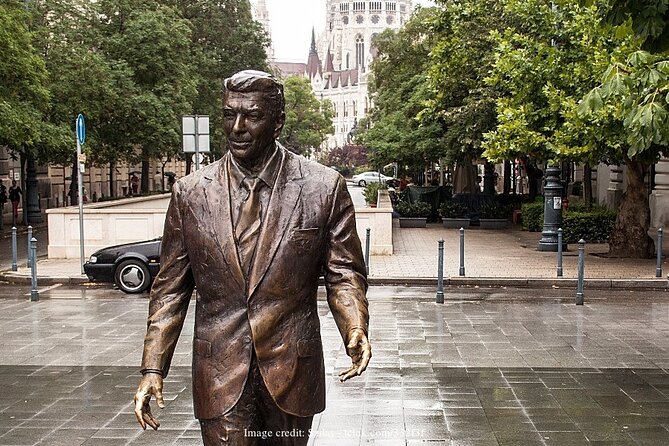
You’ll also pass or discuss monuments, squares, and statues tied to different eras. One that stands out is a Ronald Reagan statue in Liberty Square. It’s a reminder that Cold War politics did not stay in the background, even in a city like Budapest.
Then there’s the fun curveball: on Falk Miksa Street, you’ll see an unlikely statue of Columbo, the scruffy fictional detective from LAPD. It’s not part of Hungarian history in the strict sense, but it makes a point about how culture and politics overlap in public space.
This stop runs about 1 hour, and it’s free to explore. For me, that blend of the serious and the slightly strange is a good sign. It means you won’t leave feeling like you only toured bullet points and plaques.
One consideration: this is still a political walking tour, so expect the guide to connect these sights to dictatorship, resistance, and power. If you want a light, casual city stroll, choose a different tour. If you want context, this is a strong fit.
Kossuth Lajos Square and the Hungarian Parliament you can’t ignore
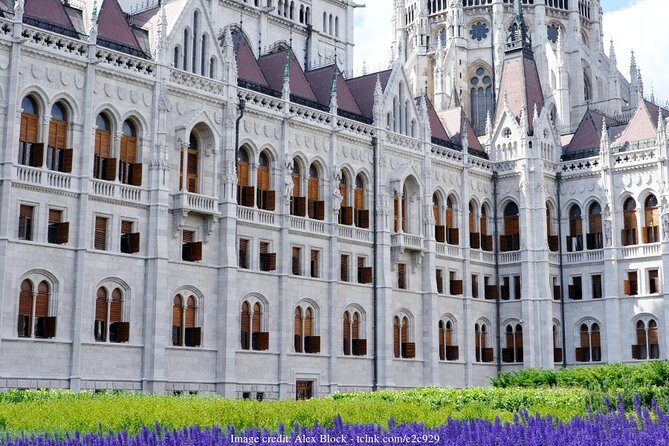
After walking the streets of daily life, you shift to big-state symbolism. The tour brings you to Kossuth Lajos square to see the vast Neo-Gothic Parliament building, and then it includes a short stop at the Hungarian Parliament Visitor Centre.
This portion is about 15 minutes. Admission to the Parliament Visitor Centre is not included, so you’ll likely be using the visit for orientation and learning rather than a full museum-style ticketed experience.
Even without a long indoor visit, the architecture does part of the job for the guide. The Parliament building is dramatic, and your guide can help you connect how Hungary’s politics evolved through earlier centuries up to the 21st.
I like that this stop doesn’t pretend Communism sprang from nowhere. It gives you a runway of political background so the rise and fall of Communism makes more sense when you reach the final museum stop.
If you’re curious about going deeper inside the Parliament Visitor Centre on your own, plan for extra time later. This tour does not include that admission cost.
More Museum Visits in Budapest:
- Budapest: Cat Museum Budapest Entry Ticket
★ 4.4 · 2,210 reviews - Budapest: Light Art Museum Skip-the-Line Entry Ticket
★ 3.9 · 1,531 reviews - Budapest: Budapest Retro Interactive Museum Ticket
★ 4.4 · 569 reviews - Budapest Card: Free Public Transport, Spa & Museums with Delivery
★ 3.5 · 241 reviews
House of Terror Museum, where the Iron Curtain becomes personal
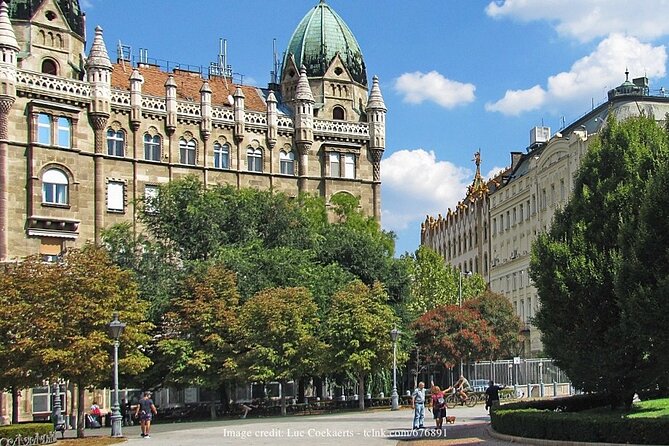
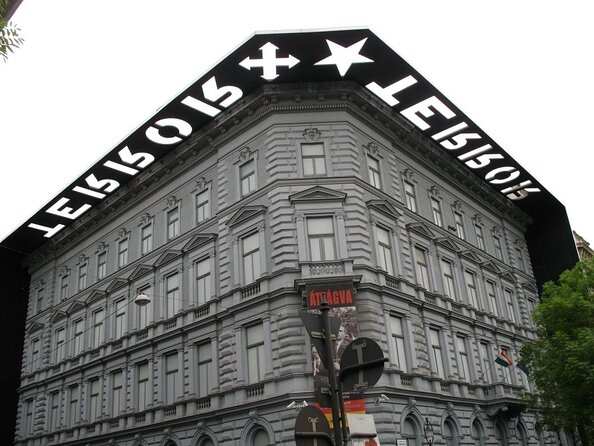
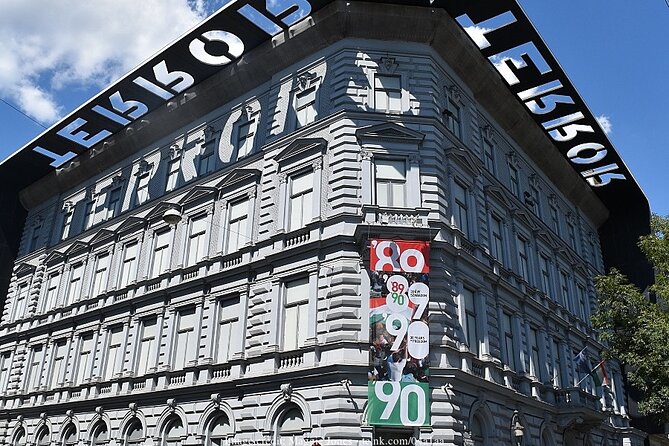
The final stop is the House of Terror Museum on Andrássy út 60 in Budapest. Here, the tour ends and you can visit at your own leisure after your guide provides your entrance tickets.
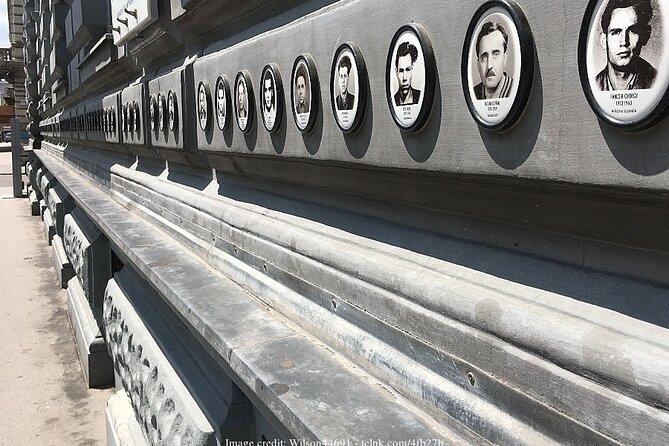
This museum entry is included, and the guided portion focuses on a short 30-minute visit. Even in that time, you can expect exhibits and memorials tied to people detained, tortured, and killed by fascist and communist regimes in 20th-century Hungary.
This is the emotional center of the tour, so it’s worth showing up mentally ready. The building is designed to confront visitors with what dictatorship did to real bodies and real lives, and it can be difficult material even when it’s presented with historical care.
A smart way to handle a museum like this is to pick one theme to pay attention to during your visit. For example, you can track the way regimes used fear, or the way the museum organizes evidence of detention and repression. The guide can help you choose what to watch for.
Since your time here is shorter than a full independent museum day, don’t expect to read everything. If you fall behind, you’ll end up scanning instead of understanding. Use the 30 minutes to get oriented, then do a slower second pass on your own if you want.
How the 3-hour walking format really feels
The overall duration is about 3 hours, and that’s a sweet spot for a private history tour. You get enough time to hit four meaningful stops without turning your day into a grind.
Because it’s a walking route with multiple landmarks, the tour notes a moderate physical fitness level. Wear comfortable shoes, and plan on some steady walking and standing. You’ll also want to factor in the fact that you might naturally slow down for photos.
There’s also no hotel pickup or drop-off, and no transportation throughout the tour. That means you need to be ready to arrive on your own at the start point: Bem József tér 2, 1027 Hungary.
The tour is near public transportation, which helps. It’s also private, so you won’t be stuck waiting on strangers who show up late.
One more practical point: food and drink are not included. If you’re doing this mid-day, I’d bring a bottle of water and maybe a quick snack for after, especially since the museum content can be mentally draining.
Price and value: is $180 a fair trade for a private guide?
At $180 per person, this is not a budget tour. But private tours in central Budapest often cost this much or more once you factor in a dedicated guide and included museum admission.
Here’s what you’re paying for, in plain terms:
- A guide who can connect events to street-level details, including the 1956 student protests and how Hungary’s politics evolved into and out of Communism
- A route that stops at major sites, including House of Terror entry included
- Time built in for photos, instead of a rushed “look, move on” pace
- A private group format, meaning you can ask questions and control how long you pause at key spots
You’ll also see mobile ticket support and group discounts noted, which can make it easier to manage if you’re booking with friends or family.
One timing tip: the experience is commonly booked about 21 days in advance on average. If your dates are fixed, don’t wait too long, especially because this tour ends at the museum and you’ll want to match it with your broader Budapest plan.
Who this Budapest Communism and House of Terror tour suits best
This tour fits you if you want a guided political narrative without getting stuck reading alone. It’s also ideal if you like the way history looks when it’s anchored to actual places, like a memorial square tied to 1956 and a museum built around the “Iron Curtain” era.
You’ll probably enjoy it most if you:
- Want context before you walk through the House of Terror Museum
- Like a structured route that ends on a strong destination
- Prefer private pacing over large group logistics
It may feel less satisfying if you’re seeking a carefree sightseeing day with minimal heavy content. The subject matter is serious, and the museum stop is the kind of experience that sticks with you after the walking part ends.
Also, because you do a short museum visit, this is best for people who want guidance and orientation. If you want a long, unbroken museum session, you might treat this tour as your “starter course” and plan extra time later.
Should you book this private tour or skip it?
I’d book it if your goal is understanding Budapest’s 20th-century political story in a way that feels concrete. The route starts at Bem József Memorial Square, gives you street context with stops through central sights, and then brings you to the House of Terror with tickets handled for you.
I’m also encouraged by the strong feedback on the guiding. One review highlighted a guide named Vera for being knowledgeable and for giving interesting insights about Budapest and its history, with the museum part specifically called out as a highlight. That kind of guide quality matters a lot for a topic like this, because tone and clarity can make or break the experience.
Skip it if you want a light day, or if you strongly prefer independent museum time over a short guided arc. Also, if you’re sensitive to difficult historical content, consider whether you have the emotional bandwidth for a museum focused on detention, torture, and killings.
FAQ
How long is the private tour?
The tour lasts about 3 hours.
What’s included in the price?
A professional tour guide for your own private group is included, along with entrance to the House of Terror Museum.
Where does the tour start and end?
It starts at Bem József tér 2, 1027 Hungary, and it finishes at the House of Terror Museum on Andrássy út 60, 1062 Hungary.
Is admission to the Parliament Visitor Centre included?
No, admission to the Hungarian Parliament Visitor Centre is not included.
Is food, drinks, or transportation included?
Food and drink are not included, and transportation throughout the tour is not included (no hotel pickup or drop-off is provided).
What is the cancellation policy?
You can cancel for free. For a full refund, cancel up to 24 hours in advance of the experience start time. If you cancel less than 24 hours before, the amount paid is not refunded.
Latest to land in Budapest
- Visegrád Hike & Castle Tour with Ferry from Budapest★ 4.6 · 3 reviews
- Budapest: Vacation Photographer to collect great memories★ 5.0 · 49 reviews
- Trash Art Museum: Hungary’s First Scrap Metal Exhibition★ 4.3 · 72 reviews
- True Crime Walking Tour in the Buda Castle district★ 5.0 · 26 reviews
- Budapest: 3-Hour Trabant Sightseeing Tour★ 4.7 · 28 reviews
- Audio visual multi-sensory chefs journey dinner experience★ 5.0 · 3 reviews
- Private Szentendre and Vac Tour from Budapest with Transport★ 5.0 · 3 reviews
- Wine Tasting in the Countryside from Budapest★ 5.0 · 14 reviews
Communist History Tours, compared.
Communist History Tour with House of Terror Option
Read our review →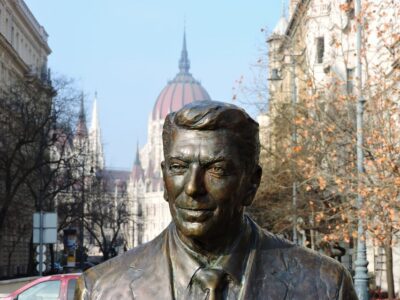
3-Hour Walking Tour About Communism (Small Group)
Read our review →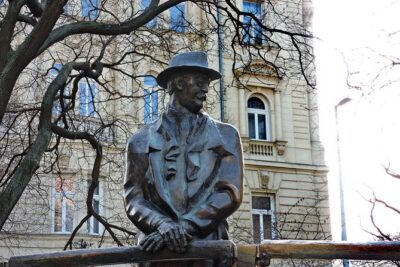
Memento Park Visit with Private Trabant Transfer
Read our review →
Browse the lists this tour appears in